See your GLP-1 options in about 2 minutes. Free and private.See my options →
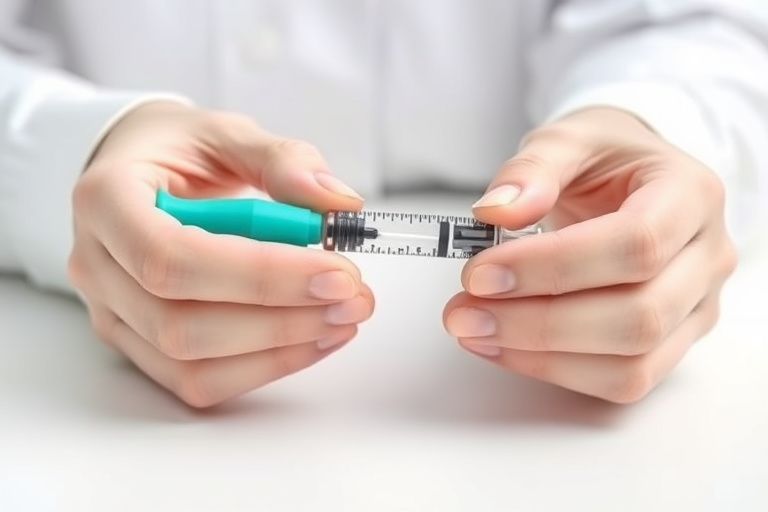
Injection day can be tricky. Your GLP-1 injection day diet matters more than you might think. Many people on semaglutide or tirzepatide notice that nausea, bloating, and appetite suppression hit hardest in the hours after their weekly dose.
Injection day can be tricky. Your GLP-1 injection day diet matters more than you might think. Many people on semaglutide or tirzepatide notice that nausea, bloating, and appetite suppression hit hardest in the hours after their weekly dose. Eating the wrong foods, or eating too much, can make those side effects worse. But skipping meals entirely isn't the answer either. You still need protein, hydration, and key nutrients to support your body. This guide walks you through exactly what to eat, what to avoid, and how to time your meals around your injection for the best experience.
Key Takeaways:
- Timing Your Meals Around Your Injection
- Best Foods for Injection Day
- Foods to Avoid on Injection Day
- A Sample Injection Day Eating Schedule
Timing Your Meals Around Your Injection
When you eat relative to your injection can make a real difference in how you feel. There's no single perfect schedule, but these guidelines work well for most people.
2-3 hours before your injection: Eat a light, low-fat meal. This gives your body time to partially digest before the medication starts working. A heavy meal sitting in your stomach when the drug kicks in is a recipe for nausea.
Immediately after injection: You don't need to eat right away. In fact, most people feel fine for the first 1-2 hours post-injection. Use this window to hydrate.
4-8 hours after injection: This is when side effects typically begin. Have a small, bland, protein-rich snack ready. Don't wait until you feel hungry because on injection day, that signal may never come.
The day after injection: For many people, the day after is actually harder than injection day itself. Plan your lightest, most liquid-friendly meals for the 24-48 hours following your dose.
Some people find that injecting in the evening works best because they sleep through the initial wave of appetite suppression and nausea. Others prefer morning injections so they can manage their eating throughout the day. Talk to your about what timing might work best for your schedule.
Free Download: 7-Day High-Protein GLP-1 Meal Plan
Plan your entire week of meals, including injection day and recovery day. Every recipe is designed for reduced appetites with 100g+ protein daily. Get yours free -- we'll email it to you instantly.
[Download My Free Meal Plan]
Best Foods for Injection Day
"What makes tirzepatide particularly interesting is the dual GIP/GLP-1 mechanism. We're seeing that GIP receptor activation appears to amplify the metabolic effects in ways we didn't fully anticipate from the preclinical data.") Dr. Ania Jastreboff, MD, PhD, Yale School of Medicine, lead author of SURMOUNT-1[1]
GLP-1 Weight Loss Results by Medication. Based on published STEP and SURMOUNT trial data.
View data table
Bar chart showing glp-1 weight loss results by medication: Tirzepatide (22), Semaglutide (15), Liraglutide (8), Retatrutide (24)
Category
Mean Body Weight Loss (%)
Detail
Tirzepatide
22
~22% body weight at 72 wks
Semaglutide
15
~15% body weight at 68 wks
Liraglutide
8
~8% body weight at 56 wks
Retatrutide
24
~24% in Phase 2 trial
The ideal injection day foods share a few traits: they're low in fat, easy to digest, moderate in protein, and gentle on the stomach. Here is your go-to list.
Lean proteins that sit well:
- Plain Greek yogurt (easy to digest, high protein, cool and soothing)
- Scrambled eggs or egg whites (soft texture, gentle on the stomach)
- Baked or poached chicken breast (avoid fried or heavily seasoned)
- Bone broth with shredded chicken (warm, hydrating, protein-rich)
- Cottage cheese (smooth, cold, 14 grams of protein per half cup)
Easy-to-digest carbohydrates:
- White rice or plain rice cakes
- Saltine crackers or plain toast
- Bananas (also help with electrolytes)
- Applesauce (unsweetened)
- Oatmeal made with water
Hydration heroes:
- Water with electrolytes (add a pinch of salt and squeeze of lemon)
- Bone broth or clear soup
- Herbal tea, especially ginger or peppermint
- Coconut water (natural electrolytes)
- Watermelon or cucumber slices
Patient Perspective:"The meal plan was a major shift. Before, I'd skip meals because I wasn't hungry and then wonder why I felt terrible. Learning to eat small, protein-rich meals even without appetite made the whole experience smoother.", Karen W., 48, FormBlends patient (name changed for privacy)
Protein supplements for backup:
- Clear protein water (like Isopure)
- Collagen peptides stirred into tea or broth
- A light made with water, not milk
The key theme here is simple, light, and protein-forward. You want to give your body what it needs without overwhelming your digestive system.
So you can identify patterns over time. Some foods will work better for you than others, and logging helps you build your personal injection day playbook.
Foods to Avoid on Injection Day
Some foods make GLP-1 side effects noticeably worse. Steer clear of these on injection day and the day after.
Check your GLP-1 eligibility
Use our free BMI Calculator to see if you may qualify for provider-reviewed GLP-1 therapy.
High-fat foods. Fat slows gastric emptying, and GLP-1 medications already slow it significantly. Adding fatty foods on top of that's a combination that often leads to intense nausea and bloating. Skip the fried foods, creamy sauces, cheese-heavy dishes, and fatty cuts of meat on injection day.
Large portions. Even if you feel hungry before your injection, don't overeat. A large meal sitting in your slowed stomach will feel uncomfortable for hours. Eat half of what you normally would and wait 30 minutes before deciding if you want more.
Spicy foods. Spice can irritate an already sensitive stomach. Save the hot sauce and spicy dishes for your lowest-symptom days, typically 4-5 days after your injection.
Carbonated drinks. Fizzy beverages introduce gas into an already sluggish digestive system. This can cause painful bloating and pressure. Stick to flat water, tea, or broth.
High-fiber foods in large amounts. While fiber is important on GLP-1 medications overall (see our guide on ), injection day isn't the time to eat a huge salad or a bowl of beans. These foods take longer to digest and can increase bloating. Keep fiber moderate on injection day and increase it on your better-appetite days.
Alcohol. Alcohol combined with GLP-1 medications can intensify nausea and increase the risk of low blood sugar. Many providers recommend avoiding alcohol entirely on injection day and the following day.
A Sample Injection Day Eating Schedule
Here is a practical template you can follow. Adjust portions and timing based on when you take your injection.
Morning (pre-injection or early post-injection):
- 1 cup Greek yogurt with a drizzle of honey (18g protein)
- 8 oz water with electrolytes
- Ginger tea
Midday:
- 1 cup bone broth with 2 oz shredded chicken (18g protein)
- 4 saltine crackers
- Half a banana
- 16 oz water
Afternoon:
- Small protein shake made with water (25g protein)
- Sip slowly over 30-60 minutes
Evening:
- 3 oz baked chicken breast (21g protein)
- 1/2 cup white rice
- Steamed carrots (soft, easy to digest)
- Peppermint tea
Daily total: approximately 82g protein, 850 calories
This is lighter than a typical day, and that's intentional. Your priority on injection day is getting through it comfortably while still meeting a baseline protein intake. On your better days later in the week, you can push your protein higher to compensate. Check out our full for those days.
Frequently Asked Questions
Should I take my injection on a full or empty stomach?
GLP-1 injections go into subcutaneous tissue (usually the abdomen, thigh, or upper arm), not into the digestive tract. Technically, stomach contents don't affect absorption. But many people report less nausea when they inject after a light meal rather than on a completely empty stomach. A small, bland meal 2-3 hours before injection is a good middle ground.
What if I can't eat anything at all on injection day?
If solid food is truly impossible, focus on liquids. Bone broth, a clear protein drink, and electrolyte water can keep you nourished and hydrated. If you consistently can't eat for 24+ hours after injection, tell your provider. They may adjust your dose or recommend anti-nausea strategies. This is especially important early in treatment.
Does injection day diet get easier over time?
Yes, for most people. Side effects like nausea and appetite suppression are usually strongest during the titration phase when your dose is increasing. Once you reach a stable maintenance dose, many people find that injection day becomes much more manageable. Your body adapts to the medication over weeks to months.
Can ginger really help with GLP-1 nausea?
Research supports ginger as a mild anti-nausea remedy. A meta-analysis of randomized controlled trials found that ginger may reduce nausea in various clinical settings. Many GLP-1 users report that ginger tea, ginger chews, or ginger capsules taken before and after injection help take the edge off. It isn't a cure-all, but it's a safe, low-risk option worth trying.
Should I change what I eat based on my dose level?
Yes. When you're on a lower starting dose, side effects are usually milder and you may be able to eat more normally on injection day. As your dose increases during titration, you may need to shift toward lighter, more liquid-based meals. Pay attention to how your body responds at each dose level and adjust accordingly.
What's Your Next Move?
You have the information. Now let a licensed provider help you put it into action. FormBlends makes it simple, answer a few questions and get a personalized recommendation.
Medical References
Jastreboff AM, Aronne LJ, Ahmad NN, et al. Tirzepatide Once Weekly for the Treatment of Obesity. N Engl J Med. 2022;387(3):205-216. [PubMed | ClinicalTrials.gov | DOI]
Davies M, Færch L, Jeppesen OK, et al. Semaglutide 2.4 mg once a week in adults with overweight or obesity, and type 2 diabetes (STEP 2). Lancet. 2021;397(10278):971-984. [PubMed | ClinicalTrials.gov | DOI]
Wadden TA, Bailey TS, Billings LK, et al. Effect of Subcutaneous Semaglutide vs Placebo as an Adjunct to Intensive Behavioral Therapy on Body Weight in Adults With Overweight or Obesity (STEP 3). JAMA. 2021;325(14):1403-1413. [PubMed | ClinicalTrials.gov | DOI]
Garvey WT, Batterham RL, Bhatt DL, et al. Two-year effects of semaglutide in adults with overweight or obesity (STEP 5). Nat Med. 2022;28(10):2083-2091. [PubMed | ClinicalTrials.gov | DOI]
Wilding JPH, Batterham RL, Calanna S, et al. Once-Weekly Semaglutide in Adults with Overweight or Obesity. N Engl J Med. 2021;384(11):989-1002. [PubMed | ClinicalTrials.gov | DOI]
Sources &. References
Wilding JPH, Batterham RL, Calanna S, et al. Once-Weekly Semaglutide in Adults with Overweight or Obesity. N Engl J Med. 2021;384(11):989-1002. Doi:10.1056/NEJMoa2032183
Davies M, Færch L, Jeppesen OK, et al. Semaglutide 2.4 mg once a week in adults with overweight or obesity, and type 2 diabetes (STEP 2 (Davies et al., Lancet, 2021)). Lancet. 2021;397(10278):971-984. Doi:10.1016/S0140-6736(21)00213-0
Wadden TA, Bailey TS, Billings LK, et al. Effect of Subcutaneous Semaglutide vs Placebo as an Adjunct to Intensive Behavioral Therapy on Body Weight in Adults With Overweight or Obesity (STEP 3 (Wadden et al., JAMA, 2021)). JAMA. 2021;325(14):1403-1413. Doi:10.1001/jama.2021.1831
Garvey WT, Batterham RL, Bhatt DL, et al. Two-Year Effects of Semaglutide in Adults with Overweight or Obesity (STEP 5 (Garvey et al., Nat Med, 2022)). Nat Med. 2022;28:2083-2091. Doi:10.1038/s41591-022-02026-4
Lincoff AM, Brown-Frandsen K, Colhoun HM, et al. Semaglutide and Cardiovascular Outcomes in Obesity without Diabetes. N Engl J Med. 2023;389(24):2221-2232. Doi:10.1056/NEJMoa2307563
Wilding JPH, et al. STEP 1[5] (Wilding et al., NEJM, 2021) Supplementary Appendix. Body composition analysis via DXA. N Engl J Med. 2021;384(11). Doi:10.1056/NEJMoa2032183
Stierman B, Afful J, Carroll MD, et al. National Health and Nutrition Examination Survey 2017-March 2020 Prepandemic Data Files. NCHS Data Brief. No. 492. CDC/NCHS. 2023.
Sumithran P, Prendergast LA, Delbridge E, et al. Long-Term Persistence of Hormonal Adaptations to Weight Loss. N Engl J Med. 2011;365(17):1597-1604. Doi:10.1056/NEJMoa1105816
This content is provided for informational and educational purposes only. It isn't a substitute for professional medical advice, diagnosis, or treatment. Always seek the advice of a licensed healthcare provider with any questions about a medical condition or treatment plan.
Last updated: 2026-03-24
See your options in about 2 minutes
Take the free quiz and see what fits you. Quick, private, and no commitment to continue.
Check the current prescribing information, regulatory status, and trial source before treating an investigational or newly approved medication as interchangeable with an established therapy.
Check before ordering
Regulatory status, labels, trial records, and sponsor updates can change quickly for obesity-drug pipeline pages. This snapshot is designed to make verification easier, not to replace checking the official source before making a medical or purchase decision. Page updated: 2026-04-01.
Continue with decision-grade research
Compare the options behind this question
These pages separate verified facts, commercial terms, and unresolved claims so you can check the evidence before choosing a provider.
Use this page to decide if a provider review is the right next step
Related treatment context
Glp1 Injection Day Diet research is most useful when it helps you compare eligibility, expected results, side effects, cost, and the supervision needed before treatment.
Medical Disclaimer: This content is for informational purposes only and does not constitute medical advice. Always consult a qualified healthcare provider before starting, stopping, or changing any medication or treatment. FormBlends articles are source-checked against medical and regulatory references, but they are not a substitute for a personal medical consultation.
Written by FormBlends Editorial Research
Prepared by FormBlends Editorial Research.
Ready to get started?
Provider-reviewed GLP-1 and peptide therapy, delivered to your door.