All GLP-1 medications from licensed 503A compounding pharmacies Browse Products
Hydration On Glp 1 How Much Water
If you're taking a GLP-1 medication like compounded semaglutide or tirzepatide, you've probably heard that staying hydrated matters. This water intake...
See your GLP-1 options in about 2 minutes. Free and private.See my options →
If you're taking a GLP-1 medication like compounded semaglutide or tirzepatide, you've probably heard that staying hydrated matters. This water intake GLP-1 resource covers the important information you need to make informed decisions.
If you're taking a GLP-1 medication like compounded semaglutide or tirzepatide, you've probably heard that staying hydrated matters. This water intake GLP-1 resource covers the important information you need to make informed decisions. But how much water intake on GLP-1 do you actually need? And why does it matter more now than before you started treatment?
Key Takeaways:
- Discover why glp-1 medications increase your dehydration risk
- Learn how much water you should drink on glp-1
- Electrolytes: The Missing Piece of GLP-1 Hydration
- Signs You're Not Drinking Enough (And What to Do)
The short answer: most providers recommend at least 64 ounces per day, and many suggest even more. Dehydration is one of the most common) and most preventable (issues people face on GLP-1 therapy. Let's break down exactly why your hydration needs change and how to stay on top of them.
Why GLP-1 Medications Increase Your Dehydration Risk
GLP-1 receptor agonists work partly by slowing gastric emptying and reducing appetite. That's great for weight management. But it also means you're eating less food) and a surprising amount of your daily water comes from food.
Fruits, vegetables, soups, and even cooked grains contain significant water. When your portions shrink, so does that hidden hydration source. Preliminary data suggest that roughly 20% of daily fluid intake comes from food alone.
On top of that, some of the most common GLP-1 side effects (nausea, vomiting, and diarrhea) can accelerate fluid loss. If you've experienced any of these, especially during your , your body may be losing water faster than you realize.
The result? Headaches, fatigue, constipation, dizziness, and even kidney strain. Many people blame these symptoms on the medication itself, when dehydration is actually the culprit.
How Much Water You Should Drink on GLP-1
"What makes tirzepatide particularly interesting is the dual GIP/GLP-1 mechanism. We're seeing that GIP receptor activation appears to amplify the metabolic effects in ways we didn't fully anticipate from the preclinical data.", Dr. Ania Jastreboff, MD, PhD, Yale School of Medicine, lead author of SURMOUNT-1[1]
GLP-1 Weight Loss Results by Medication. Based on published STEP and SURMOUNT trial data.
View data table
Bar chart showing glp-1 weight loss results by medication: Tirzepatide (22), Semaglutide (15), Liraglutide (8), Retatrutide (24)
Category
Mean Body Weight Loss (%)
Detail
Tirzepatide
22
~22% body weight at 72 wks
Semaglutide
15
~15% body weight at 68 wks
Liraglutide
8
~8% body weight at 56 wks
Retatrutide
24
~24% in Phase 2 trial
The baseline recommendation is 64 ounces (about 8 cups) per day. But that's a starting point, not a ceiling.
A more personalized target is half your body weight in ounces. If you weigh 200 pounds, aim for 100 ounces daily. If you're active or live in a hot climate, you may need even more.
Here's a practical daily breakdown:
Morning (before noon): 24-32 oz. Start with a full glass before your coffee or breakfast.
Afternoon (noon to 5 pm): 24-32 oz. Keep a water bottle at your desk or in your bag.
Evening (5 pm to bedtime): 16-24 oz. Taper off closer to bedtime to avoid sleep disruptions.
Sipping beats chugging. Because GLP-1 medications slow your stomach, drinking large amounts at once can worsen nausea. Small, consistent sips throughout the day work much better.
Free Download: 7-Day High-Protein GLP-1 Meal Plan
Get a full week of meals designed for GLP-1 patients (with hydration reminders built in. Get yours free) we'll email it to you instantly.
[Download Now]
Patient Perspective:"The meal plan was a significant step. Before, I'd skip meals because I wasn't hungry and then wonder why I felt terrible. Learning to eat small, protein-rich meals even without appetite made the whole experience smoother.", Karen W., 48, FormBlends patient (name changed for privacy)
Electrolytes: The Missing Piece of GLP-1 Hydration
Water alone isn't always enough. When you eat less and potentially experience GI side effects, you can lose key electrolytes (sodium, potassium, and magnesium.
Check your GLP-1 eligibility
Use our free BMI Calculator to see if you may qualify for provider-reviewed GLP-1 therapy.
Signs of electrolyte imbalance include muscle cramps, heart palpitations, brain fog, and fatigue. These symptoms overlap with common , which makes them easy to miss.
Consider adding electrolytes if:
You experience nausea or vomiting regularly
You exercise and sweat frequently
Your urine is very light or almost clear (yes, you can over-hydrate and flush electrolytes)
You feel tired despite sleeping well
Look for electrolyte supplements without added sugar) many sugar-heavy sports drinks can work against your goals. Electrolyte tablets, powders, or drops added to water are simple options. Talk to your provider about what's right for you.
Track your daily water and electrolyte intake with the , it takes 10 seconds to log a glass, and you'll see your hydration trends over time.
Signs You're Not Drinking Enough (And What to Do)
Your body gives clear signals when it needs more fluid. Here's what to watch for:
Early warning signs:
- Dark yellow urine (aim for pale straw color)
- Dry mouth or lips
- Mild headache, especially in the afternoon
- Feeling sluggish or foggy
More serious signs (talk to your provider):
- Dizziness when standing up
- Heart racing or palpitations
- Severe constipation
- Very infrequent urination
Quick hydration fixes:
- Set phone reminders every 1-2 hours
- Use a marked water bottle with time goals
- Add flavor with lemon, cucumber, or mint (not sugar)
- Eat water-rich foods like watermelon, cucumbers, and broth-based soups
- Track intake in the to build the habit
If you're struggling with nausea that makes drinking water difficult, try room temperature or slightly warm water. Cold water can sometimes trigger nausea on GLP-1 medications. Small ice chips can also help if plain water feels like too much.
For more tips on managing what you eat during treatment, check out our .
Frequently Asked Questions
Can I drink too much water on GLP-1 medications?
Yes, overhydration is possible, though less common than dehydration. Drinking excessive water without electrolytes can dilute sodium levels (a condition called hyponatremia. Aim for your target range and include electrolytes, especially if you're very active.
Does coffee count toward my daily water intake on GLP-1?
Coffee and tea do contribute to hydration, despite being mild diuretics. But they shouldn't be your primary fluid source. Count them as part of your intake, but make sure at least half your daily fluids come from plain water.
Why do I feel more nauseous when I drink water on my GLP-1 medication?
GLP-1 medications slow gastric emptying, which means large gulps of water can sit in your stomach and worsen nausea. Try sipping small amounts throughout the day instead of drinking a full glass at once. Room temperature water may also be easier to tolerate.
Should I drink more water right after my GLP-1 injection?
There's no need to increase water intake immediately after your injection. But staying consistently hydrated every day) not just injection day (helps your body process the medication and may reduce side effects during the first 24-48 hours.
Start your treatment Today
Every transformation starts with a single step. Talk to a licensed FormBlends provider about whether this approach is right for you) consultations are free and confidential.
Medical References
Jastreboff AM, Aronne LJ, Ahmad NN, et al. Tirzepatide Once Weekly for the Treatment of Obesity. N Engl J Med. 2022;387(3):205-216. [PubMed | ClinicalTrials.gov | DOI]
Davies M, Færch L, Jeppesen OK, et al. Semaglutide 2.4 mg once a week in adults with overweight or obesity, and type 2 diabetes (STEP 2). Lancet. 2021;397(10278):971-984. [PubMed | ClinicalTrials.gov | DOI]
Wadden TA, Bailey TS, Billings LK, et al. Effect of Subcutaneous Semaglutide vs Placebo as an Adjunct to Intensive Behavioral Therapy on Body Weight in Adults With Overweight or Obesity (STEP 3). JAMA. 2021;325(14):1403-1413. [PubMed | ClinicalTrials.gov | DOI]
Garvey WT, Batterham RL, Bhatt DL, et al. Two-year effects of semaglutide in adults with overweight or obesity (STEP 5). Nat Med. 2022;28(10):2083-2091. [PubMed | ClinicalTrials.gov | DOI]
Wilding JPH, Batterham RL, Calanna S, et al. Once-Weekly Semaglutide in Adults with Overweight or Obesity. N Engl J Med. 2021;384(11):989-1002. [PubMed | ClinicalTrials.gov | DOI]
Sources &. References
Wilding JPH, Batterham RL, Calanna S, et al. Once-Weekly Semaglutide in Adults with Overweight or Obesity. N Engl J Med. 2021;384(11):989-1002. Doi:10.1056/NEJMoa2032183
Davies M, Færch L, Jeppesen OK, et al. Semaglutide 2.4 mg once a week in adults with overweight or obesity, and type 2 diabetes (STEP 2 (Davies et al., Lancet, 2021)). Lancet. 2021;397(10278):971-984. Doi:10.1016/S0140-6736(21)00213-0
Wadden TA, Bailey TS, Billings LK, et al. Effect of Subcutaneous Semaglutide vs Placebo as an Adjunct to Intensive Behavioral Therapy on Body Weight in Adults With Overweight or Obesity (STEP 3 (Wadden et al., JAMA, 2021)). JAMA. 2021;325(14):1403-1413. Doi:10.1001/jama.2021.1831
Garvey WT, Batterham RL, Bhatt DL, et al. Two-Year Effects of Semaglutide in Adults with Overweight or Obesity (STEP 5 (Garvey et al., Nat Med, 2022)). Nat Med. 2022;28:2083-2091. Doi:10.1038/s41591-022-02026-4
Lincoff AM, Brown-Frandsen K, Colhoun HM, et al. Semaglutide and Cardiovascular Outcomes in Obesity without Diabetes. N Engl J Med. 2023;389(24):2221-2232. Doi:10.1056/NEJMoa2307563
Wilding JPH, et al. STEP 1[5] (Wilding et al., NEJM, 2021) Supplementary Appendix. Body composition analysis via DXA. N Engl J Med. 2021;384(11). Doi:10.1056/NEJMoa2032183
Stierman B, Afful J, Carroll MD, et al. National Health and Nutrition Examination Survey 2017-March 2020 Prepandemic Data Files. NCHS Data Brief. No. 492. CDC/NCHS. 2023.
Sumithran P, Prendergast LA, Delbridge E, et al. Long-Term Persistence of Hormonal Adaptations to Weight Loss. N Engl J Med. 2011;365(17):1597-1604. Doi:10.1056/NEJMoa1105816
Nothing in this article should be construed as medical advice. The information provided is educational only. Always consult with your healthcare provider before beginning, modifying, or discontinuing any medication or treatment. FormBlends connects patients with licensed providers for individualized care.
Last updated: 2026-03-24
See your options in about 2 minutes
Take the free quiz and see what fits you. Quick, private, and no commitment to continue.
Check the current prescribing information, regulatory status, and trial source before treating an investigational or newly approved medication as interchangeable with an established therapy.
Check before ordering
Regulatory status, labels, trial records, and sponsor updates can change quickly for obesity-drug pipeline pages. This snapshot is designed to make verification easier, not to replace checking the official source before making a medical or purchase decision. Last page review: 2026-04-01.
FormBlends does not claim an individual clinician byline unless a named reviewer is available. For this page, the editorial team checks medical and regulatory claims against primary sources, clinical trials, public datasets, and regulator guidance.
For Hydration On Glp 1 How Much Water, FormBlends checks the page topic against primary trials, systematic reviews, guidelines, and current PubMed-indexed literature where available. These citations are context, not medical advice, proof of eligibility, or a claim that every study applies to every patient.
Use this page to decide if a provider review is the right next step
Direct answer
Hydration On Glp 1 How Much Water research is most useful when it helps you compare eligibility, expected results, side effects, cost, and the supervision needed before treatment.
If you're taking a GLP-1 medication like compounded semaglutide or tirzepatide, you've probably heard that staying hydrated matters. This water intake GLP-1 resource covers the essential information you need to make informed decisions. "Hydration On Glp 1 How Much Water" works best as a practical checklist for the next conversation. It focuses on patient education and clinical context, then narrows the issue through semaglutide, tirzepatide, safety and pharmacy quality. With 7 sections, the FAQ can reveal what readers usually miss. Use the page to prepare, then verify the personal medical pieces with a licensed clinician.
Confirm whether the page is discussing an FDA-approved use, a compounded option, or research-only context.
Ask a licensed clinician how the evidence applies to your health history, medications, labs, and side-effect risk.
Verify the pharmacy pathway, certificate of analysis, sterility testing, and clinician oversight before trusting a source.
Original tools and data
Use the FormBlends research stack
These assets are built to be useful beyond a single article: shareable data pages, calculators, provider comparisons, and safety checks that give Google and readers something original to crawl.
Practical 2026 note for Hydration On Glp 1 How Much Water
Hydration On Glp 1 How Much Water now carries extra 2026 context around semaglutide, tirzepatide, retatrutide, safety signals, hydration, glp, because those are the subtopics readers tend to compare before they trust a medical or wellness recommendation.
Instead of adding filler, this page keeps the named treatment terms, practical verification points, and next-step questions close to hydration on glp 1 how much water.
Readers should use the section to check current eligibility, pharmacy or provider policies, and safety questions with a licensed professional before acting.
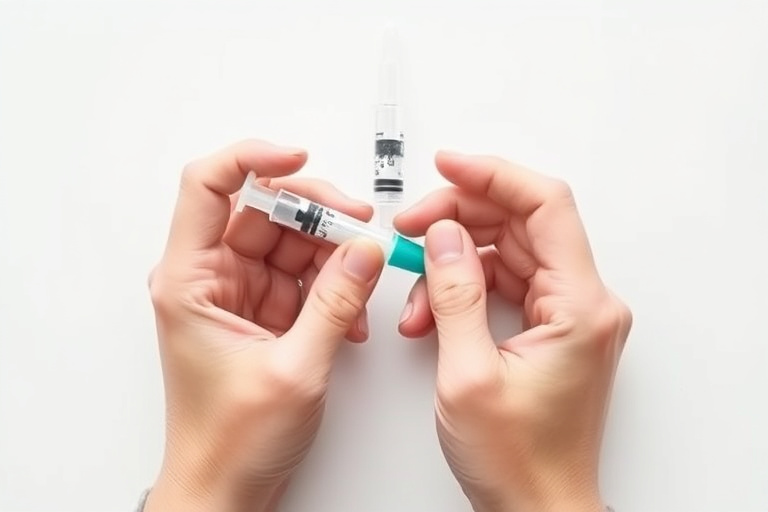
Custom 2026 image for Hydration On Glp 1 How Much Water, glp-1 weight loss, and better treatment decision-making.
Image description: Unique image for this page covering Hydration On Glp 1 How Much Water, glp-1 weight loss, safety, cost, provider selection, and patient decision-making.
Medical Disclaimer: This content is for informational purposes only and does not constitute medical advice. Always consult a qualified healthcare provider before starting, stopping, or changing any medication or treatment. FormBlends articles are source-checked against medical and regulatory references, but they are not a substitute for a personal medical consultation.
Written by FormBlends Editorial Research
Prepared by FormBlends Editorial Research. Claims are checked against primary regulatory, trial, label, and public-health sources where available. Reviewed against primary medical, regulatory, and trial sources for accuracy, sourcing, and patient-safety framing.
Ready to get started?
Provider-reviewed GLP-1 and peptide therapy, delivered to your door.