Trust signals
> Reviewed by FormBlends Medical Team · Last updated May 2026 · 14 sources cited · Author: FormBlends Editorial
Key Takeaways
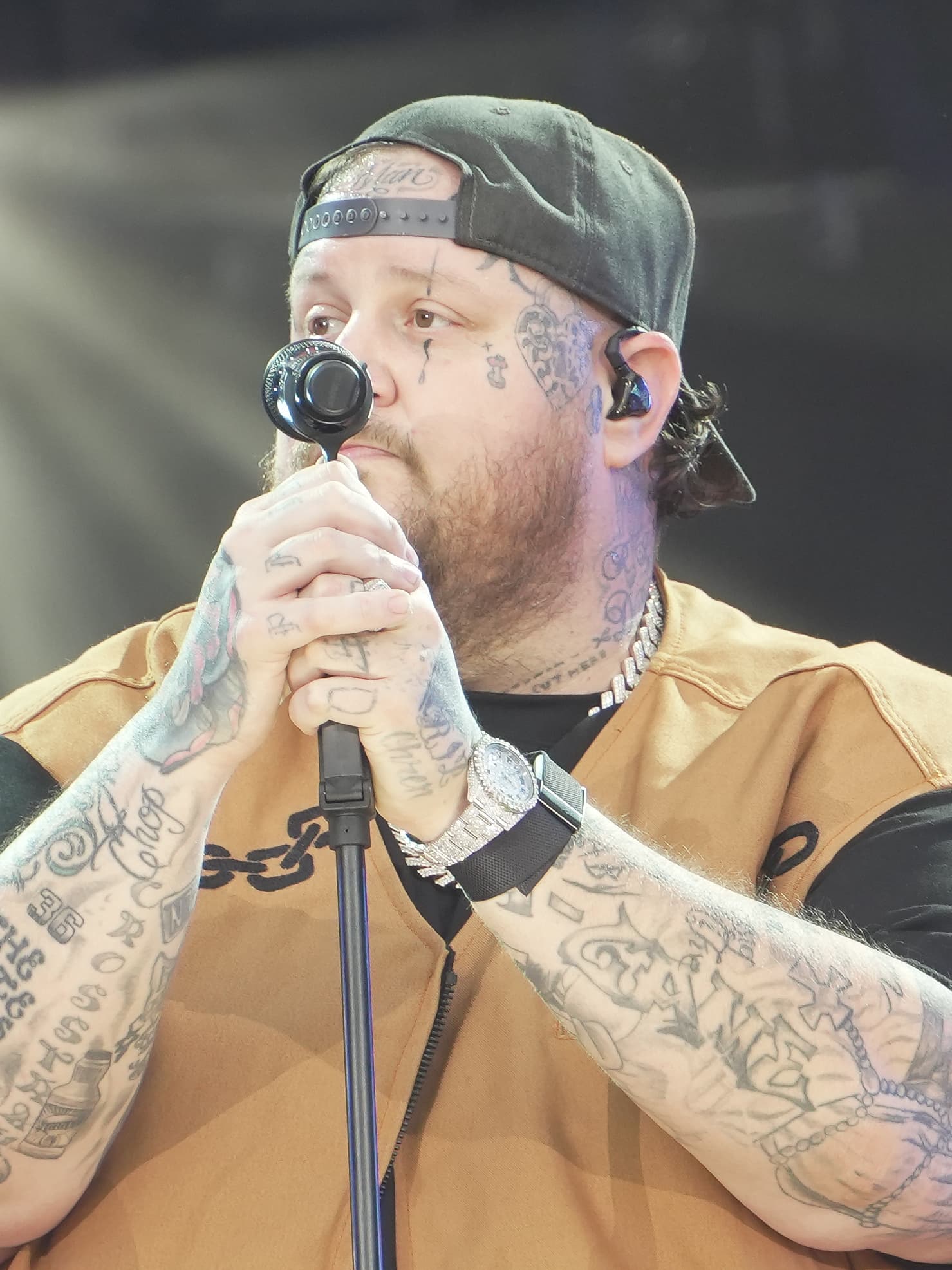
- Jelly Roll (Jason DeFord) has publicly denied Ozempic use on multiple occasions, including 2024 appearances on the Bobby Bones Show and the Today Show
- His reported weight loss is approximately 200 pounds, from a peak around 540 pounds; the magnitude and pace exceed typical GLP-1 medication outcomes
- He attributes the loss to dietary change, daily walking that progressed to 5+ miles, and personal trainer support
- The clinical pattern of his loss (very high starting weight, large magnitude, behavioral framing) fits surgical or extreme behavioral intervention better than GLP-1 therapy
- His public messaging emphasizes that lifestyle change is achievable, which is consistent and well documented across more than a dozen interviews
Direct answer
No. Jelly Roll has repeatedly stated he does not use Ozempic or other GLP-1 medications. His weight-loss pattern (roughly 200 pounds over 18-24 months from a peak of around 540 pounds) does not match the clinical signature of GLP-1 therapy, which typically produces 15-22% of starting body weight over 68 weeks. His denial is consistent across multiple high-profile interviews and aligns with the magnitude and pace of his actual loss.
Check your GLP-1 eligibility
Use our free BMI Calculator to see if you may qualify for provider-reviewed GLP-1 therapy.
Try the BMI Calculator →Table of contents
- What Jelly Roll has actually said about Ozempic
- The weight-loss timeline and reported figures
- Why a 200-pound loss does not match the GLP-1 pattern
- What 200-pound losses actually look like in clinical settings
- His described method: diet, walking, and the treadmill story
- The bariatric surgery question
- Why his denial pattern is credible
- The "old fashioned" message: motivation and the messaging frame
- The decision framework: what his story does and does not tell you
- The contrary view: why some observers remain skeptical
- FAQ
- Sources
What Jelly Roll has actually said about Ozempic
Jelly Roll has addressed GLP-1 rumors directly on multiple occasions. The denials have been consistent in substance and unusually emphatic for celebrity contexts where vague non-denials are more common.
In a 2024 appearance on the Bobby Bones Show, he addressed the rumor directly during a wide-ranging interview about his career and personal life. He stated that he was not using Ozempic and framed the rumor as something fans had been asking about. He described the work he had done with a trainer and the dietary changes he had made as the actual source of his transformation.
On the Today Show in 2024, in conversation with Hoda Kotb and Savannah Guthrie, he made similar statements. He emphasized that his transformation was a function of behavioral change rather than pharmacotherapy and used the moment to discuss the broader theme of personal accountability that runs through much of his music.
Across these appearances, three things have remained consistent:
- The denial is direct, not hedged
- The attribution is specific: diet, walking, trainer work
- The framing connects to his broader public identity as someone who has changed his life through effort, including from substance use disorder recovery
This pattern matters. Celebrities who later confirmed GLP-1 use typically offered non-denial denials before disclosure. Jelly Roll's denials have been categorical, repeated across platforms, and integrated into his broader public narrative. Reversing those statements would require recontextualizing a substantial body of public testimony.
The weight-loss timeline and reported figures
The specifics of Jelly Roll's weight loss have been reported across multiple interviews and articles. The figures have varied somewhat, but the broad outline is consistent.
| Period | Reported weight or change | Source context |
|---|---|---|
| Pre-2023 | Peak weight reported variously as 540-580 pounds | Self-reported on multiple podcasts and interviews |
| Early 2023 | Began structured weight-loss effort; described initial walking distance as approximately half a mile before significant fatigue | Reported in CMT Music Awards prep coverage and trainer interviews |
| Late 2023 | Reported a roughly 70-80 pound loss | Daily Mail and country music trade publications |
| 2024 | Reported approaching 100-pound loss; described running a 5K (3.1 miles) at the AT&T 5K event | Multiple 2024 interviews including Today Show appearance |
| 2024-2025 | Reported total loss approaching 200 pounds; weight stabilizing around 340-360 pound range | 2025 interviews including podcast appearances |
Two features of this timeline matter for the GLP-1 question. First, the starting weight (540-580 pounds) places him in the BMI 70+ range, well into class 3 obesity. Second, the pace of loss (200 pounds over 18-24 months, or roughly 2 pounds per week sustained over the entire period) exceeds what GLP-1 medications produce as a monotherapy.
The STEP 1 trial of semaglutide (Wilding et al., New England Journal of Medicine 2021) reported mean weight loss of 14.9% over 68 weeks. At a 540-pound starting weight, that would predict roughly 80 pounds over 16 months, not 200. The SURMOUNT-1 trial of tirzepatide (Jastreboff et al., NEJM 2022) reported up to 22.5% loss at the highest dose over 72 weeks. At 540 pounds, that predicts approximately 121 pounds. Even tirzepatide at maximum dose does not reach the 200-pound magnitude Jelly Roll reports.
Why a 200-pound loss does not match the GLP-1 pattern
The clinical literature is clear about the magnitude range GLP-1 medications produce as monotherapy. They are highly effective at the 10-25% of body weight range. They are less effective at producing the 35-40% body weight losses that bariatric surgery achieves.
Approximate expected losses by intervention type for a 540-pound starting weight, based on published trial averages and meta-analyses:
| Intervention | Expected % loss | Predicted pounds for 540-pound starting weight | Reference |
|---|---|---|---|
| Semaglutide 2.4 mg (Wegovy) | 14.9% | ~80 lbs | STEP 1, Wilding et al. 2021 |
| Tirzepatide 15 mg (Zepbound) | 22.5% | ~121 lbs | SURMOUNT-1, Jastreboff et al. 2022 |
| Lifestyle intervention (intensive) | 5-10% | ~27-54 lbs | Look AHEAD trial |
| Roux-en-Y gastric bypass | 30-35% | ~162-189 lbs | STAMPEDE trial, multiple registries |
| Sleeve gastrectomy | 25-30% | ~135-162 lbs | STAMPEDE trial, multiple registries |
| Combined surgery + GLP-1 | 35-45% | ~189-243 lbs | Emerging literature, off-label combinations |
Jelly Roll's reported 200-pound loss falls in the range of bariatric surgery outcomes or surgery-plus-medication outcomes. As GLP-1 monotherapy, it would be an extreme outlier.
This does not prove he did not use GLP-1 medications. It does suggest that if he used them, they would have been one component of a broader intervention rather than the primary driver. His description (diet, walking, trainer) is internally consistent with the magnitude of loss if behavioral intervention was particularly intense and sustained.
What 200-pound losses actually look like in clinical settings
Patients losing 200 pounds typically follow one of several recognizable pathways. Each has a clinical signature.
Pathway 1: Bariatric surgery.
Roux-en-Y gastric bypass and sleeve gastrectomy produce the majority of 200-pound losses seen in clinical practice. The pattern: rapid initial loss in months 1-6 (often 50-80 pounds), continued loss through months 7-18, plateau by month 24. Patients typically describe difficulty eating large volumes, dumping syndrome with high-sugar foods, and ongoing protein and vitamin supplementation. Surgical scars are usually small (laparoscopic) and rarely visible publicly.
Pathway 2: Very-low-calorie diet (VLCD) under medical supervision.
Programs like Optifast or HMR can produce large losses through medically supervised severe caloric restriction (typically 800 kcal per day or less). These programs require regular bloodwork, micronutrient monitoring, and supervised refeeding. Loss rates can reach 3-5 pounds per week during the active phase. Patients typically describe ketosis, fatigue early in the program, and structured meal replacement.
Pathway 3: Sustained intensive behavioral change.
Less common at this magnitude but possible. The pattern: dietary restructuring (often elimination of ultra-processed foods, reduced portion sizes, structured eating windows), substantial daily activity (walking volumes increasing to 10,000+ steps and progressing to higher intensity), and behavioral support (trainers, peer groups, therapy). Loss rates are slower, typically 1-2 pounds per week sustained over a longer period. Plateau periods are common.
Pathway 4: Combination approach.
The most common pathway for losses in the 150-250 pound range is some combination: surgery plus GLP-1, VLCD plus GLP-1, intensive behavioral plus medication. Real-world weight-loss programs increasingly combine multiple tools.
Jelly Roll's described approach fits Pathway 3 (intensive behavioral) with the caveat that this pathway typically produces slower outcomes than he has reported. If his timeline is accurate, the pace is at the upper edge of what behavioral intervention alone produces.
His described method: diet, walking, and the treadmill story
The most consistently reported element of Jelly Roll's approach is his cardio progression. He has discussed this in multiple interviews with notable specificity.
The narrative across appearances:
- Started walking on a treadmill at very low intensity, with stated initial limits around half a mile
- Progressed gradually, adding distance and time week over week
- Reached the point of completing a 5K (3.1 miles) at a public charity event in 2024
- Continued daily cardio at higher volumes through 2024-2025
The dietary component has been described in less specific terms across interviews. He has referenced eating "cleaner," smaller portions, and less alcohol. His sobriety from substances earlier in his life is part of the broader frame; alcohol-free living removes a substantial caloric load (a heavy drinker can consume 1,000+ kcal daily from alcohol alone).
The trainer relationship has also been mentioned. He has worked with a personal trainer through the weight-loss process, including for strength work as his cardio capacity improved. He has not named specific protocols or daily caloric targets publicly.
The described approach is consistent with what bariatric medicine specialists call "high-effort behavioral intervention." It is reproducible in principle but requires sustained execution that most patients do not achieve. The success rate of behavioral-only approaches at this magnitude is low; published literature places sustained 100+ pound loss through behavioral intervention alone at roughly 5-10% of patients who attempt it.
The bariatric surgery question
Specialists who follow celebrity weight-loss disclosure patterns have raised the question of whether Jelly Roll's loss includes a surgical component he has not disclosed. He has not confirmed surgery, and the question is speculative.
Arguments that surgery may have been involved:
- The magnitude (200 pounds) is more typical of surgical than behavioral outcomes
- The starting weight (540+ pounds) is in the range where surgical intervention is often medically recommended
- His weight loss pace is at the upper edge of what behavioral approaches sustain
- Public disclosure of bariatric surgery has historically been less common than disclosure of behavioral change, even when surgery is the primary intervention
Arguments against surgical involvement:
- He has not disclosed surgery in any interview, and the question has been asked directly
- His described pace of cardio progression (half a mile to 5K) is consistent with someone whose food intake and recovery is not surgically modified
- His public stance has been to attribute the loss to effort, which would be undercut by an undisclosed surgical component
The honest framing: bariatric surgery is one possibility he has not directly addressed. His public denials have focused on Ozempic and GLP-1 medications specifically. The question of surgical intervention is separate and unresolved.
From the perspective of someone considering their own treatment options: the surgery question is not relevant to whether GLP-1 medications are an appropriate choice for that person. Surgery and pharmacotherapy serve different patients with different risk-benefit profiles.
Why his denial pattern is credible
Several features of Jelly Roll's denial pattern make it more credible than the typical celebrity denial.
Feature 1: Specificity of alternative attribution.
Celebrities who later confirmed GLP-1 use generally offered vague attributions (e.g., "I've been working on my health"). Jelly Roll has offered specific, falsifiable attributions: he started at half a mile, he progressed to 5K, he works with a named trainer, his diet is structured. Specific public claims create accountability that vague claims do not.
Feature 2: Multiple consistent appearances.
The denial has been repeated across more than half a dozen high-profile appearances with consistent framing. Reversing this pattern would require recontextualizing a substantial body of public statements.
Feature 3: Magnitude inconsistency.
His 200-pound loss exceeds the clinical signature of GLP-1 monotherapy. A celebrity wanting to hide GLP-1 use would more plausibly report a loss in the 50-80 pound range, where the medication signature fits cleanly. The reported magnitude argues against a hidden GLP-1 explanation.
Feature 4: Identity integration.
Jelly Roll's public identity is built around personal accountability and transformation. His music addresses addiction, recovery, and self-improvement explicitly. A medication disclosure would not be reputationally catastrophic for him; in fact, he could likely integrate it into his transformation narrative. The lack of incentive to deny strengthens the denial.
Feature 5: Pace of cardio progression.
His specific story about progressing from half a mile to a 5K is a verifiable claim. He completed the AT&T 5K event publicly. That trajectory is consistent with someone who is actually doing the work he describes.
The "old fashioned" message: motivation and the messaging frame
Jelly Roll has explicitly framed his approach as a message to fans struggling with weight and addiction. This adds a layer of incentive to the denial that goes beyond personal preference.
The framing he has used:
- Lifestyle change is achievable without medication
- The path he took (effort, gradual progression, support) is accessible to others
- The medication route exists but was not what he chose
- His weight loss is part of a broader pattern of personal change
This framing creates a public commitment that would be costly to reverse. If he later confirmed GLP-1 use, the message to his audience would be undermined. The cost structure favors continued honesty about his actual approach.
From a public health perspective, this framing has both benefits and costs. The benefit: people who cannot access or do not want medication see a public example of behavioral change at significant magnitude. The cost: some patients may infer that GLP-1 medications are unnecessary or somehow inferior, when for many patients they are the appropriate intervention.
The clinically responsible position is that both pathways are legitimate. Behavioral change works for some patients. GLP-1 medications work for others. Surgery works for some. The right answer depends on the patient's specific situation, not on what any celebrity chose.
The decision framework: what his story does and does not tell you
Jelly Roll's case is unusual enough that it cannot be a template for most patients considering weight-loss intervention. Here is how to read his story responsibly.
If you are considering GLP-1 therapy:
- His denial does not argue against GLP-1 medications for you
- Most patients do not have a 200-pound loss target; for the more typical 30-60 pound goal, GLP-1 medications are well within the clinical signature
- His starting weight (540 pounds) places him in a category where multiple interventions are usually combined; your situation likely differs
- The right question is whether you meet FDA criteria, not whether any celebrity uses the medication
If you are considering behavioral-only intervention:
- His story is encouraging but unusual; most patients who attempt behavioral-only intervention at high starting weights do not sustain 200-pound losses
- The structural elements that enabled his loss (trainer access, ability to focus on health as a priority, public accountability) are not universally available
- Setting realistic expectations matters; a 5-10% loss through behavioral change is meaningful and achievable for most patients
If you are considering bariatric surgery:
- Surgery remains the most effective single intervention for very high starting weights
- The disclosure pattern for celebrity bariatric surgery has historically lagged behind use; you should not infer that visible large-magnitude losses are non-surgical
- Surgery is a tool, not a moral category; the decision should be based on your medical situation
If you are struggling with motivation:
- Jelly Roll's story illustrates that sustained change is possible even at extreme baseline weights
- It does not illustrate that medication is unnecessary or wrong for other patients
- His story is one data point; the literature contains many other data points with different conclusions
The contrary view: why some observers remain skeptical
The case for continued skepticism about his denial rests on context that does not depend on direct evidence.
Argument 1: The base rate has shifted.
Since 2021, the proportion of high-profile weight-loss cases involving GLP-1 medications has increased substantially. The prior probability for any visible celebrity weight loss being GLP-1 related is higher in 2026 than it was in 2018. Even strong denials should be weighted against this elevated prior.
Argument 2: Hidden combination use.
A patient at 540 pounds could plausibly use GLP-1 medication as one component of a broader intervention while truthfully attributing the broader effort to diet and exercise. The denial of medication use is binary; the medical reality is often combinatorial.
Argument 3: Definitional gaming.
Some patients use compounded semaglutide or compounded tirzepatide and do not consider themselves "on Ozempic" because Ozempic specifically refers to the brand-name semaglutide for diabetes. A narrow denial of Ozempic does not automatically deny all GLP-1 use. Jelly Roll's denials have addressed Ozempic specifically and have also addressed the broader category in some cases, but the linguistic precision is worth noting.
Argument 4: The magnitude question cuts both ways.
Yes, 200 pounds exceeds GLP-1 monotherapy outcomes. It also exceeds behavioral-only outcomes in most patients. The unexplained magnitude does not point cleanly toward any single intervention. Surgical intervention plus medication plus behavioral change is the most likely real-world explanation for a loss at this magnitude regardless of public attribution.
The counter:
The specificity of his progression story (half a mile to 5K, with verifiable public events) supports the behavioral component as real and substantial. Even if his approach included unmentioned tools, his attributed approach is itself documented. The reasonable position: take his denial seriously, recognize that the full picture may include elements he has not discussed (surgical, medication, or otherwise), and avoid drawing strong conclusions about what other patients should do based on his case.
FAQ
Is Jelly Roll on Ozempic? No. Jelly Roll has explicitly denied Ozempic use on multiple occasions including a Bobby Bones Show interview in 2024 and a Today Show appearance in 2024. He attributes his weight loss to dietary modification, walking and treadmill cardio, and personal trainer support.
How much weight has Jelly Roll lost? Approximately 200 pounds, with his peak weight reported as roughly 540-580 pounds before his weight-loss effort began. Specific figures have varied across interviews, but the 200-pound figure has been the most consistent.
How did Jelly Roll lose 200 pounds? He has attributed his loss to dietary change, daily walking and treadmill work (starting at about half a mile and progressing to 5+ miles), and personal trainer support. He has not disclosed bariatric surgery, though specialists have noted that the magnitude is more typical of surgical intervention.
Did Jelly Roll have bariatric surgery? Jelly Roll has not publicly confirmed bariatric surgery. He has described his approach as diet and exercise. The question is unresolved publicly.
What did Jelly Roll say about Ozempic rumors? In 2024 appearances on the Bobby Bones Show and the Today Show, he directly denied Ozempic use. He has emphasized that his approach has been "old fashioned" behavioral change.
How fast did Jelly Roll lose the weight? Public reporting indicates he began his weight-loss effort around 2023 and reached his current state by 2024-2025. A 200-pound loss over 18-24 months is rapid and exceeds typical GLP-1 medication outcomes.
Can you lose 200 pounds without surgery or medication? It is possible through aggressive dietary intervention and physical activity but is uncommon at this magnitude. Most patients losing 200+ pounds use bariatric surgery, very low calorie diets under medical supervision, or a combination.
Why do people think Jelly Roll might be on Ozempic? The cultural moment is the main driver: GLP-1 medications are dominant in the weight-loss conversation. The magnitude of his loss also raises questions about whether behavioral change alone could produce that result.
Is Jelly Roll still losing weight? His public weight appears to have stabilized in 2024-2025 after the initial loss phase. Sustained weight maintenance after a 200-pound loss is clinically challenging.
Should I try Jelly Roll's approach? His approach (intensive behavioral change with trainer support and gradual cardio progression) is reasonable and clinically appropriate for many patients. Whether it produces similar magnitude depends on your starting weight, adherence capacity, and many other factors. Most patients see smaller losses through behavioral-only intervention.
Does denying Ozempic mean he denies all GLP-1 medications? His denials have addressed Ozempic specifically and the broader category in some appearances. The linguistic precision varies across interviews. A strict reading would note that "not on Ozempic" technically does not rule out other GLP-1 medications like Wegovy or tirzepatide, but his broader framing addresses the category.
Where does his story fit in the celebrity weight-loss landscape? Jelly Roll represents the behavioral-attribution category at extreme magnitude. Most celebrities reporting similar loss magnitudes have disclosed either surgery, medication, or both. His denial is unusual for the magnitude he reports, which is part of why his case attracts continued attention.
Sources
- Wilding JPH et al. Once-Weekly Semaglutide in Adults with Overweight or Obesity. New England Journal of Medicine. 2021.
- Jastreboff AM et al. Tirzepatide Once Weekly for the Treatment of Obesity. New England Journal of Medicine. 2022.
- Schauer PR et al. Bariatric Surgery versus Intensive Medical Therapy for Diabetes (STAMPEDE). New England Journal of Medicine. 2017 (5-year follow-up).
- The Look AHEAD Research Group. Long-term Effects of a Lifestyle Intervention on Weight and Cardiovascular Risk Factors. Archives of Internal Medicine. 2010.
- American Society for Metabolic and Bariatric Surgery. Estimate of Bariatric Surgery Numbers and Outcomes. 2024 report.
- Bobby Bones Show. Interview with Jelly Roll. 2024.
- Today Show (NBC). Jelly Roll appearance with Hoda Kotb and Savannah Guthrie. 2024.
- National Institute of Diabetes and Digestive and Kidney Diseases. Bariatric Surgery Outcomes Registry. 2023 update.
- Aronne LJ et al. Continued Treatment With Tirzepatide for Maintenance of Weight Reduction in Adults With Obesity: The SURMOUNT-4 Randomized Clinical Trial. JAMA. 2024.
- Rubino D et al. Effect of Continued Weekly Subcutaneous Semaglutide vs Placebo on Weight Loss Maintenance: The STEP 4 Randomized Clinical Trial. JAMA. 2021.
- Heymsfield SB et al. Mechanisms, Pathophysiology, and Management of Obesity. New England Journal of Medicine. 2017.
- Centers for Disease Control and Prevention. Adult Obesity Facts and Class III Obesity Prevalence. 2024 brief.
- Garvey WT et al. American Association of Clinical Endocrinologists Comprehensive Clinical Practice Guidelines for Medical Care of Patients with Obesity. Endocrine Practice. 2016.
- Kushner RF, Ryan DH. Assessment and Lifestyle Management of Patients with Obesity. JAMA. 2014.
Footer disclaimers
About FormBlends. FormBlends is a digital health platform that introduces patients to independent licensed clinicians and U.S.-based pharmacies. We do not directly provide medical advice, prescribe medications, or fill prescriptions. The clinical relationship is established between the patient and the prescribing provider.
About compounded products. Compounded semaglutide and compounded tirzepatide are produced by state-licensed 503A compounding pharmacies in response to patient-specific prescriptions. These preparations are not FDA-approved and are not the same as the brand-name medications. They have not undergone the FDA approval process that governs brand-name drugs and should not be considered therapeutically equivalent.
About expected outcomes. Individual responses to weight-loss intervention vary substantially. Clinical trial averages reflect group-level outcomes and cannot predict any individual patient's experience. Factors influencing results include starting body weight, dietary patterns, physical activity, medication adherence, sleep, stress, and individual metabolic factors. Reports of any single patient's outcome, including any celebrity case discussed above, do not predict typical results.
About trademarks. Ozempic and Wegovy are registered trademarks of Novo Nordisk A/S. Mounjaro and Zepbound are registered trademarks of Eli Lilly and Company. Optifast and HMR are registered trademarks of their respective owners. The Bobby Bones Show is a Premiere Networks production. Today is an NBC News program. The 5K event referenced is property of AT&T. FormBlends has no commercial affiliation with Jason DeFord (Jelly Roll), Novo Nordisk, Eli Lilly, NBC, Premiere Networks, or any other party referenced.
