Key Takeaway
Learn what clinical research says about semaglutide for postpartum weight retention. Explore safety, breastfeeding considerations, and expected results for new mothers.
Semaglutide is being explored as an option for postpartum weight retention, though important safety boundaries exist. While no clinical trials have studied semaglutide specifically in postpartum women, its established weight-loss efficacy of 12% to 17% body weight reduction suggests potential benefit once breastfeeding has ended and a physician confirms it's safe to begin treatment.
How Postpartum Weight Retention
Postpartum weight retention refers to the weight that remains above a woman's pre-pregnancy baseline after delivery. While some weight gain during pregnancy is expected and healthy, many women find it difficult to return to their pre-pregnancy weight in the months and years that follow.
Research shows that approximately 75% of women weigh more one year after delivery than they did before pregnancy . The average retained weight is 3 to 5 kg (roughly 7 to 11 pounds), but roughly 20% of women retain 10 kg (22 pounds) or more.
Several factors contribute to postpartum weight retention:
- Excessive gestational weight gain: Women who gain more than the recommended amount during pregnancy are significantly more likely to retain weight postpartum.
- Hormonal shifts: Postpartum hormone levels, including changes in thyroid function, cortisol, and insulin sensitivity, can impair the body's ability to mobilize fat stores.
- Sleep deprivation: New parents experience chronic sleep disruption, which improves ghrelin (a hunger hormone) and cortisol, both of which promote weight gain.
- Reduced physical activity: The demands of caring for a newborn often leave little time or energy for exercise.
- Metabolic adaptation: Pregnancy-related metabolic changes, including increased insulin resistance, may persist for months after delivery.
Postpartum weight retention isn't just a cosmetic concern. It's associated with increased long-term risk of obesity, type 2 diabetes, cardiovascular disease, and complications in subsequent pregnancies.
How Semaglutide Works
Semaglutide is a GLP-1 receptor agonist available under several brand names: Ozempic (for type 2 diabetes, 0.5 to 2 mg doses) and Wegovy (for chronic weight management, 2.4 mg dose). It's administered as a once-weekly subcutaneous injection semaglutide for weight loss. For a complete cost breakdown, see our compare semaglutide prices. For a complete cost breakdown, see our affordable GLP-1 options.
View data table
| Category | Mean Body Weight Loss (%) | Detail |
|---|---|---|
| Tirzepatide | 22 | ~22% body weight at 72 wks |
| Semaglutide | 15 | ~15% body weight at 68 wks |
| Liraglutide | 8 | ~8% body weight at 56 wks |
| Retatrutide | 24 | ~24% in Phase 2 trial |
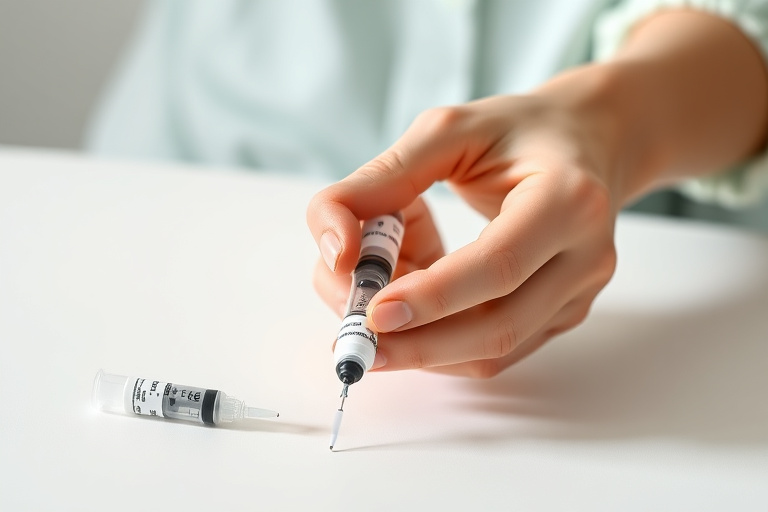
Its mechanisms of action include:
- Reducing appetite through central nervous system pathways
- Slowing gastric emptying to prolong satiety
- Enhancing glucose-dependent insulin secretion
- Reducing glucagon release
In the STEP clinical trial program, semaglutide 2.4 mg produced mean weight loss of 14.9% over 68 weeks in adults with obesity.
Clinical Evidence and Postpartum Use
No Direct Postpartum Trials
As of the current evidence base, no randomized controlled trials have specifically evaluated semaglutide in postpartum women. The STEP trials and other major semaglutide studies excluded pregnant women and women who were breastfeeding. This means the evidence for postpartum use is extrapolated from general adult obesity data rather than postpartum-specific research.
Check your GLP-1 eligibility
Use our free BMI Calculator to see if you may qualify for provider-reviewed GLP-1 therapy.
Try the BMI Calculator →General Efficacy Data Applied to Postpartum Context
While direct trial data is lacking, the underlying physiology of postpartum weight retention (excess adipose tissue, insulin resistance, appetite dysregulation) overlaps substantially with the conditions that semaglutide is proven to treat. Women with postpartum weight retention who meet standard BMI criteria for Wegovy (BMI 30 or above, or BMI 27 or above with a weight-related comorbidity) would be eligible for treatment once breastfeeding has ended and other safety criteria are met.
Timing Considerations
The American College of Obstetricians and Gynecologists (ACOG) recommends that women wait until at least 6 weeks postpartum before initiating any weight-loss medication, and longer if breastfeeding . Most clinicians advise completing breastfeeding entirely before starting semaglutide, given the lack of safety data in lactating women.
Breastfeeding Safety
This is the single most important safety consideration for postpartum semaglutide use. Semaglutide isn't recommended during breastfeeding.
The semaglutide prescribing information states that it isn't known whether semaglutide is excreted in human breast milk . Animal studies have shown that semaglutide is present in the milk of lactating rats. Because of the potential for serious adverse reactions in breastfed infants, the manufacturer advises that a decision should be made whether to discontinue breastfeeding or discontinue semaglutide.
In practice, most prescribers require that a woman has fully stopped breastfeeding before initiating semaglutide therapy. Women who are pumping and supplementing with formula should discuss their specific situation with their physician.
Safety Considerations Beyond Breastfeeding
Future Pregnancies
Semaglutide should be discontinued at least two months before a planned conception, based on its long half-life and the absence of safety data in pregnancy . Women who are considering another pregnancy should discuss family planning with their provider before starting semaglutide.
Nutritional Status
Postpartum women, especially those who recently breastfed, may have depleted nutrient stores (iron, folate, calcium, vitamin D). Semaglutide's appetite-suppressing effects can further reduce caloric and nutrient intake. Nutritional monitoring and supplementation may be necessary.
Mental Health
Postpartum depression and anxiety are common and can be influenced by hormonal changes, sleep deprivation, and body image concerns. While semaglutide hasn't been directly linked to worsening mood disorders, any medication that significantly changes eating patterns and body weight should be considered within the broader context of postpartum mental health.
Common Side Effects
Gastrointestinal side effects (nausea, vomiting, diarrhea, constipation) are the most frequently reported. These are most pronounced during dose escalation and generally improve over time.
Frequently Asked Questions
How soon after giving birth can I start semaglutide?
Most physicians recommend waiting until at least 6 weeks postpartum, and longer if breastfeeding. Semaglutide shouldn't be started until breastfeeding has fully ended. Your provider will assess your readiness based on your overall recovery and health status.
Is semaglutide safe while breastfeeding?
Semaglutide isn't recommended during breastfeeding. It's unknown whether the drug passes into human breast milk, and animal data shows it's present in the milk of lactating rats.
Will semaglutide affect my ability to get pregnant again?
Semaglutide itself isn't known to impair fertility, but it should be discontinued at least two months before a planned conception due to its long half-life and lack of pregnancy safety data. Improved metabolic health from weight loss may actually enhance fertility in some cases.
How much postpartum weight can semaglutide help me lose?
Based on general adult obesity data, semaglutide at the 2.4 mg dose produces average weight loss of 12% to 17% of body weight over 12 to 18 months. Individual results in the postpartum context will vary based on starting weight, metabolic factors, and lifestyle habits.
Can I take semaglutide if I had gestational diabetes?
Women with a history of gestational diabetes may be good candidates for semaglutide, as they're at improved risk for type 2 diabetes and may benefit from the medication's effects on insulin sensitivity and weight. A physician should evaluate whether GLP-1 therapy is appropriate based on current glucose levels and overall health.
Take the Next Step
If you're struggling with postpartum weight retention and have completed breastfeeding, semaglutide may be worth discussing with a physician. At FormBlends, our providers evaluate each patient individually to determine whether GLP-1 therapy is safe and appropriate for your situation.
Start your free consultation today to explore whether semaglutide could help you reach your postpartum weight goals.
See your options in about 2 minutes
Take the free quiz and see what fits you. Quick, private, and no commitment to continue.
See my options →