All GLP-1 medications from FDA-registered 503B pharmacies Browse Products

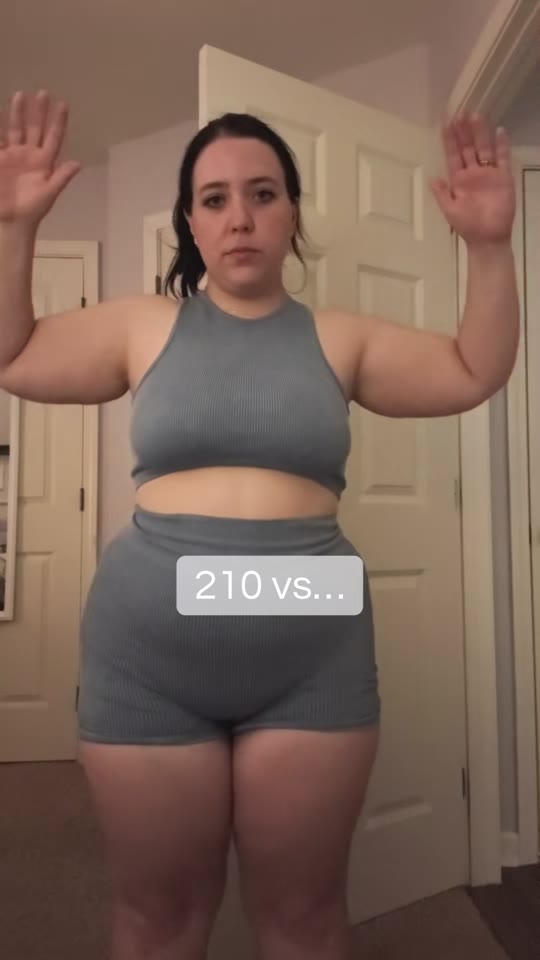
Zepbound before and after weight loss transformation showing clinical results and body composition changes from tirzepatide treatment
Zepbound delivers measurable weight loss results within weeks of starting treatment.

Zepbound before and after: results and timeline 2026

Zepbound before and after results from SURMOUNT trials, with a realistic month-by-month timeline, dose data, and side-effect context.

By FormBlends Medical Team|Reviewed by FormBlends Clinical Review||

Medically Reviewed

Written by FormBlends Medical Team · Reviewed by FormBlends Clinical Review

In This Article

This article is part of our GLP-1 Weight Loss collection. See also: Provider Comparisons | Peptide Guides

Written by FormBlends Medical Team Updated: April 2026

TL;DR

Patients on Zepbound (tirzepatide) lose an average of 15% to 21% of their body weight over 72 weeks, depending on dose. In the SURMOUNT-1 trial (n=2,539), the 15 mg dose produced 20.9% average weight loss. For someone starting at 250 pounds, that translates to roughly 52 pounds lost. Results also include measurable reductions in waist circumference, BMI, blood pressure, and metabolic markers. Zepbound is the most effective FDA-approved weight loss medication available in 2026. Individual results vary based on dose, diet, activity level, and starting weight.

What Results Can You Expect from Zepbound?

Zepbound (tirzepatide) produces weight loss results that were previously only achievable through bariatric surgery. In the SURMOUNT-1 clinical trial published in the New England Journal of Medicine[1], 57% of patients on the highest dose (15 mg) lost 20% or more of their body weight over 72 weeks. The placebo group lost just 3.1%.

But weight on the scale is only part of the picture. Patients in the SURMOUNT trials also experienced measurable improvements in waist circumference, BMI, blood pressure, triglycerides, and fasting insulin levels. For many patients, these metabolic changes carry more health significance than the number on the scale.

The timeline for visible results varies by individual, but most patients notice meaningful changes within the first 8 to 12 weeks. Early changes include reduced appetite and fewer cravings, followed by visible fat loss around the midsection, face, and upper arms. By month 6, most patients report that friends and coworkers are commenting on their appearance.

Zepbound works as a dual GIP and GLP-1 receptor agonist, meaning it activates two different hormone pathways involved in appetite, blood sugar regulation, and fat metabolism. This dual mechanism is the primary reason tirzepatide produces stronger weight loss than single-receptor medications like Wegovy.

Zepbound weight loss timeline chart showing SURMOUNT-1 trial results by dosage over 72 weeks
Zepbound weight loss timeline chart based on SURMOUNT-1 trial data

How Much Weight Do People Lose on Zepbound?

The SURMOUNT-1 trial enrolled 2,539 adults[1] with obesity or overweight (BMI of 30 or higher, or 27 or higher with a weight-related condition) who did not have type 2 diabetes. Results were tracked over 72 weeks. The results broke down like this at each dose level.

SURMOUNT-1 Results by Dose (5 mg, 10 mg, 15 mg)

SURMOUNT-1 Trial Results: Weight Loss by Zepbound Dose (72 Weeks)
DoseAvg. Body Weight LossAchieved 5%+ LossAchieved 10%+ LossAchieved 20%+ LossPlacebo Comparison
5 mg15.0%85%69%34%3.1% (placebo)
10 mg19.5%89%79%49%3.1% (placebo)
15 mg20.9%91%84%57%3.1% (placebo)

To put these numbers in real terms:

Zepbound Weight Loss in Pounds by Starting Weight and Dose
Starting Weight5 mg (15% loss)10 mg (19.5% loss)15 mg (20.9% loss)
200 lbs~30 lbs~39 lbs~42 lbs
225 lbs~34 lbs~44 lbs~47 lbs
250 lbs~37 lbs~49 lbs~52 lbs
275 lbs~41 lbs~54 lbs~57 lbs
300 lbs~45 lbs~59 lbs~63 lbs

Even the lowest therapeutic dose (5 mg) produced a 15% average reduction, which is clinically significant and enough to improve blood pressure, blood sugar, and joint pain for most patients. Many patients see strong results at 10 mg and never need to move to the highest dose.

Your provider will work with you to find the right dose. The titration schedule starts at 2.5 mg for the first 4 weeks, then increases by 2.5 mg every 4 weeks. Most patients reach their maintenance dose (usually 10 mg or 15 mg) by month 3 to 4. If a dose increase causes side effects that are hard to manage, your provider may hold at the current dose for an additional 4 weeks before trying again.

It is worth noting that the 5 mg dose alone produced results that exceed what older medications like Saxenda (liraglutide) achieve at maximum dose. If you respond well at 5 mg and your provider recommends staying there, that is still a strong clinical outcome.

Body Composition and Metabolic Changes Beyond the Scale

Weight loss alone does not tell the full story. The SURMOUNT trials measured several other health markers that improved significantly with tirzepatide treatment[1].

Body Composition and Metabolic Changes on Zepbound 15 mg (SURMOUNT-1, 72 Weeks)
MeasurementZepbound 15 mg ChangePlacebo ChangeClinical Significance
Body weight-20.9%-3.1%Exceeds bariatric surgery thresholds
Waist circumference-19.4 cm (~7.6 in)-3.4 cm (~1.3 in)Reduced visceral fat risk
BMI reduction-7.7 points-1.1 pointsMany patients move to a lower BMI category
Systolic blood pressure-7.2 mmHg-1.0 mmHgReduced cardiovascular risk
Fasting insulin-54.7%-11.3%Improved insulin sensitivity
Triglycerides-24.8%-5.7%Improved lipid profile

The waist circumference reduction is particularly notable. Visceral fat (fat stored around the organs in the midsection) is strongly linked to type 2 diabetes, heart disease, and metabolic syndrome. Losing nearly 8 inches off the waist represents a significant reduction in this high-risk fat depot.

If you are considering Zepbound and want to understand the financial side, see our guide on Zepbound cost without insurance.

GLP-1 Weight Loss Results by Medication Mean Body Weight Loss (%) 0 6 12 18 24 22 15 8 24 Tirzepatide Semaglutide Liraglutide Retatrutide Based on published STEP and SURMOUNT trial data
GLP-1 Weight Loss Results by Medication. Based on published STEP and SURMOUNT trial data.
View data table
Bar chart showing glp-1 weight loss results by medication: Tirzepatide (22), Semaglutide (15), Liraglutide (8), Retatrutide (24)
CategoryMean Body Weight Loss (%)Detail
Tirzepatide22~22% body weight at 72 wks
Semaglutide15~15% body weight at 68 wks
Liraglutide8~8% body weight at 56 wks
Retatrutide24~24% in Phase 2 trial

What Does the Zepbound Timeline Look Like Week by Week?

Understanding the typical Zepbound timeline helps set realistic expectations. The table below is based on SURMOUNT trial data and clinical observations from prescribing providers. Keep in mind that individual results vary based on starting weight, dose, diet, and activity level.

Check your GLP-1 eligibility

Use our free BMI Calculator to see if you may qualify for physician-supervised GLP-1 therapy.

Try the BMI Calculator →
Zepbound Results Timeline: Week by Week and Month by Month
TimepointWhat to ExpectTypical Weight LossCommon Changes
Week 1-4
(2.5 mg starting dose)
Appetite reduction begins within the first few days. Most patients feel full faster and think about food less often. This is the titration phase designed to let your body adjust.2 to 6 lbsReduced hunger, smaller portions, mild nausea in some patients, fewer cravings for sugary or high-calorie foods
Month 2-3
(5 mg to 10 mg)
First and second dose increases. Appetite suppression becomes more consistent and pronounced. GI side effects, if present, usually begin improving by week 8. Clothes start fitting differently.8 to 20 lbs totalVisible changes in face and jawline, belt notches tighter, improved energy, better sleep quality, reduced food noise
Month 4-6
(10 mg to 15 mg)
This is where the most dramatic visual changes occur. Most patients have reached or are approaching their maintenance dose. Weight loss rate is typically 1 to 2 lbs per week.20 to 40 lbs totalNoticeable midsection reduction, face and neck slimming visible to others, blood pressure and cholesterol improving, clothing size changes
Month 6-12Continued steady weight loss, though the pace gradually slows. Metabolic improvements continue to accumulate. Many patients report improved mobility, reduced joint pain, and better stamina.35 to 55+ lbs totalMajor transformation visible, improved lab values (A1C, lipids, liver enzymes), reduced or eliminated need for blood pressure or diabetes medications
12+ monthsMost patients are approaching their maximum weight loss. Focus shifts to weight maintenance, strength training to preserve muscle mass, and long-term lifestyle habits. Ongoing treatment is typically needed.40 to 60+ lbs totalNew stable weight, sustained metabolic improvements, potential dose adjustment for maintenance, long-term habit formation

The fastest weight loss typically occurs between months 2 and 6, once patients reach a therapeutic dose. After month 9 or 10, the rate of loss usually slows as the body approaches a new set point. This is normal and expected.

Every patient starts at 2.5 mg for the first 4 weeks. Your provider will increase the dose every 4 weeks based on tolerability until you reach an effective level. Some patients do well at 10 mg. Others need the full 15 mg to reach their goals.

What Do Before and After Experiences Show?

Clinical trial averages give you the big picture, but what do real-world Zepbound experiences actually look like? Based on patient reports and clinical observations, a few patterns show up consistently across different body types and starting weights.

Physical Changes Patients Report Most Often

  • Face and neck: One of the first areas where fat loss becomes visible. Many patients notice a more defined jawline and less fullness under the chin by month 2 to 3.
  • Midsection and waist: The SURMOUNT-1 trial measured an average waist circumference reduction of 19.4 cm (about 7.6 inches) on the 15 mg dose. This is where the biggest visual difference shows up in before-and-after comparisons.
  • Upper arms and back: Fat loss in these areas typically becomes noticeable around month 3 to 4. Patients often report that fitted shirts and jackets start fitting differently first.
  • Thighs and lower body: Lower body fat tends to reduce last, particularly in women. Noticeable changes in this area usually appear after month 4 to 6.

Non-Scale Victories That Patients Report

Weight on the scale is one measurement, but patients consistently report improvements that affect daily life more directly:

  • Reduced or eliminated sleep apnea symptoms
  • Ability to tie shoes, cross legs, or fit comfortably in airplane seats
  • Reduced knee and back pain from carrying less weight
  • Improved stamina when walking, climbing stairs, or exercising
  • Better blood work results (lower A1C, triglycerides, liver enzymes)
  • Reduced or eliminated blood pressure and diabetes medications
  • Improved confidence and willingness to participate in social activities

What Affects How Fast You See Results?

Not everyone loses weight at the same pace on Zepbound. Several factors influence how quickly results appear:

  • Starting weight: Patients with higher starting weights often lose more total pounds, though the percentage may be similar across groups.
  • Dose reached: The 15 mg dose produces stronger results on average than 5 mg or 10 mg. Your provider determines the right dose based on your response and tolerability.
  • Diet quality: Patients who focus on protein-rich meals and reduce ultra-processed foods typically see faster and more sustained results.
  • Physical activity: Exercise is not required for Zepbound to work, but patients who add walking or strength training tend to preserve more muscle mass and lose fat more efficiently.
  • Sleep and stress: Poor sleep and chronic stress can slow weight loss. Both affect cortisol levels, which influence fat storage and appetite.
  • Previous weight loss attempts: Patients who have been on multiple diets or other medications may respond differently, though the SURMOUNT trials did not show significant variation based on dieting history.

For information about managing common side effects during your treatment, see our guide on tirzepatide side effects.

Who Typically Gets the Best Zepbound Results?

While every patient responds differently, the SURMOUNT trial data and clinical experience point to a few patterns in who tends to see the strongest before-and-after transformations:

  • Patients with BMI over 35: Higher starting BMIs are associated with greater absolute weight loss in pounds. The percentage loss tends to be similar across BMI groups, but the visual difference is more dramatic when more total weight is lost.
  • Patients who reach 10 mg or 15 mg: The dose-response relationship in the SURMOUNT trials is clear. Patients who tolerate and maintain higher doses consistently lose more weight than those who stay at 5 mg.
  • Patients who combine medication with lifestyle changes: The SURMOUNT-3 trial showed a 26.6% average loss when tirzepatide was paired with a structured program, compared to 20.9% with medication and standard counseling.
  • Patients new to GLP-1 medications: While patients switching from other GLP-1s can still benefit, first-time users of this drug class tend to experience the most pronounced appetite reduction and initial weight loss.
  • Patients without type 2 diabetes: SURMOUNT-1 (no diabetes) showed 20.9% average loss at 15 mg, while SURMOUNT-2 (with diabetes) showed 14.7%. Diabetes affects metabolic response to weight loss medications, though 14.7% is still a strong result.

Zepbound and Loose Skin

With weight loss of 50 or more pounds, some patients develop loose or excess skin, particularly around the abdomen, upper arms, and thighs. This is more common in patients over 40, those with higher starting weights, and those who lose weight rapidly.

Factors that influence skin elasticity during weight loss include age, genetics, sun exposure history, smoking history, and how long the excess weight was carried. Younger patients and those who lose weight gradually tend to have better skin retraction.

Strength training can help by building muscle volume underneath the skin. Adequate protein intake and hydration also support skin health during rapid weight loss. Some patients ultimately pursue body contouring procedures, but most providers recommend waiting until weight has stabilized for at least 6 to 12 months before considering surgical options.

How Does Zepbound Compare to Other GLP-1s for Results?

Zepbound is not the only GLP-1 medication on the market, but it produces the strongest weight loss results among currently FDA-approved options. The table below shows how it compares to the most commonly prescribed alternatives based on published clinical trial data.

Zepbound vs Other GLP-1 Medications: Head-to-Head Comparison
MedicationActive IngredientMechanismAvg. Weight LossTrial DurationSource Trial
ZepboundTirzepatideDual GIP + GLP-120.9% (15 mg)72 weeksSURMOUNT-1[1]
WegovySemaglutideGLP-1 only14.9% (2.4 mg)68 weeksSTEP-1[5]
SaxendaLiraglutideGLP-1 only~8% (3.0 mg)56 weeksSCALE[6]

The key difference is mechanism. Zepbound activates both GIP and GLP-1 receptors, while Wegovy and Saxenda target only GLP-1. This dual action is believed to produce stronger appetite suppression and greater effects on fat metabolism, which explains the roughly 6 percentage point advantage over Wegovy.

No head-to-head trial between Zepbound and Wegovy has been published as of April 2026 (the SURMOUNT-5 trial comparing tirzepatide to semaglutide is ongoing). The comparison above uses results from separate trials with similar but not identical patient populations.

For a deeper comparison, see our full breakdown of Wegovy vs Zepbound.

Why Does Zepbound Work Better Than Single-Target GLP-1s?

Tirzepatide activates both the GIP (glucose-dependent insulinotropic polypeptide) and GLP-1 (glucagon-like peptide-1) receptors. GLP-1 receptor agonists like semaglutide reduce appetite by slowing gastric emptying and signaling fullness to the brain. The addition of GIP receptor activation appears to enhance fat metabolism and improve insulin sensitivity beyond what GLP-1 alone achieves.

In practical terms, patients on Zepbound often report that the appetite suppression feels more natural and sustained compared to their experience on single-target medications. The reduced hunger tends to be less about feeling nauseous and more about genuinely not thinking about food as often. This distinction matters for long-term adherence.

The dual mechanism may also explain why tirzepatide produces better metabolic improvements (blood pressure, triglycerides, insulin sensitivity) at similar levels of weight loss compared to semaglutide. The GIP pathway has direct effects on fat tissue and pancreatic function that go beyond appetite suppression alone.

Zepbound Clinical Trial Results: The SURMOUNT Program

The SURMOUNT program is the largest clinical trial series for tirzepatide in weight management. It includes four major completed trials, each studying a different patient population or treatment context.

SURMOUNT-1: Adults with Obesity (No Diabetes)

SURMOUNT-1 enrolled 2,539 adults[1] with obesity or overweight who did not have type 2 diabetes. Over 72 weeks, the 15 mg dose produced an average weight loss of 20.9%, compared to 3.1% with placebo. This was the landmark trial that led to Zepbound's FDA approval in November 2023.

The most striking finding: 57% of patients on the highest dose lost 20% or more of their body weight. That level of weight loss rivals gastric sleeve surgery outcomes.

The weight loss curve in SURMOUNT-1 had not fully plateaued at 72 weeks for many patients, suggesting that longer treatment may produce even greater results. The average participant in SURMOUNT-1 had a BMI of 38 and weighed approximately 231 pounds at enrollment.

SURMOUNT-2[2]: Adults with Type 2 Diabetes and Obesity

SURMOUNT-2 focused on patients who had both type 2 diabetes and obesity, a population that historically responds less dramatically to weight loss medications. Even in this harder-to-treat group, the 15 mg dose produced 14.7% average weight loss at 72 weeks.

Patients also saw significant improvements in blood sugar control, with many reducing or eliminating diabetes medications. A1C levels dropped substantially across all dose groups.

SURMOUNT-2 is particularly relevant for patients whose providers are deciding between Zepbound (weight management indication) and Mounjaro (diabetes indication). Both contain tirzepatide, but insurance coverage may differ based on which condition is being treated.

SURMOUNT-3[3]: Combined with Intensive Lifestyle Intervention

SURMOUNT-3 tested tirzepatide alongside a structured diet and exercise program. The combination produced a total average weight loss of 26.6%. This trial demonstrates that medication plus lifestyle changes produces substantially better results than either approach alone.

If you want to maximize your results, this trial data supports combining Zepbound with a structured nutrition and exercise plan rather than relying on the medication alone.

SURMOUNT-4[4]: What Happens When You Stop?

SURMOUNT-4 answered a critical question: what happens if you stop taking Zepbound after losing weight? Patients who continued treatment maintained their weight loss. Those who switched to placebo regained an average of 14% of their body weight over the following months.

This trial confirms that obesity is a chronic condition requiring ongoing treatment. Stopping medication without a maintenance plan often leads to significant weight regain. Your provider can help you plan for long-term management.

What Side Effects Should You Expect and When?

Side effects are most common during the first 8 to 12 weeks and during dose increases, according to safety data from the SURMOUNT-1 trial[1]. Most GI symptoms improve as your body adjusts to the medication. Knowing what to expect and when helps you prepare and stick with treatment.

Zepbound Side Effects: Frequency and Timeline (SURMOUNT-1 Data)
Side EffectFrequency at 15 mgWhen It Typically AppearsWhen It Usually Resolves
Nausea~29%Within first 1 to 2 weeks of each dose increaseUsually improves within 2 to 4 weeks
Diarrhea~23%First 2 to 4 weeks at new doseTypically resolves within 2 to 3 weeks
Constipation~11%Ongoing, can appear at any pointManageable with fiber and hydration
Decreased appetite~10%Week 1 (this is the intended effect)Persists while on medication
Vomiting~9%During first dose increaseUsually resolves within 1 to 2 weeks
Injection site reaction~7%Any injectionResolves within 1 to 2 days

Most side effects are mild to moderate and temporary. Eating smaller meals, staying hydrated, and avoiding greasy foods can help manage nausea. Your provider may slow the titration schedule if side effects are significant.

Serious side effects are rare but include pancreatitis and gallbladder problems. Contact your provider immediately if you experience severe abdominal pain that does not go away. For detailed side effect management strategies, see our guide on tirzepatide side effects.

Tips to Maximize Your Zepbound Results

The SURMOUNT-3 trial showed that patients who combined tirzepatide with an intensive lifestyle program lost 26.6% of their body weight, roughly 6 percentage points more than medication alone. These are the habits that clinical data and provider experience suggest move the needle most.

Protein First

Zepbound significantly reduces appetite, which means you eat less overall. Making sure enough of what you eat is protein helps preserve muscle mass during weight loss. Aim for 0.7 to 1.0 grams of protein per pound of ideal body weight daily. Prioritize lean meats, fish, eggs, Greek yogurt, and legumes.

Strength Training

Weight loss from any method (medication, surgery, or diet) includes some muscle loss. Resistance training 2 to 3 times per week helps preserve lean mass, which supports metabolism and long-term weight maintenance. Even bodyweight exercises like squats, push-ups, and lunges make a measurable difference.

Stay Hydrated

Dehydration worsens GI side effects like nausea and constipation. Aim for at least 64 ounces of water daily. Many providers recommend increasing intake during the first few weeks of treatment and after each dose increase.

Consistent Injection Schedule

Take Zepbound on the same day each week. Consistency helps maintain stable medication levels and may reduce side effect intensity. If you miss a dose, take it within 4 days. If more than 4 days have passed, skip that dose and take the next one on your regular day.

Track Progress Beyond the Scale

The scale is one data point, but measurements, progress photos, clothing fit, energy levels, and lab work tell a more complete story. Patients who track multiple metrics tend to stay motivated even during weeks when the scale does not move.

Manage Expectations During Plateaus

Weight loss is not linear. Most patients experience at least one plateau lasting 2 to 4 weeks, even while doing everything right. Plateaus are a normal part of the process and do not mean the medication has stopped working. During a plateau, your body is often still losing fat and gaining or redistributing water weight. Waist measurements and clothing fit often continue to improve even when the scale stalls. If a plateau lasts longer than 6 weeks, talk to your provider about whether a dose adjustment makes sense.

Track Your Zepbound Progress

Use our free weight loss timeline tool to estimate your results by week and dose.

Try the Weight Loss Timeline Tool

Frequently Asked Questions

How much weight can you lose on Zepbound in 3 months?

Most patients lose between 7% and 12% of their starting body weight within the first 3 months. For a 250-pound patient, that is roughly 18 to 30 pounds. Results depend on your dose, adherence, diet, and activity level. Patients who are still titrating up through 2.5 mg and 5 mg during this period will typically be on the lower end of this range.

What is the average weight loss on Zepbound at 15 mg?

The average weight loss on the 15 mg dose was 20.9% of body weight over 72 weeks in the SURMOUNT-1 trial[1]. For a 260-pound patient, that is approximately 54 pounds. Among patients on this dose, 84% lost 10% or more and 57% lost 20% or more of their body weight.

How does Zepbound compare to Wegovy for weight loss?

Clinical trial data shows Zepbound produces greater average weight loss than Wegovy: approximately 20.9% versus 14.9% at their highest respective doses over similar trial durations. Zepbound targets both GLP-1 and GIP receptors, while Wegovy targets only GLP-1. No direct head-to-head trial has been published yet, so this comparison is based on results from separate studies. For a detailed comparison, see Wegovy vs Zepbound.

What is the difference between Zepbound and Mounjaro?

Both contain the same active ingredient (tirzepatide) at the same dose levels. Zepbound is FDA-approved for chronic weight management in adults with obesity or overweight. Mounjaro is approved for type 2 diabetes. The medication itself is identical; the difference is the approved indication and labeling.

Does Zepbound really work?

Yes. In the SURMOUNT-1 trial, 91% of patients on the 15 mg dose lost at least 5% of their body weight, and 57% lost 20% or more. These are among the strongest weight loss results recorded for any medication. The trial included over 2,500 participants and was published in the New England Journal of Medicine.

What happens if I stop taking Zepbound?

The SURMOUNT-4 trial[4] showed that patients who stopped tirzepatide regained an average of 14% of their body weight over the following months. Patients who continued treatment maintained their weight loss. Most obesity medicine specialists recommend ongoing treatment or a structured maintenance plan to prevent regain.

When will I start seeing results on Zepbound?

Most patients notice appetite changes within the first week. Visible weight loss typically becomes noticeable to the patient by week 4 to 6, and noticeable to others by month 2 to 3. The most dramatic visual changes tend to occur between months 4 and 9, when cumulative weight loss becomes obvious in before-and-after comparisons.

Can I take Zepbound if I have type 2 diabetes?

Zepbound is FDA-approved specifically for weight management, not diabetes. However, the SURMOUNT-2 trial studied tirzepatide in patients with both obesity and type 2 diabetes and found 14.7% average weight loss at the 15 mg dose. If you have type 2 diabetes and want to use tirzepatide for weight loss, your provider may prescribe Mounjaro (same active ingredient, approved for diabetes) or Zepbound depending on your insurance coverage and clinical situation. See Zepbound cost without insurance for pricing details.

Will I gain the weight back if I stop Zepbound?

The SURMOUNT-4 trial directly studied this question. Patients who switched from tirzepatide to placebo regained an average of 14% of their body weight over the following year. Patients who continued treatment maintained their results. This pattern is consistent across all GLP-1 medications and reflects the fact that obesity is a chronic condition. Most providers recommend planning for long-term use or working with your care team to develop a structured maintenance strategy before discontinuing treatment.

Medical disclaimer: The clinical trial data cited in this article represents population averages. Individual results will vary based on starting weight, dose, adherence, diet, activity level, genetics, and other health conditions. Zepbound is a prescription medication and should only be used under the supervision of a qualified healthcare provider. This content is for informational purposes only and does not constitute medical advice.

Medical References

  1. Jastreboff AM, Aronne LJ, Ahmad NN, et al. Tirzepatide Once Weekly for the Treatment of Obesity. N Engl J Med. 2022;387(3):205-216. [PubMed | ClinicalTrials.gov | DOI]
  2. Garvey WT, Frias JP, Jastreboff AM, et al. Tirzepatide once weekly for the treatment of obesity in people with type 2 diabetes (SURMOUNT-2). Lancet. 2023;402(10402):613-626. [PubMed | ClinicalTrials.gov | DOI]
  3. Wadden TA, Chao AM, Engel S, et al. Tirzepatide with intensive lifestyle intervention in adults with overweight or obesity (SURMOUNT-3). Nat Med. 2024. [PubMed | ClinicalTrials.gov | DOI]
  4. Aronne LJ, Sattar N, Horn DB, et al. Continued Treatment With Tirzepatide for Maintenance of Weight Reduction in Adults With Obesity (SURMOUNT-4). JAMA. 2024;331(1):38-48. [PubMed | ClinicalTrials.gov | DOI]
  5. Wilding JPH, Batterham RL, Calanna S, et al. Once-Weekly Semaglutide in Adults with Overweight or Obesity. N Engl J Med. 2021;384(11):989-1002. [PubMed | DOI]
  6. Pi-Sunyer X, Astrup A, Fujioka K, et al. A Randomized, Controlled Trial of 3.0 mg of Liraglutide in Weight Management. N Engl J Med. 2015;373(1):11-22. [PubMed | DOI]

Ready to try tirzepatide? Start your free assessment

Get a free medical consultation with a licensed provider. Compounded GLP-1 medications starting at $299/month with free shipping.

Start Free Assessment → Browse clinics →

Medical Disclaimer: This content is for informational purposes only and does not constitute medical advice. Always consult a qualified healthcare provider before starting, stopping, or changing any medication or treatment. FormBlends articles are reviewed by licensed physicians but are not a substitute for a personal medical consultation.

Written by FormBlends Medical Team

Board-certified endocrinologist specializing in metabolic medicine and GLP-1 therapeutics. Reviewed by FormBlends Clinical Review, clinical pharmacologist with expertise in compounded medications and peptide therapy.

Ready to get started?

Physician-supervised GLP-1 and peptide therapy, delivered to your door.

Start Your Consultation

Ready to Start Your Weight Loss Journey?

Get a free medical consultation with a licensed provider. Compounded GLP-1 medications starting at $299/month with free shipping.

Related Articles

Free Tools

Physician-designed calculators to support your weight loss journey.