Obstructive sleep apnea and obesity are tightly linked, so it is no surprise that GLP-class weight-loss medications have entered the sleep-apnea conversation. As of late 2024, one of them carries an actual FDA approval for sleep apnea. Here is what is proven, what is not, and what it means for you.
Quick answer: Tirzepatide, sold as Zepbound, was FDA-approved in late 2024 for moderate-to-severe obstructive sleep apnea (OSA) in adults with obesity, the first drug approved for OSA. In the SURMOUNT-OSA trials it reduced the apnea-hypopnea index, the measure of breathing interruptions during sleep, largely by driving weight loss that eases airway obstruction. Semaglutide is not specifically approved for OSA, but weight loss from GLP-1 medications can improve sleep apnea generally. Effects on insomnia are not well established.
Does a GLP-1 help sleep apnea?
Yes, by treating a root cause. Obstructive sleep apnea happens when soft tissue in the throat relaxes and blocks the airway during sleep, and excess weight around the neck and abdomen worsens it. Weight loss reduces that obstruction. Tirzepatide, the most studied GLP-class drug here, produced meaningful reductions in apnea events in the SURMOUNT-OSA trials, which led to its FDA approval for moderate-to-severe OSA in adults with obesity. The mechanism is indirect, the drug drives weight loss, and the weight loss improves the apnea.
Tirzepatide (Zepbound) for sleep apnea: the approval
Zepbound's late-2024 approval for OSA was a first, no medication had previously been approved to treat obstructive sleep apnea. In the SURMOUNT-OSA trials, participants saw their apnea-hypopnea index (the number of breathing interruptions per hour of sleep) drop significantly, and up to half of adults taking tirzepatide no longer had symptoms associated with OSA after one year. This does not necessarily replace CPAP for everyone, but it gives clinicians a medication option, especially for patients with obesity-related OSA who also want to lose weight.
What about Ozempic and semaglutide for sleep apnea?
Semaglutide (Ozempic, Wegovy) is not FDA-approved specifically for obstructive sleep apnea. That said, because OSA severity tracks with weight, the weight loss semaglutide produces can improve sleep apnea for many people. The difference is regulatory and evidentiary: tirzepatide has a dedicated OSA trial program and approval; semaglutide's benefit for OSA is inferred from its weight-loss effect rather than from an OSA-specific approval.
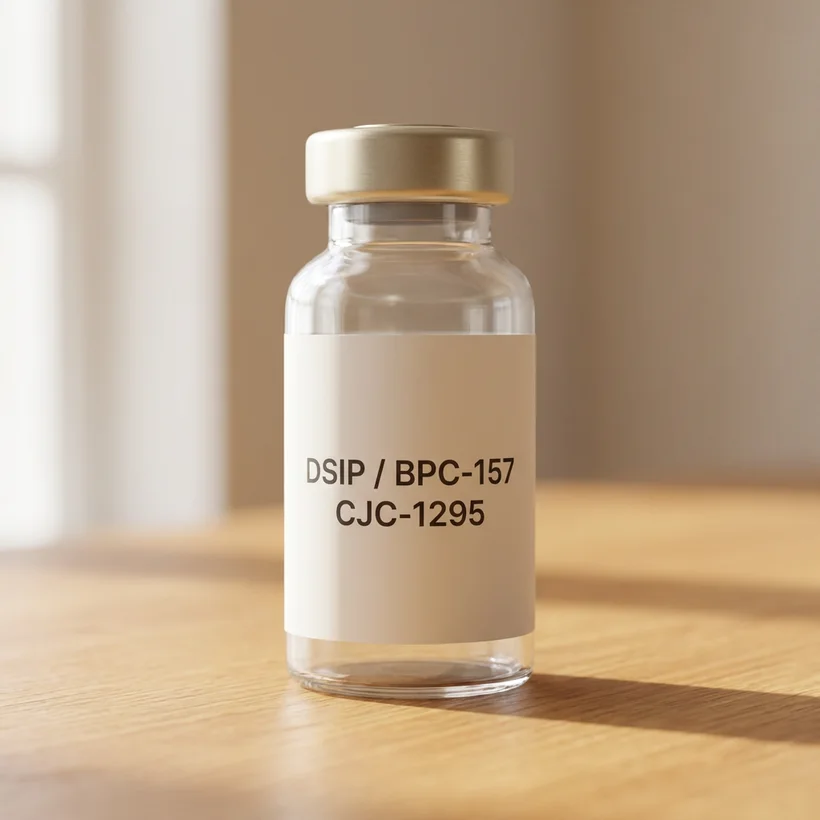
From the FormBlends catalog
Sleep + Recovery Stack
Sleep and repair support with DSIP, BPC-157, and CJC · From $299/mo · compounded by a licensed 503A pharmacy, dispensed only after provider review.
View Sleep + Recovery Stack →GLP-1 medications and sleep apnea at a glance
| Medication | OSA status | How it helps |
|---|---|---|
| Tirzepatide (Zepbound) | FDA-approved for moderate-to-severe OSA with obesity (2024) | Weight loss reduces airway obstruction; lowers AHI |
| Semaglutide (Wegovy/Ozempic) | Not OSA-approved | Weight loss can improve OSA generally |
| Other GLP-1s | Not OSA-approved | Weight loss may help indirectly |
GLP-1 and insomnia: what is known
Some users ask whether GLP-class drugs cause insomnia or affect sleep beyond apnea. The evidence is thin. Sleep changes are reported anecdotally, but disturbed sleep is not an established class effect, and factors like rapid weight change, meal timing, and gastrointestinal side effects can all influence sleep independently. If you notice new sleep problems after starting a GLP-1, mention it to your clinician rather than assuming the drug is the cause.
Should you consider a GLP-1 for sleep apnea?
If you have obesity and moderate-to-severe OSA, tirzepatide is now an evidence-backed option worth discussing with your clinician, potentially alongside, not necessarily instead of, standard treatments like CPAP. The decision depends on your apnea severity, weight, and overall health. To compare supervised tirzepatide and semaglutide programs on clinical oversight and cost, FormBlends' provider comparison tool and our compounded semaglutide page can help you weigh options.
FAQs
Is any GLP-1 approved for sleep apnea?
Yes. Tirzepatide (Zepbound) was FDA-approved in late 2024 for moderate-to-severe obstructive sleep apnea in adults with obesity.
Does Ozempic help sleep apnea?
Ozempic (semaglutide) is not specifically approved for OSA, but its weight loss can improve sleep apnea for many people.
How does tirzepatide treat sleep apnea?
By driving weight loss that reduces airway obstruction, lowering the number of breathing interruptions during sleep.
Does a GLP-1 replace CPAP?
Not necessarily. It is an additional option; your clinician decides whether to combine or adjust treatments.
Can GLP-1 medications cause insomnia?
Sleep disturbances are reported anecdotally but are not an established class effect. Tell your clinician if sleep worsens.
What is the apnea-hypopnea index?
The AHI counts breathing interruptions per hour of sleep; lower is better, and tirzepatide reduced it in trials.
Do I need obesity to qualify for tirzepatide for OSA?
The OSA approval is for adults with obesity and moderate-to-severe OSA. Your clinician assesses eligibility.
Will losing weight on any GLP-1 help my sleep apnea?
Often yes, because OSA severity tracks with weight, but only tirzepatide has a dedicated OSA approval.
Related guides
- GLP-1 Medications for Weight Loss: Who Qualifies and Complete Options Guide
- The Complete Guide to GLP-1 Medications for Weight Loss [2026]
- GLP-1 and Inflammation: Autoimmune & Anti-Inflammatory Benefits Beyond Weight Loss
- Semaglutide for Weight Loss: The Definitive Guide [2026]
- Switching GLP-1 Medications: Complete Dose Conversion & Transition Guide
- Semaglutide and Alcohol: Can You Drink on GLP-1 Medications?
Sources
- FDA, Zepbound approval for obstructive sleep apnea (2024): https://www.fda.gov/news-events/press-announcements
- Eli Lilly, SURMOUNT-OSA trial results: https://investor.lilly.com/news-releases
- American Academy of Sleep Medicine, OSA overview: https://aasm.org/
Ready when you are
Sleep + Recovery Stack
Sleep and repair support with DSIP, BPC-157, and CJC · From $299/mo · compounded by a licensed 503A pharmacy, dispensed only after provider review.
View Sleep + Recovery Stack →