Key Takeaway
Safety profile of combining CJC-1295 with GLP-1 receptor agonists. Learn about potential interactions, side effects, contraindications, and monitoring requirements.
CJC-1295 and GLP-1 receptor agonists have no known direct pharmacological interaction, as they bind to entirely different receptor systems and are metabolized through separate pathways. But their indirect metabolic effects, particularly opposing actions on blood glucose, require monitoring and medical supervision. This article covers every safety consideration practitioners and patients should be aware of when using these compounds together.
Direct Interaction Risk: Low
CJC-1295 acts on GHRH receptors in the anterior pituitary gland. GLP-1 receptor agonists act on incretin receptors primarily in the pancreas, gut, and brain. These are completely separate receptor systems with no overlap in binding sites or downstream signaling cascades.
From a pharmacokinetic standpoint:
- CJC-1295 is a peptide cleared through proteolytic degradation.
- GLP-1 agonists (semaglutide, liraglutide, tirzepatide) are cleared through general protein catabolism, not hepatic CYP450 enzymes.
- Neither compound inhibits or induces the metabolism of the other.
This pharmacokinetic independence means there's no drug-drug interaction in the traditional sense, meaning one compound doesn't alter the blood levels or clearance of the other. drug interactions
Indirect Interactions: Where Caution Is Needed
Blood Glucose Regulation
This is the most clinically relevant indirect interaction. The two compound classes exert opposing effects on glucose metabolism:

- GLP-1 agonists lower blood glucose by enhancing insulin secretion (glucose-dependent), suppressing glucagon, and slowing gastric emptying.
- Growth hormone (improved by CJC-1295) is insulin-antagonistic. It reduces peripheral glucose uptake and promotes hepatic gluconeogenesis, which can raise fasting glucose.
In most patients, the glucose-lowering effect of GLP-1 agonists is substantially stronger than the glucose-raising effect of CJC-1295-induced GH. But in certain populations this balance can shift:
- Pre-diabetic patients: Already impaired insulin signaling may be further stressed by GH elevation.
- Type 2 diabetics: Dosing adjustments of diabetes medications may be needed.
- Patients on insulin: Risk of unpredictable glucose swings increases.
Insulin Sensitivity
Closely related to glucose effects, insulin sensitivity is influenced by both compounds. GLP-1 agonists tend to improve insulin sensitivity over time, partly through weight loss and partly through direct signaling effects. Growth hormone can temporarily reduce insulin sensitivity, particularly at higher levels.
Monitoring fasting insulin alongside fasting glucose provides a clearer picture of how this interaction plays out in each individual patient.
Fluid Retention
CJC-1295 and the resulting GH elevation can cause fluid retention, manifesting as:
- Mild edema in hands and feet
- Joint stiffness
- Increased blood pressure in sensitive individuals
GLP-1 agonists don't typically cause fluid retention, but they can cause gastrointestinal fluid shifts through altered gastric motility. Patients should monitor for excessive fluid retention and report any sudden weight gain or swelling. water retention management
Gastrointestinal Effects
GLP-1 agonists commonly cause nausea, vomiting, diarrhea, or constipation, particularly during dose titration. CJC-1295 doesn't typically cause significant GI symptoms, but the slowed gastric emptying from GLP-1 therapy affects how CJC-1295 should be timed (requiring longer fasting windows before injection).
There's no evidence that CJC-1295 worsens GLP-1-related GI side effects.
Side Effect Profiles: Individual and Combined
CJC-1295 Side Effects
- Water retention and bloating
- Tingling or numbness in extremities (carpal tunnel-like symptoms)
- Increased appetite
- Headache
- Flushing at injection site
- Fatigue or drowsiness (particularly with evening dosing)
GLP-1 Agonist Side Effects
- Nausea (most common)
- Vomiting
- Diarrhea or constipation
- Abdominal pain
- Injection site reactions
- Decreased appetite (therapeutic effect but can become excessive)
- Rare: pancreatitis, gallbladder disease
Combined Side Effect Considerations
When used together, patients should be aware of:
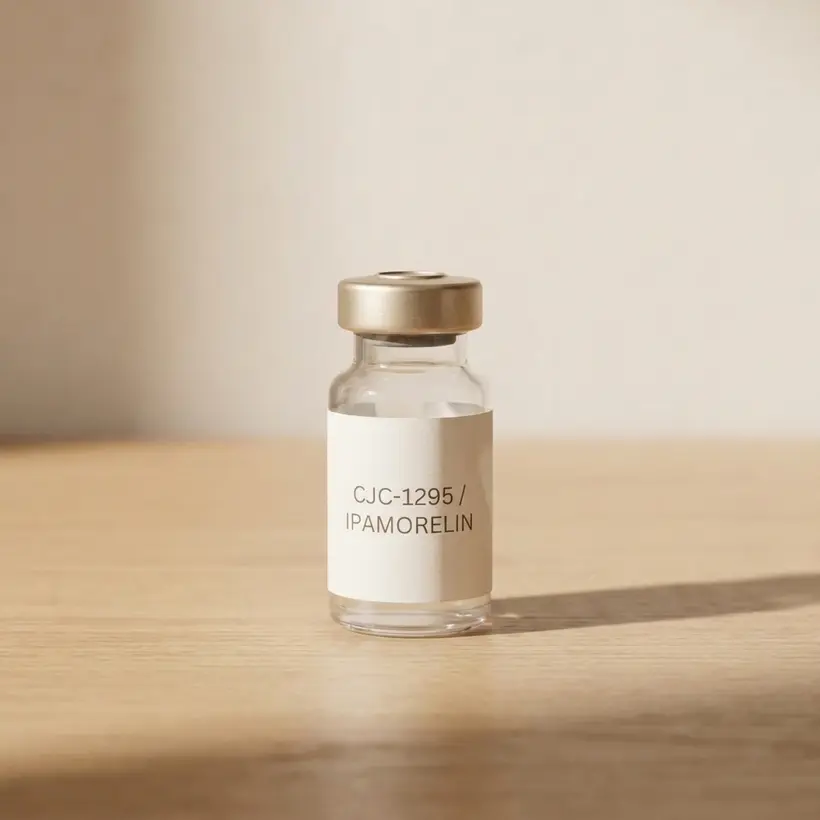
From the FormBlends catalog
CJC-1295 / Ipamorelin Blend
The gold standard growth hormone secretagogue stack · From $69/mo · compounded by a licensed 503A pharmacy, dispensed only after provider review.
Learn about CJC-1295 / Ipamorelin Blend →- Opposing appetite effects: GLP-1 suppresses appetite while CJC-1295 may increase it. This can be beneficial (moderating extreme appetite loss) or confusing to patients who experience fluctuating hunger.
- Additive injection burden: Both are injectable, which increases the total number of injections per week and requires proper rotation of injection sites.
- Monitoring complexity: More lab tests are needed to track both the GH/IGF-1 axis and metabolic markers.
Contraindications for the Combination
The following conditions represent contraindications or strong cautions for combining CJC-1295 with GLP-1 agonists:
- Active malignancy: improved IGF-1 from CJC-1295 may promote tumor growth. This is an absolute contraindication.
- History of medullary thyroid carcinoma or MEN2: GLP-1 agonists carry a boxed warning regarding thyroid C-cell tumors based on animal studies.
- Severe gastroparesis: GLP-1 agonists slow gastric emptying further, which can be dangerous in patients with existing gastric motility disorders.
- Uncontrolled type 1 diabetes: The opposing glucose effects make blood sugar management exceedingly difficult.
- Pregnancy and breastfeeding: Neither compound is approved for use during pregnancy.
- Active pituitary disorders: CJC-1295 stimulates the pituitary and shouldn't be used in patients with pituitary tumors or other pituitary pathology.
Required Monitoring Protocol
Safe use of this combination requires regular monitoring: peptide therapy monitoring
Baseline Labs (Before Starting)
- IGF-1
- Fasting glucose and insulin
- HbA1c
- thorough metabolic panel (CMP)
- Lipid panel
- Thyroid panel (TSH, free T3, free T4)
- Complete blood count (CBC)
Follow-Up Labs (Every 8 to 12 Weeks)
- IGF-1 (to confirm GH axis response and avoid excessive elevation)
- Fasting glucose and insulin
- HbA1c
- CMP (kidney and liver function)
- Lipid panel
Ongoing Clinical Monitoring
- Blood pressure (at least monthly)
- Body composition (DEXA scan every 3 to 6 months if available)
- Symptom tracking for GI issues, fluid retention, and joint pain
- Sleep quality assessment
Drug Interactions with Other Medications
When adding CJC-1295 to a GLP-1 agonist, consider interactions with other medications the patient may be taking:
- Insulin and sulfonylureas: GLP-1 agonists already increase hypoglycemia risk with these drugs. Adding CJC-1295 introduces glucose-raising effects, making blood sugar less predictable.
- Oral medications with narrow absorption windows: GLP-1 agonists slow gastric emptying, which can alter absorption timing of oral drugs. CJC-1295 doesn't add to this effect, but patients should be aware of altered oral drug absorption.
- Corticosteroids: Both GH and corticosteroids raise blood glucose. Combined use requires careful glucose monitoring.
Signs to Stop and Seek Medical Attention
Patients should discontinue use and contact their physician if they experience:
- Severe or persistent abdominal pain (possible pancreatitis)
- Significant joint swelling or carpal tunnel symptoms
- Persistent fasting blood glucose above normal ranges
- Visual changes or severe headaches (possible pituitary-related issues)
- Signs of allergic reaction at injection sites
- Rapid unexplained weight gain from fluid retention
Safety Summary
The combination of CJC-1295 and GLP-1 agonists carries a favorable safety profile when properly supervised, with no known direct pharmacological interaction. The primary safety concern is the indirect opposing effect on glucose metabolism, which requires regular monitoring. Proper patient selection, baseline and follow-up lab work, and ongoing symptom tracking make this combination manageable in a clinical setting. peptide safety
Frequently Asked Questions
- Can CJC-1295 cancel out the blood sugar benefits of my GLP-1 medication?
-
It's unlikely to cancel out the benefits entirely. GLP-1 agonists produce strong glucose-lowering effects that typically outweigh the mild glucose-raising properties of CJC-1295-induced growth hormone. But the effect should be monitored through regular fasting glucose and HbA1c testing to ensure your metabolic markers stay within target ranges.
- Is there a risk of pancreatitis from combining these compounds?
-
Pancreatitis is a rare but documented risk associated with GLP-1 receptor agonists. CJC-1295 hasn't been independently linked to pancreatitis. There's no evidence that CJC-1295 increases the pancreatitis risk beyond what the GLP-1 agonist alone carries. Regardless, any persistent severe abdominal pain should be evaluated immediately.
- How often should I get bloodwork while on this combination?
-
Baseline labs should be drawn before starting the combination. Follow-up labs are recommended every 8 to 12 weeks, focusing on IGF-1, fasting glucose, fasting insulin, HbA1c, and a thorough metabolic panel. Your physician may adjust this frequency based on your individual response and health history.
- Can I take CJC-1295 if I have type 2 diabetes and am already on a GLP-1 agonist?
-
It's possible but requires close physician supervision. Growth hormone has insulin-antagonistic properties, which means it can complicate blood sugar management in diabetic patients. Your physician will need to monitor glucose levels more frequently and potentially adjust diabetes medication dosing. This decision should be made on a case-by-case basis. diabetes and peptide therapy
- Are there any long-term safety concerns with this combination?
-
Long-term data on this specific combination doesn't exist. Individual long-term considerations include monitoring IGF-1 levels to avoid chronically improved values (which have been associated with certain cancer risks) and tracking metabolic markers over time. Periodic reassessment of the need for continued CJC-1295 use is recommended.
Ready when you are
CJC-1295 / Ipamorelin Blend
The gold standard growth hormone secretagogue stack · From $69/mo · compounded by a licensed 503A pharmacy, dispensed only after provider review.
Learn about CJC-1295 / Ipamorelin Blend →