Key Takeaway
Is it safe to combine sermorelin and semaglutide? Review the interaction safety profile, potential side effects, and monitoring requirements for this combination.
Sermorelin and semaglutide have no known direct pharmacological interaction. These medications operate through entirely separate receptor systems, making their combined use generally safe under physician supervision. Sermorelin targets GHRH receptors on the pituitary gland, while semaglutide activates GLP-1 receptors in the pancreas, gut, and central nervous system. No published evidence indicates a harmful drug-drug interaction between these two therapies.
Why Interaction Safety Matters
Any time you take more than one medication, understanding how they interact is critical. Drug interactions can occur in several ways: one medication may change how the other is absorbed, metabolized, or eliminated. Two drugs may compete for the same receptors or enzymes. Or their combined effects may amplify side effects beyond what either causes alone.
The good news with sermorelin and semaglutide is that these common interaction pathways don't apply. These medications have distinct pharmacological profiles with no overlapping mechanisms that would create concern.
Pharmacological Profile: Sermorelin
Sermorelin is a synthetic analog of growth hormone-releasing hormone. Here is what we know about its pharmacological behavior: For a complete cost breakdown, see our compare GLP-1 providers.
View data table
| Category | Clinical Interest Score | Detail |
|---|---|---|
| BPC-157 | 88 | Tissue repair and gut healing |
| TB-500 | 82 | Injury recovery |
| Sermorelin | 78 | Growth hormone support |
| Ipamorelin | 75 | Anti-aging and recovery |
| GHK-Cu | 70 | Skin and tissue repair |

- Mechanism: Binds to GHRH receptors on anterior pituitary somatotroph cells, stimulating growth hormone synthesis and release
- Administration: Subcutaneous injection, typically at bedtime
- Half-life: Approximately 10 to 20 minutes. its effects are mediated through downstream GH release, which has a longer duration
- Metabolism: Rapidly degraded by peptidases in the blood. doesn't undergo hepatic CYP450 metabolism
- Receptor specificity: Highly specific to GHRH receptors. doesn't bind to GLP-1, insulin, or other metabolic hormone receptors
The rapid degradation and narrow receptor specificity of sermorelin mean it has very limited potential to interact with other medications in general, not just semaglutide.
Pharmacological Profile: Semaglutide
Semaglutide is a long-acting GLP-1 receptor agonist with a well-characterized safety profile. Its pharmacology includes:
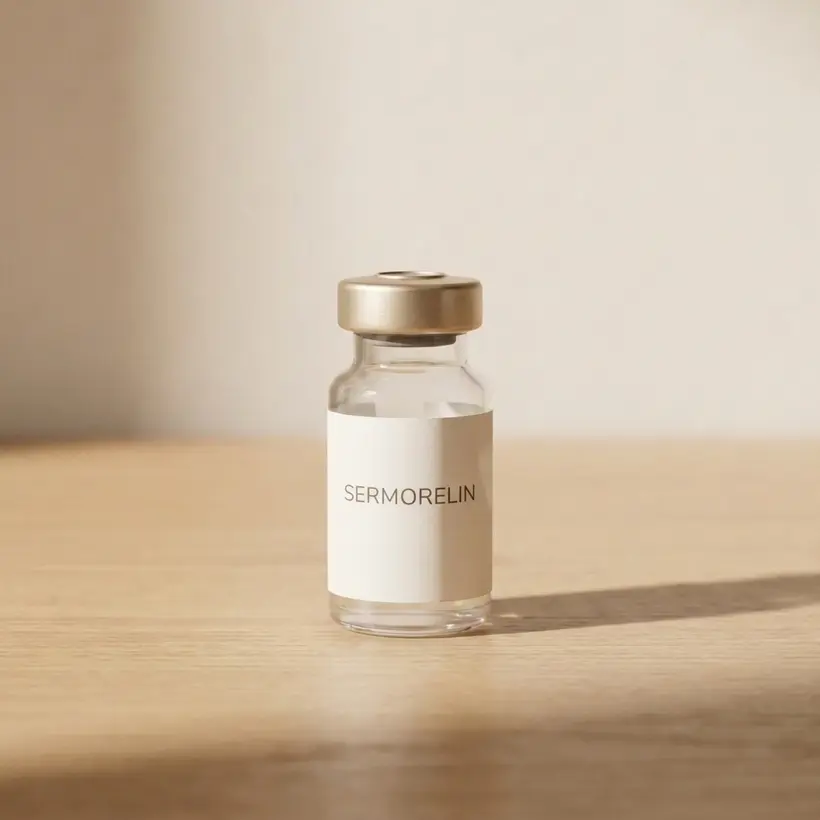
From the FormBlends catalog
Sermorelin
Bioidentical GHRH analog for natural growth hormone pulsatility · From $175/mo · compounded by a licensed 503A pharmacy, dispensed only after provider review.
View Sermorelin →- Mechanism: Activates GLP-1 receptors to increase insulin secretion, suppress glucagon, reduce appetite, and slow gastric emptying
- Administration: Subcutaneous injection once weekly (or daily oral formulation)
- Half-life: Approximately 7 days, allowing weekly dosing
- Metabolism: Broken down by general proteolysis. not dependent on CYP450 enzymes
- Receptor specificity: Selective for GLP-1 receptors. doesn't interact with GHRH receptors or growth hormone pathways
Neither sermorelin nor semaglutide is metabolized through the cytochrome P450 enzyme system, which is where the majority of drug-drug interactions occur. This further reduces any theoretical interaction risk.
Evaluating Interaction Risk: A Systematic Look
We can assess interaction safety across several dimensions:
| Interaction Type | Risk Level | Explanation |
|---|---|---|
| Receptor competition | None | Different receptor targets (GHRH vs. GLP-1) |
| Metabolic interference | None | Neither uses CYP450. both degraded by general proteolysis |
| Absorption conflict | None | Both are injectable. no gastrointestinal absorption competition |
| Additive side effects | Low | Different side effect profiles with minimal overlap |
| Hormonal cross-talk | Low | GH and GLP-1 pathways are largely independent. minor glucose effects require monitoring |
The only area where modest vigilance is warranted is hormonal cross-talk, specifically regarding blood sugar regulation. Growth hormone can have anti-insulin effects at high levels, and semaglutide works partly through insulin modulation. This isn't a direct drug interaction but rather a physiological consideration that trained clinicians monitor routinely.
Blood Sugar Considerations
Growth hormone, at improved levels, can increase insulin resistance. This is one reason why supraphysiological doses of synthetic HGH are associated with glucose dysregulation. But sermorelin works differently. It stimulates the pituitary to produce GH within the body's natural feedback loop, meaning the levels produced are regulated and physiological rather than artificially improved.
Semaglutide, on the other hand, improves insulin sensitivity and helps regulate blood sugar. In most patients, the insulin-sensitizing effects of semaglutide more than compensate for any minor glucose impact from sermorelin-stimulated GH release.
For patients with diabetes or prediabetes, this interaction is manageable with standard monitoring. Our physicians typically recommend:
- Baseline fasting glucose and HbA1c before starting the combination
- Follow-up labs at 4 to 6 weeks after beginning dual therapy
- Regular glucose monitoring for patients on concurrent diabetes medications
- Dose adjustments if any glucose concerns arise
Metabolic monitoring
Side Effect Profiles: What to Expect
About the individual side effect profiles of each medication helps you know what to watch for when using both.
Sermorelin Side Effects
Sermorelin is considered one of the better-tolerated peptide therapies. Reported side effects are generally mild and may include:
- Redness, swelling, or pain at the injection site
- Temporary flushing or warmth
- Headache
- Dizziness (uncommon)
- Transient numbness or tingling
Semaglutide Side Effects
Semaglutide's most common side effects are gastrointestinal and typically improve with time and proper dose titration:
- Nausea (most common, especially early in treatment)
- Vomiting
- Diarrhea or constipation
- Abdominal pain
- Reduced appetite (often a therapeutic effect)
- Fatigue
Combined Side Effect Risk
Because the side effect profiles of these two medications have very little overlap, combining them doesn't appear to increase the risk or severity of adverse effects. A patient taking both might experience injection site reactions from sermorelin and some GI symptoms from semaglutide, but these would be independent events rather than compounded effects.
Contraindications and Precautions
While the combination is generally safe, certain conditions require extra caution or may contraindicate one or both medications:
- Active malignancy: Growth hormone can promote cell proliferation. Sermorelin shouldn't be used in patients with active cancer.
- History of medullary thyroid carcinoma: Semaglutide carries a boxed warning regarding thyroid C-cell tumors. Patients with a personal or family history of MTC shouldn't use semaglutide.
- History of pancreatitis: GLP-1 agonists have been associated with rare cases of pancreatitis. Patients with a history of this condition need careful evaluation.
- Severe renal impairment: Dose adjustments or alternative approaches may be needed.
- Pregnancy or breastfeeding: Neither medication is recommended during pregnancy or nursing.
Your physician will review your complete medical history before prescribing either medication. medical consultation
Monitoring Recommendations
To ensure ongoing safety when using sermorelin and semaglutide together, our physicians follow a structured monitoring protocol:
| Timepoint | Monitoring |
|---|---|
| Baseline (before starting) | thorough metabolic panel, HbA1c, IGF-1, thyroid function, lipid panel |
| 4 to 6 weeks | Follow-up labs, symptom check, dose adjustment if needed |
| 3 months | thorough lab panel, body composition assessment, medication review |
| 6 months | Full re-evaluation, including IGF-1 and metabolic markers |
| Ongoing | Quarterly or semi-annual check-ins as determined by your physician |
IGF-1 levels are particularly important to monitor. This marker reflects growth hormone activity and helps your physician confirm that sermorelin is producing appropriate, not excessive, GH stimulation.
What About Other Medications?
Many patients asking about sermorelin and semaglutide interactions are also taking other medications. Common questions include:
- Metformin: Generally safe to use alongside both sermorelin and semaglutide. Metformin may complement the blood sugar management provided by semaglutide.
- Blood pressure medications: No known interactions with either sermorelin or semaglutide. Weight loss from semaglutide may actually reduce the need for blood pressure medication over time.
- Thyroid medications: Semaglutide may slow gastric emptying, which could theoretically affect absorption of oral medications. If you take levothyroxine, discuss timing with your physician.
- Other peptides: Combining sermorelin with other growth hormone secretagogues (like ipamorelin) is common in peptide therapy but adds complexity. Discuss all peptides with your prescriber.
Always disclose your complete medication list, including supplements and over-the-counter products, to your physician before starting any new therapy. telehealth consultation
Frequently Asked Questions
Has the FDA specifically approved this combination?
The FDA doesn't approve specific medication combinations in most cases. Both sermorelin and semaglutide are individually recognized medications. Their combined use is based on clinical judgment, established safety profiles, and the absence of known interactions. Your physician prescribes them based on your individual needs.
Can combining these medications cause hypoglycemia?
The risk is low. Semaglutide alone rarely causes hypoglycemia unless combined with insulin or sulfonylureas. Sermorelin doesn't significantly affect blood sugar at physiological doses. But if you take diabetes medications, your physician should monitor your glucose levels.
Should I worry about growth hormone levels getting too high?
No, because sermorelin works through your body's natural feedback system. Unlike direct GH injection, sermorelin stimulates your pituitary gland, which has built-in regulatory mechanisms. Your body won't overproduce GH in response to sermorelin the way it might with exogenous HGH.
What if I experience side effects from both medications?
If you develop side effects, contact your physician. Because the side effects of each medication are distinct, it's usually straightforward to identify which medication is responsible and adjust accordingly. In many cases, side effects are temporary and resolve with time or dose modification.
Are there any supplements I should avoid while on this combination?
There are no well-documented supplement interactions with sermorelin or semaglutide. But high-dose biotin supplements can interfere with certain lab tests. Amino acid supplements taken near bedtime could theoretically compete with sermorelin absorption. Discuss your supplement routine with your physician for personalized guidance.
A Safe Combination with Proper Oversight
The interaction safety profile of sermorelin and semaglutide is reassuring. These medications work through independent pathways, are metabolized differently, and don't compete for the same receptors. Minor physiological considerations, such as blood sugar monitoring, are easily managed with standard clinical oversight. At FormBlends, our physician-supervised approach includes the lab work, follow-up, and ongoing monitoring needed to ensure this combination remains safe and effective for each individual patient. FormBlends medical weight loss
Ready when you are
Sermorelin
Bioidentical GHRH analog for natural growth hormone pulsatility · From $175/mo · compounded by a licensed 503A pharmacy, dispensed only after provider review.
View Sermorelin →