Key Takeaway
HCG goes subcutaneous, not intramuscular. Use a 27-31 gauge, half-inch insulin syringe. Inject into the fat layer of the lower belly, outer thigh, or upper arm at a 45-90 degree angle. Warm the vial to room temp, push the plunger slowly over five seconds, and rotate sites weekly. less painful than intramuscular.
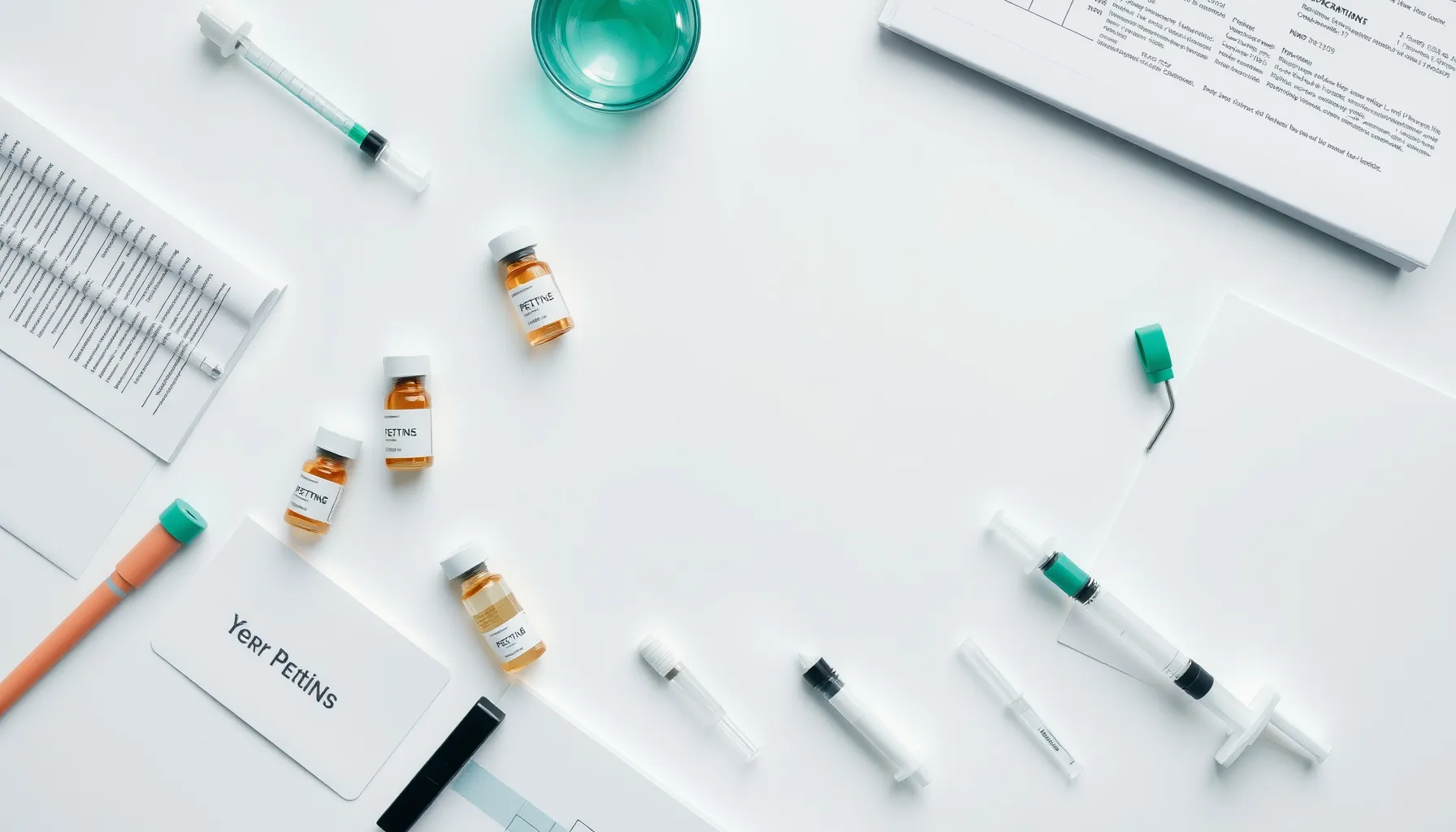
Most men on TRT who add HCG have never done a self-injection before. The good news: HCG is one of the easier drugs to inject at home because the dose is tiny, the needle is thin, and the shot is subcutaneous instead of deep muscle. Once you get the rhythm, the whole process takes about 90 seconds.
This guide walks through exactly what you need, where to inject, how to do it without bruising or burning, and how to time HCG shots around your testosterone protocol. It pairs with the full HCG on TRT guide and the dosing protocol article.
What supplies do you need for an HCG injection?
You need a reconstituted HCG vial, a 27-31 gauge insulin syringe (half-inch), alcohol swabs, a sharps container, and gauze. Most telehealth clinics ship all of this together when you start the protocol. The syringe is the same type diabetics use for insulin, which is why HCG injections are almost painless when done correctly.
If your pharmacy ships HCG as a powder with bacteriostatic water, youll need to reconstitute before the first dose. Our reconstitution calculator shows exactly how much water to add based on your IU per mL target. Once mixed, keep the vial refrigerated and use within 30-60 days.
Supplies checklist
- Reconstituted HCG vial (refrigerated)
- 27-31 gauge, 1/2 inch insulin syringes (U-100, 0.5mL or 1mL barrel)
- Alcohol prep pads
- Sharps disposal container
- Clean gauze or cotton ball
- Optional: small timer or phone for the five-second plunger push
A 29 or 30 gauge needle is the sweet spot. Thinner needles bend more easily, thicker ones sting. If you bought syringes yourself, double-check the barrel is labeled U-100. That scale lines up with how HCG is typically dosed in units.
Which injection sites work best for HCG?
The best sites are subcutaneous fat pads where the skin pinches up easily. Ranked by preference: lower belly (two inches from the navel), outer thigh, upper arm (back of the triceps), and love handles. The abdomen wins for most men because its the thickest fat pad and the easiest to see and pinch with one hand.
Avoid injecting directly over the navel, into visible veins, into bruised or red skin, or into any area with a mole or stretch mark. Stay two inches away from the belly button on either side. If you're lean and cant pinch enough fat on your stomach, the outer thigh is usually a better bet.
Rotating sites matters because repeated shots in the same spot can cause lipodystrophy, a localized thickening or dimpling of the fat layer. A simple weekly rotation prevents this entirely.
| Week | Shot 1 (Mon) | Shot 2 (Wed) | Shot 3 (Fri) |
|---|---|---|---|
| Week 1 | Left lower belly | Right lower belly | Left love handle |
| Week 2 | Right love handle | Left outer thigh | Right outer thigh |
| Week 3 | Left upper arm | Right upper arm | Left lower belly |
| Week 4 | Right lower belly | Left love handle | Right love handle |
Use our injection planner to generate a custom rotation based on your frequency and preferred sites.
Step-by-step injection technique
Pull the vial from the fridge 15-20 minutes before injecting. Cold HCG stings; room-temp HCG doesnt. While it warms, wash your hands with soap, gather supplies on a clean flat surface, and pick your site.
Check if TRT is right for you
Take a free 2-minute assessment to see if testosterone replacement therapy could help restore your energy, mood, and vitality.
Start Free Assessment →Heres the full sequence, start to finish:
- Draw the dose. Pull the plunger back to your prescribed volume (usually 0.1-0.5mL depending on concentration). Tap out air bubbles, then push them back into the vial.
- Clean the site. Wipe the injection area with an alcohol swab in a circular motion. Let it fully air-dry, otherwise the alcohol will burn when the needle goes in.
- Pinch the skin. Grab a solid inch of skin and fat between your thumb and forefinger. This lifts the fat layer away from muscle.
- Insert the needle. At 45 degrees for lean sites, 90 degrees if youve got plenty of fat to pinch. Push in with a smooth motion. No need to aspirate for subcutaneous shots.
- Push the plunger slowly. Count to five as you press down. Slow delivery reduces the burn and helps HCG absorb evenly.
- Hold for five seconds. Keep the needle in place for another count of five before pulling it straight out. This prevents leakback.
- Light pressure, no rub. Press gauze on the site for 10 seconds. Dont massage. HCG wants to absorb slowly through the fat.
- Dispose of the syringe. Drop the whole syringe in your sharps container. Never recap or reuse needles.
The first time takes maybe three minutes. By your fifth shot, youre under a minute.
How to make HCG injections less painful
Most injection pain comes from three things: cold medication, dull or reused needles, and fast plunger pressure. Fix those three and the shot feels like a tiny pinch, nothing more. A small subset of men never feel the needle at all with a 31 gauge.
Room temperature matters more than people expect. HCG stored cold causes a burning sensation as it spreads through warmer tissue. Pulling the vial out 15-20 minutes before your shot solves this without compromising the medication.
Use a fresh needle every single time. Syringes are cheap and come in packs of 100. A needle that's been through a rubber vial stopper once is already microscopically dulled, which is why prescribers recommend against drawing and injecting with the same tip when sensitivity matters.
Take a slow deep breath in before the needle touches skin, then exhale slowly during insertion. This isnt woo-woo: the vagal response actually reduces sharp-pain perception. Tension makes everything hurt more.
When should you inject HCG relative to your TRT shot?
Most men inject HCG on the days between testosterone shots for smoother hormone levels. If you inject testosterone Monday and Thursday, HCG on Tuesday/Friday (or Tuesday/Thursday/Saturday for 3x/week) keeps your LH-analog signal and your exogenous T from spiking together. That pattern tends to feel more stable mood-wise.
Some clinics prefer same-day co-injection for convenience. Both approaches work, but separating them gives you cleaner data if side effects pop up. You can tell whether a symptom tracks to HCG or to testosterone.
HCG frequency is typically 2-3 times per week. Twice weekly works for fertility preservation at 500-1000 IU per shot. Three times weekly at 250-500 IU per shot produces steadier testicular stimulation with less estrogen spiking. The dosing protocols guide breaks down which pattern matches which goal.
If youre new to this and havent started a protocol yet, a TRT clinic with HCG experience is the fastest path. Browse vetted options in our provider directory or start a consultation.
Common injection mistakes to avoid
Most injection problems trace back to a handful of repeat mistakes. Watch for these, especially in the first month.
Injecting cold HCG straight from the fridge. Causes burning during and after the shot. Let it warm.
Skipping site rotation. Repeated injections in the same spot thicken the fat pad over months. The fix is a simple written rotation, which is why we included the table above.
Pushing the plunger too fast. Forces volume into tissue faster than it can expand, causing a sharp ache and sometimes a small lump. Five-second push, five-second hold.
Using a needle that's too long. Anything over a half inch risks depositing HCG into muscle instead of fat, which changes absorption kinetics. Stick with half-inch insulin syringes.
Rubbing the site afterward. Pushes medication out through the puncture channel and can irritate the tissue. Press lightly with gauze instead.
Recapping needles. The leading cause of self-stick injuries. Drop the whole syringe in a sharps container without recapping.
Not swapping the draw needle. Piercing a rubber stopper dulls a tip. If you have access to separate draw and inject needles, use them. Otherwise a single 29-30g is a reasonable compromise.
Frequently asked questions
Does HCG need to be injected intramuscularly?
No. Subcutaneous injection is the standard route for HCG on TRT protocols. IM injections with HCG work but offer no clinical advantage, and they hurt more. Stick with SC into the abdomen, thigh, or upper arm.
Do I need to aspirate before injecting HCG?
No. Aspiration (pulling back the plunger to check for blood) is only relevant for intramuscular injections where you might hit a blood vessel. Subcutaneous fat has very few large vessels, so aspiration isnt standard practice for HCG.
What if I see a drop of blood after the injection?
A small amount of bleeding is normal and happens maybe one in ten shots. Press gauze on the site for 30 seconds. The medication is already deposited in the fat, so a surface bleed doesnt affect the dose.
How much HCG am I actually injecting per shot?
Volume depends on how the vial was reconstituted. Most protocols end up between 0.1 and 0.5 mL per injection, delivering 250-1000 IU. Our reconstitution calculator does the math based on your prescription.
Can I inject HCG and testosterone in the same syringe?
No. Testosterone is an oil-based IM medication; HCG is a water-based SC medication. Mixing them changes absorption and delivery route. Use separate syringes, and most men space the injections by a day or two anyway.
What if I forget to refrigerate my HCG?
Reconstituted HCG kept at room temperature for a few hours is fine. An overnight out-of-fridge is usually okay. Past 24 hours at room temp, potency starts dropping and the vial should be replaced. Always refrigerate between doses.
How long does an HCG injection take to work?
Peak serum levels hit around 6-16 hours post-injection, and the effect on testicular stimulation lasts about 48-72 hours. That's why 2-3x weekly dosing creates a steady signal without gaps.
Is it normal for the injection site to itch or get red?
A small red spot or mild itching within the first 24 hours is common and fades on its own. If redness spreads, gets warm, or the area swells noticeably, that's an infection or allergic reaction and worth a message to your prescriber.
Medical disclaimer: This article is for educational purposes only and is not medical advice. Always consult your healthcare provider before starting any medication. Individual results vary. FormBlends is a licensed telehealth platform; nothing here replaces a personal clinical evaluation.
See your options in about 2 minutes
Take the free quiz and see what fits you. Quick, private, and no commitment to continue.
See my options →