Key Takeaway
HCG ships as a dry powder. Add 5ml of bacteriostatic water to a 5000 IU vial for a clean 1000 IU/ml concentration. A 250 IU dose is 0.25ml. A 500 IU dose is 0.5ml. Refrigerate after mixing. Never use plain sterile water.
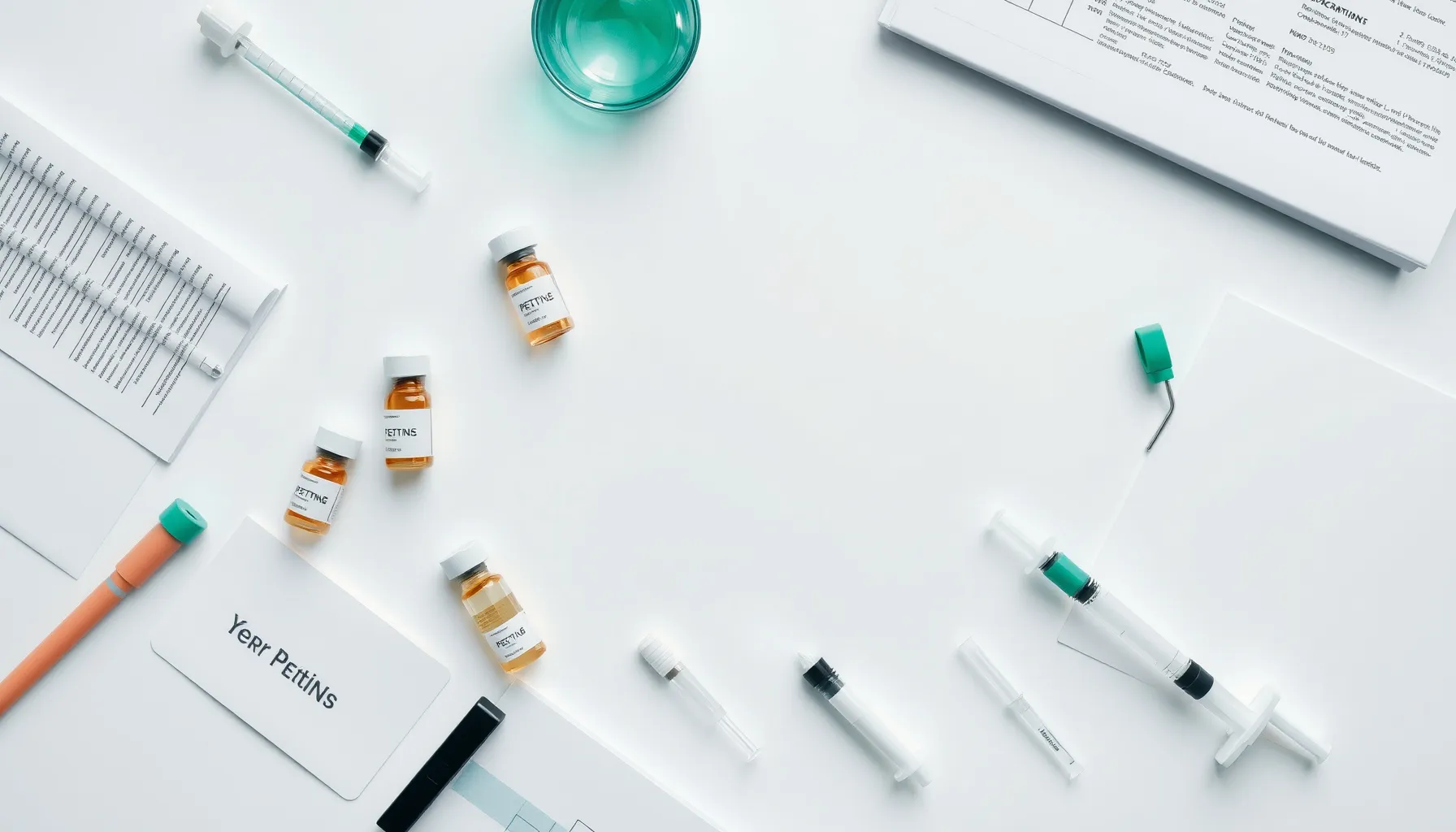
HCG arrives as a small white pellet or powder at the bottom of a glass vial. You cant inject it that way. The powder is lyophilized (freeze-dried) for shelf stability, and you have to turn it back into a liquid before you can draw it into a syringe.
The process is called reconstitution. Its simple once youve done it once, but the first time can feel intimidating because youre dealing with tiny volumes and careful math. This guide walks you through exactly what to buy, how much water to add, and how to store the mixed vial so it stays potent for weeks.
What supplies do you need?
You need four things to reconstitute HCG: the lyophilized HCG vial, a bottle of bacteriostatic water, a mixing syringe, and alcohol swabs. Most TRT clinics ship these together, but if youre sourcing separately, confirm the bacteriostatic water has 0.9% benzyl alcohol as the preservative.
The mixing syringe is usually a 3ml or 5ml syringe with a larger 21-gauge needle. You only use this one to move water into the HCG vial. For actual injection, youll switch to an insulin syringe (29 or 30 gauge, half-inch) with a much smaller needle.
Dont substitute sterile water or tap water. Sterile water has no preservative, which means any bacteria that get introduced during mixing will grow in the vial over the next several weeks. Bacteriostatic water contains benzyl alcohol, which suppresses bacterial growth and keeps the reconstituted solution safe for the full 30 to 60 day window.
Keep the HCG vial refrigerated until youre ready to mix. The bacteriostatic water can sit at room temperature. You also want a clean, flat surface, good lighting, and a few minutes where you wont be rushed.
The math: how much water to add
The amount of water you add determines the concentration, which determines how much volume you draw for each dose. More water means a larger volume per dose (easier to measure, smoother injection). Less water means a smaller volume (stings more, harder to measure precisely).
For a 5000 IU vial, the cleanest option is adding 5ml of bacteriostatic water. That gives you 1000 IU per ml, so the math for every dose becomes easy. Here's a reference table for common setups:
| Vial size | BAC water added | Concentration | 250 IU dose | 500 IU dose | 1000 IU dose |
|---|---|---|---|---|---|
| 5000 IU | 2ml | 2500 IU/ml | 0.10ml | 0.20ml | 0.40ml |
| 5000 IU | 5ml | 1000 IU/ml | 0.25ml | 0.50ml | 1.00ml |
| 5000 IU | 10ml | 500 IU/ml | 0.50ml | 1.00ml | Too much for one jab |
| 10000 IU | 10ml | 1000 IU/ml | 0.25ml | 0.50ml | 1.00ml |
Most men on TRT pick the 5ml setup because 0.25ml and 0.5ml are easy to read on a standard insulin syringe, and the larger injection volume is less painful subcutaneously. Use our reconstitution calculator if you want to model a different setup.
Step-by-step reconstitution technique
The goal is to get all the water into the HCG vial without foaming the powder, contaminating the rubber stopper, or losing any of the dose. Foam is the enemy because it means protein is being denatured.
Get pre-measured GLP-1 doses shipped to your door
No mixing, no guesswork. FormBlends medications come ready to inject with clear dosing instructions.
Start Free Assessment →Start by wiping both vial stoppers with an alcohol swab. Let them air dry for 10 seconds. Pull back 5ml of air into your mixing syringe, insert the needle into the bacteriostatic water vial, and push the air in. This equalizes pressure so the water draws out easily.
Flip the vial upside down and slowly pull 5ml of bacteriostatic water into the syringe. Check for bubbles. If you see any, tap the syringe gently and push them back into the vial, then redraw. Remove the needle and set the syringe aside for a moment.
Now for the part that matters most. Insert the needle into the HCG vial at a shallow angle so the water runs down the glass wall rather than blasting directly onto the powder pellet. Push the plunger slowly, letting the water trickle in over 10 to 15 seconds. The powder will dissolve almost instantly.
Remove the needle. Do not shake. Hold the vial between your thumb and forefinger and swirl it gently in small circles for 15 seconds. The solution should be clear, not cloudy. If any powder remains, swirl for another 15 seconds. Label the vial with the date mixed and the concentration, then refrigerate.
How to calculate your dose
Your prescription tells you the IU dose. Your mixing setup tells you the concentration. Divide the dose by the concentration to get the injection volume. With 5000 IU in 5ml (1000 IU/ml), a 250 IU dose is 0.25ml, a 500 IU dose is 0.5ml, and a 1000 IU dose is 1.0ml.
Insulin syringes are marked in units, not milliliters, which trips a lot of guys up. A standard U-100 insulin syringe labels 100 units as 1ml. So 0.25ml shows up as the 25 mark on the syringe. 0.5ml shows up as the 50 mark. Count carefully the first few times.
Typical TRT protocols run 250 to 500 IU of HCG two or three times per week alongside testosterone. See our HCG dosing protocols guide for why clinicians land on those numbers. If youre using HCG for fertility preservation specifically, the dosing logic is a bit different and we cover it in the fertility preservation guide.
Never eyeball doses. The IU amounts are small, and a 50% mismeasurement will either waste product or push estradiol higher than you want.
How to store reconstituted HCG
Once mixed, HCG goes in the refrigerator at 36 to 46 degrees Fahrenheit (2 to 8 degrees Celsius). It stays stable for 30 to 60 days at that temperature. Some compounding pharmacies rate it for longer, but 30 days is the conservative benchmark used in most TRT clinics.
Do not freeze reconstituted HCG. Freezing destroys the three-dimensional structure of the protein, and once thawed the molecule is biologically inactive. If your vial accidentally freezes (back of the fridge, in a garage fridge in winter), throw it out and start over.
Keep the vial in its original box or in a dark spot on a shelf, not in the door. The door gets warmer every time you open it, and light exposure degrades peptides over time. Some guys go further and store in a small opaque container inside the fridge.
Check the solution before every injection. It should be clear and colorless. Cloudiness, crystals forming on the bottom, yellowing, or any particulate floating in the liquid means degradation or contamination. Discard and reconstitute a fresh vial if you see any of these.
Common reconstitution mistakes
The most common mistake is using sterile water instead of bacteriostatic water. Sterile water has no benzyl alcohol, so bacteria from the air or the needle tip multiply in the vial over several weeks. By week three youre injecting a contaminated solution. Always confirm the label says "bacteriostatic."
The second most common mistake is shaking the vial. HCG is a protein, and aggressive shaking shears the molecule and creates foam that traps active ingredient in bubbles you cant inject. Swirl, dont shake. If you see significant foam, let the vial rest on the counter for five minutes before moving it to the fridge.
Other frequent errors include pushing water directly onto the powder pellet (denatures protein on contact), forgetting to label the vial with the mix date (you lose track of the 30 day window), and storing the vial in the freezer compartment of a combo fridge-freezer by accident. Also watch out for reusing the mixing needle for actual injection. Use a fresh insulin syringe every time.
One last mistake worth flagging: drawing from the vial at room temperature. The math is the same, but cold liquid stings more on injection. Pull your dose, then let the syringe sit on the counter for 60 seconds before you jab. Much smoother. See our injection technique guide for the full subcutaneous protocol.
Frequently asked questions
Can I use sterile water instead of bacteriostatic water?
No. Sterile water has no preservative. Bacteria introduced during mixing will grow in the vial over 30 days and you'll be injecting contaminated solution. Bacteriostatic water contains 0.9% benzyl alcohol which suppresses bacterial growth. Always use bacteriostatic for any multi-dose reconstitution.
How long does reconstituted HCG last in the fridge?
30 to 60 days at 36 to 46 degrees Fahrenheit. Most TRT clinics use 30 days as the discard date to stay conservative. Some compounding pharmacies validate their product for 60 days. Check your label. After the stability window, potency drops and you cant trust the dose.
What happens if I accidentally freeze my HCG?
Throw it out. Freezing destroys the protein structure and the molecule becomes biologically inactive once thawed. This is true even if it only froze briefly. Dont try to use it. The vial looks the same but wont work.
Why does my injection site sting more with some batches?
Usually concentration. A 2500 IU/ml mix stings more than a 1000 IU/ml mix because benzyl alcohol is more concentrated in the smaller volume. Cold liquid also stings. Let the drawn syringe sit at room temperature for 60 seconds before injecting. If stinging persists, switch to a 5ml or 10ml dilution.
Do I need to keep the bacteriostatic water refrigerated?
No. Bacteriostatic water is stable at room temperature once opened, for up to 28 days per the USP. Keep it in a clean spot away from direct sunlight. The HCG vial (before and after reconstitution) is the one that needs the fridge.
Can I mix two vials together to extend the supply?
Dont. Each vial has its own sterility seal. Opening two vials doubles the contamination risk and complicates the dating. Mix one vial at a time. When youre close to the 30 day mark, finish the current vial or discard what remains and start fresh.
How do I know if the HCG has gone bad?
Look for cloudiness, crystal formation on the bottom of the vial, any color change (yellow or brown tint), or floating particulates. A healthy reconstituted vial is completely clear and colorless, like water. Any deviation from that means discard and remix.
What size syringes should I have on hand?
One 3ml or 5ml syringe with a 21-gauge needle for mixing (used once, then discarded). A box of U-100 insulin syringes, 29 or 30 gauge, half-inch length, for daily injections. One fresh insulin syringe per injection. Never reuse.
Ready to start TRT with HCG included in your protocol? Start your evaluation or browse the licensed provider directory to find a clinic that supports fertility preservation alongside testosterone.
Medical disclaimer: This article is for educational purposes only and is not medical advice. Always consult your healthcare provider before starting any medication. Individual results vary. FormBlends is a licensed telehealth platform; nothing here replaces a personal clinical evaluation.
See your options in about 2 minutes
Take the free quiz and see what fits you. Quick, private, and no commitment to continue.
See my options →