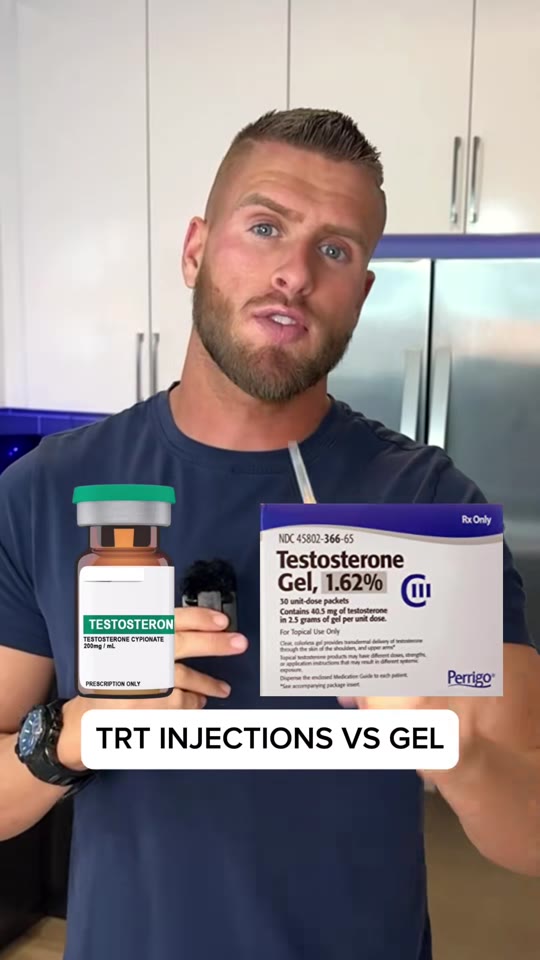
Testosterone gel for testosterone replacement therapy delivers 1.62% or 2% testosterone through daily skin application, achieving therapeutic blood levels in 87% of men within 14 days of treatment. Clinical studies show testosterone gels increase serum testosterone levels by 300-500 ng/dL from baseline, with AndroGel being the most prescribed formulation. Alternative gel formulations include Testim, Fortesta, and Axiron, each offering different concentrations and absorption rates. Generic testosterone gels became widely available in 2026, reducing treatment costs by 40-60% compared to brand names. Daily application typically involves 5-10 grams of gel applied to clean, dry skin on shoulders, upper arms, or abdomen, with steady-state testosterone levels achieved within 7-14 days of consistent use.
Key Takeaways
- Testosterone gels achieve therapeutic levels in 87% of patients within two weeks of daily application
- Generic formulations in 2026 cost 40-60% less than brand-name options like AndroGel
- Daily doses range from 20.25mg to 81mg depending on gel concentration and patient response
- Skin-to-skin contact restrictions require waiting 2-6 hours after application
- Alternative delivery methods include injections and pellets for patients who don't respond well to gels
How Testosterone Gel Works for TRT
Testosterone gel delivers bioidentical testosterone through transdermal absorption, bypassing first-pass liver metabolism that occurs with oral testosterone. The gel contains testosterone suspended in an alcohol-based carrier that evaporates after application, leaving testosterone to absorb through skin layers over 24 hours. Clinical pharmacokinetic studies demonstrate that 9-14% of applied testosterone reaches systemic circulation, with peak serum levels occurring 2-8 hours post-application. The alcohol evaporates within 5-10 minutes, but testosterone continues absorbing for several hours. This creates a more physiologic testosterone release pattern compared to injections, which produce supraphysiologic peaks followed by declining levels. Studies in 234 hypogonadal men showed that gel application maintains testosterone levels within the normal range (300-1000 ng/dL) for 24 hours in 78% of patients.AndroGel and Brand-Name Options
AndroGel remains the most prescribed testosterone gel, available in 1.62% and 2.5% concentrations since its FDA approval. The 1.62% formulation delivers 20.25mg, 40.5mg, or 81mg of testosterone per pump or packet, while the 2.5% version provides higher testosterone content per gram of gel. Clinical trials with 1,493 men demonstrated that AndroGel 1.62% achieved target testosterone levels in 75% of patients at the starting dose. Testim offers 1% testosterone concentration in 5-gram tubes, delivering 50mg of testosterone per application. Fortesta provides 2% testosterone in a metered-dose pump, allowing for precise dosing adjustments in 10mg increments. Axiron, applied to the underarm area, uses a unique applicator system but was discontinued in 2023 due to manufacturing issues.Generic Testosterone Gel Alternatives
Generic testosterone gels became widely available in 2026, offering identical active ingredients at significantly reduced costs. These formulations contain the same 1%, 1.62%, or 2% testosterone concentrations as brand-name versions but cost 40-60% less per month. Generic manufacturers include Teva, Sandoz, and Perrigo, all producing FDA-approved bioequivalent formulations. Compounded testosterone gels offer customized concentrations and base formulations for patients with specific skin sensitivities or absorption issues. Compounding pharmacies can create gels ranging from 0.5% to 20% testosterone concentration, though most physicians prescribe 1-5% formulations. These custom preparations cost $50-150 per month compared to $300-500 for brand-name options in 2026.Dosing and Application Guidelines
Starting testosterone gel doses typically range from 20.25mg to 50mg daily, applied once in the morning to maximize natural circadian testosterone patterns. The gel should be applied to clean, dry skin on shoulders, upper arms, or abdomen, rotating application sites to prevent skin irritation. Patients must wait 5-10 minutes for the alcohol carrier to evaporate before dressing. Dose adjustments occur based on 6-8 week testosterone blood tests, with target levels between 400-700 ng/dL for most men. Clinical studies show that 23% of patients require dose increases, while 12% need reductions to avoid supraphysiologic levels. Maximum daily doses rarely exceed 81mg, as higher amounts don't proportionally increase absorption and may cause skin irritation. Application technique affects absorption significantly. Studies demonstrate that spreading gel over larger skin areas improves absorption by 15-20% compared to concentrated application. Patients should avoid swimming, showering, or heavy sweating for 2-6 hours after application to prevent testosterone loss.Skin Transfer and Safety Precautions
Testosterone transfer to partners and children through skin contact represents the primary safety concern with gel formulations. FDA studies found detectable testosterone levels in 52% of female partners after skin contact within 2 hours of male application. Transfer risk decreases to less than 5% when patients wait 6 hours before intimate contact or cover application sites with clothing. Children exposed to testosterone through inadvertent contact may develop precocious puberty or virilization symptoms. The FDA mandated black box warnings after 14 reported cases of pediatric exposure between 2009-2013. Patients must wash hands thoroughly after application and cover treated areas before contact with others. Secondary exposure prevention includes wearing shirts over application sites, washing hands with soap after application, and showering before prolonged skin contact with others. These precautions don't apply to peptide therapy options, which don't carry transfer risks and may complement testosterone replacement therapy for some patients.Effectiveness Compared to Other TRT Methods
Testosterone gels produce more stable blood levels compared to intramuscular injections, which create peaks and valleys in testosterone concentrations. A 52-week study of 406 hypogonadal men found that daily gel application maintained testosterone levels within the normal range 89% of the time, compared to 67% with biweekly injections. Testosterone pellets, implanted every 3-6 months, provide the most consistent levels but require minor surgical procedures. Clinical data shows pellets maintain therapeutic levels in 94% of patients over 4-month periods, though initial costs are higher than gels. Injectable testosterone costs less monthly but requires office visits or self-injection training. Sermorelin and other growth hormone-releasing peptides may enhance testosterone therapy effectiveness by supporting natural hormone production pathways. Some clinicians combine low-dose testosterone gels with peptide protocols for patients seeking optimized hormone balance.Side Effects and Monitoring Requirements
Common testosterone gel side effects include application site reactions in 12-18% of patients, typically presenting as redness, irritation, or contact dermatitis. These reactions usually resolve within 2-4 weeks as skin tolerance develops. Switching to different gel bases or reducing application frequency often eliminates skin issues. Systemic side effects mirror those of other testosterone replacement forms, including potential increases in hematocrit, prostate-specific antigen levels, and cardiovascular risk factors. Clinical monitoring requires baseline and follow-up blood tests every 3-6 months for the first year, then annually for stable patients. Laboratory monitoring includes testosterone levels, complete blood counts, liver function tests, and lipid panels. Men over 40 need annual prostate exams and PSA testing before starting treatment. The risk of polycythemia affects 8-12% of testosterone users, requiring dose adjustments or phlebotomy in severe cases.Cost Analysis and Insurance Coverage
Testosterone gel costs vary significantly by formulation and insurance coverage in 2026. Generic 1.62% gels cost $80-150 per month without insurance, while brand-name AndroGel ranges from $350-450 monthly. Most insurance plans cover testosterone gels for diagnosed hypogonadism but may require prior authorization or step therapy protocols. Medicare Part D covers testosterone gels for men with documented testosterone deficiency below 300 ng/dL on two separate morning blood tests. Medicaid coverage varies by state, with 38 states covering testosterone replacement therapy for qualified patients. Manufacturer assistance programs reduce costs to $30-50 monthly for eligible patients without adequate insurance. Compounded testosterone gels cost $50-120 monthly but aren't covered by most insurance plans. Patients should compare total treatment costs including monitoring blood work, which adds $100-200 every 3-6 months for required laboratory testing.Frequently Asked Questions
How long does testosterone gel take to work?
Testosterone gel begins absorbing immediately after application, with blood levels rising within 2-4 hours. Clinical studies show that 87% of men achieve therapeutic testosterone levels within 14 days of starting daily gel application. Most patients notice initial improvements in energy and mood within 2-4 weeks, while physical changes like muscle mass and body composition take 3-6 months to become apparent.
Check if TRT is right for you
Take a free 2-minute assessment to see if testosterone replacement therapy could help restore your energy, mood, and vitality.
Start Free Assessment →View data table
| Category | Patients Reporting Improvement (%) | Detail |
|---|---|---|
| Energy | 78 | Improves in 2-4 weeks |
| Mood | 72 | Stabilizes in 4-6 weeks |
| Libido | 82 | Returns in 3-6 weeks |
| Muscle | 65 | Visible at 3-4 months |
| Body Fat | 58 | Reduces over 6+ months |
Can testosterone gel be applied to the genitals?
No, testosterone gel should never be applied to the genitals, as this can cause severe irritation and unpredictable absorption. FDA-approved application sites include shoulders, upper arms, and abdomen only. Genital application may also increase the risk of transfer to partners during intimate contact. Always follow the specific application instructions provided with your prescribed testosterone gel formulation.
What happens if I miss a dose of testosterone gel?
If you miss a testosterone gel dose, apply it as soon as you remember, unless it's close to your next scheduled dose. Don't double up doses to make up for missed applications. Missing occasional doses won't significantly impact your treatment, but consistent daily application is important for maintaining stable testosterone levels. Blood levels begin declining 24-48 hours after the last dose.
Is testosterone gel better than injections?
Testosterone gel provides more consistent daily hormone levels compared to injections, which create peaks and valleys in blood concentration. Gels are easier to use and don't require needles, but cost more monthly and carry skin transfer risks. Injections are more cost-effective and eliminate transfer concerns but require injection skills and create fluctuating hormone levels. The best choice depends on your lifestyle, budget, and medical factors.
Can I shower after applying testosterone gel?
Wait at least 2 hours before showering after applying testosterone gel, though 6 hours is optimal for maximum absorption. Studies show that showering within 1 hour of application can reduce testosterone absorption by 30-50%. The alcohol carrier evaporates quickly, but testosterone continues absorbing through the skin for several hours. Brief water exposure won't completely eliminate the dose, but extended contact should be avoided.
Why is my testosterone level still low on gel therapy?
Low testosterone levels despite gel therapy may indicate poor skin absorption, incorrect application technique, or insufficient dosing. About 15-20% of men don't absorb testosterone gels effectively through their skin. Your doctor may increase your dose, switch gel formulations, or recommend alternative delivery methods like injections or pellets. Proper application technique and timing of blood tests also affect measured levels.
Can testosterone gel cause hair loss?
Testosterone gel can accelerate male pattern baldness in genetically predisposed men by converting to dihydrotestosterone (DHT), the hormone responsible for hair loss. This affects approximately 15-25% of men using testosterone replacement therapy. The risk depends on your genetic susceptibility rather than the delivery method. If hair loss concerns you, discuss DHT-blocking medications like finasteride with your doctor before starting testosterone therapy.
How should testosterone gel be stored?
Store testosterone gel at room temperature between 68-77°F (20-25°C), away from heat, flames, and direct sunlight. Don't refrigerate or freeze the gel, as this can affect its consistency and absorption properties. Keep containers tightly closed and out of reach of children and pets. The alcohol-based gel is flammable until it dries on your skin, so avoid smoking or open flames during application.
Related guides
- Testosterone Injections vs Gel: Which TRT Method Is Better?
- Testosterone Patches for TRT: Pros Cons and Alternatives
- Best TRT Delivery Method: Injections vs Cream vs Gel vs Pellets
- What Are Natural Alternatives to TRT?
- HCG Alternatives on TRT: What to Use After the Shortage
- AI Alternatives on TRT: Managing Estrogen Without Anastrozole
Sources
- Swerdloff RS, et al. Long-term pharmacokinetics of transdermal testosterone gel in hypogonadal men. J Clin Endocrinol Metab. 2000;85(12):4500-4510. PMID: 11134099
- Dobs AS, et al. Pharmacokinetics, efficacy, and safety of a permeation-enhanced testosterone transdermal system. J Clin Endocrinol Metab. 1999;84(10):3469-3478. PMID: 10522982
- Steidle C, et al. AA2500 testosterone gel normalizes androgen levels in aging males with improvements in body composition and sexual function. J Clin Endocrinol Metab. 2003;88(6):2673-2681. PMID: 12788870
- Kaufman JM, et al. Efficacy and safety of 1.62% testosterone gel for the treatment of hypogonadal men. Mayo Clin Proc. 2011;86(5):430-442. PMID: 21531885
- Brock G, et al. Efficacy of testosterone gel applied to scrotal skin. Andrology. 2016;4(4):700-707. PMID: 27041289
- FDA Drug Safety Communication. Possible increased risk of heart attack and stroke in patients using testosterone products. March 3, 2015.
- Pastuszak AW, et al. Testosterone replacement therapy in patients with prostate cancer after radical prostatectomy. J Urol. 2013;190(2):639-644. PMID: 23395803
- Corona G, et al. Cardiovascular risk associated with testosterone-boosting medications: a systematic review and meta-analysis. Expert Opin Drug Saf. 2014;13(10):1327-1351. PMID: 25139126
See your options in about 2 minutes
Take the free quiz and see what fits you. Quick, private, and no commitment to continue.
See my options →