Executive Summary

Key Takeaways
- After stopping semaglutide 2.4 mg, participants in the STEP 1 extension regained roughly two-thirds of lost weight within 12 months, retaining a net 5.6% loss from baseline.
- In SURMOUNT-4, 82.5% of those switched from tirzepatide to placebo regained at least 25% of their weight loss within one year.
- Hormonal adaptations, including persistently elevated ghrelin and suppressed leptin, can last 12 months or longer after weight loss, actively driving regain.
- Resistance training, high-protein nutrition (1.2 to 1.6 g/kg/day), and lower maintenance doses all show promise for mitigating regain.
- The WHO, AMA, and World Obesity Federation now classify obesity as a chronic, relapsing disease, supporting the rationale for long-term pharmacotherapy.
Weight regain after stopping GLP-1 receptor agonist therapy is one of the most pressing concerns facing patients and clinicians in 2026. Clinical evidence consistently shows that most people regain roughly two-thirds of lost weight within one year of discontinuation, raising fundamental questions about the nature of obesity itself and the duration of treatment required to sustain meaningful results.
The arrival of semaglutide and tirzepatide reshaped what's possible in medical weight management. The STEP trial program demonstrated average weight reductions of 14.9% to 17.3% with semaglutide 2.4 mg, while SURMOUNT-1 data showed tirzepatide producing losses of up to 22.5% at the highest dose. These numbers far exceed anything previously achieved with pharmacotherapy alone.
But a difficult reality has emerged alongside these remarkable treatment phase results. When patients stop taking these medications, weight comes back. The STEP 1 trial extension, published in Diabetes, Obesity and Metabolism in 2022, tracked a subset of 327 participants for a full year after treatment withdrawal. The findings were striking: participants regained an average of 11.6 percentage points of their lost weight, leaving them with a net loss of just 5.6% from baseline at the 120-week mark. That's a far cry from the 17.3% they'd achieved at week 68.
SURMOUNT-4 data tells a similar story for tirzepatide. Among those switched to placebo after achieving significant weight loss, 82.5% regained at least 25% of the weight they'd lost within one year. The cardiometabolic improvements that came with weight loss, including reductions in blood pressure, cholesterol, and insulin resistance, reversed in parallel with weight regain.
This report examines the full scope of what happens when GLP-1 therapy ends. We'll cover the biological drivers of weight regain, from hormonal adaptations involving leptin and ghrelin to the contested but influential set point theory. We'll walk through the clinical trial data in detail, including results from STEP 1, STEP 4, SURMOUNT-4, and real-world observational studies. And we'll explore actionable strategies for maintaining weight loss, whether you're planning to stay on medication long-term, taper to a lower dose, or transition off entirely.
The central question is straightforward: do you have to take GLP-1 drugs forever? The answer, as you'll see, depends on how we define obesity. If it's a chronic, relapsing neurobiological disease, then ongoing treatment makes sense, just as it does for hypertension or type 2 diabetes. If it's a condition that can be resolved through sustained behavioral change, then medication might serve as a bridge rather than a destination. The evidence increasingly supports the chronic disease model, but the practical implications of that view, including cost, access, and individual preference, remain very much in play.
This report is designed for patients currently taking or considering GLP-1 medications, clinicians guiding treatment decisions, and anyone trying to understand what the science actually says about weight regain after these therapies. Every claim is anchored in peer-reviewed data, specific trial results, and named citations. You can use the dosing calculator for personalized protocol guidance, and our GLP-1 research hub covers related topics in depth.
Key Takeaways
- After stopping semaglutide 2.4 mg, participants in the STEP 1 extension regained roughly two-thirds of lost weight within 12 months, retaining a net 5.6% loss from baseline.
- In SURMOUNT-4, 82.5% of those switched from tirzepatide to placebo regained at least 25% of their weight loss within one year.
- Hormonal adaptations, including persistently elevated ghrelin and suppressed leptin, can last 12 months or longer after weight loss, actively driving regain.
- Resistance training, high-protein nutrition (1.2 to 1.6 g/kg/day), and lower maintenance doses all show promise for mitigating regain.
- The WHO, AMA, and World Obesity Federation now classify obesity as a chronic, relapsing disease, supporting the rationale for long-term pharmacotherapy.
The Biology of Weight Regain
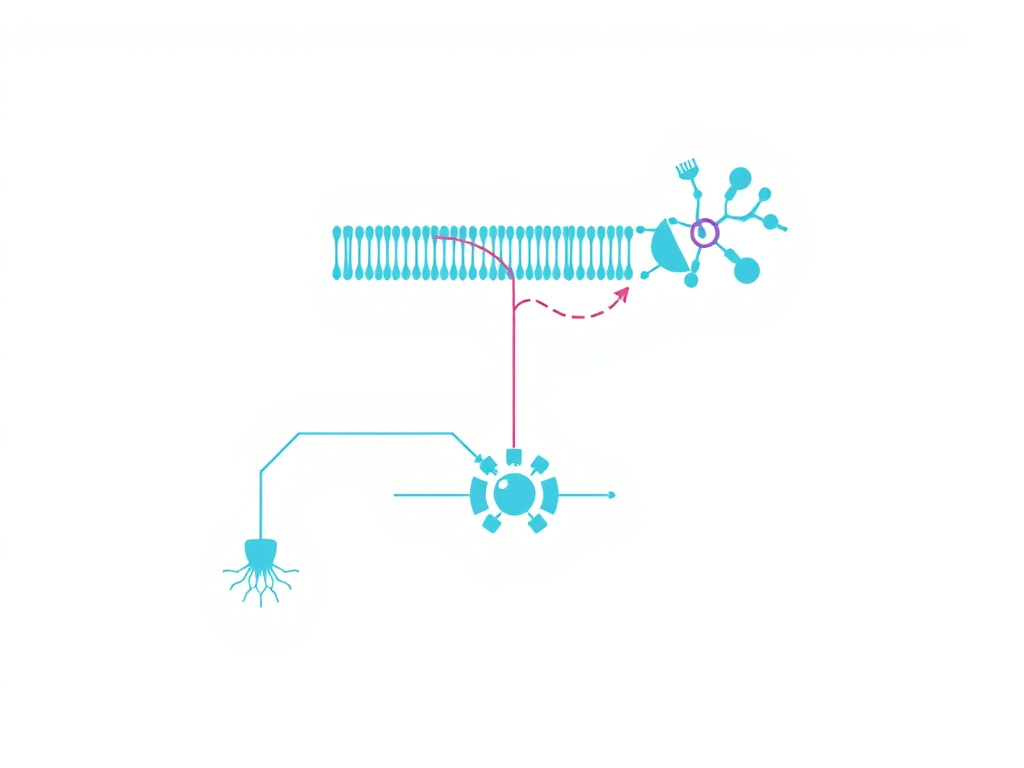
Figure 2: Hormonal and neurobiological mechanisms driving weight regain after caloric restriction and GLP-1 medication withdrawal
Why does weight come back after stopping GLP-1 drugs? The short answer is that your body actively fights to restore lost fat mass through a coordinated set of hormonal, neurological, and metabolic responses. These aren't minor adjustments. They represent a deeply embedded survival system that evolved over millions of years, long before processed food and sedentary lifestyles existed.
The Hypothalamic Control Center
Weight regulation happens primarily in the hypothalamus, a small region at the base of the brain that integrates signals from fat tissue, the gut, the pancreas, and the rest of the central nervous system. The arcuate nucleus, a cluster of neurons within the hypothalamus, contains two opposing populations of cells. One set expresses pro-opiomelanocortin (POMC) and cocaine- and amphetamine-regulated transcript (CART), which suppress appetite and increase energy expenditure. The other expresses neuropeptide Y (NPY) and agouti-related peptide (AgRP), which stimulate hunger and reduce metabolic rate.
When you're weight-stable, these two systems exist in rough equilibrium. Lose a significant amount of weight, though, and the balance shifts hard toward the hunger-promoting side. This happens regardless of whether the weight loss came from dieting, exercise, surgery, or medication. The hypothalamus doesn't distinguish between intentional weight loss and famine. It responds the same way to both.
Leptin: The Adiposity Signal That Drops Too Fast
Leptin is produced by adipose tissue in rough proportion to total fat mass. When you carry more body fat, leptin levels rise, signaling to the hypothalamus that energy stores are adequate. This should, in theory, suppress appetite and maintain energy expenditure. But in obesity, the brain becomes resistant to leptin's effects, a state called leptin resistance. Higher and higher levels are needed to produce the same anorexigenic signal.
Here's where it gets complicated during weight loss. As fat mass decreases, leptin levels fall. But they don't just fall in proportion to fat lost. Research by Sumithran and colleagues, published in the New England Journal of Medicine in 2011, showed that leptin levels dropped by approximately 64% after a 10-week very-low-energy diet. Even one year later, leptin remained significantly below baseline despite partial weight regain. The brain interprets this sustained leptin deficit as a signal of energy deprivation, triggering a cascade of appetite-stimulating responses.
For patients stopping semaglutide or tirzepatide, this matters because GLP-1 receptor agonists don't directly fix leptin signaling. They work through separate pathways, primarily by slowing gastric emptying, reducing appetite at the brainstem level, and modulating reward circuitry. Remove the drug, and you're left with the same low-leptin environment that drives hunger after any form of weight loss.
Ghrelin: The Hunger Hormone That Won't Quit
Ghrelin is produced primarily by cells in the stomach lining and acts as the body's primary hunger signal. Levels rise before meals and fall after eating. During weight loss, fasting ghrelin concentrations increase, and they stay elevated for extended periods. In the Sumithran et al. study, ghrelin was still significantly above pre-weight-loss levels at the 62-week follow-up.
Ghrelin acts on the hypothalamic arcuate nucleus to activate NPY/AgRP neurons, the same hunger-promoting cells suppressed by leptin. So weight loss creates a double hit: less leptin to suppress appetite AND more ghrelin to stimulate it. The subjective experience is exactly what patients describe, a persistent, gnawing hunger that doesn't fully respond to willpower or behavioral strategies alone.
GLP-1 receptor agonists suppress ghrelin signaling effectively during active treatment. Semaglutide, for instance, reduces postprandial ghrelin release and attenuates the pre-meal ghrelin spike that triggers hunger. When you stop the medication, this suppressive effect disappears within days to weeks, while the underlying elevation in ghrelin from weight loss persists.
Peptide YY, GLP-1, and the Gut-Brain Axis
The gut produces multiple satiety hormones beyond ghrelin. Peptide YY (PYY) is released by L-cells in the distal intestine after meals and signals fullness to the hypothalamus. Cholecystokinin (CCK) is released from the duodenum in response to fat and protein intake. Glucagon-like peptide-1, the very hormone that GLP-1 drugs mimic, is also produced naturally by intestinal L-cells.
Weight loss reduces the postprandial release of PYY, CCK, and endogenous GLP-1. Sumithran's group documented that PYY levels remained significantly suppressed at one year post-weight-loss, and CCK showed a similar pattern. The practical effect is that after losing weight, your gut sends weaker satiety signals after meals. Food doesn't satisfy the way it used to. You need to eat more to feel the same degree of fullness.
When you're on a GLP-1 receptor agonist, the exogenous drug compensates for these deficient satiety signals. It acts on the same receptors that endogenous GLP-1 targets but at much higher, pharmacological concentrations. Remove the drug, and you're left with a gut-brain communication system that's been weakened by the very weight loss you achieved.
Adaptive Thermogenesis: Your Metabolism Slows Down
Beyond hormonal changes, weight loss triggers a reduction in resting energy expenditure (REE) that exceeds what would be predicted from the loss of metabolic tissue alone. This phenomenon, called adaptive thermogenesis or metabolic adaptation, means your body burns fewer calories at rest than a person of the same weight who was never heavier.
The classic demonstration of this comes from research on participants in the television program "The Biggest Loser." A study by Fothergill and colleagues, published in Obesity in 2016, followed 14 contestants for six years after the competition. Their resting metabolic rates had slowed by an average of approximately 500 kcal/day relative to what would be expected for their body composition. This metabolic suppression persisted for years, even as participants regained weight.
For GLP-1 therapy specifically, the implications are significant. During treatment, the combination of reduced caloric intake and weight loss produces adaptive thermogenesis. When the drug is discontinued, appetite returns to elevated levels while metabolic rate remains suppressed. This creates an energy balance equation that strongly favors weight regain: more hunger, less satiety, and a slower metabolism all converging at once.
Reward Circuitry and Food Cue Reactivity
The hypothalamic-hormonal system is only part of the picture. Weight regulation also involves the brain's reward circuitry, particularly the mesolimbic dopamine system. Functional MRI studies show that after weight loss, the brain responds more strongly to food cues, especially images and smells of high-calorie, palatable foods. Activity increases in the orbitofrontal cortex, the amygdala, and the ventral striatum, regions associated with wanting, craving, and motivated behavior toward food.
Semaglutide appears to reduce food cue reactivity during treatment. Neuroimaging studies have shown decreased activation in reward-related brain regions among participants taking GLP-1 receptor agonists compared to placebo. Some patients describe this as simply not thinking about food as much, a reduction in the mental preoccupation with eating that characterizes obesity for many people.
When the drug is withdrawn, this suppression of reward-driven eating lifts. The combination of hypothalamic hunger signals and reactivated food reward pathways creates what many patients describe as a return of old eating patterns within weeks to months of stopping medication. The biological drive to eat isn't just about hunger. It's about the pleasure and salience of food, and these systems are powerfully reactivated by drug discontinuation.
The Compounding Effect
What makes weight regain after GLP-1 withdrawal so consistent across studies is that all these systems activate simultaneously. Leptin drops. Ghrelin rises. PYY and CCK diminish. Metabolic rate slows. Reward sensitivity increases. Each mechanism alone would create pressure toward weight gain. Together, they produce a coordinated biological drive that very few people can resist through behavioral effort alone.
This isn't a failure of willpower. It's the normal function of a regulatory system that evolved to protect against starvation. Understanding this biology is essential for anyone making decisions about whether to continue, taper, or stop GLP-1 therapy, because the question isn't whether these compensatory mechanisms will activate. They will. The question is what you plan to do about them.
Clinical Data: STEP 1 Extension Results
The STEP 1 trial extension provides the most detailed look at what happens to body weight and metabolic health after semaglutide 2.4 mg is discontinued. Published by Wilding and colleagues in Diabetes, Obesity and Metabolism in 2022, this study followed a representative subset of STEP 1 participants for 52 weeks after both treatment and lifestyle intervention ended at week 68.
Original STEP 1 Design and Results
STEP 1 (Semaglutide Treatment Effect in People with Obesity) was a double-blind, randomized, placebo-controlled trial that enrolled 1,961 adults with a BMI of 30 or greater, or 27 or greater with at least one weight-related comorbidity. Participants received either once-weekly subcutaneous semaglutide 2.4 mg or placebo, alongside monthly lifestyle counseling, for 68 weeks.
By week 68, the semaglutide group had achieved a mean weight loss of 14.9% from baseline (approximately 15.3 kg), compared to 2.4% in the placebo group. The treatment effect was highly significant, with 86.4% of semaglutide-treated participants achieving at least 5% weight loss versus 31.5% in the placebo group. Over a third of the semaglutide group lost 20% or more of their body weight.
Extension Study Design
At week 68, all treatments were discontinued, including both the study drug and the structured lifestyle intervention. A pre-specified subset of 327 participants (approximately evenly split between semaglutide and placebo groups) entered the off-treatment extension and were followed through week 120, a full year without any active intervention.
This design was deliberate. The investigators wanted to answer the question that patients and clinicians were already asking: what happens when you stop?
Weight Regain After Semaglutide Withdrawal
The results were sobering. Among participants who had been on semaglutide, the mean weight change from week 68 to week 120 was a regain of 11.6 percentage points (SD 7.7). Given that these participants had lost approximately 17.3% of their body weight during treatment, this means they regained roughly two-thirds of it within one year.
The net weight loss from baseline to week 120 was 5.6% (SD 8.9%). While this is still clinically meaningful, 5% weight loss being associated with improvements in metabolic health markers, it represents a dramatic reduction from the 17.3% loss achieved at peak treatment.
Weight Change After Semaglutide Discontinuation (% from Baseline)
Data from Wilding JPH et al. STEP 1 trial extension. Diabetes Obes Metab. 2022.
The placebo group, which had lost only 2.0% during treatment, regained 1.9 percentage points, ending at essentially baseline weight (net loss 0.1%) at week 120. This comparison is instructive: even the modest weight loss achieved with lifestyle intervention alone wasn't maintained without ongoing support.
Cardiometabolic Reversals
Weight regain didn't just mean a number on the scale going back up. The metabolic improvements that accompanied weight loss reversed in proportion to the weight regained. Waist circumference, which had decreased by an average of 13.5 cm during treatment, increased substantially during the off-treatment period. Systolic blood pressure, which had improved by approximately 6.2 mmHg, returned toward baseline. C-reactive protein, a marker of systemic inflammation, rose as weight was regained.
HbA1c and fasting glucose, which had improved during treatment, also showed regression. Lipid profiles followed a similar pattern: the improvements in triglycerides and HDL cholesterol seen with active treatment were partially or fully reversed.
These findings align with what we know about weight-related metabolic dysfunction. The metabolic benefits of weight loss are largely dependent on maintaining the weight loss. Regaining weight means regaining the metabolic risk.
STEP 4: The Continuation vs. Withdrawal Comparison
While the STEP 1 extension looked at what happens after treatment stops, STEP 4 directly compared continued treatment to withdrawal in a randomized design. Published by Rubino and colleagues in JAMA in 2021, STEP 4 enrolled 902 participants in a 20-week run-in period of semaglutide 2.4 mg. After achieving a mean weight loss of 10.6%, 803 participants were randomized to either continue semaglutide or switch to placebo for an additional 48 weeks.
Those who continued semaglutide lost an additional 7.9% of body weight from week 20 to week 68. Those switched to placebo regained 6.9% over the same period. The total difference between the groups at week 68 was 14.8 percentage points, one of the largest treatment effects ever demonstrated in an obesity pharmacotherapy trial.
The STEP 4 results provide the cleanest demonstration that continued treatment is necessary for sustained benefit. Both groups started from the same place at week 20. The only variable that differed was whether they kept taking the medication. The divergence was immediate and progressive.
SURMOUNT-4: Tirzepatide Tells the Same Story
The SURMOUNT-4 trial applied a similar design to tirzepatide. After a 36-week open-label lead-in period where all participants received tirzepatide at the maximum tolerated dose (10 or 15 mg), achieving an average weight loss of approximately 20.9%, participants were randomized to either continue tirzepatide or switch to placebo for an additional 52 weeks.
The results mirrored those from STEP 4 but with even larger effect sizes given tirzepatide's greater initial weight loss. Participants who continued tirzepatide maintained a total weight loss of approximately 25.3% from baseline by the end of the trial. Those switched to placebo regained weight, ending with a net loss of about 9.9% from baseline.
A post hoc analysis published in JAMA Internal Medicine in 2025 examined the pattern of regain more closely. Among those who stopped tirzepatide, 82.5% regained at least 25% of their lost weight within the year. The distribution was telling: 54 participants regained less than 25%, 77 regained 25-49%, 103 regained 50-74%, and 74 regained 75% or more.
Cardiometabolic parameters tracked weight regain closely. Those who regained 75% or more saw near-complete reversal of improvements in waist circumference, blood pressure, lipids, and glycemic markers. Those who regained less than 25%, by contrast, maintained most of their metabolic improvements even after stopping the drug.
Real-World Data vs. Clinical Trials
An important question is whether the clinical trial results translate to real-world settings, where adherence patterns, dose adjustments, and patient populations differ from controlled trials. A 2025 analysis by Gasoyan and colleagues found that weight regain after GLP-1 discontinuation may be somewhat slower in real-world settings than in clinical trials. This could reflect several factors: some patients restart medication before regain becomes severe, real-world patients may have different baseline characteristics, and some may have adopted lifestyle changes during treatment that partially buffer against regain.
However, the overall pattern remains consistent. A systematic review and meta-analysis published in eClinicalMedicine (a Lancet journal) in 2025 pooled data across multiple GLP-1 RA trials and found a pooled mean weight regain of 9.69 kg for semaglutide and tirzepatide, with an estimated maximum percentage weight regain of 75.6% and a half-life of regain of 23 weeks. In plain terms, most of the weight comes back within about six months.
What the Data Actually Means for Patients
These numbers aren't meant to discourage anyone from using GLP-1 therapy. The weight loss achieved during treatment is real, the metabolic benefits during treatment are real, and even the residual weight loss after discontinuation (that 5.6% in STEP 1) has clinical value. The data does mean that anyone starting these medications should have a clear plan for what comes next, whether that's indefinite treatment, a lower maintenance dose, or a structured transition off medication with aggressive lifestyle support.
For detailed guidance on initiating or adjusting GLP-1 therapy, the free assessment at FormBlends can help determine the right approach for your situation. Our complete guide to semaglutide covers the full STEP trial program in additional detail.
Metabolic Adaptation & Set Point Theory
Metabolic adaptation is the reduction in resting energy expenditure that occurs with weight loss beyond what can be explained by the change in body size and composition alone. It's one of the primary reasons weight regain happens, and it's one of the least understood aspects of obesity biology in clinical practice. When patients say their metabolism has "slowed down" after losing weight, they're describing a real physiological phenomenon with measurable consequences.
Defining Metabolic Adaptation
When you lose weight, your resting metabolic rate (RMR) decreases for two straightforward reasons. First, you have less metabolically active tissue. A smaller body requires less energy to maintain. Second, the composition of the tissue you've lost matters: muscle tissue burns more calories per kilogram than fat tissue, so if a significant portion of weight lost is lean mass, the metabolic impact is amplified.
Metabolic adaptation refers to the additional decrease in RMR beyond what these compositional changes would predict. It's the gap between what your metabolism "should" be based on your new body size and what it actually is. Research consistently places this gap at 100 to 500+ kcal per day, depending on the magnitude and speed of weight loss.
A study by Muller and colleagues, published in the American Journal of Clinical Nutrition in 2015, examined metabolic adaptation in 32 obese subjects who lost approximately 15% of body weight over 12 weeks. They found that resting energy expenditure decreased by an average of 266 kcal/day, with approximately 102 kcal/day of that attributable to adaptive thermogenesis, meaning it couldn't be explained by the change in fat-free mass or fat mass alone.
The "Biggest Loser" Study and Long-Term Persistence
The most widely cited evidence for persistent metabolic adaptation comes from the study of "The Biggest Loser" contestants by Fothergill and colleagues, published in Obesity in 2016. Fourteen contestants who had lost an average of 58.3 kg during the televised competition were studied again six years later.
At the six-year follow-up, participants had regained an average of 41.0 kg, so most of the weight had come back. But their resting metabolic rates had not recovered. On average, RMR was approximately 499 kcal/day lower than expected for their body composition. This represented a persistent metabolic "penalty" from having lost weight, even though the weight itself had returned.
This finding suggests that metabolic adaptation isn't just a short-term response. It can persist for years, creating a long-term disadvantage for anyone who has lost and regained weight. For patients using GLP-1 medications, this means that stopping the drug puts them in a metabolic state that actively favors weight regain: reduced calorie burning combined with increased hunger signals.
Set Point Theory: The Thermostat Model
Set point theory proposes that the body defends a specific weight or body fat level, much like a thermostat maintains room temperature. The concept emerged from animal research in the 1950s through 1980s and was formalized by Kennedy and later by Keesey and others. The basic model holds that the hypothalamus integrates signals from leptin, insulin, ghrelin, gut peptides, and the autonomic nervous system to direct compensatory changes in appetite, metabolic rate, and nutrient partitioning when body weight deviates from the defended range.
When weight drops below the set point, the system responds with increased hunger, decreased satiety, reduced energy expenditure, and altered food preferences favoring calorie-dense options. When weight rises above the set point, at least in theory, opposite changes should occur. In practice, the defense against weight gain appears much weaker than the defense against weight loss, which may explain why the obesity epidemic has been possible in the first place.
There's an important distinction between the classical set point model and the more modern "settling point" model. The settling point concept, proposed by Speakman and others, suggests that body weight stabilizes at a level determined by the interaction between biology and environment, not at a fixed biological value. In an environment with abundant, highly palatable food and minimal need for physical activity, the settling point shifts upward. Change the environment, and the settling point changes too.
Can GLP-1 Drugs Reset the Set Point?
One of the most interesting questions in obesity pharmacology is whether long-term GLP-1 therapy can permanently alter the body's defended weight range. If it could, patients might be able to stop the medication after a sufficient period and maintain their new, lower weight. Currently, the evidence suggests this doesn't happen, at least not with the treatment durations studied so far.
The STEP 1 extension data, where patients regained two-thirds of lost weight within a year of stopping semaglutide, argues against a reset of the set point. So does SURMOUNT-4. If the defended range had shifted downward during treatment, we'd expect to see much less regain after discontinuation.
However, there are some caveats. Most clinical trials involved treatment periods of 52 to 72 weeks. It's possible that longer treatment durations, say 3 to 5 years or more, could produce more lasting changes in the defended weight range. Animal studies suggest that prolonged weight reduction can gradually shift the set point downward, but the process is slow, taking potentially years rather than months. Human data on very long-term GLP-1 use and subsequent discontinuation is limited.
There's also the question of whether concurrent changes in body composition and lifestyle could influence the set point during treatment. If a patient on semaglutide or tirzepatide also builds muscle mass through resistance training, maintains high protein intake, and develops strong physical activity habits, these factors might contribute to a lower defended weight independent of the drug's effects. The data to test this hypothesis rigorously doesn't yet exist.
Hormonal Persistence: The Sumithran Study in Context
The landmark study by Sumithran and colleagues at the University of Melbourne, published in the New England Journal of Medicine in 2011, provides the strongest evidence that hormonal drivers of weight regain persist long after weight loss occurs. In 50 overweight or obese adults who lost an average of 14% of body weight through a 10-week very-low-energy diet, the researchers measured circulating levels of multiple appetite-regulating hormones at baseline, immediately after weight loss, and one year later.
At the one-year follow-up, despite partial weight regain, levels of leptin, peptide YY, cholecystokinin, and insulin remained significantly reduced compared to baseline. Ghrelin and gastric inhibitory polypeptide remained significantly elevated. Most telling, subjective hunger ratings were still significantly higher than at baseline a full year after the weight loss intervention.
The implications for GLP-1 medication users are direct. These hormonal changes represent the biological environment you return to when you stop the drug. The GLP-1 agonist masks these adaptations during treatment, overriding the hunger signals and suppressing appetite through a parallel pharmacological pathway. But it doesn't fix the underlying hormonal dysregulation caused by weight loss. When the drug is withdrawn, the full weight of these persistent adaptations falls on the patient.
Non-Exercise Activity Thermogenesis (NEAT)
Beyond resting metabolic rate, weight loss also reduces non-exercise activity thermogenesis (NEAT), the energy expended through fidgeting, postural maintenance, spontaneous physical activity, and all the small movements you make throughout the day without thinking about them. Research by Levine and others at the Mayo Clinic has shown that NEAT can vary by as much as 2,000 kcal/day between individuals and decreases substantially with caloric restriction and weight loss.
NEAT is difficult to measure and even harder to consciously control. People who have lost weight tend to move less spontaneously, take fewer steps, and generally become more energy-efficient in their daily activities. This reduction in NEAT can account for a significant portion of the total metabolic adaptation observed after weight loss, and it may explain why some patients describe feeling "low energy" or "less motivated to move" after stopping GLP-1 therapy.
Clinical Implications
Understanding metabolic adaptation and set point biology isn't just academic. It has direct implications for treatment planning. If you're currently on a GLP-1 receptor agonist and considering stopping, you should know that your body will likely have a lower metabolic rate than someone of the same weight who was never heavier, your hunger hormones will be working against you, and your brain's reward system will be primed to drive eating behavior. These are biological realities, not character flaws.
The question becomes: what strategies can offset these biological pressures? That's what the remaining sections of this report address, from resistance training to maintenance dosing to the emerging evidence on combination approaches. For those exploring their options, the GLP-1 research hub at FormBlends provides additional context on the broader treatment landscape.
Strategies for Maintaining Weight Loss
How can you maintain weight loss after stopping GLP-1 drugs? While the clinical trial data shows that most people regain a significant portion of lost weight after discontinuation, it also shows that some people do much better than others. In the SURMOUNT-4 post hoc analysis, 54 participants regained less than 25% of their lost weight, preserving most of their metabolic improvements. Understanding what separates these individuals from those who regain more aggressively is key to developing effective maintenance strategies.
High-Protein Nutrition: The Foundation
Protein intake is the single most modifiable dietary factor for weight maintenance. Higher-protein diets consistently show benefits for satiety, metabolic rate, and body composition preservation in clinical trials. The mechanism is straightforward: protein has the highest thermic effect of any macronutrient (20-30% of calories consumed are used in digestion and metabolism, compared to 5-10% for carbohydrates and 0-3% for fat), protein suppresses ghrelin and stimulates PYY and GLP-1 release more effectively than carbohydrates or fat, and adequate protein intake is essential for maintaining lean muscle mass during and after weight loss.
The optimal range, based on a meta-analysis of 47 studies published in Clinical Nutrition ESPEN in 2024, is 1.2 to 1.6 g of protein per kg of body weight per day. At the lower end (1.2 g/kg), protein intake primarily serves to prevent muscle loss. At the higher end (1.6 g/kg), it provides additional benefits for satiety and metabolic rate. Some researchers have advocated for even higher intakes of up to 2.0 g/kg in the immediate post-weight-loss period, though the evidence for this becomes thinner.
For a 180-pound (82 kg) person, this translates to roughly 98 to 131 grams of protein per day. Distributing this across three to four meals, aiming for 25 to 35 grams per meal, appears more effective than consuming the same total in one or two sittings. This meal-level protein threshold is important because it maximizes muscle protein synthesis at each eating occasion.
In practice, many patients find that maintaining high protein intake is easier said than done, especially if they became accustomed to eating less during GLP-1 therapy when appetite was suppressed. Building protein-centered eating habits while still on medication can make the transition smoother when it comes time to taper or stop.
Structured Meal Timing and Meal Frequency
Consistent meal timing helps regulate circadian-linked appetite hormones. Research suggests that irregular eating patterns disrupt the diurnal rhythm of ghrelin secretion, making hunger less predictable and harder to manage. A 2024 analysis in the International Journal of Obesity found that individuals who maintained regular meal schedules were more successful at long-term weight maintenance than those with irregular eating patterns, independent of total caloric intake.
Three to four meals per day, spaced at consistent intervals, appears to be the optimal pattern for most people. Skipping breakfast, which became common during the GLP-1 treatment period when many patients had minimal morning appetite, may become problematic after discontinuation as hunger patterns return and intensify.
Cognitive Behavioral Strategies
The National Weight Control Registry (NWCR), which has tracked over 10,000 individuals who have maintained a weight loss of at least 30 pounds for at least one year, provides some of the best data on behavioral factors associated with long-term success. Key behaviors identified in NWCR participants include daily self-weighing (75% of successful maintainers), consuming a consistent diet across weekdays and weekends, eating breakfast regularly, engaging in about 60 minutes of moderate physical activity daily, and maintaining low television viewing time.
Self-monitoring, whether through food logging, daily weigh-ins, or activity tracking, is consistently the strongest behavioral predictor of maintenance success across multiple studies. The act of monitoring creates accountability and allows for early detection of weight creep, when a person can intervene before regain becomes severe.
For patients transitioning off GLP-1 therapy, establishing these behavioral patterns during treatment, when the medication is supporting appetite control, is likely far more effective than trying to develop them after the drug has been stopped and biological hunger has returned.
Psychological Support and Mindset
Weight regain often carries significant psychological burden. Patients who achieved substantial weight loss on GLP-1 medications frequently describe the weight regain experience as demoralizing, particularly when they understood the biological drivers but still felt unable to resist them. This psychological distress can itself accelerate regain through stress-mediated cortisol elevation, emotional eating, and abandonment of healthy behaviors.
Cognitive behavioral therapy (CBT) and acceptance and commitment therapy (ACT) have both shown efficacy for weight maintenance in randomized trials. A structured support program that addresses the psychological aspects of weight management, not just the dietary and exercise components, may be particularly valuable during the vulnerable period after GLP-1 discontinuation.
Dietary Approaches Beyond Protein
While protein intake is the most evidence-supported dietary factor, other nutritional strategies show promise for weight maintenance. Higher fiber intake (above 25 g/day for women, 38 g/day for men) slows gastric emptying and promotes satiety through mechanical and hormonal pathways. A fiber-rich diet also supports gut microbiome diversity, which emerging research links to more favorable metabolic profiles.
Limiting ultra-processed foods may also contribute to maintenance. A 2019 randomized controlled trial by Hall and colleagues at the National Institutes of Health demonstrated that participants consuming an ultra-processed diet ate approximately 500 kcal/day more than when consuming minimally processed foods matched for macronutrient composition and calorie availability. This suggests that food quality, independent of macronutrient content, influences energy intake in ways that matter for weight maintenance.
Reducing or eliminating sugary beverages, limiting alcohol consumption (which provides empty calories and reduces dietary inhibition), and maintaining consistent portion sizes round out the dietary strategies most supported by the weight maintenance literature.
Combining Medications During Transition
Some clinicians are exploring the use of other medications during the transition off GLP-1 therapy. Options that have been studied in the weight maintenance context include metformin, which has modest effects on weight and may help with metabolic adaptation; tesofensine, a triple monoamine reuptake inhibitor with appetite-suppressing properties; 5-Amino-1MQ, which inhibits nicotinamide N-methyltransferase and may support metabolic rate; and combination low-dose naltrexone/bupropion (Contrave), which targets the reward pathway.
The evidence for these transitional approaches is limited, and none has been tested in a large randomized trial specifically as a step-down from GLP-1 therapy. However, the rationale is sound: addressing different biological pathways simultaneously may provide better coverage against the multi-pronged drivers of regain than any single strategy alone.
Peptides such as MOTS-c, a mitochondrial-derived peptide that improves insulin sensitivity and metabolic function, and AOD-9604, a modified fragment of growth hormone that may support fat metabolism, are also being explored in the weight management space, though their role in post-GLP-1 maintenance specifically remains to be defined through clinical research.
Exercise & Body Composition

Exercise is perhaps the most important modifiable factor for maintaining weight loss after stopping GLP-1 therapy. But not all exercise is equal in this context. Resistance training, in particular, plays a role that goes far beyond calorie burning, addressing the fundamental problem of lean mass loss that accompanies pharmacological weight reduction and shapes long-term metabolic trajectory.
The Lean Mass Problem
When people lose weight, whether through caloric restriction, GLP-1 medication, or any other method, they don't lose only fat. A portion of the weight lost consists of lean tissue, including skeletal muscle, organ mass, and bone mineral density. In clinical trials of semaglutide and tirzepatide, lean mass loss has comprised approximately 26% to 40% of total weight lost, depending on the study and the measurement technique used.
DEXA scan data from the STEP 1 trial showed that of the 14.9% body weight loss achieved with semaglutide 2.4 mg, roughly 39% came from lean tissue. The SURMOUNT-1 trial data on tirzepatide suggested a somewhat better ratio, with approximately 25% to 30% of weight loss coming from lean mass, possibly reflecting tirzepatide's dual GIP/GLP-1 mechanism.
This matters enormously for weight maintenance. Skeletal muscle is the largest contributor to resting metabolic rate after the brain and liver. Every kilogram of muscle lost reduces daily energy expenditure by roughly 13 to 20 kcal. Lose 5 kg of lean mass during GLP-1 treatment, and you've permanently reduced your daily calorie needs by 65 to 100 kcal, on top of the metabolic adaptation discussed earlier.
Resistance Training: The Evidence
Resistance training during GLP-1 therapy can substantially mitigate lean mass loss. A 2025 case series by Tinsley and Nadolsky, published in SAGE Open Medical Case Reports, documented patients who maintained or even increased lean soft tissue during treatment with semaglutide or tirzepatide. These patients engaged in resistance training 3 to 5 days per week and maintained protein intakes of 1.6 to 2.3 g/kg per day relative to fat-free mass.
A larger analysis from Mass General, presented in 2025, found that patients who began regular exercise, including resistance training, at the initiation of GLP-1 therapy and maintained it throughout treatment had significantly better preservation of lean body mass than those who relied on the medication alone. The combination of high protein intake and structured resistance training was identified as the most effective strategy.
The American College of Sports Medicine recommends a minimum of two days per week of resistance training targeting all major muscle groups for general health. For patients on GLP-1 medications or transitioning off them, most obesity medicine specialists recommend three to four days per week, with progressive overload, meaning gradually increasing the weight, repetitions, or volume over time.
Specific Exercise Recommendations
An effective resistance training program for weight maintenance after GLP-1 therapy should include compound movements that target multiple large muscle groups simultaneously. Squats, deadlifts, bench presses, rows, overhead presses, and lunges form the foundation. These exercises recruit the most muscle fibers, produce the strongest hormonal response, and build the most metabolically active tissue per unit of training time.
Training volume should progress from a starting point of 2 to 3 sets of 8 to 12 repetitions per exercise, two to three days per week, toward 3 to 4 sets of 6 to 12 repetitions per exercise, three to four days per week. The total weekly volume of 10 to 20 sets per muscle group per week appears to be the range that maximizes hypertrophy for most individuals, based on a meta-analysis by Schoenfeld and colleagues published in the Journal of Sports Sciences.
For patients who are new to resistance training, starting during GLP-1 treatment is ideal. The anabolic stimulus of resistance exercise can partially offset the catabolic effects of caloric restriction, and building strength and muscle mass before medication withdrawal creates a larger metabolic buffer against subsequent regain.
Aerobic Exercise: Complementary but Not Sufficient Alone
Aerobic exercise, including walking, cycling, swimming, and jogging, contributes to weight maintenance primarily through calorie expenditure and improvements in insulin sensitivity and cardiovascular fitness. The National Weight Control Registry data shows that successful long-term weight maintainers average approximately 60 minutes of moderate-intensity physical activity per day.
However, aerobic exercise alone is a relatively weak tool for preventing weight regain after GLP-1 discontinuation. The caloric expenditure from aerobic activity is often less than people assume (a 30-minute brisk walk for a 180-pound person burns roughly 150 to 200 kcal), and compensatory increases in appetite and decreases in NEAT can partially offset the calories burned.
The most effective approach combines both modalities: resistance training to build and maintain lean mass, and aerobic exercise for its metabolic and cardiovascular benefits. The lifestyle hub at FormBlends covers exercise programming in greater detail for those seeking structured guidance.
Body Composition Monitoring
For patients concerned about lean mass during and after GLP-1 therapy, body composition monitoring provides more useful information than scale weight alone. DEXA scans, bioelectrical impedance analysis (BIA), and even simple measurements like hand grip strength and waist circumference can track changes in lean mass versus fat mass over time.
If lean mass is declining disproportionately during treatment, this is a signal to increase resistance training intensity and protein intake. If weight is regaining after discontinuation but lean mass is stable or increasing, the clinical picture is very different from a situation where both fat and muscle are returning.
Growth Hormone Peptides and Body Composition
Some clinicians and patients have explored growth hormone-releasing peptides as adjuncts during and after GLP-1 therapy, with the goal of supporting lean mass preservation. Peptides such as CJC-1295/Ipamorelin, sermorelin, and tesamorelin stimulate endogenous growth hormone release, which promotes lipolysis (fat breakdown) and supports protein synthesis in muscle tissue.
Tesamorelin in particular has FDA approval for reducing excess abdominal fat in HIV-associated lipodystrophy and has been shown in clinical trials to reduce visceral adipose tissue by approximately 15% to 18% without significant changes in lean mass. Whether these effects translate to the post-GLP-1 maintenance context specifically has not been studied in controlled trials, but the physiological rationale exists.
MK-677 (Ibutamoren), a non-peptide growth hormone secretagogue, has also been studied for its effects on body composition. A randomized trial by Nass and colleagues, published in the Annals of Internal Medicine in 2008, demonstrated that MK-677 increased lean body mass by approximately 1.6 kg over two months in older adults. However, MK-677 also increases appetite in some individuals, which could be counterproductive in a weight maintenance context.
For more information on growth hormone-related peptides and their potential applications, the peptide research hub provides detailed profiles of each compound.
Lower Maintenance Doses
Instead of stopping GLP-1 drugs entirely, could a lower maintenance dose preserve most of the weight loss while reducing cost, side effects, and medication burden? This question is driving some of the most active research in obesity medicine right now, and early evidence suggests the answer may be yes, though the optimal protocols are still being defined.
The Rationale for Dose Reduction
The dose-response relationship for GLP-1 receptor agonists isn't perfectly linear. In STEP 1, semaglutide 2.4 mg produced 14.9% weight loss, but in SUSTAIN trials (designed for diabetes), semaglutide 1.0 mg produced roughly 6% to 7% weight loss. For tirzepatide, SURMOUNT-1 showed that the 5 mg dose produced 15.0% weight loss compared to 20.9% at 15 mg. The lower doses produce less weight loss, but they still produce substantial weight loss. And the side effect profiles generally improve at lower doses, with less nausea, vomiting, and gastrointestinal discomfort.
The hypothesis behind maintenance dosing is that once a patient has reached their target weight on a higher dose, they may be able to step down to a lower dose that provides enough pharmacological support to counteract the biological drivers of weight regain without requiring the full weight-loss dose. The drug would serve as a floor, preventing the free-fall of weight regain seen after complete discontinuation, while allowing some reduction in medication use.
Real-World Dose Patterns
In clinical practice, lower maintenance dosing is already happening. A 2024 real-world analysis of nearly 8,000 patients found that 80.8% were using what the investigators classified as "low maintenance dosages." This likely reflects a combination of factors: insurance limitations, cost concerns, side effect management, and clinician judgment that lower doses were sufficient for individual patients.
Mean percentage weight reduction at one year in this real-world cohort was 8.7% overall, with patients who remained on treatment achieving 11.9%. While this is less than the 14.9% to 22.5% achieved in Phase 3 trials at maximum doses, it still represents clinically significant weight loss for most patients.
SURMOUNT-MAINTAIN: The Trial We're Waiting For
The definitive answer on maintenance dosing for tirzepatide should come from the SURMOUNT-MAINTAIN trial, a Phase 3b study comparing tirzepatide 5 mg (the lowest available dose) against the maximum tolerated dose and placebo for weight maintenance in patients who have already achieved significant weight loss. The trial has an anticipated completion date of May 2026, and its results could fundamentally reshape how clinicians approach long-term GLP-1 therapy.
If the 5 mg dose proves nearly as effective as the maximum dose for weight maintenance (as opposed to initial weight loss), it would support a "higher dose to lose, lower dose to maintain" protocol that many clinicians are already using informally. It would also have significant implications for cost and access, since lower doses are generally less expensive.
Semaglutide Dose-Stepping Approaches
For semaglutide, the available doses for obesity (Wegovy) are 0.25, 0.5, 1.0, 1.7, and 2.4 mg weekly. During the initial titration phase, patients escalate through these doses over 16 to 20 weeks. For maintenance, some clinicians are exploring the reverse: stepping down from 2.4 mg to 1.7 or 1.0 mg after weight goals are achieved.
There isn't yet a large randomized trial testing this specific approach. However, the STEP program data provides some guidance. STEP 2, which studied semaglutide in patients with type 2 diabetes, included both 1.0 mg and 2.4 mg arms. At week 68, the 1.0 mg group had achieved 7.0% weight loss compared to 9.6% in the 2.4 mg group. This suggests that stepping down from 2.4 to 1.0 mg would sacrifice some weight-loss efficacy but would likely still provide meaningful protection against regain compared to stopping entirely.
The oral semaglutide formulation (Rybelsus), currently approved at doses up to 14 mg daily for diabetes, could potentially serve as a maintenance option for patients who don't want to continue injections. Oral semaglutide at higher doses (25 mg and 50 mg) is being studied for obesity in the OASIS trial program, and the 50 mg dose has shown weight loss comparable to injectable semaglutide 2.4 mg. If approved for obesity, oral semaglutide could provide a convenient step-down pathway from injectable therapy.
Intermittent Dosing: A Theoretical Approach
Another strategy being discussed, though not yet validated in clinical trials, is intermittent dosing: taking the GLP-1 medication on a less-than-weekly basis or cycling periods on and off medication. The theoretical rationale is that intermittent pharmacological support might be enough to prevent the full activation of compensatory weight-regain mechanisms while reducing total drug exposure and cost.
Some patients and clinicians report anecdotal success with every-other-week dosing of semaglutide during the maintenance phase. The long half-life of semaglutide (approximately 165 hours, or about one week) means that plasma levels don't drop to zero between doses even on an extended interval. However, the pharmacokinetics of every-other-week dosing haven't been formally studied, and drug levels would certainly be lower and more variable than with weekly dosing.
Until controlled trial data is available, intermittent dosing should be considered experimental. Patients and clinicians who attempt this approach should monitor weight closely and be prepared to return to standard weekly dosing if significant regain begins. Use the dosing calculator to explore dosing options with your healthcare provider.
Cost and Access Considerations
A major driver of the interest in lower maintenance doses is cost. At full dose, semaglutide (Wegovy) lists at approximately $1,300 to $1,400 per month in the United States without insurance. Tirzepatide (Zepbound) is priced similarly. Even with insurance coverage, copays can be substantial, and many insurers impose prior authorization requirements, step therapy protocols, or outright exclusions for weight management medications.
Compounded versions of semaglutide and tirzepatide have been available through compounding pharmacies at significantly lower prices, though the regulatory landscape around these products is evolving. Our guide to semaglutide discusses compounding considerations in detail, and the free assessment can help patients evaluate their options.
If lower doses prove effective for maintenance, the cost equation changes substantially. A semaglutide 1.0 mg maintenance dose represents less drug per injection and could potentially use the same pen for a longer period, though manufacturer packaging may not accommodate this directly. Compounding pharmacies, which price based on the amount of active ingredient, typically offer proportionally lower prices for lower doses.
Combination Approaches for Maintenance
An emerging strategy combines a lower GLP-1 dose with other interventions that target different biological pathways. For example, a patient might step down from semaglutide 2.4 mg to 1.0 mg while simultaneously adding metformin (which works through AMPK activation and hepatic glucose output reduction) or a growth hormone peptide such as CJC-1295/Ipamorelin (which supports lean mass and metabolic rate).
The combination of cagrilintide (an amylin analog) with semaglutide, branded as CagriSema, is one such combination currently in Phase 3 trials. Early data from the REDEFINE trial program suggests that CagriSema produces greater weight loss than semaglutide alone, reaching approximately 22.7% at 68 weeks in the REDEFINE-2 trial. Whether CagriSema also improves weight maintenance compared to semaglutide alone is not yet known.
Retatrutide, a triple agonist targeting GLP-1, GIP, and glucagon receptors simultaneously, has shown even more impressive weight loss in Phase 2 trials (up to 24.2% at 48 weeks). The addition of glucagon receptor agonism may help counteract metabolic adaptation by stimulating energy expenditure. If retatrutide's maintenance properties prove superior, it could become the preferred agent for long-term weight management. Our retatrutide hub covers this compound in depth.
The Chronic Disease Model Debate
Do you have to take GLP-1 drugs forever? This is the question that patients, clinicians, payers, and policymakers are wrestling with. And the answer depends largely on how you conceptualize obesity itself. Is it a chronic, relapsing neurobiological disease, analogous to type 2 diabetes or hypertension? Or is it a condition that can be resolved through sufficient behavioral change, with medication serving as a temporary aid? The scientific consensus is shifting toward the chronic disease model, but the implications of that shift are far-reaching and still being debated.
The Evolution of Obesity as a Disease
The classification of obesity as a disease has a specific history. In 2013, the American Medical Association (AMA) voted to recognize obesity as a disease, overriding the recommendation of its own Council on Science and Public Health, which had concluded that obesity did not meet the traditional criteria for disease classification. The AMA's decision was driven by the hope that disease designation would improve insurance coverage for obesity treatments, reduce stigma, and encourage research funding.
The World Obesity Federation published a position statement in 2017 formally defining obesity as a chronic, relapsing, progressive disease process. Their definition emphasized that obesity is driven by biological factors, not simply personal choice, and that it requires ongoing management rather than one-time interventions.
In December 2025, the World Health Organization (WHO) issued its first-ever guideline on the use of GLP-1 medicines for treating obesity. This guideline explicitly recognized obesity as a chronic disease and recommended GLP-1 receptor agonists as part of comprehensive, lifelong care for eligible patients. The WHO guideline was a landmark moment, signaling that the world's leading public health authority endorses pharmacological treatment of obesity alongside lifestyle intervention.
The Chronic Disease Parallel
Proponents of the chronic disease model draw direct parallels with other conditions. When someone with hypertension achieves normal blood pressure on medication and then stops the medication, their blood pressure goes back up. Nobody describes this as a "failure" of the treatment or a "relapse" caused by insufficient effort on the patient's part. The medication is working, the condition isn't cured, and ongoing treatment is appropriate.
The same logic applies to type 2 diabetes. Metformin reduces HbA1c while you take it. Stopping metformin causes HbA1c to rise. Insulin lowers blood glucose while you inject it. Stopping insulin causes blood glucose to go up. These are chronic conditions requiring chronic management.
By this reasoning, weight regain after stopping semaglutide or tirzepatide isn't a problem with the drug. It's evidence that the drug was treating an ongoing condition, and that the condition persists when treatment is withdrawn. The STEP 1 extension data and SURMOUNT-4 results are exactly what you'd expect if obesity is a chronic disease: remove the treatment, and the disease reasserts itself.
Counterarguments and Concerns
Not everyone agrees with the chronic disease framework, and there are legitimate concerns about its implications. Critics raise several points worth considering.
First, the medicalization concern. Defining obesity purely as a disease can obscure the role of environmental factors: the food industry, urban design, socioeconomic inequality, and cultural norms around eating and activity. If obesity is framed as a disease best treated with medication, there may be less pressure to address the environmental conditions that produce it. Public health advocates worry that pharmaceutical solutions, while effective for individuals, won't solve the population-level epidemic.
Second, the lifetime medication issue. If obesity truly requires lifelong pharmacotherapy, we're talking about potentially 40 to 60 years of medication use for someone diagnosed in young adulthood. The long-term safety data for GLP-1 receptor agonists extends only 5 to 7 years at present. We don't know the effects of 20 or 30 years of continuous use. The cardiovascular benefits demonstrated in the SELECT trial (a 20% reduction in major adverse cardiovascular events with semaglutide) are encouraging, but they're based on a median follow-up of 39.8 months.
Third, the cost question. At current pricing, lifelong GLP-1 therapy for the estimated 100 million Americans with obesity would cost trillions of dollars. A 2025 analysis by the USC Schaeffer Center estimated significant lifetime social returns from expanding access to anti-obesity medications, but the upfront costs are staggering. Insurance systems, government payers, and individual patients all face difficult questions about affordability and sustainability.
Fourth, the individual variation argument. Not everyone with obesity has the same underlying biology. Some people can lose weight through lifestyle changes and maintain it long-term without medication. The National Weight Control Registry documents thousands of such individuals. Others appear to have stronger biological resistance to weight maintenance, driven by genetics, epigenetics, or other factors that make lifelong medication more appropriate. A one-size-fits-all approach, whether "everyone needs medication forever" or "nobody should need medication," fails to account for this heterogeneity.
The Middle Ground: Individualized Treatment Duration
An emerging perspective attempts to bridge these positions. Rather than asking whether obesity requires lifelong treatment in general, it asks: what does this specific patient need? Factors that might influence treatment duration include the degree of obesity (BMI 30 vs. 45 involve different biological burdens), the presence of obesity-related comorbidities, the patient's weight history and pattern of past regain, body composition changes during treatment, the patient's ability to maintain lifestyle modifications, and genetic and hormonal profiles.
Some patients may do well with a time-limited course of GLP-1 therapy, say 12 to 24 months, followed by intensive lifestyle support and close monitoring. If significant regain begins, treatment could be restarted. Others may clearly need indefinite medication to maintain a healthy weight, particularly those with severe obesity, multiple comorbidities, or a long history of weight cycling.
A 2024 JAMA Viewpoint proposed a framework of intermittent GLP-1 therapy: short treatment courses paired with off-medication periods and sustained behavioral intervention. This approach would reduce total medication exposure and cost while still providing pharmacological support during vulnerable periods. It's an intriguing concept, but it hasn't been tested in a randomized trial and raises concerns about the psychological and metabolic effects of repeated cycling on and off medication.
What the Data Actually Supports
At present, the data most strongly supports the following conclusions:
Stopping GLP-1 medication after achieving significant weight loss leads to substantial weight regain in the majority of patients. This is consistent across semaglutide (STEP 1 extension, STEP 4), tirzepatide (SURMOUNT-4), and liraglutide (earlier trials). Continued treatment maintains weight loss and its associated metabolic benefits. This is clearly shown in STEP 4, STEP 5 (two-year semaglutide data), and SURMOUNT-4. The biological drivers of weight regain, including hormonal adaptations, metabolic adaptation, and reward circuitry changes, persist for at least one year and possibly much longer. Some individuals maintain substantial weight loss after discontinuation, but they appear to be the minority.
For patients making decisions today, the practical takeaway is that GLP-1 medications should be viewed as ongoing treatment for a chronic condition, at least until we have better evidence on who can safely discontinue and how to support them. The science and research page at FormBlends covers the latest developments in this evolving landscape.
Looking Forward: What Might Change the Equation
Several developments could alter the chronic treatment calculus in coming years. New drug classes, including triple agonists like retatrutide and combination therapies like CagriSema, may produce more durable weight loss that's easier to maintain. Genetic and biomarker testing could eventually identify which patients are most likely to maintain weight loss without medication, allowing personalized treatment duration decisions. Competition and generic entry could dramatically reduce costs, making lifelong treatment more financially feasible. And basic science advances in understanding the molecular mechanisms of weight regulation may eventually yield approaches that can truly reset the body's defended weight range, rather than simply overriding it pharmacologically.
For now, patients and clinicians should make decisions based on the evidence we have, not the evidence we hope to generate. And that evidence points clearly toward ongoing treatment for most patients who achieve significant weight loss on GLP-1 medications.
Hormonal Recovery and Endocrine Adaptation After GLP-1 Discontinuation
Weight regain after stopping GLP-1 medications isn't simply about returning appetite. The endocrine system undergoes a complex readjustment period that affects virtually every hormone involved in energy balance, body composition, and metabolic function. Understanding these hormonal shifts provides a clearer picture of why regain happens and what interventions might mitigate the process.
The Leptin Crash
Leptin, produced by adipose tissue in proportion to fat mass, serves as the body's primary long-term energy availability signal to the brain. During active GLP-1 therapy, patients lose substantial fat mass, causing leptin levels to decline. The brain interprets falling leptin as a signal of energy deficit and activates compensatory hunger, reduced energy expenditure, and enhanced food reward sensitivity. While on GLP-1 therapy, these compensatory responses are partially suppressed by the drug's direct appetite-suppressing effects. When the drug is withdrawn, the full force of leptin-mediated compensation hits without any pharmacological buffer.
In the STEP 1 extension study, leptin levels dropped by approximately 45-55% from baseline during the weight loss phase (correlating with the reduction in fat mass). After semaglutide discontinuation, leptin levels began rising as fat was regained, but the relationship between leptin and appetite control showed signs of disruption. Some patients appeared to develop a form of "leptin resistance" during the regain period, where rising leptin levels didn't suppress appetite as effectively as they should have, creating a positive feedback loop that accelerated fat regain. This pattern resembles the leptin resistance observed in obesity generally, suggesting that the brain's leptin sensitivity may not fully recover even after prolonged pharmacological weight loss.
Research from bariatric surgery populations provides relevant context. Patients who maintain weight loss after gastric bypass show persistently lower leptin levels but appear to maintain leptin sensitivity, while patients who regain show rising leptin with apparent resistance. The difference may involve changes in leptin receptor expression in hypothalamic neurons, inflammatory mediators that interfere with leptin signaling (such as SOCS3, suppressor of cytokine signaling 3), and the blood-brain barrier transport of leptin, which can become less efficient with chronic high leptin exposure. These same mechanisms likely operate during GLP-1 discontinuation-related regain.
Ghrelin Rebound and Appetite Hormones
Ghrelin, the stomach-derived "hunger hormone," is suppressed during GLP-1 therapy both directly (GLP-1 receptor agonism reduces ghrelin secretion) and indirectly (slower gastric emptying reduces the fasting-state signals that trigger ghrelin release). After GLP-1 discontinuation, ghrelin levels don't just return to pre-treatment baseline; in some studies, they overshoot, rising 10-20% above pre-treatment levels for a period of 4-8 weeks after drug clearance. This ghrelin rebound drives intense hunger that patients describe as qualitatively different from normal appetite, often characterized by food preoccupation, reduced satiety from normal-sized meals, and increased attraction to calorie-dense foods.
The ghrelin rebound is particularly challenging because it occurs simultaneously with falling leptin, creating a "double hit" of increased hunger drive and reduced satiety signaling. The timeline of this dual hormonal disruption typically peaks 3-6 weeks after the last dose of a weekly GLP-1 medication (when plasma drug levels have fallen to negligible levels) and persists for 8-16 weeks before partially normalizing. This window represents the highest-risk period for rapid weight regain and is the period where transitional strategies, including maintenance doses of semaglutide or tirzepatide, dietary structure, and behavioral support, are most critical.
Other appetite-regulating peptides also undergo readjustment. Peptide YY (PYY), which promotes satiety and is enhanced by GLP-1 therapy, declines after discontinuation. Cholecystokinin (CCK), which signals meal-related satiety from the duodenum, returns to pre-treatment levels. Glucagon-like peptide-1 itself, the endogenous version of the drug, may show altered secretion patterns after prolonged exogenous agonism, though this hasn't been well-characterized. The net effect of all these changes is a powerful physiological drive to eat more and store fat that operates independently of the patient's conscious dietary intentions.
Insulin Sensitivity and Glucose Homeostasis
GLP-1 medications improve insulin sensitivity through multiple mechanisms: direct pancreatic effects (enhanced glucose-dependent insulin secretion), weight loss-mediated improvements (reduced visceral fat decreases insulin resistance), and direct tissue effects (GLP-1 receptors in muscle, liver, and fat tissue modulate glucose uptake). After discontinuation, these improvements begin reversing at different rates, creating a period of metabolic instability.
Pancreatic function changes reverse most quickly, typically within 1-2 weeks of the last dose as plasma drug levels decline. The glucose-dependent insulin secretion enhancement disappears, and patients with pre-existing beta-cell dysfunction (common in Type 2 diabetes and prediabetes) may see fasting glucose levels rise before significant weight regain occurs. This early glycemic deterioration can be concerning for patients and providers, but it reflects the loss of the drug's direct pancreatic effect rather than metabolic worsening per se.
Weight loss-mediated insulin sensitivity improvements persist longer, roughly proportional to how much of the lost weight remains off. A patient who lost 15 kg on semaglutide and regains 5 kg over the first 6 months after discontinuation retains approximately two-thirds of the insulin sensitivity improvement. If the patient eventually regains all 15 kg, the insulin sensitivity returns to baseline. In the STEP 1 extension data, HbA1c, which had improved by 0.5 percentage points during treatment, reversed by approximately 0.3 percentage points by one year after discontinuation, reflecting partial but not complete metabolic reversal.
For patients with Type 2 diabetes who discontinue GLP-1 therapy, close glycemic monitoring is essential. Fasting glucose should be checked weekly for the first month and biweekly for the next 2 months, with readjustment of other diabetes medications (metformin, SGLT2 inhibitors, DPP-4 inhibitors) as needed. Some patients will need to restart or increase other glucose-lowering agents even before significant weight regain, because the loss of the GLP-1 drug's direct pancreatic and hepatic effects unmasks the underlying glucose dysregulation that the drug was managing.
Thyroid and Cortisol Dynamics
Weight loss from any cause, including GLP-1 medication, reduces thyroid hormone production as part of metabolic adaptation. Active T3 (triiodothyronine) typically decreases by 10-20% during significant weight loss, reducing resting metabolic rate and fat oxidation. This adaptive hypothyroidism persists after GLP-1 discontinuation and may actually worsen as the weight regain process creates additional metabolic stress.
Cortisol, the body's primary stress hormone, interacts with weight regain in complex ways. The psychological stress of losing pharmacological appetite control and watching weight climb back up can elevate cortisol through the hypothalamic-pituitary-adrenal (HPA) axis. Elevated cortisol promotes visceral fat deposition specifically, increases insulin resistance, disrupts sleep, and enhances food reward sensitivity, all of which accelerate regain. Patients who experience significant psychological distress around discontinuation may benefit from stress management interventions (meditation, cognitive behavioral therapy, counseling) alongside metabolic strategies.
Growth hormone secretion patterns also change during post-discontinuation weight regain. Growth hormone declines with increasing adiposity (obesity suppresses GH secretion), reducing the body's fat-mobilizing capacity during the very period when fat mobilization would be most beneficial. Growth hormone secretagogues like CJC-1295/Ipamorelin or sermorelin could theoretically support GH levels during the post-discontinuation period, though this approach hasn't been studied in the context of GLP-1 withdrawal specifically. The peptide research hub provides broader context on GH secretagogue therapy and body composition.
Sex Hormones and Body Composition During Regain
Weight loss improves testosterone levels in men with obesity-related hypogonadism, primarily by reducing aromatase-mediated conversion of testosterone to estradiol in excess adipose tissue. After GLP-1 discontinuation, testosterone improvements begin reversing as fat mass increases, potentially creating a negative cycle: declining testosterone reduces muscle mass and increases fat deposition, which further reduces testosterone through increased aromatization. For men who experienced meaningful testosterone improvement during GLP-1 therapy, monitoring testosterone levels after discontinuation and considering testosterone replacement if levels drop below the clinical threshold can help preserve lean mass and metabolic function during the regain period.
In women, the hormonal picture is more complex. Weight loss can alter menstrual regularity, estrogen levels, and progesterone patterns. Women with polycystic ovary syndrome (PCOS), who represent a significant subset of GLP-1 patients, often see substantial improvement in menstrual regularity and fertility during weight loss. Discontinuation-related regain can reverse these improvements, with return of irregular cycles and worsening of PCOS-related symptoms. For women with PCOS who are planning GLP-1 discontinuation, concurrent use of insulin-sensitizing agents like metformin and lifestyle optimization may help preserve some of the reproductive benefits achieved during active therapy.
The Gut Microbiome and Weight Regain After GLP-1 Therapy
The gut microbiome has emerged as a significant player in weight regulation, and emerging data suggest it plays an underappreciated role in post-discontinuation weight regain. The microbial populations in the gastrointestinal tract influence energy extraction from food, appetite signaling, inflammation, and fat storage, creating a biological layer that can either support weight maintenance or drive regain independently of conscious dietary choices.
How GLP-1 Therapy Alters the Microbiome
GLP-1 receptor agonists alter the gut microbiome through several mechanisms. Delayed gastric emptying changes the nutrient delivery pattern to the intestines, altering the food supply available to different bacterial populations. Reduced food intake during treatment shifts the overall nutrient load, favoring bacterial species adapted to lower-calorie environments. Direct GLP-1 receptor signaling in the gut wall may affect mucosal immune function and intestinal barrier integrity, influencing which bacterial species thrive. And the metabolic improvements during treatment (reduced glucose, improved insulin sensitivity, reduced inflammation) alter the biochemical environment of the gut in ways that favor certain microbial populations over others.
Studies examining the microbiome during GLP-1 therapy have shown increases in Bacteroidetes (generally associated with leanness) relative to Firmicutes (generally associated with obesity), increased abundance of short-chain fatty acid-producing bacteria like Akkermansia muciniphila, and reduced populations of pro-inflammatory bacteria. These shifts mirror the microbiome patterns seen in lean individuals and likely contribute to the metabolic improvements observed during treatment.
The Microbiome During Weight Regain
After GLP-1 discontinuation, the microbiome begins shifting back toward the pre-treatment "obesity-associated" composition. This shift appears to happen faster than the weight regain itself, suggesting that microbiome changes may actually drive rather than merely accompany regain. Animal studies from Eran Elinav's group at the Weizmann Institute demonstrated that the post-dieting microbiome retains a "memory" of the obese state that actively promotes weight regain through enhanced caloric extraction from food and altered bile acid metabolism.
The practical significance is that two patients eating identical diets after GLP-1 discontinuation may experience different rates of regain partly because their microbiomes extract different amounts of energy from the same food. A patient whose microbiome has fully reverted to an obesity-associated profile may extract 5-10% more calories from their diet than a patient with a lean-associated microbiome, translating to a meaningful caloric surplus that drives fat accumulation even with conscientious dietary adherence.
Strategies for Microbiome Support During Transition
While definitive interventions for microbiome management during GLP-1 discontinuation haven't been established, several evidence-based strategies may support a more favorable microbial composition during the transition period. High-fiber diets (25-35 grams daily from diverse plant sources) provide the fermentable substrates that support beneficial bacteria and short-chain fatty acid production. Prebiotic-rich foods (onions, garlic, leeks, asparagus, bananas, oats) specifically feed Bifidobacterium and Lactobacillus populations associated with metabolic health. Fermented foods (yogurt, kefir, sauerkraut, kimchi, kombucha) introduce beneficial organisms directly. And limiting processed food, artificial sweeteners, and emulsifiers (which have been shown to disrupt the mucus layer and promote pro-inflammatory bacterial overgrowth) supports microbial diversity.
The gut-healing peptide BPC-157 has demonstrated protective effects on intestinal barrier function in preclinical studies, including promotion of mucosal healing, reduction of intestinal inflammation, and enhancement of tight junction protein expression. While BPC-157 hasn't been studied specifically in the context of post-GLP-1 microbiome transition, its gut-protective properties could theoretically support intestinal barrier integrity during the dietary and microbial shifts that accompany discontinuation. The peptide hub provides detailed information on BPC-157's mechanisms and clinical evidence.
Polyphenol-rich foods (berries, dark chocolate, green tea, olive oil) serve as prebiotics for specific beneficial bacteria and have independent anti-inflammatory effects that may support metabolic health during the post-discontinuation period. The polyphenol-microbiome interaction is bidirectional: polyphenols feed beneficial bacteria, and those bacteria metabolize polyphenols into bioactive compounds (like urolithins from ellagic acid) that have additional metabolic benefits. Including a variety of polyphenol-rich foods in the post-discontinuation diet provides multiple complementary mechanisms of microbiome support.
Psychological and Behavioral Dimensions of GLP-1 Discontinuation
The psychological experience of GLP-1 discontinuation is profound and often underestimated by both patients and providers. Many patients describe GLP-1 therapy as the first time in their lives that they experienced what "normal" appetite feels like, the first time food wasn't constantly on their mind, the first time they could eat a normal-sized meal and feel satisfied. Losing this experience when medication stops can trigger grief, anxiety, and a sense of betrayal by their own biology that complicates the already difficult metabolic transition.
The Identity Shift
During successful GLP-1 therapy, patients often undergo a significant identity transformation. They adopt new eating habits, buy new clothes, receive compliments, start new exercise routines, and may fundamentally reimagine their self-concept. They begin thinking of themselves as "someone who eats healthily" or "someone who exercises regularly" rather than "someone who struggles with weight." This identity shift, while psychologically valuable, can create a devastating sense of loss when discontinuation triggers regain and the new identity feels threatened.
Some patients describe the return of pre-treatment appetite and eating patterns as a form of identity crisis. They know intellectually that the biology of weight regulation is driving the change, but emotionally, weight regain feels like personal failure. This emotional response can trigger shame-based eating, avoidance of social situations, discontinuation of exercise (because "what's the point"), and withdrawal from the medical support systems that could help manage the transition. Proactively addressing this psychological dimension before discontinuation, through counseling, support groups, or cognitive behavioral frameworks, can reduce the emotional impact and maintain engagement with maintenance strategies.
Food Noise and Its Return
"Food noise," the constant background mental chatter about food, meals, cravings, and eating, is one of the most commonly reported experiences that GLP-1 therapy alleviates. Patients frequently describe the quieting of food noise as the most transformative aspect of treatment, even more meaningful than the weight loss itself. The return of food noise after discontinuation is correspondingly one of the most distressing aspects of the post-treatment period.
Understanding what food noise actually represents, neurobiologically, helps contextualize why it returns and what might mitigate it. Food noise reflects activity in the mesolimbic dopamine system (the brain's reward circuitry), particularly the ventral tegmental area (VTA) and nucleus accumbens, which assign motivational salience to food cues. GLP-1 receptors are expressed in these brain regions, and GLP-1 agonists directly reduce the dopaminergic response to food cues, essentially turning down the volume on the reward signal. When the drug is withdrawn, these receptors are no longer occupied, and the full reward response to food cues resumes, often with what feels like amplified intensity because the patient has adapted to a quieter baseline.
Strategies for managing food noise during the post-discontinuation period include environmental modification (reducing exposure to food cues by avoiding food-focused media, keeping trigger foods out of the home, and planning meals in advance to reduce decision-making about food), mindfulness-based approaches (observing food thoughts without acting on them, "urge surfing" techniques where the patient notices cravings and allows them to pass without eating), and structured eating schedules (eating at predetermined times and quantities rather than in response to hunger signals, which are unreliable during the hormonal adjustment period).
For patients who find food noise unbearable after discontinuation, maintaining a low dose of GLP-1 therapy specifically for its CNS appetite-modulating effects may be appropriate. Even doses below the therapeutic weight-loss range (e.g., semaglutide 0.25-0.5 mg weekly rather than the full 2.4 mg dose) can significantly reduce food noise while minimizing side effects and cost. The GLP-1 research hub provides extensive information on dose-ranging data and maintenance strategies.
The Role of Cognitive Behavioral Therapy
Cognitive behavioral therapy (CBT) adapted for weight management has the strongest evidence base of any psychological intervention for weight maintenance. CBT addresses the automatic thoughts, cognitive distortions, and behavioral patterns that contribute to weight regain, including all-or-nothing thinking ("I ate one cookie, so the day is ruined, I might as well eat the whole box"), catastrophizing ("I gained 2 pounds this week, I'm going to regain everything"), and emotional eating (using food to manage stress, boredom, loneliness, or anxiety rather than physical hunger).
For GLP-1 discontinuation specifically, CBT can help patients develop realistic expectations (some regain is biologically normal and doesn't represent failure), coping strategies for the increased appetite and food noise, skills for distinguishing physical hunger from emotional eating, and a framework for responding to weight fluctuations without abandoning maintenance behaviors. Research suggests that patients who receive CBT alongside weight loss treatment maintain approximately 40-60% more of their weight loss over 2 years compared to patients who receive no behavioral intervention.
Acceptance and Commitment Therapy (ACT), a newer behavioral approach, may be particularly relevant for GLP-1 discontinuation because it emphasizes accepting difficult internal experiences (like hunger and cravings) rather than trying to eliminate them. ACT teaches patients to pursue valued behaviors (healthy eating, exercise, self-care) even in the presence of uncomfortable urges, rather than waiting until the urges subside. This approach aligns well with the reality that post-discontinuation hunger is biologically driven and may not fully resolve, requiring patients to maintain healthy behaviors despite ongoing appetite pressure.
Support Systems and Accountability
Social support significantly predicts weight maintenance outcomes. Patients who have at least one accountability partner (spouse, friend, health coach, support group) maintain more weight loss than those managing alone. The mechanism involves both practical support (someone to exercise with, someone who prepares healthy meals) and emotional support (someone who understands the difficulty, someone who provides encouragement during setbacks).
Online communities of current and former GLP-1 users have emerged as valuable peer support networks. These communities provide validation of shared experiences (reducing the sense of isolation that many discontinuing patients feel), practical tips for managing the transition, emotional support during difficult periods, and information about emerging maintenance strategies. However, they can also amplify anxiety about regain and spread misinformation, so patients should be encouraged to use these communities as one component of a broader support system that includes professional medical and psychological guidance.
Structured weight maintenance programs that combine regular provider check-ins, dietary counseling, exercise programming, behavioral support, and medication management have shown the best outcomes for long-term weight maintenance after any form of weight loss. These programs are time-intensive and costly, but the evidence consistently shows that they produce superior results compared to unstructured self-management. For patients who have invested months or years in GLP-1 therapy to achieve their weight loss, investing in a structured maintenance program to protect that investment is a reasonable and evidence-supported decision.
Alternative and Adjunctive Pharmacotherapy for Weight Maintenance
For patients who discontinue GLP-1 therapy due to cost, side effects, supply issues, or personal preference, several pharmacological options can provide partial appetite suppression or metabolic support during the transition. None of these alternatives match the efficacy of continued GLP-1 therapy, but in combination with lifestyle optimization, they can meaningfully slow the rate of regain and help patients retain more of their achieved weight loss.
Metformin as a Transition Agent
Metformin, the oldest and most widely prescribed diabetes medication, produces modest weight loss (2-3% of body weight) and weight maintenance effects through multiple mechanisms: AMPK activation in the liver and muscle, reduced hepatic glucose output, improved insulin sensitivity, and alterations in the gut microbiome that favor lean-associated bacterial populations. For patients transitioning off GLP-1 therapy, metformin provides a low-cost, well-tolerated pharmacological bridge that addresses some of the metabolic disruptions occurring during discontinuation.
Metformin's insulin-lowering effect is particularly relevant during the post-discontinuation period. As appetite increases and dietary intake rises, insulin levels climb, promoting fat storage and creating a metabolic environment that favors weight regain. Metformin's suppression of hepatic glucose output reduces the insulin demand, potentially slowing the rate at which metabolic improvements reverse. Extended-release metformin at doses of 1,500-2,000 mg daily is well-tolerated by most patients and can be initiated before GLP-1 discontinuation to establish therapeutic levels before the transition.
Peptide Alternatives for Appetite and Metabolism Support
Several peptides offer partial appetite suppression or metabolic support that can complement lifestyle strategies during post-GLP-1 transition. Tesofensine, a triple monoamine reuptake inhibitor (blocking reuptake of serotonin, norepinephrine, and dopamine), produces approximately 10-11% weight loss at the 0.5 mg dose in clinical trials, operating through CNS appetite suppression mechanisms distinct from GLP-1 signaling. While tesofensine carries its own side effect profile (insomnia, dry mouth, elevated heart rate), it provides an alternative pharmacological approach for patients who need appetite support but can't continue GLP-1 therapy.
5-Amino-1MQ, an NNMT (nicotinamide N-methyltransferase) inhibitor, works through a completely different mechanism by enhancing fat cell metabolism and increasing NAD+ availability in adipose tissue. Its peripheral mechanism (no CNS effects) makes it suitable for patients who experienced CNS side effects with GLP-1 therapy. The metabolic support provided by NNMT inhibition could help maintain fat oxidation during the transition period when metabolic adaptation is working to conserve energy stores.
For patients whose primary concern is lean mass preservation during the regain period (since regained weight tends to be disproportionately fat rather than lean tissue), growth hormone secretagogues like CJC-1295/Ipamorelin, sermorelin, or tesamorelin can support lean mass maintenance and promote preferential fat loss. These peptides stimulate physiological growth hormone release, which has anabolic effects on muscle and bone while promoting fat mobilization. Used alongside resistance training and adequate protein intake during the post-discontinuation period, GH secretagogues may help preserve the improved body composition achieved during GLP-1 therapy even if some weight is regained.
AOD-9604 and Fragment 176-191, the GH-derived fat-loss peptides discussed elsewhere in the FormBlends resource library, offer targeted fat mobilization without growth-promoting or insulin-disrupting effects. For patients specifically concerned about visceral fat regain (which carries the highest metabolic risk), these peptides provide a direct lipolytic stimulus that operates independently of appetite pathways. The combination of lifestyle optimization plus a fat-targeting peptide like AOD-9604 could theoretically preserve more of the metabolic improvements from GLP-1 therapy than lifestyle alone, though this approach lacks clinical trial validation.
SGLT2 Inhibitors and Metabolic Support
Sodium-glucose cotransporter 2 (SGLT2) inhibitors (empagliflozin, dapagliflozin, canagliflozin) produce modest weight loss (2-4% of body weight) through urinary glucose excretion, effectively creating a caloric deficit of approximately 200-300 calories per day without appetite effects. For patients transitioning off GLP-1 therapy, SGLT2 inhibitors provide weight maintenance support through a mechanism completely independent of appetite pathways, complementing any residual appetite management from behavioral strategies or adjunctive medications.
SGLT2 inhibitors also offer cardiovascular and renal protective effects that may be particularly valuable for patients whose cardiometabolic improvements from GLP-1 therapy are at risk of reversal. The EMPA-REG, CANVAS, and DECLARE cardiovascular outcome trials demonstrated reduced heart failure hospitalization and cardiovascular death with SGLT2 inhibitors, providing additional justification for their use in the post-GLP-1 transition period beyond weight management alone.
Building a Personalized Transition Protocol
The optimal post-GLP-1 pharmacotherapy strategy depends on the individual patient's primary concerns, medical history, insurance coverage, and tolerance for medication complexity. A patient primarily concerned about appetite control might prioritize low-dose GLP-1 maintenance or tesofensine. A patient focused on metabolic health might emphasize metformin plus an SGLT2 inhibitor. A patient worried about body composition quality might combine resistance training with a growth hormone secretagogue. And many patients will benefit from a multi-component approach that addresses appetite, metabolism, and body composition simultaneously.
The FormBlends getting started guide helps patients navigate the available peptide options, and the dosing calculator provides dosing and cost estimates for various protocol configurations. Working with a provider experienced in both GLP-1 therapy management and peptide therapy allows patients to design individualized transition protocols that maximize the retention of their achieved health improvements. The comparison hub provides side-by-side analysis of different pharmacological approaches to support informed decision-making during this critical transition period.
Cardiovascular and Metabolic Risk Reversal After Discontinuation
The cardiovascular benefits of GLP-1 therapy extend well beyond weight loss. The SELECT trial demonstrated a 20% reduction in major adverse cardiovascular events (MACE) with semaglutide 2.4 mg in patients with established cardiovascular disease, regardless of diabetes status. When patients discontinue therapy, understanding which cardiovascular benefits persist and which reverse is critical for managing long-term risk.
Blood Pressure Changes
GLP-1 therapy typically reduces systolic blood pressure by 3-7 mmHg, mediated through multiple mechanisms including natriuresis (increased sodium excretion), improved endothelial function, weight loss-related reduction in sympathetic nervous system activity, and direct vasodilatory effects of GLP-1 receptor activation on vascular smooth muscle. After discontinuation, the direct vascular effects reverse within days to weeks as drug levels decline. Weight-loss-related blood pressure improvements persist proportionally to retained weight loss but reverse with regain.
In the STEP 1 extension data, systolic blood pressure improvements of 6.2 mmHg during treatment reversed to within 1.5 mmHg of baseline by 52 weeks after discontinuation. This nearly complete reversal reflects the multifactorial nature of the blood pressure benefit: once both the direct drug effect and the weight-mediated effect are lost, blood pressure returns to its pre-treatment trajectory. For patients with hypertension who achieved blood pressure normalization on GLP-1 therapy, antihypertensive medication adjustment may be needed during the post-discontinuation period to prevent uncontrolled hypertension.
Lipid Profile Dynamics
GLP-1 therapy typically improves the lipid profile: triglycerides decrease by 15-25%, LDL cholesterol decreases modestly (3-8%), HDL cholesterol increases by 2-5%, and non-HDL cholesterol decreases by 8-15%. These changes are driven partly by direct hepatic effects of GLP-1 receptor activation (reduced VLDL production) and partly by weight loss-related metabolic improvement.
After discontinuation, triglyceride levels typically rise first and fastest, often returning to near-baseline within 3-4 months. Triglycerides are exquisitely sensitive to dietary carbohydrate intake and insulin resistance, both of which worsen as appetite increases and weight is regained. LDL and HDL changes are more gradual and partially track with weight regain velocity. Patients on statin therapy should have their lipid panel monitored more frequently during the post-discontinuation period (every 3 months rather than annually) to detect dyslipidemia worsening that might warrant statin dose adjustment.
The non-HDL cholesterol fraction, which captures atherogenic VLDL, IDL, and LDL particles collectively, is the most clinically meaningful lipid measure to track during the transition. A rising non-HDL cholesterol signals increasing cardiovascular risk even before weight regain reaches clinically significant levels. Patients whose non-HDL cholesterol rises more than 20 mg/dL above its nadir during GLP-1 therapy should discuss intensification of lipid-lowering therapy with their provider.
Inflammatory Markers and Vascular Health
Chronic inflammation, measured by high-sensitivity C-reactive protein (hs-CRP), interleukin-6 (IL-6), and tumor necrosis factor-alpha (TNF-alpha), decreases substantially during GLP-1 therapy. In the SELECT trial, hs-CRP decreased by approximately 40% with semaglutide, reflecting both reduced visceral fat (which is a major source of inflammatory cytokines) and direct anti-inflammatory effects of GLP-1 receptor activation on immune cells and vascular endothelium.
After discontinuation, inflammatory markers begin rising as visceral fat is regained. The inflammatory reversal may actually lag behind weight regain initially (because it takes time for expanded adipose tissue to become inflamed and metabolically dysfunctional), but it eventually catches up. For patients with known atherosclerotic cardiovascular disease, rising inflammation increases plaque instability and MACE risk, making the post-discontinuation period a potentially elevated-risk window that warrants closer cardiovascular monitoring.
Anti-inflammatory strategies during the transition period include omega-3 fatty acid supplementation (EPA at 2-4 grams daily has demonstrated cardiovascular benefit in the REDUCE-IT trial), dietary emphasis on anti-inflammatory foods (fatty fish, nuts, olive oil, vegetables, berries), regular exercise (which has independent anti-inflammatory effects through myokine release), and addressing sleep quality (poor sleep is independently pro-inflammatory). The peptide Thymosin Alpha-1 has immunomodulatory properties that may support a balanced inflammatory response, though its role in post-GLP-1 management is speculative.
Liver Fat and Metabolic-Dysfunction Associated Steatotic Liver Disease
GLP-1 therapy reduces liver fat content by 30-50% in patients with metabolic-dysfunction associated steatotic liver disease (MASLD, formerly NAFLD). This improvement is mediated by reduced de novo lipogenesis, improved insulin sensitivity reducing hepatic fat uptake, weight loss reducing the supply of free fatty acids to the liver, and direct GLP-1 receptor effects on hepatocyte metabolism. The ESSENCE trial demonstrated that semaglutide 2.4 mg resolved steatohepatitis (the inflammatory stage of liver disease) in 62% of treated patients versus 34% with placebo.
After discontinuation, liver fat tends to re-accumulate as weight is regained, though the timeline varies. Some patients show liver fat stability for 3-6 months after discontinuation (possibly reflecting persistent insulin sensitivity improvements), while others begin accumulating liver fat within weeks. Patients with known MASLD who discontinue GLP-1 therapy should have liver imaging (ultrasound or FibroScan) at 3-6 month intervals to detect fat re-accumulation before it progresses to inflammation and fibrosis.
For patients with significant liver concerns, maintaining some form of pharmacological support during the post-GLP-1 period is advisable. Pioglitazone (30 mg daily), while carrying weight gain as a side effect, has demonstrated histological improvement in NASH and could help maintain liver health during the transition. Vitamin E (800 IU daily) has shown benefit in non-diabetic NASH patients. And semaglutide at even low maintenance doses may preserve sufficient hepatic GLP-1 receptor activation to prevent rapid liver fat re-accumulation.
Long-Term Outcomes Data and Real-World Evidence
Clinical trial data, while rigorous, represent controlled environments with high adherence, frequent follow-up, and motivated participants. Real-world outcomes after GLP-1 discontinuation are typically worse than trial data suggest, reflecting the challenges of managing a complex biological transition without the infrastructure of a clinical trial.
Claims Data and Insurance Registry Studies
Large insurance claims database analyses have examined weight trajectories after GLP-1 discontinuation in routine clinical practice. These studies consistently show higher rates and faster timelines of regain compared to clinical trials. A 2024 analysis of over 12,000 patients who discontinued semaglutide found that 68% had regained at least 50% of their lost weight within 12 months, and 82% within 24 months. Only 11% maintained 80% or more of their weight loss at 24 months without restarting any anti-obesity medication.
Several factors explain the gap between trial and real-world outcomes. Clinical trial participants receive regular follow-up visits, dietary counseling, and behavioral support that are typically unavailable in routine clinical practice. Trial participants are selected for motivation and compliance (they've volunteered for a study), while real-world patients include individuals who discontinue due to cost concerns, side effects, or frustration, often without a planned transition strategy. And trial participants have ongoing provider contact that facilitates early detection of regain and prompt intervention, while real-world patients may not see their prescriber for months after discontinuation.
Predictors of Successful Maintenance
Despite the generally discouraging statistics, a subset of patients does maintain significant weight loss after GLP-1 discontinuation. Identifying the characteristics that predict success can help providers target maintenance resources and set realistic expectations for individual patients.
Factors associated with better maintenance outcomes include longer duration of GLP-1 therapy before discontinuation (patients treated for 12+ months maintain more weight than those treated for only 3-6 months, possibly because longer treatment allows more time for behavioral habit consolidation and metabolic adaptation), greater adoption of structured exercise programs during treatment (particularly resistance training, which preserves lean mass and maintains metabolic rate), higher protein intake (above 1.4 g/kg body weight daily), engagement with behavioral support (CBT, health coaching, support groups), gradual rather than abrupt discontinuation (tapering over 4-8 weeks rather than stopping suddenly), and lower pre-treatment BMI (patients starting in the 30-35 BMI range maintain better than those starting above 40).
Genetic factors also appear to play a role, though specific predictive genetic markers haven't been identified for clinical use. Variations in the melanocortin-4 receptor gene (MC4R), which regulates appetite and energy expenditure, influence both the degree of weight loss during GLP-1 therapy and the rate of regain after discontinuation. Similarly, polymorphisms in the fat mass and obesity-associated gene (FTO) affect the body's propensity for fat storage and may modulate the regain trajectory. Future pharmacogenomic testing could eventually allow providers to predict which patients can safely discontinue GLP-1 therapy and which need indefinite treatment.
The "Weight Cycling" Concern
Repeated cycles of weight loss and regain (weight cycling or "yo-yo dieting") have been associated with adverse metabolic and psychological outcomes in observational studies. Some evidence suggests that weight cycling may worsen insulin resistance over time, promote preferential visceral fat deposition during regain, increase cardiovascular risk through repeated metabolic stress, reduce metabolic rate beyond what would be expected from weight alone, and cause psychological harm through repeated experiences of "failure."
Whether these associations apply to pharmacological weight cycling (GLP-1 therapy followed by regain followed by retreatment) or only to dietary weight cycling is unknown. The metabolic mechanisms of weight loss differ between pharmacological and caloric restriction approaches, and the body's adaptive responses may also differ. However, the theoretical concern is sufficient that most experts recommend against using GLP-1 medications in short "cycles" with planned discontinuation and restart. If a patient is going to use GLP-1 therapy, continuous treatment (potentially at a reduced maintenance dose) is generally preferred over intermittent cycling.
For patients who have already experienced one round of GLP-1 therapy followed by regain, the question of whether to restart therapy carries both metabolic and psychological dimensions. Metabolically, restarting is reasonable and effective: clinical experience and limited data suggest that patients respond similarly to a second course of GLP-1 therapy, losing weight at comparable rates to their first course. Psychologically, restarting can be framed positively (taking action to manage a chronic condition) or negatively (confirming an inability to maintain weight independently). Provider framing and patient education about the chronic disease model of obesity can help patients approach retreatment without the shame and self-blame that often accompany weight regain.
Emerging Data on Optimal Discontinuation Strategies
Several clinical trials are currently investigating structured discontinuation protocols that may improve maintenance outcomes compared to abrupt cessation. The STEP 7 extension study is examining maintenance strategies after semaglutide-induced weight loss. The SURMOUNT-MAINTAIN trial is testing continued versus discontinued tirzepatide after initial weight loss. And multiple investigator-initiated trials are exploring combination approaches that pair GLP-1 dose reduction with adjunctive medications, exercise programs, or behavioral interventions.
Preliminary data from these studies, while not yet fully published, suggest several emerging principles. Gradual tapering over 8-12 weeks produces better outcomes than abrupt discontinuation. Maintaining a low maintenance dose (even below the therapeutic weight-loss range) provides meaningful regain protection at lower cost and side effect burden. Combining pharmacological tapering with intensified behavioral support during the transition period improves adherence to maintenance behaviors. And identifying "red flag" early regain patterns (more than 3% body weight gain in the first month after discontinuation) allows early intervention that can prevent full regain.
The evolving evidence base suggests that GLP-1 discontinuation, when it occurs, should be treated as a managed medical transition rather than a simple stopping of medication. Like transitioning between anticoagulants, antidepressants, or immunosuppressants, GLP-1 discontinuation requires planning, monitoring, and active management to minimize risk and optimize outcomes. The GLP-1 research hub provides ongoing coverage of emerging discontinuation research and evidence-based transition strategies.
Special Populations and Discontinuation Considerations
Not all patients face the same challenges when discontinuing GLP-1 therapy. Age, sex, comorbidities, medication interactions, and individual metabolic profiles create different risk-benefit calculations for different populations. Understanding these population-specific considerations helps providers tailor discontinuation strategies and set appropriate expectations.
Patients with Type 2 Diabetes
For patients who were using GLP-1 therapy for both weight management and glycemic control, discontinuation carries dual risk: weight regain and glycemic deterioration. The glycemic impact is often more acute than the weight impact, with fasting glucose and post-prandial glucose rising within 1-2 weeks of the last dose as the drug's direct pancreatic and hepatic effects wear off. HbA1c typically worsens by 0.3-0.8 percentage points over the 3-6 months following discontinuation, depending on the degree of weight regain and the adequacy of alternative glycemic management.
Before discontinuing GLP-1 therapy in a diabetic patient, alternative glycemic management should be established. This typically involves optimizing metformin (to maximum tolerated dose), adding or adjusting an SGLT2 inhibitor (which provides both glycemic and cardiovascular benefit), considering a DPP-4 inhibitor (which enhances endogenous GLP-1 action, providing partial continuation of the GLP-1 pathway), and potentially adding insulin if the patient's beta-cell reserve is insufficient for adequate glucose control without GLP-1 support. The transition should be managed by an endocrinologist or diabetes specialist with close glycemic monitoring during the first 3 months.
Elderly Patients
Older adults (over 65) face unique challenges during GLP-1 discontinuation related to sarcopenia risk, fall risk, bone health, and polypharmacy. Weight regain in the elderly is more likely to consist primarily of fat mass (rather than a mix of fat and lean mass), worsening the sarcopenic obesity pattern that carries the highest morbidity in this age group. The loss of lean mass that occurred during GLP-1-induced weight loss is unlikely to be fully recovered during regain, meaning each cycle of loss and regain progressively shifts body composition toward a higher fat-to-lean ratio.
For elderly patients, maintaining some form of lean mass support during and after GLP-1 discontinuation is particularly important. This includes resistance training (which can stimulate muscle protein synthesis even in advanced age, though with somewhat reduced efficiency), adequate protein intake (1.2-1.6 g/kg daily, higher than the general population recommendation due to anabolic resistance), and potentially growth hormone secretagogues like sermorelin to support the declining GH-IGF-1 axis that contributes to age-related sarcopenia. The peptide BPC-157 has shown tissue-healing properties in preclinical studies that could theoretically support musculoskeletal recovery in elderly patients undertaking resistance training programs.
Patients with Eating Disorder History
Patients with a history of binge eating disorder (BED), bulimia nervosa, or other disordered eating patterns face amplified psychological risk during GLP-1 discontinuation. The return of intense appetite and food preoccupation can trigger relapse of disordered eating behaviors that were suppressed during treatment. For some patients, the GLP-1 medication was functioning as a form of pharmacological appetite management that kept disordered behaviors in check, and its removal unmasks the underlying eating disorder.
Discontinuation in this population should involve close collaboration with a mental health professional specializing in eating disorders, ideally beginning before the discontinuation process starts. Behavioral strategies, including meal planning, structured eating schedules, and elimination of purging behaviors, should be reinforced and stabilized before pharmacological support is withdrawn. In some cases, the risk of eating disorder relapse may justify continuing GLP-1 therapy indefinitely at a maintenance dose, even if the weight management indication alone wouldn't require it.
Women Planning Pregnancy
GLP-1 medications are contraindicated in pregnancy (Category X for liraglutide based on animal data showing fetal harm). Women planning pregnancy must discontinue GLP-1 therapy, ideally 2-3 months before attempting conception to allow complete drug clearance (semaglutide's half-life is approximately 7 days, requiring 5-7 weeks for near-complete elimination). The post-discontinuation period coincides with a critical preconception window where nutrition, weight, and metabolic health directly affect fertility and early fetal development.
For women in this situation, the priority shifts from weight maintenance to establishing optimal preconception metabolic health. This includes adequate folate intake (at least 400 mcg daily, ideally started 3 months before conception), optimization of thyroid function (TSH below 2.5 mIU/L for optimal fertility), management of insulin resistance (which affects both fertility and early pregnancy outcomes), and maintenance of moderate physical activity. Some weight regain is expected and even acceptable in this context, as underweight or rapid weight change can impair fertility. The goal is managing the rate of regain and maintaining metabolic health rather than preventing all weight change.
The lifestyle hub provides nutrition and exercise guidance applicable to the preconception period, and the science page offers evidence-based information on peptide safety profiles relevant to reproductive planning.
Sleep, Circadian Rhythm, and Weight Regain
The relationship between sleep and weight maintenance has been dramatically underestimated in both clinical practice and patient education. Sleep disruption, which is common during the post-GLP-1 discontinuation period, operates through multiple mechanisms to accelerate weight regain and undermine the hormonal, behavioral, and metabolic strategies designed to prevent it.
How GLP-1 Therapy Affects Sleep
Many patients report improved sleep quality during GLP-1 therapy, driven by several factors. Weight loss reduces obstructive sleep apnea severity (each 10% weight loss reduces the apnea-hypopnea index by approximately 26%), improves positional comfort, and reduces gastroesophageal reflux that disrupts sleep. Reduced evening eating and smaller dinner portions decrease the metabolic load during the early sleep hours, allowing deeper sleep. And some evidence suggests direct CNS effects of GLP-1 on sleep architecture, though this remains poorly characterized.
After discontinuation, these sleep improvements begin reversing. Patients who had improvement in sleep apnea may see symptoms return as weight is regained. The return of evening eating and larger meals increases overnight reflux and metabolic activity that fragments sleep. And the psychological stress of managing appetite without pharmacological support can cause anxiety-related insomnia.
Sleep Deprivation and Appetite Dysregulation
Sleep restriction of even 1-2 hours below an individual's optimal duration produces measurable hormonal changes that promote weight gain. Ghrelin (the hunger hormone) increases by 15-28% after a single night of short sleep. Leptin (the satiety hormone) decreases by 15-18%. Cortisol patterns shift, with elevated evening cortisol that promotes visceral fat storage. And endocannabinoid system activation increases, enhancing the hedonic pleasure derived from calorie-dense foods.
These sleep-deprivation effects compound the already-disrupted hormonal milieu of post-GLP-1 discontinuation. A patient who was experiencing ghrelin rebound from drug withdrawal and simultaneously has ghrelin elevation from poor sleep faces a multiplicative hunger drive that is nearly impossible to resist through willpower alone. Studies show that sleep-restricted individuals consume 300-500 additional calories per day compared to well-rested controls, with most of the excess coming from calorie-dense snacks in the late evening hours.
For practical management, patients transitioning off GLP-1 therapy should make sleep optimization a top priority alongside dietary and exercise strategies. This includes maintaining a consistent sleep schedule (even on weekends), creating a cool, dark, quiet sleep environment, avoiding screens for 60-90 minutes before bed, limiting caffeine to morning hours only, avoiding alcohol (which fragments sleep architecture despite its sedating effect), and considering melatonin (0.5-3 mg, 30-60 minutes before bed) if sleep onset is delayed. For patients with diagnosed or suspected sleep apnea, CPAP compliance becomes even more critical during the post-discontinuation period.
Circadian Meal Timing and Metabolic Outcomes
The timing of food intake relative to the circadian rhythm significantly affects metabolic outcomes, and this relationship becomes particularly relevant during the post-GLP-1 transition. Time-restricted eating (TRE), which aligns food intake with the body's metabolic active phase (morning and midday) and avoids late-evening eating, can partially replicate some of the metabolic benefits of GLP-1 therapy through circadian optimization.
Research from Salk Institute and others has demonstrated that restricting food intake to a 10-12 hour window (e.g., 7 AM to 5 PM or 8 AM to 6 PM) improves insulin sensitivity, reduces hepatic fat, lowers inflammatory markers, and modestly reduces body weight, even without intentional caloric restriction. These effects are mediated by alignment of nutrient intake with peak metabolic enzyme expression, insulin sensitivity, and mitochondrial function, all of which follow circadian rhythms with peak efficiency during daylight hours.
For post-GLP-1 patients, adopting a TRE pattern provides a structured framework that limits eating opportunities (reducing the window during which the increased appetite can drive overconsumption), aligns food intake with optimal metabolic processing, eliminates late-night eating (which is the eating pattern most strongly associated with weight gain), and creates a defined daily fasting period that enhances fat oxidation and insulin sensitivity. The combination of TRE with adequate protein intake during the eating window and avoidance of calorie-dense processed foods creates a nutritional framework that supports weight maintenance without requiring the constant calorie counting that many patients find unsustainable.
Financial Planning and Access Strategies for Long-Term GLP-1 Management
For many patients, the decision to discontinue GLP-1 therapy is driven by cost rather than clinical preference. At list prices of $800-1,350 per month for brand-name semaglutide (Wegovy) or tirzepatide (Zepbound), the annual cost of indefinite treatment ranges from $10,000 to $16,000, a financial burden that exceeds most patients' discretionary budgets and is inconsistently covered by insurance. Understanding the financial landscape and available alternatives helps patients make informed decisions about treatment duration and discontinuation timing.
Insurance Coverage Landscape
Insurance coverage for anti-obesity medications varies dramatically by payer, plan type, and state regulations. As of early 2026, approximately 40-50% of commercial insurance plans cover GLP-1 medications for weight management (as opposed to diabetes, where coverage is nearly universal). Medicare Part D explicitly excludes weight-loss medications, affecting the approximately 65 million Americans on Medicare. Medicaid coverage varies by state, with some states providing coverage and others excluding weight management medications entirely.
For patients with insurance coverage, prior authorization requirements, step therapy protocols (requiring failure of less expensive medications first), and quantity limits create additional barriers. Some insurers require documentation of BMI above 30 (or above 27 with comorbidities), evidence of dietary and exercise program participation, and periodic documentation of ongoing weight loss or maintenance to continue coverage. Losing insurance coverage (through job change, plan modification, or insurer policy changes) can force discontinuation even for patients who are responding well to therapy.
Patients should proactively review their insurance benefits before starting GLP-1 therapy, discuss coverage continuity with their insurer and employer, and develop contingency plans in case coverage is lost. Understanding the appeals process for denied claims can be valuable, as initial denials are sometimes reversed on appeal, particularly when strong clinical documentation supports medical necessity.
The employer-sponsored insurance landscape is shifting, driven by recognition that obesity treatment reduces downstream healthcare costs. Several large employers (including the federal government, which covers over 8 million employees and dependents) have expanded anti-obesity medication coverage after analyzing the return on investment from reduced diabetes, cardiovascular, and musculoskeletal costs. Employees at companies without current coverage can advocate for plan changes by presenting the cost-effectiveness data to HR departments and benefits committees. Some employers have responded to employee demand by adding anti-obesity medication coverage during annual plan renewal cycles.
For self-pay patients without insurance coverage, several strategies can reduce costs. Manufacturer savings programs (like the Novo Nordisk savings offer for Wegovy) can reduce copays for commercially insured patients, though eligibility varies. Patient assistance programs provide free medication to qualifying low-income patients. Compounding pharmacy options through providers like FormBlends offer substantially lower per-dose costs for semaglutide and tirzepatide. And clinical trial participation provides free medication access while contributing to the evidence base that will help future patients. Each of these options has specific eligibility requirements and limitations, but exploring all available pathways before accepting discontinuation purely for financial reasons is worthwhile, given the health consequences of untreated weight regain.
Compounded GLP-1 Medications
Compounded versions of semaglutide and tirzepatide have emerged as lower-cost alternatives to brand-name products, typically priced at $150-350 per month compared to $800-1,350 for brand names. These compounded formulations are prepared by licensed pharmacies under FDA Section 503A (patient-specific prescriptions) or 503B (outsourcing facilities) regulations and use the same active pharmaceutical ingredient as the brand products.
The regulatory status of compounded GLP-1 medications has been contentious and evolving. During the drug shortage period (2023-2025), the FDA permitted compounding of GLP-1 medications as allowed by statute when brand-name products were in shortage. As shortages have partially resolved, the future availability of compounded versions remains uncertain and subject to ongoing legal and regulatory proceedings. Patients who are using or considering compounded GLP-1 medications should stay informed about regulatory developments that could affect availability.
For patients considering compounded GLP-1 medications as a maintenance strategy after discontinuing brand-name products, the lower cost may make indefinite treatment more feasible. A patient who can't afford $1,000/month for brand-name semaglutide but can manage $200/month for a compounded version may be able to continue maintenance therapy rather than discontinuing entirely. The FormBlends GLP-1 program provides information about compounded GLP-1 options, pricing, and clinical support.
Cost-Effectiveness of Maintenance vs. Discontinuation
The cost-effectiveness calculation for continued GLP-1 therapy versus discontinuation requires considering not just drug costs but the downstream medical costs of weight regain. Obesity-related medical costs average approximately $1,861 per person per year above normal-weight individuals (adjusted to 2024 dollars). For patients with obesity-related comorbidities (diabetes, hypertension, dyslipidemia, sleep apnea), the excess annual medical cost is substantially higher, ranging from $4,000 to $12,000 depending on disease severity.
If discontinuing GLP-1 therapy leads to full weight regain and return of comorbidities, the "saved" drug costs are partially or fully offset by increased medical expenses. A patient who saves $12,000 per year by stopping semaglutide but incurs $8,000 per year in additional diabetes medications, cardiology visits, and sleep apnea management has achieved a net savings of only $4,000 while accepting significantly worse health outcomes. When quality-of-life costs (reduced mobility, increased pain, psychological burden of weight regain, lost productivity) are factored in, the economic argument for maintenance therapy becomes even stronger.
For patients and providers conducting this analysis, the key variables are the probability and degree of weight regain (informed by the predictive factors discussed earlier), the obesity-related medical costs that will resume with regain, the patient's remaining life expectancy (which determines the duration over which benefits accrue), and the available drug cost (brand vs. compounded vs. future generics). The FormBlends calculator can help estimate ongoing costs for various maintenance strategies.
Planning for Potential Drug Price Changes
The GLP-1 medication market is evolving rapidly, with several developments that could substantially alter the cost landscape in coming years. Patent expirations will eventually allow generic versions of current GLP-1 medications, though the biologics pathway (biosimilars) for peptide-based drugs is more complex and expensive than small-molecule generics. New competitors entering the market (including oral formulations, longer-acting injectables, and novel mechanisms) will increase competitive pressure on pricing. Government price negotiation provisions (including the Inflation Reduction Act's drug pricing provisions for Medicare) may eventually apply to anti-obesity medications. And the sheer scale of the potential market (over 100 million US adults meet criteria for anti-obesity medication) creates strong commercial incentives for companies to develop lower-cost options.
Patients who discontinue GLP-1 therapy primarily for cost reasons should maintain their clinical relationship and monitoring schedule so that restarting therapy is straightforward when and if costs decrease. Maintaining a "ready-to-restart" status, with current prescriber relationship, recent metabolic labs, and established pharmacy access, reduces the barrier to resuming therapy and minimizes the gap between cost reduction and treatment restart.
Building a Comprehensive Transition Plan
Based on the evidence reviewed throughout this report, an effective GLP-1 discontinuation transition plan should integrate multiple components across medical, nutritional, behavioral, and pharmacological domains. No single strategy is sufficient to prevent regain; the patients who maintain the most weight loss are those who implement coordinated multi-component approaches with professional support and systematic monitoring.
Pre-Discontinuation Phase (4-8 Weeks Before Stopping)
The transition should begin well before the last dose of GLP-1 medication. During this phase, baseline measurements should be established (DEXA scan, metabolic panel, lipid panel, inflammatory markers, and body circumference measurements) that will serve as the reference point for post-discontinuation monitoring. Behavioral skills should be consolidated: meal planning, portion control, structured eating schedules, and cognitive strategies for managing increased appetite should be practiced while still having pharmacological support, not introduced for the first time after the medication is gone.
Exercise programming should be established or intensified, with particular emphasis on resistance training at sufficient intensity to provide a meaningful lean-mass-preserving stimulus. Patients who haven't been exercising during GLP-1 therapy should begin at least 6 weeks before discontinuation to build exercise habits while appetite is still controlled. Support systems should be identified and activated: therapist, health coach, support group, accountability partner, or family members who understand the transition challenges and can provide emotional and practical support.
If a pharmacological bridge is planned (metformin, SGLT2 inhibitor, alternative peptides), these should be initiated during the pre-discontinuation phase to achieve therapeutic levels before GLP-1 withdrawal. This overlap ensures continuous pharmacological support rather than a gap period with no medication coverage. The FormBlends getting started guide can help patients explore peptide options that might serve as transition support.
Active Transition Phase (First 12 Weeks After Last Dose)
The first 12 weeks after GLP-1 discontinuation represent the highest-risk period for rapid regain and the window where active management has the greatest impact. During this phase, weekly check-ins with a healthcare provider or health coach provide accountability and allow early detection of accelerating regain. Weight should be monitored weekly (same conditions each time) and waist circumference biweekly. A regain threshold should be pre-defined (e.g., 3% of body weight above nadir) that triggers escalation of the maintenance strategy, whether that means adding a pharmacological agent, intensifying behavioral support, or considering GLP-1 reinitiation.
Nutritional strategy during this phase should emphasize high protein (1.6-2.0 g/kg daily), high fiber (25-35 g/day), adequate hydration, and structured meal timing (ideally time-restricted eating aligned with circadian rhythms). Processed food, added sugar, and alcohol should be minimized, not because small amounts are inherently harmful, but because the heightened appetite and food reward sensitivity during this period make it difficult to consume these items in moderation. Creating an environment where temptation is minimized (removing trigger foods from the home, packing meals, avoiding restaurant buffets) provides a practical buffer during the hormonal adjustment period.
Psychological support should be accessible and proactive during this phase. Many patients experience grief, frustration, and anxiety as appetite returns and the scale begins moving upward. Normalizing these experiences, providing coping strategies, and maintaining motivation for continued engagement with maintenance behaviors are critical functions of the support system during this challenging period. Regular check-ins with a therapist or counselor who understands the unique psychological terrain of pharmacological weight management can prevent the self-blame spiral that often accompanies post-discontinuation regain. Even brief 15-20 minute check-ins twice monthly have shown measurable impact on weight maintenance outcomes in behavioral research. Telehealth platforms have made this type of consistent psychological support more accessible than ever, removing geographic and scheduling barriers that previously limited access to specialized weight management counseling for patients outside major metropolitan areas.
Long-Term Maintenance Phase (Beyond 12 Weeks)
After the initial transition, long-term maintenance requires sustained commitment to the lifestyle and pharmacological strategies that were established during the transition. The frequency of provider check-ins can typically decrease from weekly to monthly, and eventually to quarterly, as the patient stabilizes and demonstrates consistent adherence to maintenance behaviors. However, monitoring should never completely stop, because late regain (occurring 6-18 months after discontinuation) can be insidious and difficult to reverse once established.
Periodic reassessment of body composition (DEXA or equivalent every 6-12 months), metabolic parameters (comprehensive panel every 3-6 months), and cardiovascular risk factors allows providers to detect early signs of metabolic deterioration and intervene before comorbidities re-emerge. Patients should be educated about the long-term nature of this monitoring and the importance of maintaining provider relationships even when they feel well. The lifestyle hub provides ongoing evidence-based content that supports long-term maintenance behaviors and helps patients stay engaged with their health optimization goals.
Ultimately, the decision to discontinue GLP-1 therapy and the success of the post-discontinuation transition depend on honest, informed conversations between patients and providers. The evidence clearly shows that most patients will regain significant weight after discontinuation. This isn't a personal failing; it's a biological reality driven by powerful compensatory mechanisms that evolved over millions of years to prevent starvation. Acknowledging this biology, planning for it, and deploying evidence-based strategies to mitigate it gives patients the best possible chance of maintaining the health improvements they've worked hard to achieve.
Exercise Deep-Dive: Evidence-Based Programming for Post-GLP-1 Weight Maintenance
Exercise during and after GLP-1 therapy serves fundamentally different purposes than exercise in a general weight-loss context. During GLP-1 treatment, exercise primarily preserves lean mass and maintains cardiovascular fitness while the drug handles the heavy lifting of appetite suppression and metabolic improvement. After discontinuation, exercise transitions to a critical weight maintenance tool that must compensate for the loss of pharmacological appetite control while continuing to preserve lean mass and metabolic function. The programming specifics matter enormously for this purpose.
Resistance Training: The Non-Negotiable Foundation
Resistance training isn't optional for patients transitioning off GLP-1 therapy. It's the single most important exercise modality for weight maintenance for several interconnected reasons. First, it preserves and builds lean mass, which drives resting metabolic rate. Each kilogram of muscle tissue burns approximately 13 calories per day at rest (compared to approximately 4.5 calories per kg of fat tissue). Losing 5 kg of muscle during GLP-1-induced weight loss reduces resting metabolic rate by approximately 65 calories per day, creating a metabolic disadvantage that compounds over time. Resistance training prevents this loss and can potentially rebuild some of the lost muscle.
Second, resistance training creates an acute metabolic demand that persists for 24-48 hours after the training session (the "afterburn" or EPOC effect). A challenging resistance training session increases oxygen consumption and energy expenditure for substantially longer than equivalent-duration aerobic exercise. Third, resistance training improves insulin sensitivity in skeletal muscle, enhancing glucose uptake and reducing the insulin levels that promote fat storage. And fourth, resistance training has favorable effects on appetite regulation: some research suggests that resistance exercise reduces ghrelin more effectively than aerobic exercise, potentially providing a mild appetite-suppressive effect that partially compensates for the lost GLP-1 medication.
For post-GLP-1 patients, the resistance training program should prioritize compound movements (exercises that involve multiple joints and large muscle groups) performed at moderate-to-heavy loads (65-85% of one-repetition maximum) for 3-4 sets of 6-12 repetitions. A minimum frequency of 3 sessions per week is recommended, with 4 sessions providing better results. A practical split might involve an upper body push/pull day (bench press, overhead press, rows, pulldowns), a lower body day (squats, deadlifts, lunges, leg press), and a full-body day (combining compound movements from both categories). Progressive overload, meaning systematically increasing the weight, volume, or intensity over time, is essential for continued adaptation and shouldn't be neglected once a patient reaches a "comfortable" level.
Patients who are new to resistance training should work with a qualified personal trainer for at least 4-6 sessions to learn proper form and establish a baseline program. Poor form not only reduces the effectiveness of training but increases injury risk, which could disrupt the exercise habit that is critical for weight maintenance. Many patients find that the investment in initial coaching pays dividends in long-term consistency and effectiveness.
Cardiovascular Exercise: Strategic Implementation
While resistance training is the foundation, cardiovascular exercise plays complementary roles in weight maintenance. Moderate-intensity aerobic exercise (60-70% of maximum heart rate, sustainable for 30-60 minutes) is the most efficient exercise modality for direct fat oxidation. During moderate aerobic exercise, approximately 50-60% of the energy comes from fat oxidation, with the remainder from glucose. This "fat-burning zone" is often dismissed as a myth by fitness influencers, but the physiological reality is that moderate-intensity exercise maximizes the absolute rate of fat oxidation per minute of exercise.
For post-GLP-1 patients, moderate aerobic exercise serves multiple purposes beyond calorie burning. It improves cardiovascular fitness (which may have declined if the patient was sedentary during GLP-1 treatment), enhances mitochondrial density in muscle (increasing fat oxidation capacity), improves insulin sensitivity through GLUT4 translocation to the muscle cell membrane, reduces cortisol and improves mood (combating the psychological stress of post-discontinuation appetite return), and promotes sleep quality (which supports hormonal balance and appetite regulation).
The recommended volume is 150-300 minutes of moderate aerobic activity per week (21-43 minutes per day), consistent with WHO and AHA guidelines. This can be accumulated through formal exercise sessions (treadmill walking, cycling, swimming) or through structured daily activity (brisk walking, taking stairs, active commuting). For time-constrained patients, high-intensity interval training (HIIT) provides cardiovascular benefits in shorter sessions (20-25 minutes, 2-3 times per week), though it should supplement rather than replace moderate-intensity sessions because the fat oxidation rate during HIIT is lower despite the higher total caloric expenditure.
Non-Exercise Activity Thermogenesis: The Hidden Variable
Non-exercise activity thermogenesis (NEAT) encompasses all the calories burned through daily movement that isn't formal exercise: walking around the house, fidgeting, standing, cooking, cleaning, gardening, and all the small movements that constitute a typical day. NEAT varies enormously between individuals (by as much as 2,000 calories per day between sedentary and highly active individuals) and is one of the most potent but least discussed variables in weight maintenance.
During and after weight loss, NEAT decreases as part of metabolic adaptation. The body unconsciously reduces spontaneous movement, fidgeting, and positional changes to conserve energy. This reduction can account for 200-400 calories per day of reduced energy expenditure, a deficit that is difficult to detect through conscious awareness but contributes significantly to the energy imbalance that drives weight regain. Research from the National Weight Control Registry (NWCR), which tracks individuals who have maintained at least 30 pounds of weight loss for at least one year, consistently identifies high levels of daily physical activity (including NEAT) as one of the strongest predictors of long-term maintenance.
Practical strategies for maintaining NEAT during the post-GLP-1 transition include using a step counter or activity tracker to monitor daily movement (a target of 8,000-12,000 steps per day is well-supported by the literature), standing desks or treadmill desks for those with sedentary jobs, walking meetings rather than sitting meetings, parking at the far end of parking lots, using stairs instead of elevators, household chores and gardening as intentional activity, and walking after meals (which has the additional benefit of improving postprandial glucose disposal).
Exercise Adherence and Habit Formation
The most effective exercise program is the one patients will actually do consistently. Research on exercise adherence consistently shows that enjoyment is the strongest predictor of long-term consistency, followed by convenience, social support, and self-efficacy (the belief that one can successfully perform the exercise). For post-GLP-1 patients, who are managing multiple behavior changes simultaneously, simplifying the exercise component and removing barriers to adherence is crucial.
Strategies that improve exercise adherence include choosing activities the patient genuinely enjoys (swimming, dancing, hiking, martial arts, pickleball, or team sports rather than forcing treadmill walking if they hate treadmills), scheduling exercise at consistent times (treating it as a non-negotiable appointment), exercising with a partner or group (social accountability and enjoyment), starting with modest goals and building gradually (a 15-minute walk three times per week is better than an ambitious program that's abandoned after two weeks), and tracking progress visually (charts, apps, or journals that show consistency and improvement over time).
For patients who struggle with exercise motivation during the post-discontinuation period (which is common, as the appetite increase and potential weight gain can be demoralizing), focusing on the non-weight benefits of exercise, including mood improvement, sleep quality, energy levels, strength, cardiovascular health, and stress management, can maintain engagement even when the scale isn't cooperating. The lifestyle hub provides exercise programming guidance and motivational content that supports long-term adherence regardless of scale outcomes.
Monitoring Biomarkers and Early Warning Signs of Metabolic Reversal
Effective post-GLP-1 management requires proactive monitoring that catches metabolic deterioration before it becomes clinically apparent. Waiting until the patient has regained 10 kg and developed worsening diabetes is reactive medicine. Tracking specific biomarkers and clinical indicators at regular intervals allows early intervention that can slow or halt the cascade of metabolic reversal that typically follows discontinuation.
First-Tier Biomarkers: Check Monthly for 6 Months
During the critical first 6 months after GLP-1 discontinuation, monthly monitoring of key biomarkers provides the data needed for timely intervention. Fasting insulin is arguably the most sensitive early indicator of metabolic direction. Rising fasting insulin (above 10 mIU/mL or increasing more than 30% from its treatment nadir) signals worsening insulin resistance before fasting glucose or HbA1c change. This early insulin rise reflects increasing adiposity (particularly visceral fat), dietary shifts toward higher glycemic loads, and the loss of GLP-1's direct insulin-sensitizing effects on the liver and muscle.
Triglycerides respond quickly to dietary changes and fat metabolism shifts. A rising triglyceride level (above 150 mg/dL or increasing more than 40% from treatment nadir) indicates increased hepatic lipogenesis, often driven by rising carbohydrate intake and worsening insulin resistance. Triglycerides also serve as a proxy for visceral fat accumulation, as hepatic triglyceride production is closely linked to visceral adipose tissue flux. The triglyceride-to-HDL ratio (TG/HDL) is an even more sensitive marker: a ratio above 3.0 strongly suggests insulin resistance and atherogenic dyslipidemia, while a ratio below 2.0 generally indicates favorable metabolic health.
High-sensitivity C-reactive protein (hs-CRP) tracks systemic inflammation, which increases with visceral fat regain and metabolic deterioration. An hs-CRP rising above 3.0 mg/L (or more than doubling from treatment nadir) suggests clinically significant inflammatory burden that warrants intervention. The combination of rising insulin, triglycerides, and hs-CRP creates a "metabolic triad" that predicts accelerating weight regain and cardiometabolic risk with high sensitivity.
Second-Tier Biomarkers: Check Every 3 Months
Less frequent but still important monitoring includes HbA1c (which reflects average blood glucose over 2-3 months and provides a smoother trend line than fasting glucose alone), complete lipid panel including calculated LDL particle size (small dense LDL particles, which are more atherogenic, increase with insulin resistance and visceral fat accumulation), liver enzymes (ALT and AST, which rise with hepatic fat accumulation and can signal steatohepatitis development), uric acid (which increases with metabolic syndrome and is both a marker and driver of insulin resistance), and adiponectin (an adipokine produced by healthy fat cells that decreases with adipose tissue dysfunction and insulin resistance).
Thyroid function (TSH and free T3) should be checked at 3 and 6 months after discontinuation to assess for adaptive hypothyroidism that may be limiting metabolic rate and fat oxidation capacity. If TSH has risen above 3.0 mIU/L or free T3 has dropped into the lower quarter of the reference range, thyroid optimization may provide meaningful metabolic support. Some practitioners use the thyroid-supportive peptide approach as an alternative to conventional thyroid hormone replacement for patients with subclinical adaptive hypothyroidism, though this approach is less well-validated than levothyroxine.
Clinical Indicators Beyond Lab Work
Several clinical indicators provide real-time feedback without waiting for laboratory results. Waist circumference, measured at the same point (typically at the navel) under the same conditions (morning, after voiding, relaxed abdomen), is the most practical proxy for visceral fat change. An increase of more than 2 cm from the treatment nadir should trigger protocol reassessment. Waist-to-height ratio (ideally below 0.5 for optimal metabolic health) provides a normalized measure that accounts for different body frames.
Blood pressure monitoring, either in-office or with a validated home monitor, tracks cardiovascular risk in real time. A rising trend in systolic blood pressure (increase of more than 5 mmHg from treatment nadir, or crossing above 130 mmHg) may signal volume expansion and sympathetic activation associated with weight regain and metabolic deterioration. Home monitoring is preferred because it eliminates white coat hypertension artifacts and provides more data points for trend analysis.
Sleep quality metrics, if tracked through wearable devices or sleep diaries, can serve as early indicators of metabolic disruption. Deteriorating sleep quality (reduced deep sleep duration, increased awakenings, worsening sleep apnea symptoms) often precedes measurable metabolic changes by several weeks, providing an early warning that the physiological environment is shifting in an unfavorable direction. Patients who notice their sleep quality declining after GLP-1 discontinuation should proactively address sleep hygiene and consider sleep study reassessment if they have a history of obstructive sleep apnea.
Intervention Triggers and Escalation Protocol
Establishing predefined intervention triggers before discontinuation removes the ambiguity and decision fatigue that can delay appropriate action. A sample escalation protocol might include the following tiers. Tier 1, intensify lifestyle (triggered by 2-3% weight regain or mild biomarker changes): increase exercise frequency, tighten dietary structure, add time-restricted eating, and increase provider check-in frequency. Tier 2, add pharmacological support (triggered by 5% weight regain or moderate biomarker deterioration): initiate metformin, consider SGLT2 inhibitor, evaluate peptide options like AOD-9604 or tesofensine for additional metabolic support. Tier 3, consider GLP-1 reinitiation (triggered by 7-10% weight regain or significant biomarker reversal): restart GLP-1 therapy at a maintenance dose, acknowledging the chronic disease model of obesity and the biological forces driving regain.
The specific triggers should be individualized based on the patient's starting metabolic risk, comorbidities, goals, and tolerance for medication use. A patient with Type 2 diabetes in remission during GLP-1 therapy might have lower intervention thresholds (restarting before diabetes recurs), while a patient with no comorbidities and modest initial weight loss might accept more regain before escalating. The key principle is that triggers are defined prospectively, when thinking is clear and motivation is high, rather than reactively in the moment when regain is already underway and decision-making is clouded by frustration and discouragement.
Regular review of the monitoring data with a provider who understands both the metabolic physiology of post-GLP-1 transition and the available intervention options ensures that the escalation protocol is applied appropriately and adjusted as the patient's trajectory becomes clearer. The FormBlends science page and comparison hub provide evidence-based resources that support informed discussions between patients and providers about intervention options at each tier of the escalation protocol.
Emerging Therapies and the Future of Weight Maintenance
The weight maintenance challenge after GLP-1 discontinuation has catalyzed intense pharmaceutical research into longer-lasting and more durable approaches to obesity treatment. Understanding what's in the pipeline provides context for patients making decisions about current therapy and helps set realistic expectations about when better options may become available.
Next-Generation Multi-Agonists
The progression from single-agonist GLP-1 medications (semaglutide, liraglutide) to dual-agonists (tirzepatide, targeting GLP-1 and GIP receptors) and now to triple-agonists (like retatrutide, targeting GLP-1, GIP, and glucagon receptors) reflects an understanding that multi-receptor engagement produces greater weight loss and may produce more durable metabolic changes. Retatrutide has demonstrated approximately 24% weight loss at 48 weeks in Phase 2 trials, exceeding tirzepatide's already impressive results.
The question for weight maintenance is whether these more potent multi-agonists produce metabolic changes that are more persistent after discontinuation. If the greater weight loss achieved with triple agonists translates into more complete "resetting" of the body's defended weight range, patients might be able to discontinue with less regain. Alternatively, if the body's compensatory mechanisms simply scale up in proportion to the weight lost, the regain problem could be proportionally worse. Early data are insufficient to answer this question definitively, but the hypothesis that more potent initial treatment improves long-term maintenance is being actively tested in multiple clinical programs.
CagriSema, the combination of cagrilintide (an amylin analog) and semaglutide, addresses weight regulation through complementary amylin and GLP-1 pathways. Amylin, co-secreted with insulin from pancreatic beta cells, promotes satiety through direct hypothalamic action and slows gastric emptying. The dual-pathway approach of CagriSema may provide more strong appetite suppression that is harder for the body's compensatory mechanisms to override, potentially improving post-treatment maintenance. Phase 3 results from the REDEFINE program will provide the first large-scale data on this combination's efficacy and durability.
Oral Formulations and Convenience Improvements
The development of effective oral GLP-1 formulations could transform the maintenance treatment paradigm. Currently available oral semaglutide (Rybelsus, approved for Type 2 diabetes) produces modest weight loss compared to injectable formulations due to lower bioavailability. However, next-generation oral formulations using novel absorption enhancers, enteric coating technologies, and prodrug approaches are targeting bioavailability levels that approach injectable administration.
If oral formulations achieve comparable efficacy to injectables, long-term maintenance therapy becomes substantially more convenient. A daily pill is less burdensome than weekly injections for indefinite use, potentially improving long-term adherence. Several oral GLP-1 receptor agonists are in late-stage clinical development, with expected availability in the 2027-2029 timeframe. For patients who are discontinuing injectable GLP-1 therapy now but would consider long-term oral maintenance, the approaching availability of oral alternatives may influence their transition planning.
Gene Therapy and Permanent Approaches
The most ambitious vision for obesity treatment involves permanent or semi-permanent interventions that modify the body's weight regulation system without requiring ongoing medication. Gene therapy approaches that overexpress satiety-promoting peptides (like GLP-1 or POMC) in target tissues could theoretically provide permanent appetite control. AAV-mediated gene therapy delivering GLP-1 to liver cells has produced sustained weight loss in rodent models lasting the animals' entire lifespan from a single injection. While human gene therapy for obesity is likely 10-15 years from clinical availability, the concept illustrates the trajectory of the field toward permanent solutions rather than chronic medication dependence.
CRISPR-based gene editing represents another frontier for permanent metabolic modification. Researchers have identified several genetic targets that could be modified to reduce appetite, increase metabolic rate, or enhance fat oxidation. The MC4R pathway, which is the downstream mediator of leptin signaling in the hypothalamus, is one such target. Enhancing MC4R expression or activity through gene editing could theoretically create a permanently lower appetite set point. Similarly, modifying UCP1 expression in white adipose tissue could convert energy-storing fat cells into energy-burning cells, creating a permanent increase in metabolic rate. These approaches are entirely preclinical at this stage, but they represent the direction of long-term thinking in the field.
The convergence of gene therapy, CRISPR editing, microbiome engineering, and advanced neuromodulation points toward a future where obesity treatment isn't limited to chronic pharmacotherapy or behavioral modification. Within the next decade, patients may have access to semi-permanent interventions that address the biological drivers of weight gain at their root, rather than continuously overriding them with daily or weekly medications. For now, though, the available tools are behavioral, nutritional, pharmacological, and peptide-based, and using them effectively and in combination remains the best available approach to maintaining the metabolic health improvements achieved during GLP-1 therapy.
Neuromodulation approaches, including deep brain stimulation of hypothalamic appetite centers and vagus nerve stimulation, represent another path toward durable weight control without medication. Several vagus nerve stimulation devices have received FDA clearance for weight management, though their efficacy has been modest compared to pharmacological approaches. Refinement of targeting, stimulation parameters, and patient selection could improve outcomes in future iterations.
Microbiome Engineering
The growing understanding of the gut microbiome's role in weight regulation has spurred development of engineered microbial therapeutics designed to produce beneficial metabolic effects from within the gut. Engineered bacteria that constitutively secrete GLP-1, short-chain fatty acids, or other metabolically beneficial compounds could theoretically provide ongoing metabolic support after colonizing the patient's gut. While still largely preclinical, this approach has shown promise in animal models and represents an innovative paradigm for chronic metabolic disease management.
More near-term microbiome interventions include defined microbial consortia (carefully selected combinations of beneficial bacterial species) and fecal microbiota transplantation (FMT) from lean donors. FMT studies in metabolic syndrome patients have shown modest improvements in insulin sensitivity and body composition, though the effects have been variable and often transient. Optimizing donor selection, preparation methods, and recipient conditioning could improve the durability and consistency of microbiome-based interventions for weight management.
What This Means for Patients Today
The rapid pace of innovation in obesity therapeutics provides reason for optimism about future options. However, patients making decisions today need to plan based on currently available evidence and tools, not on anticipated future developments. The practical implication is that patients who achieve significant weight loss on current GLP-1 therapy should invest in maintaining that loss through the best available strategies while remaining informed about emerging options that could simplify their long-term management.
For patients who must discontinue current therapy, the combination of lifestyle optimization, behavioral support, adjunctive pharmacotherapy (metformin, SGLT2 inhibitors, supportive peptides like CJC-1295/Ipamorelin, 5-Amino-1MQ, or AOD-9604), and systematic monitoring provides the best current framework for preserving health gains during the gap between today's options and tomorrow's innovations. The GLP-1 research hub, peptide hub, and biohacking hub provide regularly updated coverage of emerging research and clinical developments across the metabolic health field.
Frequently Asked Questions
How much weight do you regain after stopping GLP-1 drugs?
Based on the STEP 1 trial extension data, patients who stopped semaglutide 2.4 mg regained approximately two-thirds of the weight they had lost within one year. Specifically, after losing an average of 17.3% of body weight during 68 weeks of treatment, participants regained 11.6 percentage points during the 52-week off-treatment period, resulting in a net loss of 5.6% from their starting weight. A systematic review and meta-analysis published in 2025 found a similar pattern across multiple GLP-1 agents, with an estimated maximum weight regain of 75.6% and a half-life of 23 weeks. The SURMOUNT-4 trial showed that 82.5% of participants who stopped tirzepatide regained at least 25% of their lost weight within one year. The degree of individual regain varies substantially, with some patients maintaining most of their weight loss and others returning close to baseline.
Why does weight come back after stopping semaglutide?
Weight regain after stopping semaglutide occurs because of coordinated biological mechanisms that persist after weight loss. These include reduced leptin levels (which signal energy depletion to the brain), elevated ghrelin (the hunger hormone that stimulates appetite), decreased peptide YY and cholecystokinin (satiety hormones that normally signal fullness), metabolic adaptation (a reduction in resting energy expenditure beyond what's predicted by the smaller body size), and reactivation of reward circuitry in the brain that increases food cue reactivity. A landmark 2011 study in the New England Journal of Medicine by Sumithran and colleagues showed that these hormonal changes persist for at least one year after weight loss. Semaglutide suppresses appetite and reduces hunger through separate pharmacological pathways, but it doesn't fix the underlying hormonal dysregulation, so these biological drivers reassert themselves when the medication is removed.
How can you maintain weight loss after stopping GLP-1?
The most evidence-supported strategies for maintaining weight loss after GLP-1 discontinuation include high protein intake (1.2 to 1.6 g/kg body weight per day) distributed across 3 to 4 meals, resistance training 3 to 4 days per week to preserve and build lean muscle mass, regular aerobic exercise (approximately 60 minutes of moderate activity per day), daily self-monitoring through weighing and food tracking, cognitive behavioral strategies such as consistent meal timing and structured eating patterns, and transitioning to a lower maintenance dose rather than stopping entirely. Building these habits while still on medication, when appetite is controlled, gives you the best chance of maintaining them after discontinuation. Some patients also explore adjunct therapies such as tesofensine or growth hormone peptides to support metabolic function during the transition.
Do you have to take GLP-1 drugs forever?
Current evidence strongly suggests that most patients need ongoing GLP-1 therapy to maintain significant weight loss. The WHO, AMA, and World Obesity Federation classify obesity as a chronic, relapsing disease, supporting the rationale for long-term treatment, similar to how hypertension or diabetes are managed with continuous medication. Clinical trials consistently show that weight regain begins rapidly after discontinuation. However, "forever" may not mean full-dose forever. Research is actively investigating lower maintenance doses, intermittent dosing protocols, and combination approaches that could reduce medication burden while preserving results. The SURMOUNT-MAINTAIN trial, expected to report results in 2026, is specifically testing whether a lower tirzepatide dose can maintain weight loss achieved at higher doses. Individual decisions about treatment duration should be made with a healthcare provider based on personal factors including weight history, comorbidities, and lifestyle capacity.
What is metabolic adaptation?
Metabolic adaptation, also called adaptive thermogenesis, is the reduction in resting energy expenditure that occurs after weight loss beyond what would be predicted from changes in body size and composition alone. When you lose weight, your body burns fewer calories at rest than someone of the same size who was never heavier. This "metabolic penalty" can range from 100 to over 500 kcal per day. Research from the "Biggest Loser" study by Fothergill and colleagues showed that metabolic adaptation persisted for at least six years, even as participants regained most of their weight. Combined with hormonal changes (elevated ghrelin, suppressed leptin) and reduced non-exercise activity thermogenesis (NEAT), metabolic adaptation creates a biological environment that strongly favors weight regain. Resistance training and adequate protein intake are the primary modifiable strategies for minimizing metabolic adaptation by preserving lean body mass.
References
- Wilding JPH, Batterham RL, Davies M, et al. Weight regain and cardiometabolic effects after withdrawal of semaglutide: The STEP 1 trial extension. Diabetes, Obesity and Metabolism. 2022;24(8):1553-1564. DOI: 10.1111/dom.14725. PMID: 35441470.
- Rubino D, Abrahamsson N, Davies M, et al. Effect of continued weekly subcutaneous semaglutide vs placebo on weight loss maintenance in adults with overweight or obesity: the STEP 4 randomized clinical trial. JAMA. 2021;325(14):1414-1425. DOI: 10.1001/jama.2021.3224. PMID: 33755728.
- Aronne LJ, Sattar N, Horn DB, et al. Continued treatment with tirzepatide for maintenance of weight reduction in adults with obesity: the SURMOUNT-4 randomized clinical trial. JAMA. 2024;331(1):38-48. DOI: 10.1001/jama.2023.24945. PMID: 38078870.
- Sumithran P, Prendergast LA, Delbridge E, et al. Long-term persistence of hormonal adaptations to weight loss. New England Journal of Medicine. 2011;365(17):1597-1604. DOI: 10.1056/NEJMoa1105816. PMID: 22029981.
- Fothergill E, Guo J, Howard L, et al. Persistent metabolic adaptation 6 years after "The Biggest Loser" competition. Obesity. 2016;24(8):1612-1619. DOI: 10.1002/oby.21538. PMID: 27136388.
- Jastreboff AM, Aronne LJ, Ahmad NN, et al. Tirzepatide once weekly for the treatment of obesity. New England Journal of Medicine. 2022;387(4):327-340. DOI: 10.1056/NEJMoa2206038. PMID: 35658024.
- Wilding JPH, Batterham RL, Calanna S, et al. Once-weekly semaglutide in adults with overweight or obesity (STEP 1). New England Journal of Medicine. 2021;384(11):989-1002. DOI: 10.1056/NEJMoa2032183. PMID: 33567185.
- Garvey WT, Batterham RL, Bhatt DL, et al. Two-year effects of semaglutide in adults with overweight or obesity: the STEP 5 trial. Nature Medicine. 2022;28(10):2083-2091. DOI: 10.1038/s41591-022-02026-4. PMID: 36216945.
- Lincoff AM, Brown-Frandsen K, Colhoun HM, et al. Semaglutide and cardiovascular outcomes in obesity without diabetes (SELECT). New England Journal of Medicine. 2023;389(24):2221-2232. DOI: 10.1056/NEJMoa2307563. PMID: 37952131.
- Berg S, Miller J, et al. Discontinuing glucagon-like peptide-1 receptor agonists and body habitus: a systematic review and meta-analysis. Obesity Reviews. 2025;26(4):e13929. DOI: 10.1111/obr.13929. PMID: 40186344.
- Metabolic rebound after GLP-1 receptor agonist discontinuation: a systematic review and meta-analysis. eClinicalMedicine. 2025;82:103614. DOI: 10.1016/j.eclinm.2025.103614.
- Obesity: a chronic relapsing progressive disease process. A position statement of the World Obesity Federation. Obesity Reviews. 2017;18(7):715-723. DOI: 10.1111/obr.12551. PMID: 28489290.
- World Health Organization. WHO issues global guideline on the use of GLP-1 medicines in treating obesity. WHO News Release. December 1, 2025.
- Leidy HJ, Clifton PM, Astrup A, et al. The role of protein in weight loss and maintenance. American Journal of Clinical Nutrition. 2015;101(6):1320S-1329S. DOI: 10.3945/ajcn.114.084038. PMID: 25926512.
- Enhanced protein intake on maintaining muscle mass, strength, and physical function in adults with overweight/obesity: a systematic review and meta-analysis. Clinical Nutrition ESPEN. 2024;63:520-530. DOI: 10.1016/j.clnesp.2024.07.003. PMID: 39002131.
- Tinsley GM, Nadolsky S. Preservation of lean soft tissue during weight loss induced by GLP-1 and GLP-1/GIP receptor agonists: a case series. SAGE Open Medical Case Reports. 2025;13:2050313X251388724. DOI: 10.1177/2050313X251388724.
- Schoenfeld BJ, Ogborn D, Krieger JW. Dose-response relationship between weekly resistance training volume and increases in muscle mass: a systematic review and meta-analysis. Journal of Sports Sciences. 2017;35(11):1073-1082. DOI: 10.1080/02640414.2016.1210197. PMID: 27433992.
- Nass R, Pezzoli SS, Oliveri MC, et al. Effects of an oral ghrelin mimetic on body composition and clinical outcomes in healthy older adults: a randomized trial. Annals of Internal Medicine. 2008;149(9):601-611. DOI: 10.7326/0003-4819-149-9-200811040-00003. PMID: 18981485.
- Hall KD, Ayuketah A, Brychta R, et al. Ultra-processed diets cause excess calorie intake and weight gain: an inpatient randomized controlled trial of ad libitum food intake. Cell Metabolism. 2019;30(1):67-77.e3. DOI: 10.1016/j.cmet.2019.05.008. PMID: 31105044.
- Muller MJ, Enderle J, Pourhassan M, et al. Metabolic adaptation to caloric restriction and subsequent refeeding: the Minnesota Starvation Experiment revisited. American Journal of Clinical Nutrition. 2015;102(4):807-819. DOI: 10.3945/ajcn.115.109173. PMID: 26399868.
- Levine JA. Non-exercise activity thermogenesis (NEAT). Best Practice & Research Clinical Endocrinology & Metabolism. 2002;16(4):679-702. DOI: 10.1053/beem.2002.0227. PMID: 12468415.
- Speakman JR. An evolutionary perspective on sedentary behavior. BioEssays. 2020;42(1):e1900156. DOI: 10.1002/bies.201900156. PMID: 31779028.
- Wadden TA, Bailey TS, Billings LK, et al. Effect of subcutaneous semaglutide vs placebo as an adjunct to intensive behavioral therapy on body weight in adults with overweight or obesity: the STEP 3 randomized clinical trial. JAMA. 2021;325(14):1403-1413. DOI: 10.1001/jama.2021.1831. PMID: 33625476.
- Cardiometabolic parameter change by weight regain on tirzepatide withdrawal in adults with obesity: a post hoc analysis of the SURMOUNT-4 trial. JAMA Internal Medicine. 2025;185(7):767-775. DOI: 10.1001/jamainternmed.2025.1625. PMID: 41284285.
- Gasoyan H, et al. Weight regain after GLP-1 discontinuation is less rapid in real world. Presentation, 2025. Reported in American Journal of Managed Care.
- Thomas JG, Bond DS, Phelan S, et al. Weight-loss maintenance for 10 years in the National Weight Control Registry. American Journal of Preventive Medicine. 2014;46(1):17-23. DOI: 10.1016/j.amepre.2013.08.019. PMID: 24355667.
- Greenway FL. Physiological adaptations to weight loss and factors favouring weight regain. International Journal of Obesity. 2015;39(8):1188-1196. DOI: 10.1038/ijo.2015.59. PMID: 25896063.
- Weight Regain After Liraglutide, Semaglutide or Tirzepatide Interruption: A Narrative Review of Randomized Studies. Journal of Clinical Medicine. 2025;14(11):3791. DOI: 10.3390/jcm14113791. PMID: 40507553.