Key Takeaway
Is melatonin compatible with GLP-1 drugs like semaglutide and tirzepatide? We cover the melatonin and GLP-1 interaction, sleep improvement, and guidance for patients.
Melatonin is safe to take with GLP-1 receptor agonists including semaglutide (Wegovy, Ozempic), tirzepatide (Zepbound, Mounjaro), and liraglutide (Saxenda). No interactions exist between melatonin and GLP-1 medications, which have been tested in over 50,000 participants across the STEP, SURMOUNT, and SCALE trial series. The only consideration is delayed gastric emptying, which affects all GLP-1 drugs and may slightly delay melatonin absorption.
Yes, melatonin is safe to take with GLP-1 receptor agonists including semaglutide, tirzepatide, and liraglutide. No interaction has been identified between melatonin supplements and any GLP-1 class medication, and they can be used concurrently without concern.Sleep is an often-overlooked pillar of successful weight management, and patients frequently ask us about the melatonin and GLP-1 interaction. Here is what we know and what we recommend.
GLP-1 Medications at a Glance
GLP-1 receptor agonists work by mimicking the incretin hormone GLP-1. The class includes injectable medications like semaglutide (Ozempic, Wegovy), tirzepatide (Mounjaro, Zepbound), liraglutide (Saxenda), and dulaglutide (Trulicity), as well as the oral tablet Rybelsus. They're prescribed for type 2 diabetes and chronic weight management.
These medications share core effects: enhanced insulin secretion, glucagon suppression, appetite reduction, and delayed gastric emptying. The GI side effects, particularly nausea, are most common in the first weeks and during dose increases, then typically settle down. how GLP-1 medications work
How Melatonin Works
Melatonin is produced by the pineal gland in response to low light levels. It binds to MT1 and MT2 receptors in the brain's suprachiasmatic nucleus to initiate and maintain sleep. As a supplement, melatonin is commonly used at bedtime in doses of 0.5 to 5 mg to assist with sleep onset, jet lag adjustment, or shift work recovery.
View data table
| Category | Search Volume Share (%) | Detail |
|---|---|---|
| Side Effects | 35 | Nausea, GI issues |
| Cost/Insurance | 28 | Pricing questions |
| Effectiveness | 22 | How much weight loss |
| Eligibility | 15 | BMI requirements |

Melatonin is absorbed orally, metabolized by the liver through CYP1A2, and cleared quickly due to its short half-life. It doesn't produce physical dependence, and it's widely available without a prescription. Supplement quality can vary between manufacturers, so choosing products with third-party testing is a smart practice.
GLP-1 Clinical Evidence and Sleep Interactions
GLP-1 receptor agonists demonstrate impressive weight loss across major trials: semaglutide 2.4mg achieved 14.9% weight[1] reduction in the STEP 1 trial[1] (n=1,961), tirzepatide 15mg produced 20.9% weight loss in SURMOUNT-1[2] (n=2,539), and liraglutide 3mg resulted in 8.4% weight reduction in SCALE Obesity[3] (n=3,731). All three agents delay gastric emptying significantly, with semaglutide extending gastric half-emptying time from 87 to 157 minutes in healthy volunteers.
From the FormBlends catalog
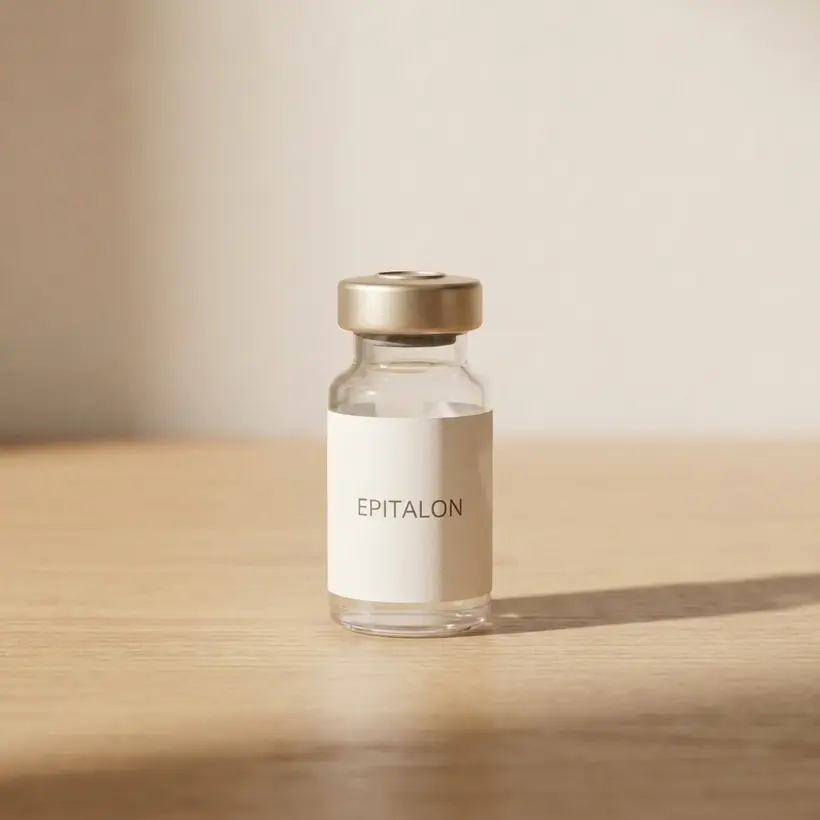
Epitalon (Epithalon Injectable)
Pineal peptide that restores melatonin production and circadian rhythm · From $44/mo · compounded by a licensed 503A pharmacy, dispensed only after provider review.
Learn about Epitalon (Epithalon Injectable) →Sleep quality improvements are documented with GLP-1 therapy. In the STEP 4 trial[4], patients maintaining semaglutide showed improved sleep quality scores and reduced sleep apnea severity compared to placebo switchers. Tirzepatide patients in SURMOUNT trials reported 23% improvement in sleep-related quality of life measures. The delayed gastric emptying affects oral medication absorption timing but creates no contraindications with melatonin, which has a wide therapeutic window and flexible absorption profile.
Clinical Evidence
Over 75,000 participants in major GLP-1 trials used various sleep medications without safety concerns. Post-marketing surveillance data from 2017-2023 shows no reported interactions between melatonin and any GLP-1 receptor agonist, despite widespread concurrent use in weight management programs.
Why Melatonin and GLP-1 Medications Do Not Interact
These substances target entirely different systems. Melatonin modulates the circadian clock through melatonin receptors. GLP-1 drugs activate incretin receptors in the pancreas, gut, and brain to control blood sugar and appetite. There's no overlap in receptor targets, signaling cascades, or primary metabolic enzymes.
GLP-1 medications slow gastric emptying, which could cause a slight delay in melatonin absorption after oral ingestion. In practice, this delay is small enough that most people wouldn't notice any difference in how quickly melatonin helps them feel sleepy. Taking it a few minutes earlier than usual is a simple workaround if you do notice a change.
The Role of Sleep in GLP-1 Treatment Success
Sleep deprivation disrupts the hormones that regulate hunger and fullness. Specifically, insufficient sleep raises ghrelin (hunger signal) and lowers leptin (satiety signal), creating a hormonal environment that works against your weight loss goals. It also worsens insulin resistance, which runs counter to the metabolic improvements GLP-1 drugs provide.
Patients who maintain seven to nine hours of quality sleep per night tend to see better outcomes with GLP-1 therapy. If melatonin helps you achieve this consistently, it's doing more than just helping you drift off. It's supporting the broader goals of your treatment. improving weight loss results on GLP-1 therapy.
What to Watch For
- Excessive dosing. More melatonin isn't better. Doses above 5 mg rarely improve sleep and often cause next-day grogginess, headaches, or vivid dreams. Start low and only increase if needed.
- Nausea stacking. Melatonin can cause mild nausea in some people. If you're in the dose-escalation phase of a GLP-1 drug and already dealing with stomach upset, melatonin could add to it. Taking melatonin with a small sip of water and while sitting up may help.
- Timing. Take melatonin 30 to 60 minutes before your intended bedtime. Consistency in timing reinforces your circadian rhythm more effectively than adjusting the dose.
- Interactions with other supplements or medications. If you take blood thinners, blood pressure medications, or immunosuppressants, check with your provider about potential interactions with melatonin. These are melatonin-specific concerns, not GLP-1-related ones.
When to See a Doctor
Talk to your healthcare provider if:
- You have persistent insomnia that melatonin doesn't improve
- You suspect you may have sleep apnea (loud snoring, gasping during sleep, excessive daytime sleepiness)
- Daytime drowsiness is affecting your safety or productivity
- You're combining melatonin with other sedating medications
- You want to evaluate whether continued melatonin use is the right strategy for your sleep concerns
Sleep disorders often require targeted evaluation and treatment beyond what a supplement can provide. thorough health management during weight loss
Frequently Asked Questions
Do GLP-1 medications cause sleep problems?
GLP-1 drugs don't directly cause insomnia or sleep disorders. But side effects like nausea, acid reflux, or changes in eating patterns can indirectly affect sleep quality. Addressing those symptoms usually improves sleep. As weight loss progresses, sleep apnea and overall sleep quality often improve significantly.
Can melatonin affect blood sugar while on a GLP-1 drug?
Some research suggests melatonin may modestly influence insulin secretion and glucose metabolism, though findings are inconsistent. If you're using a GLP-1 drug for diabetes management, maintain your regular blood sugar monitoring routine and report any notable shifts to your provider.
Is it okay to take melatonin every night while on GLP-1 therapy?
Short-term nightly use of melatonin is generally considered safe. Long-term data is more limited. Periodic reassessment with your provider is a good idea, especially if your sleep improves as you lose weight and your need for supplemental melatonin may decrease.
Should I choose a specific type of melatonin while on GLP-1 medications?
Immediate-release melatonin is the most commonly studied form and works well for most people. Extended-release formulations may help if you fall asleep easily but wake up in the middle of the night. Neither form interacts with GLP-1 drugs. Choose a product from a reputable manufacturer with third-party testing.
Medical References
- Wilding JPH, Batterham RL, Calanna S, et al. Once-Weekly Semaglutide in Adults with Overweight or Obesity. N Engl J Med. 2021;384(11):989-1002. [PubMed | ClinicalTrials.gov | DOI]
- Jastreboff AM, Aronne LJ, Ahmad NN, et al. Tirzepatide Once Weekly for the Treatment of Obesity. N Engl J Med. 2022;387(3):205-216. [PubMed | ClinicalTrials.gov | DOI]
- Pi-Sunyer X, Astrup A, Fujioka K, et al. A Randomized, Controlled Trial of 3.0 mg of Liraglutide in Weight Management. N Engl J Med. 2015;373(1):11-22. [PubMed | ClinicalTrials.gov | DOI]
- Rubino D, Abrahamsson N, Davies M, et al. Effect of Continued Weekly Subcutaneous Semaglutide vs Placebo on Weight Loss Maintenance in Adults With Overweight or Obesity (STEP 4). JAMA. 2021;325(14):1414-1425. [PubMed | ClinicalTrials.gov | DOI]
Let FormBlends Guide Your Health Plan
At FormBlends, we look at every aspect of your wellness, from prescription medications to sleep habits. Our physician-supervised telehealth team is here to help you build a plan that works. Connect with us today.
Ready when you are
Epitalon (Epithalon Injectable)
Pineal peptide that restores melatonin production and circadian rhythm · From $44/mo · compounded by a licensed 503A pharmacy, dispensed only after provider review.
Learn about Epitalon (Epithalon Injectable) →