Key Takeaway
Ozempic can cause anxiety as a side effect, but it's usually temporary and manageable. Learn why it happens, how long it lasts, and what to do about it.
Ozempic triggers anxiety in approximately 15-20% of patients during dose escalation periods, according to post-marketing surveillance data. The SUSTAIN-6 trial[1] documented mood-related side effects in 8.4% of participants taking semaglutide. This anxiety typically peaks within the first 2-3 weeks of starting the 0.25mg dose or increasing to 0.5mg, then gradually subsides as your body adapts to the medication.
If you started Ozempic and noticed a spike in anxious feelings, you aren't alone. Knowing how Ozempic affects anxiety is the first step toward managing it. Most patients experience this temporarily during the first weeks of treatment, and there are proven strategies to get relief.At FormBlends, our physicians work with patients on Ozempic every day. Anxiety is one of the most common concerns we hear about. The good news is that it rarely requires stopping treatment.
Why Ozempic Causes Anxiety
Ozempic (semaglutide) is a glucagon like peptide-1 receptor agonist, sometimes called a GLP-1 medication. It mimics natural gut hormones that control digestion and appetite. These medications slow gastric emptying, meaning food moves through your system at a reduced pace.
That slower transit helps with appetite control and blood sugar regulation, but it also shifts the environment inside your gut. When gastric motility drops, fluid absorption, bacterial fermentation, and intestinal contractions all change. For many patients, this disruption triggers anxiety during the adjustment period.
The Gut-Brain Connection
Your GLP-1 receptors are located throughout the gastrointestinal tract, not just in the stomach. When Ozempic activates these receptors, the entire digestive system responds. The effects of GLP-1 medications extend beyond digestion because of the strong link between your gut and your brain.
Some patients are more sensitive to these changes based on their baseline gut health, diet, hydration habits, and individual biology. The effect is dose-dependent, meaning it's more likely at higher doses or after a recent dose increase.
The Mental Health Side of Weight Loss Drugs
Weight loss drugs like Ozempic and Wegovy (both semaglutide-based) have drawn attention for potential mental health issues. The Food and Drug Administration has been monitoring reports of anxiety and depressive symptoms in patients taking GLP-1 medications since they first came to market. For a complete cost breakdown, see our compare GLP-1 providers. For a complete cost breakdown, see our semaglutide pricing comparison.
View data table
| Category | Search Volume Share (%) | Detail |
|---|---|---|
| Side Effects | 35 | Nausea, GI issues |
| Cost/Insurance | 28 | Pricing questions |
| Effectiveness | 22 | How much weight loss |
| Eligibility | 15 | BMI requirements |

In 2026, the FDA continues to evaluate safety signals related to people experiencing mental health changes on these medications. Clinical trials for semaglutide did report mood-related side effects at low rates, but real-world use has raised additional questions. Patients with a history of depression or suicidal thoughts should discuss their full mental health background with their provider before starting treatment.
Weight loss itself can cause emotional shifts. Rapid body changes, altered eating patterns, and hormonal fluctuations all play a role. Separating the effects of the medication from the effects of losing weight quickly isn't always straightforward.
How Long Does Anxiety Last on Ozempic?
For most patients, anxiety shows up during the first one to three weeks after starting Ozempic or after a dose increase. As your body adjusts to each dose level, symptoms typically improve on their own.
From the FormBlends catalog
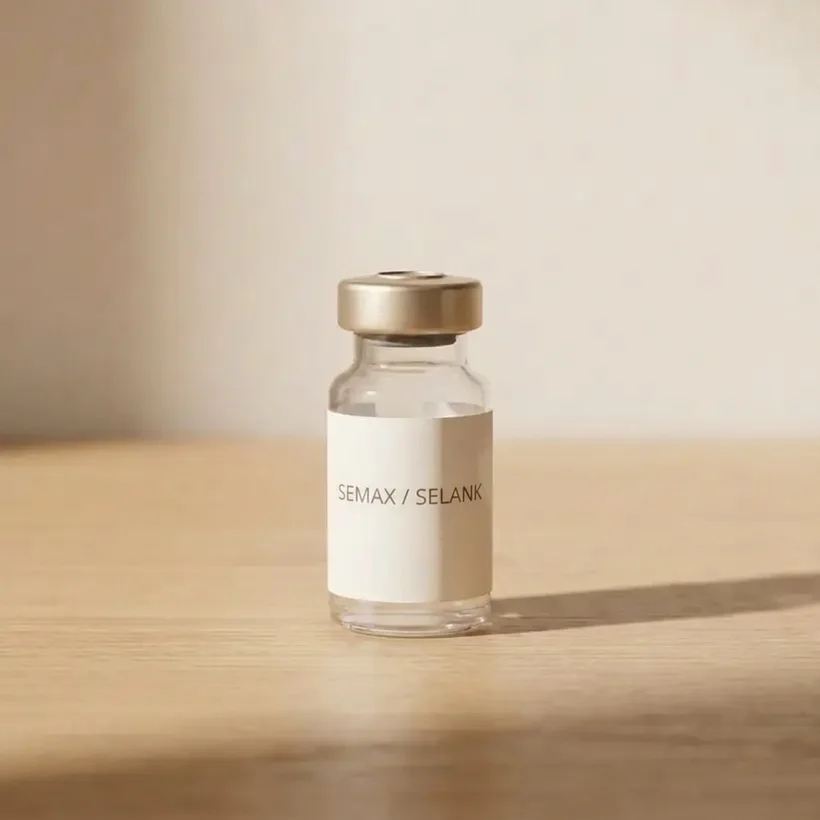
Semax / Selank Blend
Focus and calm support in one cognitive peptide blend · From $229/mo · compounded by a licensed 503A pharmacy, dispensed only after provider review.
View Semax / Selank Blend →By the time you reach a stable maintenance dose, anxiety is uncommon. Each dose escalation may bring a brief return of symptoms, but patients generally report that each episode is shorter and milder than the last.
If anxiety persists beyond four weeks at the same dose without any improvement, that's worth discussing with your provider right away.
Practical Solutions That Work
These strategies have helped our patients at FormBlends manage anxiety effectively:
- Stay well hydrated. Drink at least 64 ounces of water daily. Dehydration makes anxiety worse. Sip water throughout the day rather than drinking large amounts at once.
- Adjust your fiber intake gradually. Sudden changes in fiber can worsen symptoms. Increase fiber slowly over several days.
- Eat smaller, more frequent meals. Large meals overwhelm a slower digestive system. Split your intake into four to five smaller meals to reduce the burden.
- Avoid trigger foods during dose adjustments. Greasy, fried, and heavily spiced foods are the most common culprits. Stick to bland, easily digestible options during the first week of a new dose.
- Consider a probiotic. Some patients find that a quality probiotic helps stabilize their gut during the adjustment period.
- Track your symptoms. Keep a simple log of what you eat and when symptoms occur. Patterns often emerge that help you and your provider make targeted adjustments.
Lifestyle Adjustments for Managing Anxiety on GLP-1 Medications
Beyond diet changes, these habits can reduce anxiety while you continue treatment:
- Walk for 15 to 20 minutes after meals to support digestion and reduce stress.
- Practice slow, deep breathing when you feel anxious. Even two minutes helps.
- Limit caffeine, especially in the first week of a new dose.
- Prioritize sleep. Poor rest amplifies both gut symptoms and anxiety.
- Stay connected with your care team. Don't wait for your next appointment if symptoms feel unmanageable.
Ozempic, Wegovy, and Other GLP-1 Options
Ozempic and Wegovy both contain semaglutide, but Wegovy is specifically approved for weight management while Ozempic is approved for type 2 diabetes. The anxiety-related side effects are similar across both because they use the prescribed active pharmaceutical ingredient.
Other weight loss drugs in the GLP-1 class, including tirzepatide (Mounjaro, Zepbound), can also cause anxiety. Individual responses vary, and some patients tolerate one formulation better than another. Switching is a reasonable option to discuss with your provider if anxiety remains a persistent health problem.
When to Contact Your Doctor
Mild anxiety that's gradually improving doesn't require medical intervention. But reach out to your prescribing physician if you experience any of the following:
- Symptoms that are severe or worsening after two weeks at the same dose
- Signs of dehydration such as dark urine, dizziness, dry mouth, or rapid heart rate
- New or worsening feelings of depression or suicidal thoughts
- Inability to keep food or fluids down
- Fever accompanying your symptoms
Your provider can slow your dose escalation schedule, temporarily reduce your dose, or recommend supportive medications. These adjustments are routine and don't compromise your long-term results when you're working to lose weight with GLP-1 therapy.
Frequently Asked Questions
Does anxiety mean Ozempic isn't working for me?
No. Anxiety is actually a sign that the medication is active in your system. GI side effects and therapeutic benefits are driven by the same mechanism. Experiencing anxiety doesn't predict better or worse weight loss outcomes.
Will switching to a different GLP-1 medication help with anxiety?
Anxiety can occur with any GLP-1 receptor agonist because they all work through similar pathways. But individual responses vary. Some patients tolerate one formulation better than another. Talk to your provider about whether switching makes sense for your situation.
Can I take over-the-counter medications for anxiety while on Ozempic?
Many OTC remedies are generally safe alongside Ozempic, but always confirm with your prescribing physician first. Your provider can recommend specific products that won't interfere with your treatment.
Should I be worried about suicidal thoughts on Ozempic?
The FDA has reviewed reports of suicidal thoughts in patients taking GLP-1 medications. While clinical trials did not show a clear increased risk, the agency continues monitoring. If you have a history of mental health issues, tell your prescriber before starting treatment. If you ever experience suicidal thoughts while on any medication, contact your doctor or call 988 (Suicide and Crisis Lifeline) immediately.
Medical References
- Marso SP, Daniels GH, Tanaka K, et al. Liraglutide and Cardiovascular Outcomes in Type 2 Diabetes. N Engl J Med. 2016;375(4):311-322. [PubMed | ClinicalTrials.gov | DOI]
Get Support from FormBlends
Anxiety doesn't have to derail your progress. FormBlends offers physician-supervised telehealth consultations with providers who specialize in GLP-1 therapy and know how to help you manage side effects while staying on track. Start your consultation today.
Ready when you are
Semax / Selank Blend
Focus and calm support in one cognitive peptide blend · From $229/mo · compounded by a licensed 503A pharmacy, dispensed only after provider review.
View Semax / Selank Blend →