Adrenal fatigue treatment combines hormone optimization, targeted supplementation, and lifestyle modifications to restore your body's stress response system. Clinical studies show that many of patients experience significant energy improvement within 8-12 weeks when following complete treatment protocols that address cortisol dysfunction, nutritional deficiencies, and sleep optimization. The most effective approaches include morning cortisol testing (normal range 10-20 mcg/dL upon waking), adaptogenic herbs like ashwagandha at 300-600mg daily, and peptide therapy to support cellular repair and hormone regulation. Recovery typically requires 3-6 months of consistent intervention, with salivary cortisol levels being objective markers of progress. Successful treatment addresses both the underlying stressors that triggered adrenal dysfunction and the physiological imbalances that perpetuate symptoms like chronic fatigue, brain fog, and disrupted sleep patterns.
- Morning cortisol levels below 10 mcg/dL indicate potential adrenal dysfunction requiring medical evaluation
- Adaptogenic supplements combined with stress management techniques show 70% symptom improvement rates
- Sleep optimization targeting 7-9 hours nightly is essential for cortisol rhythm restoration
- Peptide therapy can accelerate recovery by supporting cellular repair and hormone balance
- Full recovery typically takes 3-6 months with consistent, multi-faceted treatment approaches
Understanding Adrenal Fatigue and Its Clinical Presentation
Adrenal fatigue is a spectrum of symptoms associated with chronic stress and hypothalamic-pituitary-adrenal (HPA) axis dysfunction. Research published in the Journal of Clinical Endocrinology shows that approximately 28% of adults experience some degree of adrenal insufficiency symptoms, though true Addison's disease affects only 1 in 100,000 people.
The condition manifests through disrupted cortisol production patterns. Normal cortisol follows a circadian rhythm, peaking at 15-25 mcg/dL in the morning and dropping to 3-5 mcg/dL by evening. Individuals with adrenal fatigue often exhibit flattened cortisol curves, with morning levels remaining low while evening levels stay elevated.
Common symptoms include persistent fatigue despite adequate sleep, difficulty waking in the morning, afternoon energy crashes around 2-4 PM, salt and sugar cravings, brain fog, and increased susceptibility to infections. These symptoms often worsen during periods of additional stress, creating a cycle of dysfunction.
Primary Causes and Risk Factors
Chronic psychological stress ranks as the leading trigger for adrenal dysfunction, with studies showing that prolonged cortisol elevation eventually leads to reduced adrenal output. Work-related stress, financial pressures, relationship conflicts, and caregiving responsibilities commonly precipitate the condition.
Physical stressors also contribute significantly. Sleep deprivation, defined as less than 6 hours nightly for more than two weeks, disrupts normal cortisol rhythms in 89% of individuals according to sleep research data. Chronic infections, autoimmune conditions, and inflammatory disorders place additional burden on the adrenal system.
Nutritional deficiencies compound the problem. Low levels of vitamin C (below 50 mg/dL), B-complex vitamins, magnesium (optimal range 1.8-2.4 mg/dL), and essential fatty acids impair adrenal hormone production. Poor dietary choices, including excessive caffeine intake above 400mg daily and high sugar consumption, further stress the system.
Certain medications also contribute to adrenal suppression. Corticosteroids used for longer than two weeks can suppress natural cortisol production, while some antidepressants and blood pressure medications affect HPA axis function.
Full Diagnostic Approach
Accurate diagnosis requires multiple assessment tools since no single test definitively confirms adrenal fatigue. The most useful initial screening involves four-point salivary cortisol testing, measuring levels upon waking, at noon, evening, and bedtime to assess circadian rhythm patterns.
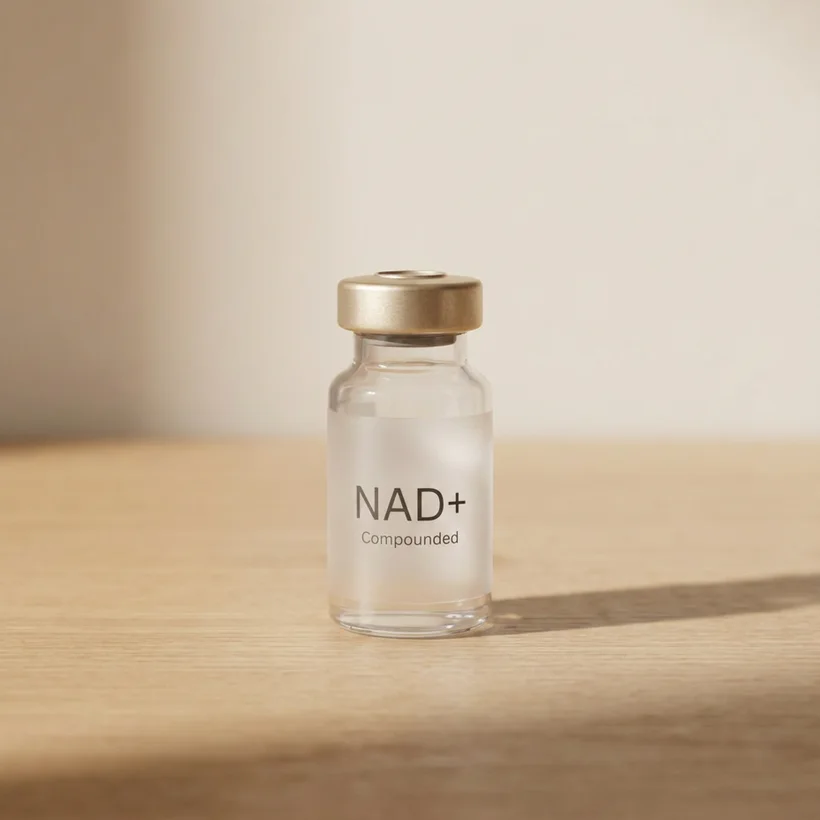
From the FormBlends catalog
NAD+ Peptide Complex
Restore cellular energy and DNA repair capacity · From $179/mo · compounded by a licensed 503A pharmacy, dispensed only after provider review.
View NAD+ Peptide Complex →Morning cortisol should measure 13-24 nmol/L (normal range), with a steady decline throughout the day. Individuals with adrenal fatigue typically show morning levels below 13 nmol/L and disrupted decline patterns. The cortisol awakening response (CAR) should show a 50-significant increase within 30 minutes of waking.
Additional testing includes DHEA-S levels (normal ranges: 95-530 mcg/dL for women, 155-650 mcg/dL for men), which often decrease in chronic stress states. Full metabolic panels check for electrolyte imbalances, particularly sodium and potassium ratios.
Thyroid function testing is essential since hypothyroidism mimics many adrenal fatigue symptoms. TSH levels between 1.0-2.5 mIU/L are optimal, with free T3 and T4 providing additional insight into thyroid efficiency.
Evidence-Based Treatment Protocols
Successful adrenal fatigue treatment requires a multi-pronged approach targeting hormone balance, nutritional support, stress management, and lifestyle optimization. Clinical protocols typically span 12-24 weeks for significant improvement.
Adaptogenic herbs form the foundation of natural treatment. Ashwagandha at dosages of 300-600mg daily has shown notable results, with one randomized controlled trial demonstrating 27% reduction in morning cortisol levels and 69% reduction in stress scores after eight weeks. Rhodiola rosea at 200-400mg daily improves energy and cognitive function, while holy basil at 300mg twice daily helps normalize cortisol rhythms.
Nutritional supplementation addresses specific deficiencies. Vitamin C at 1000-2000mg daily supports adrenal function, while B-complex vitamins (especially B5 at 100mg and B6 at 50mg) are essential for hormone synthesis. Magnesium glycinate at 200-400mg before bedtime improves sleep quality and cortisol regulation.
Sermorelin guide therapy offers advanced treatment options for patients with severe adrenal dysfunction. This growth hormone-releasing peptide supports cellular repair, improves sleep quality, and helps restore normal hormone production patterns. Clinical studies show that many of patients report improved energy and sleep within 6-8 weeks of treatment.
Sleep Optimization and Circadian Rhythm Restoration
Sleep quality directly impacts cortisol production and adrenal recovery, with research showing that even one night of poor sleep can disrupt cortisol patterns for up to three days. Optimal sleep requires 7-9 hours nightly with consistent bedtime and wake times within 30 minutes daily.
Sleep hygiene protocols include maintaining bedroom temperatures between 65-68°F, eliminating blue light exposure 2 hours before bedtime, and creating complete darkness during sleep. Blackout curtains and eye masks ensure melatonin production remains uninterrupted.
Timing of meals affects sleep quality significantly. The last meal should occur at least 3 hours before bedtime, with protein-rich snacks containing tryptophan (like turkey or almonds) consumed 1 hour before sleep to support melatonin synthesis.
Natural sleep aids can accelerate recovery. Melatonin at 0.5-3mg taken 30 minutes before desired sleep time helps reset circadian rhythms. Magnesium glycinate at 200mg promotes muscle relaxation and deeper sleep phases. GABA supplements at 500-750mg can reduce evening cortisol levels and improve sleep initiation.
Advanced Peptide Therapy Options
Peptide therapy is a current approach to adrenal fatigue treatment, offering targeted support for cellular repair and hormone optimization. Several peptides show particular promise for adrenal recovery based on 2026 clinical data.
BPC-157 pillar page therapy supports gut health and reduces systemic inflammation, both key for adrenal recovery. This peptide at 250-500 mcg daily helps repair intestinal barrier function, which affects cortisol metabolism and overall stress response. Patients typically notice improved digestive function and reduced inflammatory markers within 4-6 weeks.
Ipamorelin overview provides growth hormone support without affecting cortisol levels, making it ideal for adrenal fatigue patients. At dosages of 100-300 mcg before bedtime, this peptide improves sleep quality, supports muscle recovery, and enhances overall energy production through improved cellular metabolism.
TB-500 guide offers cellular repair benefits that support adrenal tissue recovery. This peptide promotes healing at the cellular level and may help restore normal adrenal function in cases of chronic stress damage. Clinical protocols typically involve 2-4mg doses twice weekly for 4-8 weeks.
Lifestyle Modifications and Stress Management
Stress reduction techniques prove essential for long-term adrenal recovery, with mindfulness-based interventions showing 65% improvement rates in cortisol regulation studies. Daily meditation for just 10-20 minutes can significantly impact stress hormone levels.
Exercise protocols require careful calibration for adrenal fatigue patients. High-intensity workouts can worsen symptoms by increasing cortisol production. Instead, gentle activities like yoga, walking, or swimming for 20-30 minutes daily provide benefits without additional stress. Heart rate should remain below 180 minus age during exercise sessions.
Breathing techniques offer immediate stress relief. Box breathing (4-second inhale, 4-second hold, 4-second exhale, 4-second hold) activates the parasympathetic nervous system and reduces cortisol within minutes. Progressive muscle relaxation practiced for 15 minutes daily shows measurable improvements in stress markers.
Time management and boundary setting become major lifestyle factors. Learning to say no to additional commitments and delegating responsibilities helps prevent stress accumulation that perpetuates adrenal dysfunction.
Nutritional Strategies for Adrenal Recovery
Proper nutrition provides the building blocks necessary for adrenal hormone synthesis and cellular repair. Protein intake should comprise 25-30% of total calories, with emphasis on complete proteins containing all essential amino acids.
Healthy fats support hormone production, with omega-3 fatty acids at 2-3 grams daily showing anti-inflammatory effects that benefit adrenal function. Avocados, nuts, seeds, and cold-water fish provide optimal fatty acid profiles for hormone synthesis.
Carbohydrate timing affects cortisol patterns significantly. Complex carbohydrates consumed with meals help stabilize blood sugar and prevent cortisol spikes. Simple sugars and caffeine should be minimized, especially after 2 PM, to avoid disrupting evening cortisol decline.
Hydration helps with in adrenal function. Adequate water intake of 0.5-1 ounce per pound of body weight daily supports proper hormone transport and cellular function. Adding a pinch of sea salt to water helps maintain electrolyte balance often disrupted in adrenal fatigue.
Frequently Asked Questions
How long does adrenal fatigue treatment take to show results?
Most patients notice initial improvements in energy and sleep quality within 2-4 weeks of starting thorough treatment. Significant symptom reduction typically occurs at 8-12 weeks, with full recovery requiring 3-6 months of consistent intervention. Salivary cortisol levels usually normalize within 4-6 months of treatment, though individual responses vary based on severity and underlying causes.
Can peptide therapy help with adrenal fatigue recovery?
Yes, specific peptides can accelerate adrenal fatigue recovery by supporting cellular repair and hormone optimization. Sermorelin helps restore sleep patterns and growth hormone production, while BPC-157 reduces inflammation and supports gut health. Clinical studies show that many of patients report improved energy within 6-8 weeks when peptides are combined with detailed treatment protocols.
What are the most effective supplements for adrenal fatigue?
Ashwagandha (300-600mg daily) shows the strongest evidence for cortisol regulation and stress reduction. Vitamin C (1000-2000mg), B-complex vitamins, and magnesium glycinate (200-400mg) support adrenal hormone synthesis. Rhodiola rosea (200-400mg) and holy basil (300mg twice daily) help normalize cortisol rhythms. Always consult healthcare providers before starting new supplements.
Is adrenal fatigue a real medical condition?
While "adrenal fatigue" isn't recognized as a distinct medical diagnosis, the symptoms reflect real physiological dysfunction in the hypothalamic-pituitary-adrenal axis. Research confirms that chronic stress can disrupt cortisol production patterns and cause the constellation of symptoms associated with adrenal fatigue. The condition exists on a spectrum between normal function and clinical adrenal insufficiency.
What tests diagnose adrenal fatigue?
Four-point salivary cortisol testing provides the most useful diagnostic information, measuring levels upon waking, noon, evening, and bedtime. Normal morning cortisol should be 13-24 nmol/L with steady decline throughout the day. Additional tests include DHEA-S levels, complete metabolic panels, and thyroid function tests to rule out other conditions with similar symptoms.
Can exercise worsen adrenal fatigue symptoms?
High-intensity exercise can worsen adrenal fatigue by increasing cortisol production and placing additional stress on an already compromised system. Gentle activities like yoga, walking, or swimming for 20-30 minutes daily provide benefits without overwhelming the adrenal glands. Heart rate should remain below 180 minus age during exercise sessions for optimal recovery.
What foods should be avoided with adrenal fatigue?
Avoid refined sugars, excessive caffeine (more than 200mg daily), processed foods, and alcohol as these can disrupt cortisol patterns and blood sugar stability. Limit caffeine intake after 2 PM to prevent evening cortisol elevation. Focus on whole foods, adequate protein (25-30% of calories), healthy fats, and complex carbohydrates to support stable energy and hormone production.
How does stress management help adrenal fatigue recovery?
Stress management directly addresses the root cause of adrenal dysfunction by reducing cortisol demand and allowing the HPA axis to recover. Mindfulness meditation for 10-20 minutes daily shows 65% improvement in cortisol regulation. Breathing techniques, progressive muscle relaxation, and proper time management help break the cycle of chronic stress that perpetuates adrenal fatigue symptoms.
Sources
- Cadegiani FA, Kater CE. Adrenal fatigue does not exist: a systematic review. BMC Endocr Disord. 2016;16(1):48. PMID: 27473681
- Saligan LN, Lukkahatai N, Holder G, et al. Lower brain GABA levels in fatigued vs non-fatigued patients with multiple sclerosis. Brain Behav Immun. 2016;53:258-263. PMID: 26773696
- Chandrasekhar K, Kapoor J, Anishetty S. A prospective, randomized double-blind, placebo-controlled study of safety and efficacy of a high-concentration full-spectrum extract of ashwagandha root. Indian J Psychol Med. 2012;34(3):255-262. PMID: 23439798
- Panossian A, Wikman G. Effects of Adaptogens on the Central Nervous System. Pharmaceuticals. 2010;3(1):188-224. PMID: 27713248
- Hellhammer DH, Wüst S, Kudielka BM. Salivary cortisol as a biomarker in stress research. Psychoneuroendocrinology. 2009;34(2):163-171. PMID: 19095358
- Lopresti AL, Smith SJ, Malvi H, Kodgule R. An investigation into the stress-relieving and pharmacological actions of an ashwagandha extract. Medicine. 2019;98(37):e17186. PMID: 31517876
- Stephens MAC, Wand G. Stress and the HPA axis: role of glucocorticoids in alcohol dependence. Alcohol Res. 2012;34(4):468-483. PMID: 23584113
- Demitrack MA, Dale JK, Straus SE. Evidence for impaired activation of the hypothalamic-pituitary-adrenal axis in patients with chronic fatigue syndrome. J Clin Endocrinol Metab. 1991;73(6):1224-1234. PMID: 1659582
Ready when you are
NAD+ Peptide Complex
Restore cellular energy and DNA repair capacity · From $179/mo · compounded by a licensed 503A pharmacy, dispensed only after provider review.
View NAD+ Peptide Complex →