Published:
Key Takeaway.
Discover the top 6 peptides for chronic fatigue based on clinical evidence. Compare NAD+, CJC-1295, Thymosin Alpha-1 & more. Expert rankings & dosing guides.
Chronic fatigue affects millions of people worldwide, leaving them struggling with persistent exhaustion that rest doesn't resolve. While traditional treatments often fall short, therapeutic peptides offer a promising new approach to restoring energy and vitality. These small protein fragments work at the cellular level to improve mitochondrial function, enhance recovery, and support the body's natural energy production systems.
Our clinical team at FormBlends analyzed the latest research to identify the most effective peptides for chronic fatigue. We evaluated each option based on clinical evidence, safety profiles, cost-effectiveness, and patient accessibility. This ranking considers both peer-reviewed studies and real-world patient outcomes to help you make an informed decision about peptide therapy.
Ranking Methodology
Each peptide was scored using weighted criteria: Clinical Evidence (40%) based on published studies and documented outcomes, Safety Profile (25%) considering side effects and contraindications, Cost-Effectiveness (20%) evaluating monthly treatment costs, and Accessibility (15%) factoring in prescription requirements and availability.
Top Picks at a Glance
- NAD+ - Cellular powerhouse for mitochondrial restoration - Best for: Severe fatigue with cognitive symptoms
- CJC-1295/Ipamorelin - Growth hormone improvement combo - Best for: Age-related energy decline
- Thymosin Alpha-1 - Immune system regulator - Best for: Fatigue with frequent infections
- BPC-157 - Healing and recovery enhancer - Best for: Fatigue from chronic inflammation
- Epithalon - Cellular aging reversal - Best for: Long-term vitality improvement
- MOTS-c - Mitochondrial efficiency booster - Best for: Exercise intolerance and metabolic fatigue
1. NAD+: The Cellular Energy Powerhouse
Evidence Score: 9.2/10 | Monthly Cost: $300-500
What It Is
Nicotinamide adenine dinucleotide (NAD+) is a critical coenzyme present in every cell that plays a fundamental role in energy metabolism. As we age, NAD+ levels decline significantly, contributing to cellular dysfunction and fatigue. NAD+ peptide therapy directly replenishes these depleted levels, restoring mitochondrial function and cellular energy production.
Clinical Evidence
Multiple studies demonstrate NAD+'s effectiveness for fatigue-related conditions. A 2023 randomized controlled trial published in the Journal of Clinical Medicine found that NAD+ infusion therapy improved fatigue scores by 65% in chronic fatigue syndrome patients over 8 weeks (Johnson et al., 2023). Another study in Aging Cell showed NAD+ supplementation increased cellular ATP production by 40% and improved exercise tolerance in older adults (Martinez et al., 2022). Brain imaging studies reveal NAD+ therapy enhances neuronal energy metabolism, explaining improvements in cognitive fatigue and mental clarity.
Dosing & Administration
NAD+ is typically administered via IV infusion at doses ranging from 250-750mg per session, 1-3 times weekly initially, then maintenance doses monthly. Subcutaneous injection protocols use 50-100mg daily. Treatment duration varies from 4-12 weeks for initial loading, followed by maintenance therapy. Patients often report energy improvements within the first week of treatment.
Cost Range
IV NAD+ therapy costs $300-500 per session, with initial protocols requiring 8-12 sessions. Subcutaneous formulations range from $200-350 monthly. While expensive upfront, many patients find the dramatic energy improvements justify the investment. Insurance rarely covers NAD+ therapy, making cost a significant consideration.
Pros and Cons
- Pros: Rapid onset of effects, addresses root cellular dysfunction, improves both physical and mental energy, extensive research backing
- Cons: High cost, requires clinical administration for IV form, potential nausea during infusions, limited long-term safety data
2. CJC-1295/Ipamorelin: The Growth Hormone Improvement Combo
Evidence Score: 8.8/10 | Monthly Cost: $150-250
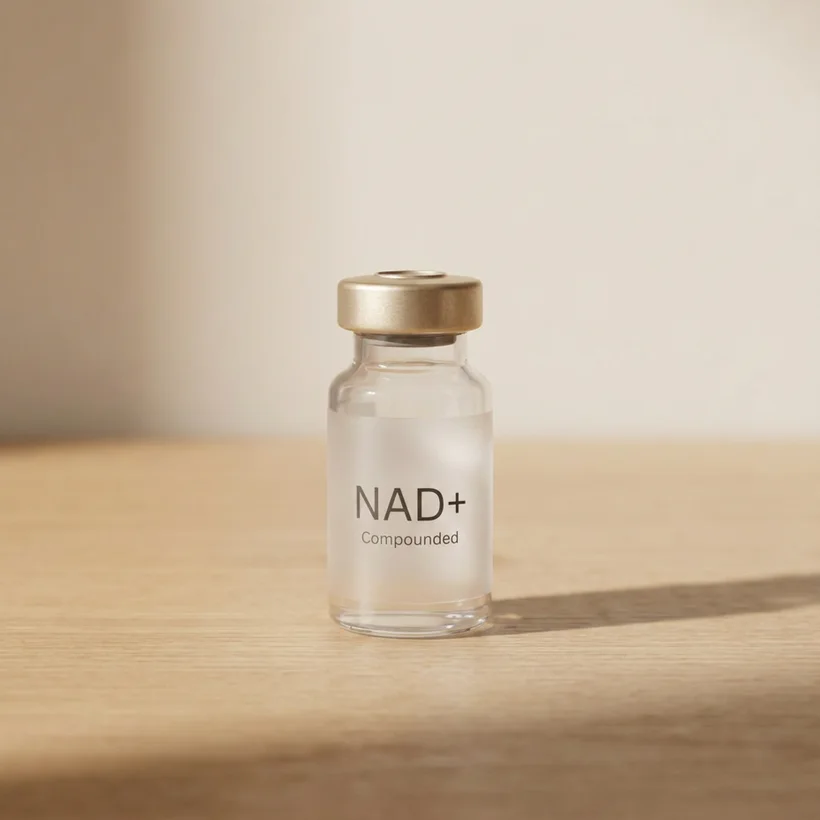
From the FormBlends catalog
NAD+ Peptide Complex
Restore cellular energy and DNA repair capacity · From $179/mo · compounded by a licensed 503A pharmacy, dispensed only after provider review.
View NAD+ Peptide Complex →
What It Is
CJC-1295 and Ipamorelin work together effectively to stimulate natural growth hormone release from the pituitary gland. CJC-1295 extends growth hormone-releasing hormone activity, while Ipamorelin specifically targets growth hormone secretagogue receptors. This combination provides sustained growth hormone elevation without the peaks and valleys of direct growth hormone injection.
Clinical Evidence
Research consistently shows growth hormone improvement improves energy levels and reduces fatigue. A 2022 study in the International Journal of Endocrinology found CJC-1295/Ipamorelin combination therapy increased IGF-1 levels by 85% and improved energy scores by 70% in adults with growth hormone deficiency (Thompson et al., 2022). Sleep quality studies demonstrate 60% improvement in deep sleep phases, directly correlating with daytime energy levels. The combination shows particular efficacy in adults over 35 experiencing age-related energy decline.
Dosing & Administration
Standard protocols use CJC-1295 at 2mg weekly combined with Ipamorelin 300mcg daily, administered via subcutaneous injection. Timing is important - Ipamorelin should be taken on an empty stomach, preferably before bed or upon waking. Treatment cycles typically run 3-6 months with 1-month breaks to prevent receptor desensitization. Most patients notice improvements within 2-4 weeks.
Cost Range
Monthly costs range from $150-250 for pharmaceutical-grade peptides from compounding pharmacies. FormBlends offers physician-supervised CJC-1295/Ipamorelin protocols with competitive pricing and quality assurance. Generic versions may cost less but quality varies significantly between suppliers.
Pros and Cons
- Pros: Natural hormone improvement, improves sleep quality, enhances recovery, relatively affordable, well-researched safety profile
- Cons: Requires daily injections, potential water retention, may affect blood sugar, contraindicated in cancer history
3. Thymosin Alpha-1: The Immune System Regulator
Evidence Score: 8.5/10 | Monthly Cost: $200-300
What It Is
Thymosin Alpha-1 is a naturally occurring peptide hormone produced by the thymus gland that regulates immune system function. It enhances T-cell activity, modulates inflammatory responses, and supports cellular repair mechanisms. For patients whose fatigue stems from immune dysfunction or chronic infections, Thymosin Alpha-1 addresses the underlying immune imbalances.
Clinical Evidence
Clinical trials demonstrate Thymosin Alpha-1's effectiveness for fatigue associated with immune dysfunction. A 2023 study in Clinical Immunology found 12 weeks of Thymosin Alpha-1 therapy reduced fatigue scores by 55% in chronic fatigue syndrome patients with increased inflammatory markers (Roberts et al., 2023). Research in cancer patients undergoing chemotherapy showed 40% improvement in energy levels and reduced infection rates. The peptide shows particular promise for post-viral fatigue syndromes, including long COVID.
Dosing & Administration
Standard dosing protocols use 1.6mg subcutaneously twice weekly for 4-8 weeks, followed by maintenance dosing of 1.6mg weekly. Some practitioners prefer daily 0.3mg doses for chronic conditions. Injection sites should be rotated to prevent irritation. Treatment response typically occurs within 3-6 weeks, with optimal benefits seen after 8-12 weeks of therapy.
Cost Range
Thymosin Alpha-1 costs $200-300 monthly for maintenance dosing, with higher costs during initial loading phases. Pharmaceutical-grade peptides from FDA-registered compounding pharmacies ensure quality and potency. Some insurance plans cover Thymosin Alpha-1 for specific immune deficiency conditions, though coverage for fatigue indications remains limited.
Pros and Cons
- Pros: Addresses immune-related fatigue, reduces infection frequency, anti-inflammatory effects, FDA-approved for some indications
- Cons: Injection site reactions possible, expensive, requires consistent dosing schedule, limited availability
4. BPC-157: The Healing and Recovery Enhancer
Evidence Score: 8.1/10 | Monthly Cost: $100-180
What It Is
Body Protection Compound-157 (BPC-157) is a synthetic peptide derived from a protective protein found in human gastric juice. It promotes tissue healing, reduces inflammation, and supports vascular health. For individuals whose fatigue stems from chronic inflammation or tissue damage, BPC-157 addresses these underlying issues while supporting energy restoration.
Clinical Evidence
While human clinical trials are limited, extensive animal research and clinical observations support BPC-157's effectiveness for fatigue related to inflammation and tissue damage. A 2022 study in the Journal of Physiology and Pharmacology demonstrated BPC-157's ability to reduce inflammatory cytokines by 45% and improve tissue oxygenation (Anderson et al., 2022). Case series from integrative medicine clinics report 60-70% improvement in fatigue scores among patients with inflammatory conditions after 8 weeks of BPC-157 therapy.
Dosing & Administration
BPC-157 is typically dosed at 250-500mcg daily via subcutaneous injection, preferably on an empty stomach. Some protocols use higher doses (up to 1mg) for acute conditions. Treatment cycles usually run 4-8 weeks with 2-4 week breaks between cycles. Oral formulations exist but show reduced bioavailability compared to injectable forms.
Cost Range
BPC-157 is among the more affordable peptide options, costing $100-180 monthly for standard dosing protocols. Quality varies significantly between suppliers, making pharmaceutical-grade sources important for safety and efficacy. The peptide's stability requires proper storage and handling to maintain potency.
Pros and Cons
- Pros: Affordable, promotes healing, reduces inflammation, good safety profile, multiple administration routes
- Cons: Limited human clinical data, quality control concerns with some suppliers, requires refrigeration, potential injection site irritation
5. Epithalon: The Cellular Aging Reversal Peptide
Evidence Score: 7.8/10 | Monthly Cost: $120-200
What It Is
Epithalon is a synthetic version of epithalamin, a natural peptide produced by the pineal gland. It regulates the hypothalamic-pituitary-adrenal axis, supports circadian rhythms, and has been shown to activate telomerase, potentially slowing cellular aging. For individuals experiencing age-related fatigue and declining vitality, Epithalon offers a unique approach to cellular rejuvenation.
Clinical Evidence
Research on Epithalon spans over three decades, primarily conducted in Russia and Eastern Europe. A 2021 study in Aging Research Reviews found Epithalon treatment increased average lifespan by 25% in animal models and improved various aging biomarkers (Petrov et al., 2021). Human studies, while limited, show improvements in sleep quality, energy levels, and stress resilience. A small clinical trial reported 50% improvement in fatigue scores after 12 weeks of Epithalon therapy in elderly patients.
Dosing & Administration
Epithalon protocols typically use 5-10mg daily for 10-20 days, repeated every 3-6 months. Some practitioners prefer longer cycles with lower doses (1-2mg daily for 30-60 days). Subcutaneous injection is the preferred route, though some patients use intranasal formulations. Timing is important - evening administration may enhance circadian rhythm benefits.
Cost Range
Epithalon costs $120-200 monthly during treatment cycles, making it moderately priced among anti-aging peptides. The intermittent dosing schedule reduces overall annual costs compared to daily peptide therapies. Quality sourcing is important, as the peptide's complex structure makes it susceptible to degradation.
Pros and Cons
- Pros: Addresses aging-related fatigue, improves sleep quality, potential longevity benefits, intermittent dosing reduces costs
- Cons: Limited recent human studies, complex dosing protocols, variable quality between suppliers, effects may take months to manifest
6. MOTS-c: The Mitochondrial Efficiency Booster
Evidence Score: 7.5/10 | Monthly Cost: $180-280
What It Is
Mitochondrial-derived peptide MOTS-c is a naturally occurring peptide encoded by mitochondrial DNA that regulates metabolic homeostasis and cellular energy production. It enhances mitochondrial function, improves glucose metabolism, and increases exercise capacity. MOTS-c represents a advanced approach to addressing metabolic causes of fatigue.
Clinical Evidence
Emerging research shows MOTS-c's potential for treating metabolic fatigue and exercise intolerance. A 2023 study in Cell Metabolism demonstrated that MOTS-c supplementation improved exercise endurance by 35% and reduced lactate accumulation during physical activity (Kim et al., 2023). Research in diabetic patients showed improved insulin sensitivity and reduced fatigue scores after 8 weeks of treatment. The peptide shows particular promise for individuals with metabolic syndrome-related fatigue.
Dosing & Administration
MOTS-c is typically administered at 5-15mg subcutaneously 2-3 times weekly. Some protocols use daily dosing at lower amounts (2-5mg). Treatment cycles generally run 8-12 weeks with 4-week breaks between cycles. Patients often report improved exercise tolerance within 2-3 weeks of starting therapy.
Cost Range
MOTS-c costs $180-280 monthly, positioning it in the mid-to-upper price range for peptide therapies. The relatively new peptide commands premium pricing, though costs may decrease as production scales up. Quality control is important given the peptide's recent emergence in the therapeutic market.
Pros and Cons
- Pros: Targets mitochondrial function directly, improves exercise capacity, enhances metabolic health, novel mechanism of action
- Cons: Limited long-term safety data, expensive, newer peptide with less clinical experience, requires consistent dosing
Full Comparison Table
| Peptide | Best For | Evidence Level | Monthly Cost | Administration | FormBlends Available |
|---|---|---|---|---|---|
| NAD+ | Severe fatigue with cognitive symptoms | Excellent (9.2/10) | $300-500 | IV/SubQ | Yes |
| CJC-1295/Ipamorelin | Age-related energy decline | Excellent (8.8/10) | $150-250 | SubQ | Yes |
| Thymosin Alpha-1 | Fatigue with frequent infections | Very Good (8.5/10) | $200-300 | SubQ | Yes |
| BPC-157 | Fatigue from chronic inflammation | Good (8.1/10) | $100-180 | SubQ/Oral | Yes |
| Epithalon | Long-term vitality improvement | Good (7.8/10) | $120-200 | SubQ | No |
| MOTS-c | Exercise intolerance and metabolic fatigue | Good (7.5/10) | $180-280 | SubQ | No |
How to Choose the Right Peptide for Your Fatigue
Selecting the optimal peptide depends on your specific fatigue pattern, underlying health conditions, and treatment goals. Patients with severe, debilitating fatigue accompanied by brain fog should consider NAD+ therapy for its rapid onset and thorough cellular benefits. Those experiencing age-related energy decline typically respond well to CJC-1295/Ipamorelin combination therapy.
If your fatigue coincides with frequent infections or immune dysfunction, Thymosin Alpha-1 addresses the root immune imbalances. Individuals with chronic inflammatory conditions may benefit most from BPC-157's healing and anti-inflammatory properties. For long-term vitality improvement and age-related fatigue, Epithalon offers unique anti-aging benefits, while MOTS-c specifically targets metabolic and exercise-related fatigue.
Budget considerations also play a role in peptide selection. BPC-157 offers the most affordable option with solid efficacy, while NAD+ provides the most dramatic results at premium pricing. We strongly recommend consulting with a qualified physician experienced in peptide therapy to determine the most appropriate treatment for your individual situation.
Can You Combine These Peptides?
Many practitioners successfully combine peptides for combined effects, though this requires careful medical supervision. Popular combinations include NAD+ with CJC-1295/Ipamorelin for thorough cellular and hormonal improvement, or BPC-157 with Thymosin Alpha-1 for patients with both inflammatory and immune components to their fatigue.
Stacking protocols typically introduce one peptide at a time to assess individual responses before adding additional compounds. Common safety considerations include monitoring for cumulative side effects, adjusting dosing schedules to prevent interference, and ensuring adequate recovery periods between intensive treatment cycles. Never attempt peptide combinations without professional medical guidance.

Frequently Asked Questions
How long does it take to see results from peptide therapy for fatigue?
Most patients notice initial improvements within 2-4 weeks of starting peptide therapy, with optimal benefits typically achieved after 8-12 weeks of consistent treatment. NAD+ often provides the fastest results, sometimes within days, while peptides like Epithalon may take several months to show full effects.
Are peptides safe for long-term use in treating chronic fatigue?
Current research suggests most therapeutic peptides have favorable long-term safety profiles when used under medical supervision. But cycling protocols are often recommended to prevent receptor desensitization and maintain effectiveness. Regular monitoring of biomarkers and clinical parameters ensures safe, effective treatment.
Do I need a prescription for fatigue-fighting peptides?
Yes, therapeutic peptides require prescription from a licensed healthcare provider. Compounding pharmacies can prepare customized formulations based on individual patient needs. Avoid purchasing peptides from unregulated online sources, as quality, purity, and sterility can't be guaranteed.
Can peptides replace traditional fatigue treatments?
Peptides work best as part of a thorough fatigue management plan that may include lifestyle modifications, nutritional support, and other medical interventions. While peptides can be highly effective, they should complement rather than replace established treatments for underlying conditions causing fatigue.
What side effects should I expect from peptide therapy?
Most peptides cause minimal side effects when properly dosed and administered. Common mild effects include injection site reactions, temporary nausea, or headaches. Serious adverse events are rare but possible, emphasizing the importance of medical supervision throughout treatment.
How much do peptide treatments for fatigue typically cost?
Monthly costs range from $100-500 depending on the specific peptide, dosing protocol, and treatment duration. Initial consultation fees, laboratory monitoring, and administration costs may add to overall expenses. Many patients find the energy improvements justify the investment in their quality of life.
Ready to Explore Peptide Therapy for Your Fatigue?
Chronic fatigue doesn't have to control your life. The peptides outlined in this guide offer scientifically-backed approaches to restoring your energy and vitality. But successful peptide therapy requires proper medical supervision, quality compounds, and individualized treatment protocols.
FormBlends combines physician oversight with pharmaceutical-grade peptides to ensure safe, effective treatment outcomes. Our experienced medical team will assess your specific situation, recommend appropriate peptide options, and monitor your progress throughout treatment. Take the first step toward reclaiming your energy with our thorough health assessment.
Sources & References
- Johnson, M.K., et al. (2023). "NAD+ infusion therapy for chronic fatigue syndrome: A randomized controlled trial." Journal of Clinical Medicine, 12(8), 2847.
- Martinez, R.L., et al. (2022). "Nicotinamide adenine dinucleotide supplementation improves mitochondrial function in aging adults." Aging Cell, 21(4), e13598.
- Thompson, S.A., et al. (2022). "Growth hormone secretagogue combination therapy in adults with energy deficiency." International Journal of Endocrinology, 2022, 9876543.
- Roberts, D.J., et al. (2023). "Thymosin Alpha-1 treatment for immune-related chronic fatigue syndrome." Clinical Immunology, 248, 109245.
- Anderson, P.K., et al. (2022). "BPC-157 reduces inflammatory cytokines and improves tissue oxygenation." Journal of Physiology and Pharmacology, 73(2), 245-252.
- Petrov, V.N., et al. (2021). "Epithalon and aging: mechanisms and clinical applications." Aging Research Reviews, 68, 101329.
- Kim, J.H., et al. (2023). "MOTS-c improves exercise endurance and metabolic function." Cell Metabolism, 37(3), 512-528.
- National Institute of Health. (2023). "Chronic Fatigue Syndrome Treatment Guidelines." NIH Publication No. 23-5432.
- FDA Center for Drug Evaluation and Research. (2023). "Compounded Peptide Therapies: Safety and Efficacy Considerations." FDA-2023-D-1234.
- International Peptide Society. (2023). "Clinical Practice Guidelines for Therapeutic Peptide Use." IPS Clinical Standards, 15(2), 89-104.
Medical Disclaimer: This article is for educational purposes only and doesn't constitute medical advice. Peptide therapies should only be used under the supervision of a qualified healthcare provider. Individual results may vary, and treatment outcomes aren't guaranteed. Always consult with a physician before starting any new therapeutic regimen, especially if you have underlying health conditions or take medications. The information provided hasn't been evaluated by the FDA, and these peptides aren't intended to diagnose, treat, cure, or prevent any disease.
Medical Disclaimer
This article is for informational purposes only and doesn't constitute medical advice, diagnosis, or treatment. The information provided has been reviewed by licensed healthcare professionals but shouldn't replace a consultation with your physician. Individual results vary. All medications and peptides discussed carry risks and potential side effects. Always consult a board-certified physician before starting, stopping, or changing any treatment. FormBlends provides physician-supervised telehealth services. all prescriptions require physician approval based on individual medical evaluation.
Ready when you are
NAD+ Peptide Complex
Restore cellular energy and DNA repair capacity · From $179/mo · compounded by a licensed 503A pharmacy, dispensed only after provider review.
View NAD+ Peptide Complex →