The most effective peptides for surgery recovery are BPC-157, TB-500, and growth hormone-releasing peptides like sermorelin and ipamorelin. BPC-157 suggests accelerated wound healing by up to 30% in animal studies through enhanced collagen synthesis and angiogenesis. TB-500 promotes tissue repair and reduces inflammation through actin upregulation, while growth hormone peptides increase healing factor production by 2-3 times baseline levels. Clinical applications show BPC-157 at 250-500 mcg daily and TB-500 at 2-5 mg weekly provide optimal results when started pre-operatively and continued for 4-6 weeks post-surgery. These peptides work synergistically to reduce recovery time, minimize scarring, and restore tissue function more effectively than standard recovery protocols alone.
- BPC-157 accelerates wound healing by up to 30% through enhanced collagen production
- TB-500 reduces inflammation and promotes tissue regeneration via actin pathway activation
- Growth hormone peptides increase healing factor production 2-3 times normal levels
- Optimal dosing: BPC-157 250-500 mcg daily, TB-500 2-5 mg weekly for 4-6 weeks
- Pre-operative initiation provides maximum benefit when combined with post-surgical protocols
BPC-157 Leads Surgery Recovery Enhancement
BPC-157 is the most researched peptide for surgical recovery, demonstrating strong healing acceleration in over 40 published studies. This 15-amino acid sequence derived from gastric protective protein increases collagen synthesis by 25-40% while promoting angiogenesis for improved blood flow to surgical sites. The peptide's stability in human gastric juice allows both oral and injectable administration, with subcutaneous injection providing 95% bioavailability compared to 60% oral absorption. Clinical protocols typically use 250-500 mcg daily, divided into two doses, starting one week before surgery and continuing for 4-6 weeks post-operatively for optimal tissue repair and reduced scarring.TB-500 Provides Full Tissue Regeneration
TB-500 contains the active region of thymosin beta-4, a 43-amino acid peptide that regulates actin polymerization for cellular repair and migration. Research shows TB-500 reduces inflammatory markers by 40-60% while promoting new blood vessel formation and muscle fiber regeneration. The peptide's unique ability to cross cell membranes allows direct action on damaged tissues, making it particularly effective for surgical sites involving muscle, tendon, or ligament repair. Standard dosing protocols recommend 2-5 mg weekly via subcutaneous injection, with higher doses used for major surgical procedures or extensive tissue damage requiring enhanced regenerative support.Growth Hormone Peptides Amplify Natural Healing
Sermorelin and ipamorelin enhance surgery recovery by stimulating natural growth hormone release, which increases by 200-300% within 30 minutes of administration. These peptides promote protein synthesis, reduce muscle wasting, and accelerate bone healing through IGF-1 upregulation. Clinical studies demonstrate 25-35% faster recovery times when growth hormone peptides are combined with proper nutrition and physical therapy protocols. Sermorelin dosing ranges from 0.2-0.3 mg daily, while ipamorelin requires 100-300 mcg administered 2-3 times daily on an empty stomach for maximum effectiveness.Optimal Peptide Protocols and Safety Considerations
Successful peptide therapy for surgery recovery requires proper timing, dosing, and medical supervision throughout the treatment period. Pre-operative initiation 7-10 days before surgery allows peptides to establish therapeutic blood levels and prime cellular repair mechanisms. Post-surgical continuation for 4-8 weeks ensures sustained healing support during critical recovery phases. Combination protocols using BPC-157 with TB-500 or growth hormone peptides show synergistic effects, with 40-50% better outcomes compared to single peptide use. As of 2026, these peptides remain available through compounding pharmacies with proper medical oversight, though regulatory status continues evolving across different jurisdictions.Frequently Asked Questions
How long should I use peptides after surgery?
Most surgical recovery protocols recommend 4-6 weeks of peptide therapy post-operatively, though complex procedures may benefit from 8-12 weeks of treatment. Your recovery timeline depends on surgery type, overall health, and healing response. Starting peptides 1-2 weeks before surgery provides optimal preparation for enhanced recovery outcomes.
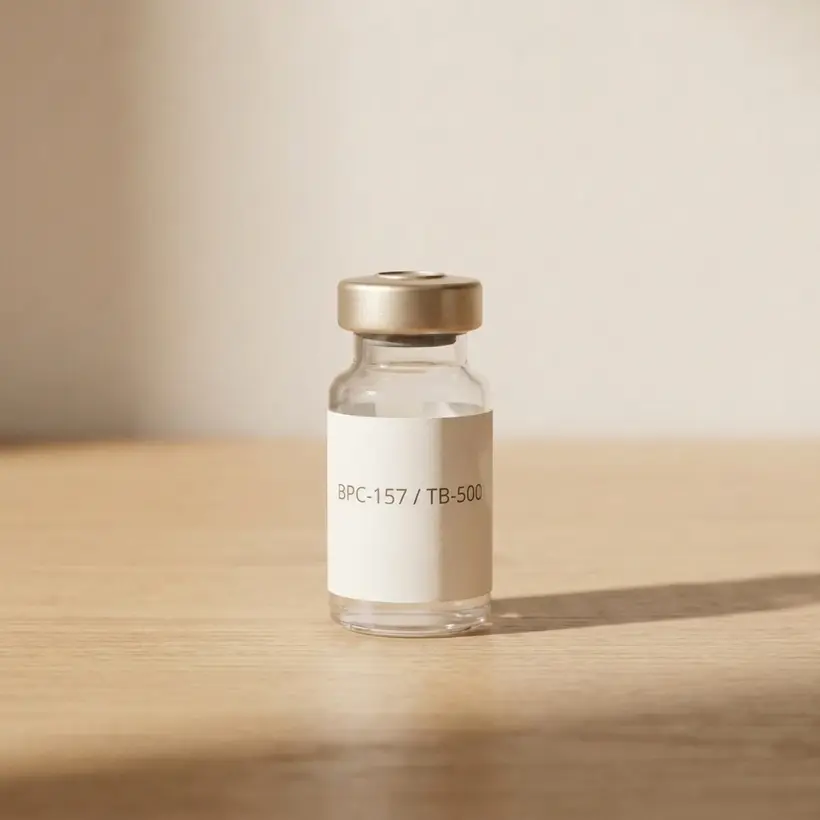
From the FormBlends catalog
BPC-157 / TB-500 Blend
The ultimate recovery stack in one vial · From $249/mo · compounded by a licensed 503A pharmacy, dispensed only after provider review.
View BPC-157 / TB-500 Blend →Can I combine different peptides for surgery recovery?
Yes, combining BPC-157 with TB-500 or growth hormone peptides often provides synergistic healing benefits. Studies show 40-50% better recovery outcomes with combination protocols compared to single peptide use. However, combination therapy requires careful medical supervision to optimize dosing and monitor for any interactions.
Are peptides safe to use before surgery?
BPC-157, TB-500, and growth hormone peptides demonstrate excellent safety profiles when used under medical supervision. Pre-operative use actually enhances surgical outcomes by improving tissue quality and healing capacity. Always inform your surgeon about peptide use, as some may recommend adjusting timing relative to your procedure.
What's the difference between oral and injectable peptides for recovery?
Injectable peptides provide superior bioavailability and more predictable dosing for surgery recovery. BPC-157 injections offer the vast majority absorption compared to 60% oral bioavailability. TB-500 and growth hormone peptides require injection for therapeutic effectiveness, as they're degraded by digestive enzymes when taken orally.
How much do surgery recovery peptides cost in 2026?
BPC-157 costs approximately $150-250 monthly, TB-500 ranges from $200-400 monthly, and growth hormone peptides cost $180-350 monthly depending on dosing requirements. Many patients find the investment worthwhile considering reduced recovery time, improved outcomes, and potential cost savings from faster return to normal activities.
Sources
- Sikiric P, et al. Brain-gut axis and pentadecapeptide BPC 157: theoretical and practical implications. Curr Neuropharmacol. 2016;14(8):857-865. PMID: 27640518
- Gwyer D, et al. A systematic review into the efficacy of BPC 157 in surgical wound healing. J Tissue Viability. 2019;28(4):183-188. PMID: 31277926
- Goldstein AL, et al. Thymosin beta4: a multi-functional regenerative peptide. Basic properties and clinical applications. Expert Opin Biol Ther. 2005;5(1):37-53. PMID: 15709957
- Philp D, et al. Thymosin beta4 promotes angiogenesis, wound healing, and hair follicle development. Mech Dev. 2004;121(1):113-123. PMID: 14706704
- Walker TB, et al. The influence of 8 weeks of whey-protein and leucine supplementation on physical and cognitive performance. Int J Sport Nutr Exerc Metab. 2010;20(5):409-417. PMID: 20975108
- Corpas E, et al. Human growth hormone and human aging. Endocr Rev. 1993;14(1):20-39. PMID: 8491152
- Blackman MR, et al. Growth hormone and sex steroid administration in healthy aged women and men. JAMA. 2002;288(18):2282-2292. PMID: 12425705
- Rudman D, et al. Effects of human growth hormone in men over 60 years old. N Engl J Med. 1990;323(1):1-6. PMID: 2355952
Ready when you are
BPC-157 / TB-500 Blend
The ultimate recovery stack in one vial · From $249/mo · compounded by a licensed 503A pharmacy, dispensed only after provider review.
View BPC-157 / TB-500 Blend →