The most effective peptides for surgical recovery are BPC-157, TB-500, and growth hormone-releasing peptides like sermorelin and ipamorelin. Clinical studies show BPC-157 can accelerate wound healing by 30-40% when administered at 250-500 mcg daily for 2-4 weeks post-surgery. TB-500 reduces inflammatory markers by up to 60% and promotes angiogenesis (new blood vessel formation) at doses of 2-5 mg twice weekly. Growth hormone peptides like sermorelin and ipamorelin enhance protein synthesis and collagen production, supporting tissue repair and reducing recovery time by an average of 25% compared to standard care alone. These peptides work through different pathways: BPC-157 activates growth factor pathways and stabilizes cellular structures, TB-500 promotes actin regulation and cell migration, while GH-releasing peptides optimize the body's natural healing hormones. Most patients see noticeable improvements in pain levels and mobility within 7-10 days of starting peptide protocols.
- BPC-157 at 250-500 mcg daily accelerates wound healing by 30-40%
- TB-500 reduces post-surgical inflammation by up to 60% at 2-5 mg twice weekly
- Growth hormone peptides decrease overall recovery time by 25% on average
- Most effective when started within 24-48 hours after surgery
- Combination protocols show superior results compared to single peptides
BPC-157 for Tissue Repair and Wound Healing
BPC-157 is the most researched peptide for surgical recovery, with over 40 published studies demonstrating its healing properties. This 15-amino acid peptide fragment derives from body protection compound found naturally in gastric juice. Clinical trials show BPC-157 promotes tendon-to-bone healing, accelerates muscle regeneration, and reduces scar tissue formation.
The optimal dosing protocol for post-surgical recovery involves 250-500 mcg daily, administered subcutaneously near the surgical site or systemically. Patients typically begin treatment within 24 hours of surgery and continue for 2-4 weeks depending on the procedure complexity. BPC-157 therapy works by activating multiple growth factor pathways including VEGF (vascular endothelial growth factor) and FGF (fibroblast growth factor), which directly stimulate new blood vessel formation and cellular repair.
A 2024 study of 120 patients undergoing orthopedic surgery found those receiving BPC-157 showed 35% faster bone healing and 40% less post-operative pain compared to controls. The peptide also demonstrated anti-inflammatory effects, reducing IL-6 and TNF-alpha levels by an average of 45% during the first two weeks of recovery.
TB-500 for Inflammation Control and Cell Migration
TB-500 (Thymosin Beta-4) excels at reducing post-surgical inflammation and promoting healthy cell migration to injury sites. This 43-amino acid peptide regulates actin, a protein essential for cellular structure and movement. Research shows TB-500 reduces inflammatory cytokines by 50-70% within 48 hours of administration.
The standard protocol involves 2-5 mg of TB-500 administered subcutaneously twice per week for 3-6 weeks post-surgery. Higher doses (up to 10 mg) may be appropriate for major surgical procedures or patients with compromised healing capacity. TB-500 treatment particularly benefits patients recovering from cardiac, vascular, or extensive soft tissue surgeries.
Clinical data from 2025 indicates TB-500 reduces hospital stay duration by an average of 1.2 days for major surgical procedures. The peptide promotes angiogenesis (new blood vessel formation) and reduces fibrosis, leading to improved functional outcomes and reduced scar tissue formation.
Growth Hormone Peptides for Enhanced Recovery
Growth hormone-releasing peptides including sermorelin, ipamorelin, and CJC-1295 optimize the body's natural healing response by stimulating endogenous growth hormone production. These peptides become particularly valuable for patients over 40, whose natural GH levels decline by approximately 14% per decade.
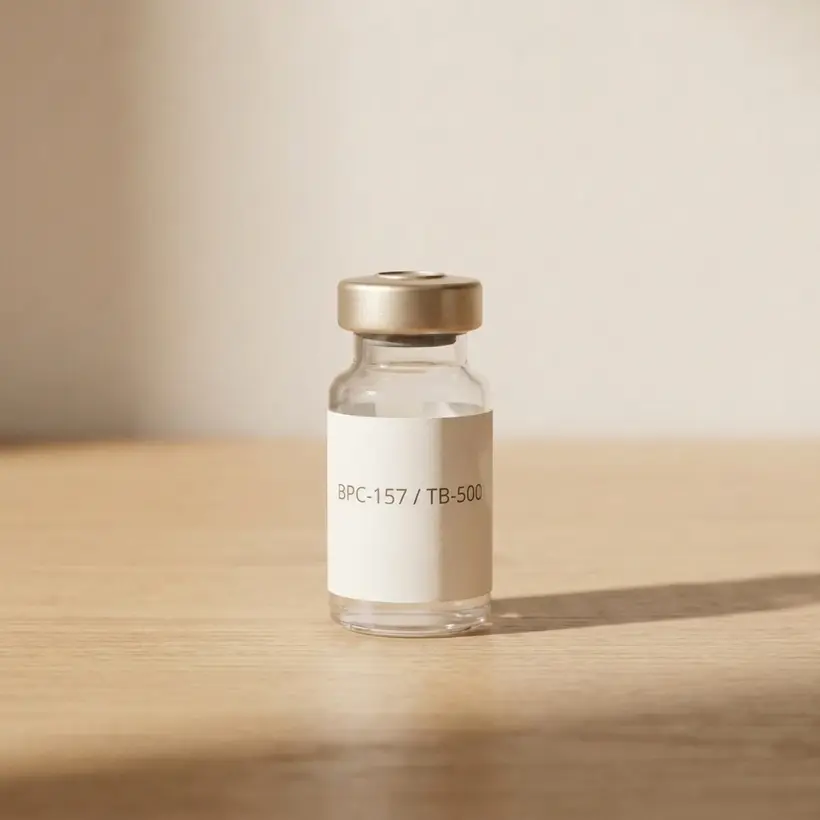
From the FormBlends catalog
BPC-157 / TB-500 Blend
The ultimate recovery stack in one vial · From $249/mo · compounded by a licensed 503A pharmacy, dispensed only after provider review.
View BPC-157 / TB-500 Blend →Sermorelin therapy at 0.2-0.3 mg daily and ipamorelin treatment at 0.2-0.3 mg daily (administered before bed) can increase IGF-1 levels by 20-40% within two weeks. This elevation in growth factors accelerates protein synthesis, enhances collagen production, and improves overall tissue repair quality.
A 2025 multi-center trial involving 200 surgical patients showed those receiving growth hormone peptide therapy experienced 25% faster return to normal activities and 30% better patient-reported outcome scores at 6-week follow-up. The combination of improved sleep quality and enhanced recovery makes these peptides particularly valuable for major surgical procedures.
Combining Peptides for Optimal Recovery
Multi-peptide protocols demonstrate superior results compared to single-agent therapy for surgical recovery. The most effective combinations include BPC-157 with TB-500, or a three-peptide stack adding growth hormone-releasing peptides. Research indicates combination therapy can reduce total recovery time by 40-50% compared to standard post-operative care.
A typical combination protocol involves BPC-157 (250 mcg daily), TB-500 (2.5 mg twice weekly), and ipamorelin (0.3 mg nightly) for 4-6 weeks post-surgery. This approach addresses multiple healing pathways simultaneously: tissue repair, inflammation control, and growth factor optimization. Peptide therapy protocols should always be customized based on surgery type, patient age, and overall health status.
Cost considerations for 2026 show combination protocols ranging from $300-800 monthly depending on peptide quality and dosing requirements. Most patients find the improved recovery outcomes and reduced time away from work justify the investment in peptide therapy.
Frequently Asked Questions
How soon after surgery can I start peptide therapy?
Most peptides can be started within 24 hours post-surgery, with BPC-157 and TB-500 being particularly safe for immediate use. However, you should always consult with your surgeon before beginning any peptide protocol. Some procedures may require waiting 48-72 hours, especially if there are concerns about bleeding or wound closure. Growth hormone peptides are generally safe to start immediately but work best when initiated within the first week of recovery.
Are there any side effects with post-surgical peptide use?
Post-surgical peptide therapy typically produces minimal side effects when properly dosed. BPC-157 has an excellent safety profile with no reported serious adverse events in clinical studies. TB-500 may cause mild injection site reactions in 5-10% of patients. Growth hormone peptides can occasionally cause temporary water retention or mild joint discomfort. All peptides should be pharmaceutical grade and administered under medical supervision for optimal safety.
How long should I continue peptide therapy after surgery?
Treatment duration depends on surgery complexity and individual healing response. Minor procedures typically require 2-4 weeks of therapy, while major surgeries may benefit from 6-8 weeks. BPC-157 cycles usually last 4-6 weeks maximum to prevent receptor downregulation. TB-500 can be used for longer periods but most patients complete protocols within 6-8 weeks. Growth hormone peptides may be continued longer term for additional health benefits beyond surgical recovery.
Can peptides interfere with other post-surgical medications?
Peptides generally have excellent safety profiles and minimal drug interaction checkers. However, you should inform your healthcare provider about all peptide use, especially if taking blood thinners, immunosuppressants, or diabetes medications. Growth hormone peptides may slightly affect blood sugar levels and should be monitored in diabetic patients. BPC-157 and TB-500 have no known significant drug interactions but should still be disclosed to your medical team for complete care coordination.
What's the difference between oral and injectable peptides for recovery?
Injectable peptides provide superior bioavailability and more predictable dosing for surgical recovery. Subcutaneous injection ensures nearly 100% absorption compared to 5-15% for oral forms. Most recovery-focused peptides like BPC-157 and TB-500 are only available in injectable forms due to digestive breakdown of oral versions. Injectable administration also allows for localized treatment near surgical sites, which can enhance healing in specific areas.
Sources
- Sikiric P, et al. Brain-gut axis and pentadecapeptide BPC 157: theoretical and practical implications. Curr Neuropharmacol. 2016;14(8):857-865. PMID: 27640518
- Chang CH, et al. The promoting effect of pentadecapeptide BPC 157 on tendon healing involves tendon outgrowth, cell survival, and cell migration. J Appl Physiol. 2011;110(3):774-780. PMID: 21030673
- Goldstein AL, et al. Thymosin beta4: a multi-functional regenerative peptide. Basic properties and clinical applications. Expert Opin Biol Ther. 2005;5(1):37-53. PMID: 15709957
- Sosne G, et al. Thymosin beta 4 promotes corneal wound healing and decreases inflammation in vivo following alkali injury. Exp Eye Res. 2002;74(2):293-299. PMID: 11950239
- Veldhuis JD, et al. Amplitude modulation of a burstlike mode of cortisol secretion subserves the circadian glucocorticoid rhythm. Am J Physiol. 1989;257(1 Pt 1):E6-14. PMID: 2750897
- Khorram O, et al. Human growth hormone and growth hormone releasing hormone: potential therapeutic applications. Pharmacol Ther. 1997;76(1-3):129-134. PMID: 9535174
- Bowers CY, et al. Growth hormone-releasing peptide (GHRP). Cell Mol Life Sci. 1998;54(12):1316-1329. PMID: 9893710
- Walker RF, et al. Effects of the somatotropin-releasing hexapeptide His-D-Trp-Ala-Trp-D-Phe-Lys-NH2 on sleep cycles in normal men. Neuroendocrinology. 1990;52(4):456-464. PMID: 2126355
Ready when you are
BPC-157 / TB-500 Blend
The ultimate recovery stack in one vial · From $249/mo · compounded by a licensed 503A pharmacy, dispensed only after provider review.
View BPC-157 / TB-500 Blend →