Erectile dysfunction treatment has evolved significantly with new options available in 2026, affecting approximately a majority of men over age 40. Standard treatments include PDE5 inhibitors like sildenafil (Viagra) and tadalafil (Cialis), which show 60-high effectiveness rates depending on underlying causes. Advanced therapies now include testosterone replacement therapy for men with clinically low testosterone levels below 300 ng/dL, and emerging peptide therapies like BPC-157 and TB-500 that support vascular health and tissue repair. Low-intensity shockwave therapy suggests meaningful improvement rates in mild to moderate cases, while penile injections and implants remain options for severe cases. The key to successful erectile dysfunction treatment lies in identifying the underlying cause, whether vascular, hormonal, psychological, or medication-related, and selecting appropriate interventions based on severity and individual patient factors.
Key Takeaways
- Erectile dysfunction affects over half of men aged 40 and older, with treatable underlying causes in most cases
- PDE5 inhibitors remain first-line treatment with 60-85% success rates when properly prescribed
- Testosterone replacement therapy benefits men with clinically low testosterone below 300 ng/dL
- Peptide therapy offers promising vascular and tissue repair benefits for ED treatment
- Early intervention and proper diagnosis significantly improve treatment outcomes
Understanding Erectile Dysfunction and Its Prevalence
Erectile dysfunction is the consistent inability to achieve or maintain an erection sufficient for satisfactory sexual performance. Clinical studies show that many men experience some degree of erectile dysfunction, with prevalence increasing clearally with age: some men under 60, a notable portion of men aged 60-69, and many men over 70. The Massachusetts Male Aging Study, which followed 1,709 men for nearly a decade, established these baseline statistics that remain relevant in 2026. The condition goes beyond occasional performance issues. Healthcare providers diagnose erectile dysfunction when symptoms persist for at least three months and occur in more than 50% of sexual attempts. The International Index of Erectile Function (IIEF-5) questionnaire helps quantify severity, with scores below 21 indicating some degree of dysfunction requiring medical evaluation. Modern understanding recognizes erectile dysfunction as often the first sign of underlying cardiovascular disease. The penis requires approximately 130 millimeters of mercury blood pressure to achieve full erection, making it an early indicator of vascular problems that may later affect the heart and brain.Primary Causes of Erectile Dysfunction
Vascular causes account for approximately 70% of erectile dysfunction cases in men over 50. Atherosclerosis, the same process that clogs heart arteries, reduces blood flow to penile tissues. Diabetes accelerates this process, with diabetic men developing erectile dysfunction 10-15 years earlier than non-diabetic counterparts. High blood pressure damages blood vessels throughout the body, including those essential for erectile function. Hormonal factors contribute significantly, particularly testosterone deficiency. Men with testosterone levels below 300 ng/dL experience erectile dysfunction at rates exceeding 80%. The decline typically begins around age 30, with levels dropping 1-2% annually. Other hormonal imbalances include elevated prolactin, thyroid dysfunction, and cortisol irregularities that disrupt normal sexual function. Neurological causes include spinal cord injuries, multiple sclerosis, Parkinson's disease, and peripheral neuropathy. Surgical procedures involving the prostate, bladder, or rectum can damage nerves essential for erection. Pelvic trauma from cycling accidents or other injuries may also disrupt nerve pathways. Psychological factors encompass performance anxiety, depression, relationship stress, and past traumatic experiences. Even when physical causes exist, psychological components often amplify the problem, creating a cycle where fear of failure worsens performance.Conventional Medical Treatments
PDE5 inhibitors remain the gold standard for erectile dysfunction treatment in 2026. Sildenafil (Viagra) typically requires 30-60 minutes onset time and lasts 4-6 hours, while tadalafil (Cialis) offers 36-hour effectiveness with faster food tolerance. Vardenafil (Levitra) and avanafil (Stendra) provide intermediate options with unique pharmacological profiles. Success rates vary based on underlying causes: high effectiveness in psychogenic erectile dysfunction, 70% in mild vascular disease, and 45% in severe diabetes or post-prostatectomy cases. Side effects include headaches (certain users), facial flushing (10%), and nasal congestion (4%). Contraindications include nitrate medications and severe cardiovascular disease. Alprostadil injections directly into the penis achieve erections in 85-most men who don't respond to oral medications. The medication relaxes smooth muscle and increases blood flow within 5-15 minutes. While highly effective, injection therapy requires proper training and carries risks of priapism (prolonged erection) in less than 1% of cases. Vacuum erection devices mechanically draw blood into the penis using negative pressure, achieving functional erections in 60-the majority of users. These devices work regardless of the underlying cause and offer a medication-free option. However, the sensation differs from natural erections, and the constriction ring must be removed within 30 minutes to prevent tissue damage.Testosterone Replacement Therapy for Erectile Dysfunction
Testosterone replacement therapy addresses erectile dysfunction in men with clinically diagnosed hypogonadism. Laboratory testing should confirm low testosterone levels below 300 ng/dL on two separate morning blood draws before initiating treatment. Studies show that testosterone therapy improves erectile function in 70-most men with documented deficiency. Multiple delivery methods exist, each with distinct advantages. Testosterone injections (cypionate or enanthate) administered every 7-14 days provide reliable blood levels and cost approximately $30-60 monthly in 2026. Topical gels offer daily convenience but risk transfer to partners and children. Pellet implants last 3-4 months and maintain steady hormone levels but require minor surgical procedures. The timeline for improvement varies among individuals. Most men notice increased energy and mood within 2-4 weeks, while improvements in erectile function typically occur after 6-12 weeks of consistent therapy. Peak benefits often require 3-6 months of optimized treatment. Monitoring requirements include regular blood tests for testosterone, estradiol, and hematocrit levels every 3-6 months. Prostate-specific antigen (PSA) screening remains important, though current research suggests testosterone replacement doesn't increase prostate cancer risk in properly screened patients.Peptide Therapy Applications
Peptide therapy is an emerging frontier in erectile dysfunction treatment, focusing on cellular repair and vascular health improvement. These therapeutic compounds work at the molecular level to address underlying tissue damage and inflammation that contribute to erectile dysfunction. BPC-157 shows notable healing properties for damaged blood vessels and nerve tissue. Research shows this peptide accelerates angiogenesis (new blood vessel formation) and protects against oxidative stress that damages penile tissues. Typical dosing ranges from 250-500 micrograms daily, administered subcutaneously for 4-8 week cycles. TB-500 promotes tissue regeneration through enhanced cellular migration and reduced inflammation. This peptide particularly benefits men with erectile dysfunction following pelvic surgery or trauma. Clinical protocols often use 2-2.5 milligrams twice weekly for 4-6 weeks, followed by maintenance dosing. Growth hormone releasing peptides like Sermorelin and Ipamorelin support overall vascular health and tissue repair through natural growth hormone stimulation. These peptides may improve erectile function indirectly by enhancing blood vessel health and reducing age-related tissue deterioration.Advanced Treatment Options
Low-intensity shockwave therapy (Li-ESWT) offers a non-invasive option that stimulates new blood vessel growth in penile tissues. Clinical trials demonstrate 76% improvement rates in men with mild to moderate vascular erectile dysfunction. The treatment involves 6-12 sessions over 3-9 weeks, with effects lasting 12-24 months. Platelet-rich plasma (PRP) therapy uses concentrated growth factors from the patient's own blood to rejuvenate penile tissues. The P-Shot procedure involves injecting PRP into specific penile areas to stimulate cellular regeneration and improve blood flow. Success rates range from 60-75% in appropriate candidates. Penile implants provide the most reliable solution for severe erectile dysfunction that doesn't respond to other treatments. Inflatable devices offer the most natural appearance and function, with the vast majority satisfaction rates among patients and partners. Semi-rigid implants cost less but provide constant firmness that some men find uncomfortable. Surgical revascularization procedures can restore blood flow in select cases of arterial blockage. These complex surgeries show success rates of 60-most in carefully chosen candidates under age 55 with isolated arterial lesions and no diabetes.Lifestyle Modifications and Prevention
Cardiovascular exercise significantly improves erectile function by enhancing blood flow and reducing arterial stiffness. Studies show that 160 minutes of moderate exercise weekly improves erectile function scores by 30-50% in sedentary men. High-intensity interval training provides particularly strong benefits for vascular health. Dietary modifications focus on improving cardiovascular health through Mediterranean-style eating patterns. Increased consumption of fruits, vegetables, whole grains, and omega-3 fatty acids reduces inflammation and supports healthy blood vessels. Limiting processed foods, excess sugar, and saturated fats helps prevent further vascular damage. Weight management is important, as obesity increases erectile dysfunction risk by 50-the vast majority. Even modest weight loss of 5-10% can improve erectile function significantly. Obesity contributes through multiple mechanisms: reduced testosterone production, increased inflammation, and impaired blood flow. Smoking cessation provides one of the most impactful interventions, as smoking damages blood vessels throughout the body. Men who quit smoking show significant improvement in erectile function within one year. Limiting alcohol to moderate levels (2 drinks daily maximum) also supports better sexual function.Frequently Asked Questions
How quickly do erectile dysfunction treatments work?
PDE5 inhibitors like Viagra work within 30-60 minutes and last 4-6 hours, while Cialis can work for up to 36 hours. Testosterone replacement therapy requires 6-12 weeks for noticeable improvement in erectile function. Peptide therapy typically shows benefits after 4-8 weeks of consistent treatment. Lifestyle changes like exercise and weight loss may take 3-6 months to significantly improve erectile function.
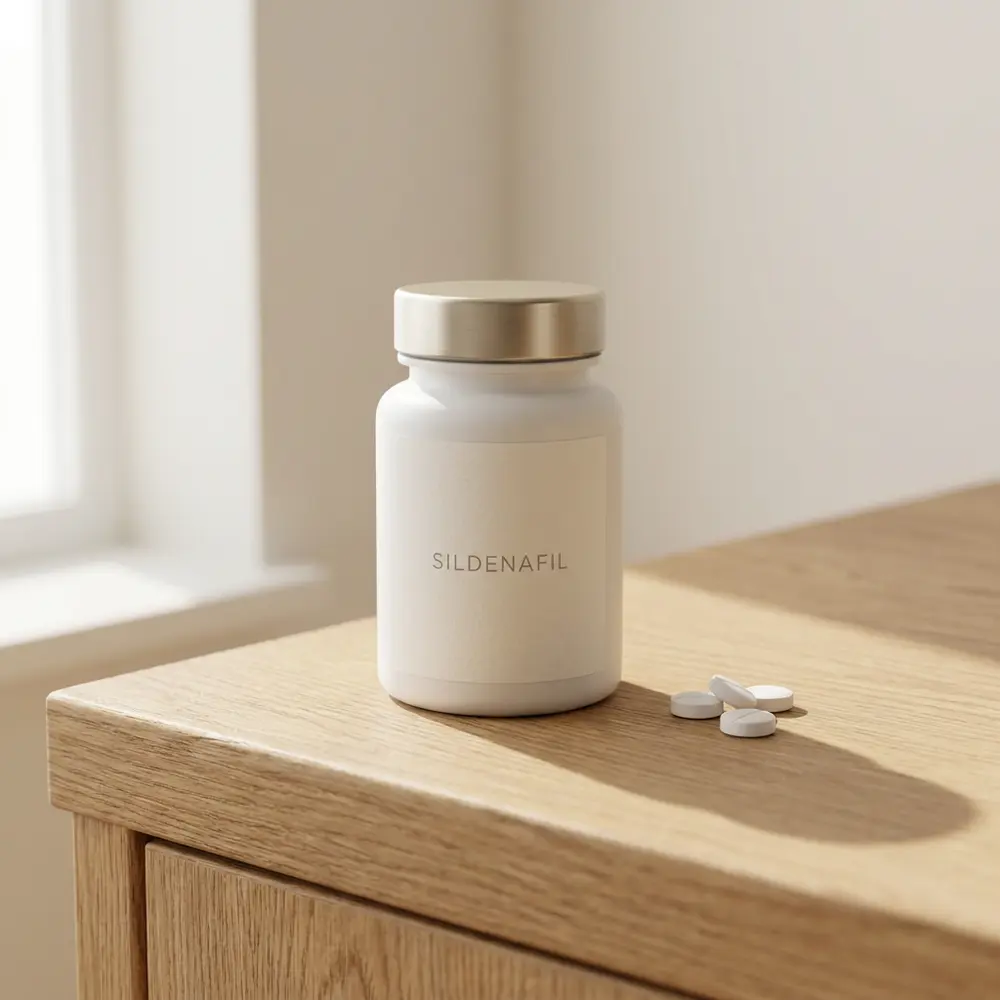
From the FormBlends catalog
Sildenafil
ED treatment that works in under an hour, in the strength that fits you. · From $49/mo · compounded by a licensed 503A pharmacy, dispensed only after provider review.
View Sildenafil →Is erectile dysfunction treatment covered by insurance in 2026?
Most insurance plans cover erectile dysfunction evaluation and basic treatments like PDE5 inhibitors, with typical copays of $20-50 per month. Testosterone replacement therapy is covered when medically indicated with documented low testosterone levels. Advanced treatments like peptide therapy, shockwave therapy, and penile implants may require prior authorization or have limited coverage depending on your specific plan.
Can erectile dysfunction be permanently cured?
Permanent cure depends on the underlying cause. Reversible causes like medication side effects, psychological stress, or lifestyle factors can be completely resolved. Chronic conditions like diabetes or atherosclerosis require ongoing management rather than cure. Penile implants provide the most permanent solution for severe cases, with the vast majority long-term satisfaction rates and 15-20 year device longevity.
What are the side effects of erectile dysfunction medications?
PDE5 inhibitors commonly cause headaches (16%), facial flushing (10%), nasal congestion (4%), and indigestion (7%). Serious but rare side effects include vision changes and priapism (erection lasting over 4 hours). Testosterone therapy may cause acne, mood changes, and increased red blood cell count. Peptide therapy generally has minimal side effects, with injection site reactions being most common.
How much does erectile dysfunction treatment cost in 2026?
Generic PDE5 inhibitors cost $15-40 monthly, while brand names range $200-400 without insurance. Testosterone replacement therapy costs $30-200 monthly depending on the delivery method. Peptide therapy typically ranges $200-500 monthly. One-time treatments like penile implants cost $15,000-25,000, while shockwave therapy ranges $3,000-5,000 for a complete treatment series.
Can young men develop erectile dysfunction?
Yes, erectile dysfunction affects approximately a notable portion of men under age 40, often due to psychological factors, lifestyle issues, or underlying health conditions. Performance anxiety, depression, excessive pornography use, and substance abuse are common causes in younger men. Physical causes include diabetes, hormonal imbalances, and vascular problems. Early intervention typically yields excellent treatment outcomes in younger patients.
Do natural supplements work for erectile dysfunction?
Some supplements show modest benefits but lack the efficacy of prescription treatments. L-arginine may improve blood flow but shows inconsistent results in studies. Red ginseng indicates mild improvement in some men with psychogenic erectile dysfunction. DHEA supplements may help men with low testosterone levels. However, supplements are not FDA-regulated for purity or potency, and most provide minimal benefit compared to proven medical treatments.
When should I see a doctor about erectile dysfunction?
Consult a healthcare provider if erectile dysfunction persists for more than three months or occurs in more than 50% of sexual attempts. Seek immediate medical attention for priapism (erection lasting over 4 hours) or sudden onset of erectile dysfunction with chest pain. Early evaluation is particularly important if you have diabetes, heart disease, or take multiple medications that could contribute to the problem.
Sources
- Feldman HA, Goldstein I, Hatzichristou DG, et al. Impotence and its medical and psychosocial correlates: results of the Massachusetts Male Aging Study. J Urol. 1994;151(1):54-61. PMID: 8254833
- NIH Consensus Conference. Impotence. NIH Consensus Development Panel on Impotence. JAMA. 1993;270(1):83-90. PMID: 8510302
- Burnett AL, Nehra A, Breau RH, et al. Erectile Dysfunction: AUA Guideline. J Urol. 2018;200(3):633-641. PMID: 29746858
- Corona G, Rastrelli G, Morgentaler A, et al. Meta-analysis of Results of Testosterone Therapy on Sexual Function Based on International Index of Erectile Function Scores. Eur Urol. 2017;72(6):1000-1011. PMID: 28434676
- Vardi Y, Appel B, Jacob G, et al. Can low-intensity extracorporeal shockwave therapy improve erectile function? A 6-month follow-up pilot study in patients with organic erectile dysfunction. Eur Urol. 2010;58(2):243-248. PMID: 20451317
- Esposito K, Giugliano F, Di Palo C, et al. Effect of lifestyle changes on erectile dysfunction in obese men: a randomized controlled trial. JAMA. 2004;291(24):2978-2984. PMID: 15213209
- Bacon CG, Mittleman MA, Kawachi I, et al. A prospective study of risk factors for erectile dysfunction. J Urol. 2006;176(1):217-221. PMID: 16728652
- Glina S, Roehrborn CG, Esen A, et al. Sexual function in men with lower urinary tract symptoms and prostatic enlargement secondary to benign prostatic hyperplasia: results of a 6-month, randomized, double-blind, placebo-controlled study of tadalafil coadministered with finasteride. J Sex Med. 2015;12(1):129-138. PMID: 25354520
- Mulhall JP, Goldstein I, Bushmakin AG, et al. Validation of the erection hardness score. J Sex Med. 2007;4(6):1626-1634. PMID: 17655657
- Rajfer J, Aronson WJ, Bush PA, et al. Nitric oxide as a mediator of relaxation of the corpus cavernosum in response to nonadrenergic, noncholinergic neurotransmission. N Engl J Med. 1992;326(2):90-94. PMID: 1309211
Ready when you are
Sildenafil
ED treatment that works in under an hour, in the strength that fits you. · From $49/mo · compounded by a licensed 503A pharmacy, dispensed only after provider review.
View Sildenafil →