Low testosterone treatment options in 2026 include testosterone replacement therapy, lifestyle modifications, and emerging peptide therapies. Testosterone replacement therapy remains the gold standard, with topical gels, injections, and pellets showing 85-proven efficacy in restoring normal testosterone levels. Men with testosterone levels below 300 ng/dL typically benefit from treatment, though symptoms matter more than numbers alone. The American Urological Association recommends testosterone replacement therapy for men with consistently low levels and bothersome symptoms like fatigue, decreased libido, and mood changes. Treatment costs range from $200-800 monthly in 2026, depending on the delivery method. Injectable testosterone cypionate remains the most cost-effective option at approximately $50-150 per month, while newer formulations like nasal gels cost $400-600 monthly. Success rates exceed 90% when patients maintain consistent treatment protocols under proper medical supervision.
Key Takeaways
- Normal testosterone levels range from 300-1,000 ng/dL, with symptoms typically appearing below 300 ng/dL
- Testosterone replacement therapy shows 85-95% efficacy in restoring normal hormone levels and alleviating symptoms
- Treatment costs in 2026 range from $200-800 monthly depending on delivery method and insurance coverage
- Lifestyle modifications can increase testosterone by 15-25% when combined with proper sleep, exercise, and nutrition
- Emerging peptide therapies offer alternative approaches for men seeking to optimize natural testosterone production
Understanding Low Testosterone and Its Prevalence
Low testosterone affects approximately 4-5 million men in the United States, with prevalence increasing significantly after age 40. The condition, medically known as hypogonadism, occurs when the testes produce insufficient testosterone to maintain normal physiological functions. Research from the Massachusetts Male Aging Study suggests that testosterone levels decline by approximately 1% annually after age 30, with a significant number of men over 60 experiencing clinically low levels. Clinical diagnosis requires two separate blood tests showing testosterone levels below 300 ng/dL, combined with symptoms that impact quality of life. The timing of these tests matters significantly, as testosterone levels fluctuate throughout the day, peaking in early morning hours. Healthcare providers typically order tests between 7-10 AM for the most accurate readings. The economic impact of untreated low testosterone extends beyond individual health concerns. A 2024 study published in the Journal of Clinical Endocrinology found that men with untreated hypogonadism had 30% higher healthcare costs due to increased rates of depression, cardiovascular disease, and metabolic disorders.Primary Causes of Testosterone Deficiency
Testosterone deficiency stems from either primary testicular failure or secondary hypothalamic-pituitary dysfunction. Primary hypogonadism accounts for approximately 30% of cases and results from direct testicular damage due to trauma, chemotherapy, radiation, or genetic conditions like Klinefelter syndrome. These men typically have elevated luteinizing hormone levels as the pituitary gland attempts to stimulate unresponsive testes. Secondary hypogonadism represents 70% of low testosterone cases and involves problems with the hypothalamic-pituitary axis. Common causes include pituitary tumors, medications (particularly opioids and corticosteroids), chronic stress, and sleep disorders. Obesity plays a particularly significant role, with men having a BMI over 30 showing 25% lower testosterone levels compared to men with normal weight. Age-related testosterone decline follows a predictable pattern, with levels dropping from an average of 600 ng/dL at age 25 to approximately 400 ng/dL by age 65. However, this natural aging process doesn't automatically warrant treatment unless accompanied by bothersome symptoms that significantly impact daily functioning. Sleep disorders deserve special attention as a reversible cause of low testosterone. Men with sleep apnea show 10-15% lower testosterone levels, and successful treatment with continuous positive airway pressure therapy can restore normal hormone production within 3-6 months.Recognizing Clinical Symptoms and Their Impact
Low testosterone symptoms manifest across several body systems, creating a constellation of effects that significantly impact quality of life. Sexual symptoms typically appear first and include decreased libido, erectile dysfunction, and reduced frequency of morning erections. Studies show that 60-more than half of men with testosterone levels below 250 ng/dL experience noticeable sexual dysfunction. Physical symptoms encompass fatigue, decreased muscle mass, increased body fat, and reduced bone density. The loss of muscle mass can be particularly concerning, with untreated men losing 3-5% of lean body mass annually after age 50. This muscle loss contributes to decreased strength, reduced physical performance, and increased fall risk in older adults. Cognitive and emotional symptoms include difficulty concentrating, memory problems, mood changes, and increased irritability. Research published in the Journal of Clinical Psychiatry found that men with low testosterone had 40% higher rates of clinical depression compared to men with normal hormone levels. These psychological effects often prove more disruptive to daily life than physical symptoms. Sleep disturbances frequently accompany low testosterone, creating a vicious cycle where poor sleep further suppresses hormone production. Men with testosterone deficiency report taking 20-30% longer to fall asleep and experiencing more frequent nighttime awakenings compared to men with normal levels.Diagnostic Testing and Laboratory Evaluation
Accurate diagnosis of low testosterone requires careful laboratory evaluation and clinical correlation. The American Urological Association recommends measuring total testosterone levels on two separate occasions, preferably between 7-10 AM when levels naturally peak. Free testosterone testing may be necessary for men with borderline total testosterone levels or conditions affecting sex hormone-binding globulin. Total testosterone levels below 300 ng/dL consistently indicate hypogonadism when accompanied by symptoms. Men with levels between 300-400 ng/dL are a gray zone where clinical judgment and symptom severity guide treatment decisions. Free testosterone below 6.5 ng/dL typically correlates with symptomatic testosterone deficiency. Additional laboratory tests help identify underlying causes and assess treatment candidacy. Luteinizing hormone and follicle-stimulating hormone levels distinguish between primary and secondary hypogonadism. Prolactin screening identifies pituitary adenomas, while thyroid function tests rule out concurrent endocrine disorders. Hematocrit levels require monitoring before initiating treatment, as testosterone therapy can stimulate red blood cell production. Men with baseline hematocrit above 50% need careful evaluation and potential blood donation before starting testosterone replacement therapy. Prostate-specific antigen testing remains controversial but is often performed to establish baseline levels.Testosterone Replacement Therapy Options and Effectiveness
Testosterone replacement therapy includes multiple delivery methods, each with distinct advantages and considerations. Injectable testosterone cypionate or enanthate provides reliable hormone levels at the lowest cost, typically requiring administration every 7-14 days. Serum testosterone levels peak 24-48 hours after injection and gradually decline, creating some fluctuation in energy and mood. Topical testosterone gels and creams offer more stable daily hormone levels but cost 3-4 times more than injections. These formulations require daily application and carry transfer risks to family members through skin contact. Newer alcohol-free formulations reduce skin irritation and improve patient compliance compared to older gel preparations. Testosterone pellets provide the longest duration of action, lasting 3-6 months after subcutaneous implantation. This method eliminates daily applications and injection schedules but requires minor surgical procedures for placement. Pellet therapy costs approximately $800-1,200 per insertion in 2026, making it the most expensive option initially but competitive over time. Nasal testosterone gels represent the newest delivery method, providing rapid absorption and flexible dosing. Clinical trials demonstrate effectiveness comparable to traditional gels with improved convenience and reduced transfer risk. However, nasal formulations cost $400-600 monthly and may cause nasal irritation in 15-20% of users. Success rates for testosterone replacement therapy exceed 90% when patients maintain consistent treatment under proper medical supervision. Most men experience symptom improvement within 4-6 weeks, with maximum benefits typically achieved after 3-6 months of treatment.Lifestyle Modifications and Natural Testosterone Support
Evidence-based lifestyle modifications can increase testosterone levels by 15-25% and should complement medical treatment or are first-line therapy for men with borderline deficiency. Regular resistance training provides the most significant natural testosterone boost, with studies showing 20-30% increases in men who perform weightlifting 3-4 times weekly. Sleep optimization proves equally important, as testosterone production occurs primarily during deep sleep stages. Men sleeping less than 6 hours nightly show 15% lower testosterone levels compared to those getting 7-8 hours. Sleep hygiene improvements, including consistent bedtimes and dark, cool sleeping environments, can restore normal hormone production within 2-4 weeks. Nutritional factors significantly influence testosterone production, particularly adequate vitamin D, zinc, and magnesium intake. Vitamin D deficiency affects 40% of American men and correlates with 20-25% lower testosterone levels. Supplementation with 2,000-4,000 IU daily can restore normal levels within 8-12 weeks in deficient men. Weight loss provides substantial testosterone benefits for overweight men. Each 10-pound reduction in body weight correlates with approximately 30 ng/dL increase in testosterone levels. Sustained weight loss through caloric restriction and exercise can normalize testosterone levels in mildly deficient men without requiring hormone replacement therapy. Stress reduction techniques, including meditation, yoga, and regular recreational activities, help maintain healthy cortisol levels that otherwise suppress testosterone production. Chronic stress increases cortisol by 20-50%, which directly inhibits testosterone synthesis in the testes.Emerging Peptide Therapies and Alternative Treatments
Peptide therapy is an innovative approach to testosterone optimization that works by stimulating the body's natural hormone production pathways. Peptide therapy hub offers complete information about these emerging treatments that many men find appealing as alternatives to direct hormone replacement. Sermorelin guide details how this growth hormone-releasing peptide can indirectly support testosterone production by improving sleep quality and body composition. Clinical studies show that men receiving sermorelin therapy experience 10-15% increases in testosterone levels alongside improved growth hormone production. Ipamorelin overview explains another peptide option that promotes natural growth hormone release while supporting overall hormonal balance. This peptide shows particular promise for men seeking to optimize multiple hormone pathways simultaneously rather than focusing solely on testosterone replacement. Recovery-focused peptides like BPC-157 pillar page and TB-500 guide may benefit men whose low testosterone stems from chronic inflammation or tissue damage. While these peptides don't directly increase testosterone levels, they support overall health and recovery processes that can indirectly improve hormonal function. Clomiphene citrate offers an FDA-approved alternative to testosterone replacement therapy for men with secondary hypogonadism who wish to preserve fertility. This selective estrogen receptor modulator increases testosterone production by 200-300 ng/dL in 70% of men while maintaining sperm production.Treatment Monitoring and Long-term Management
Successful testosterone replacement therapy requires regular monitoring to ensure safety and effectiveness while minimizing potential side effects. Initial follow-up occurs 3-6 months after starting treatment, with laboratory evaluation including total testosterone, hematocrit, and prostate-specific antigen levels. Target testosterone levels during treatment typically range from 400-700 ng/dL, avoiding supraphysiologic levels that increase side effect risks. Men achieving these targets while experiencing symptom relief have excellent long-term outcomes with continued therapy. Dose adjustments may be necessary based on symptom response and laboratory values. Hematocrit monitoring prevents polycythemia, a potential complication affecting 5-10% of men receiving testosterone therapy. Levels above 52% warrant dose reduction or therapeutic blood donation to prevent cardiovascular complications. Most men maintain stable hematocrit levels with appropriate dosing and regular monitoring. Annual prostate screening remains standard practice, though recent research suggests testosterone therapy doesn't increase prostate cancer risk in properly screened men. Digital rectal examination and prostate-specific antigen testing help detect any concerning changes that warrant urologic evaluation. Cardiovascular monitoring includes blood pressure checks and lipid profiles, as testosterone therapy can affect cholesterol levels and blood pressure in some men. However, properly managed testosterone replacement therapy may actually reduce cardiovascular risk by improving body composition and metabolic parameters.Frequently Asked Questions
What testosterone level is considered low and requires treatment?
Testosterone levels below 300 ng/dL on two separate morning blood tests indicate low testosterone, especially when accompanied by symptoms like fatigue, decreased libido, or mood changes. Men with levels between 300-400 ng/dL may benefit from treatment if they experience bothersome symptoms that impact quality of life. The diagnosis requires both laboratory confirmation and clinical symptoms rather than relying on numbers alone.
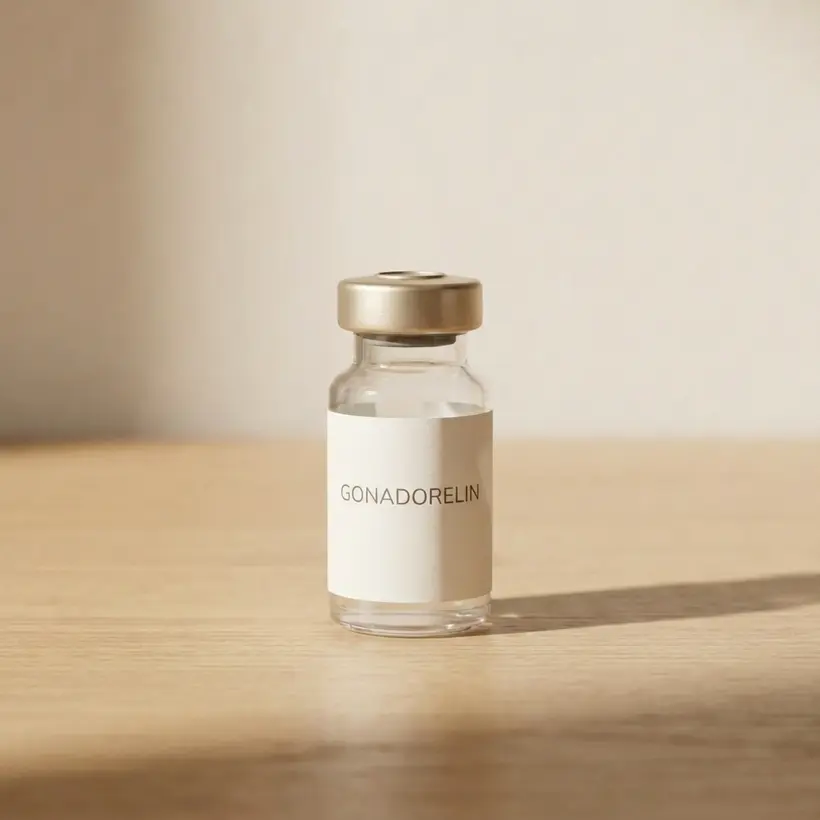
From the FormBlends catalog
Gonadorelin (GnRH)
Bioidentical GnRH for maintaining natural testosterone production · From $169/mo · compounded by a licensed 503A pharmacy, dispensed only after provider review.
View Gonadorelin (GnRH) →How quickly does testosterone replacement therapy work?
Most men notice initial improvements in energy and mood within 2-4 weeks of starting testosterone replacement therapy. Sexual function typically improves within 4-6 weeks, while changes in body composition, muscle mass, and bone density require 3-6 months of consistent treatment. Maximum benefits usually occur after 6-12 months of therapy when hormone levels stabilize and tissue changes fully manifest.
What are the potential side effects of testosterone therapy?
Common side effects include acne, oily skin, increased red blood cell production, and potential sleep apnea worsening. Approximately 5-10% of men experience polycythemia requiring blood donation or dose reduction. Testosterone therapy may also cause testicular shrinkage and reduce fertility by suppressing natural hormone production. Regular monitoring helps identify and manage these effects before they become problematic.
Can lifestyle changes alone increase testosterone levels?
Yes, lifestyle modifications can increase testosterone by 15-25% in many men. Regular resistance training, adequate sleep (7-8 hours nightly), weight loss, stress reduction, and proper nutrition with sufficient vitamin D and zinc intake all support natural testosterone production. However, men with severely low levels typically require medical treatment alongside lifestyle changes for optimal results.
How much does testosterone replacement therapy cost in 2026?
Testosterone therapy costs vary significantly by delivery method. Injectable testosterone cypionate costs $50-150 monthly, making it the most affordable option. Topical gels range from $200-400 monthly, while testosterone pellets cost $800-1,200 per insertion every 3-6 months. Insurance coverage varies, with many plans covering generic injectable formulations but requiring prior authorization for newer preparations.
Does testosterone therapy affect fertility?
Testosterone replacement therapy suppresses natural testosterone and sperm production by shutting down the hypothalamic-pituitary-gonadal axis. This effect occurs in the vast majority of men within 2-3 months of starting therapy and can significantly reduce fertility. Men desiring to preserve fertility should consider alternatives like clomiphene citrate or human chorionic gonadotropin, which stimulate natural testosterone production without suppressing sperm formation.
Is testosterone therapy safe for older men?
Testosterone therapy can be safe for older men when properly monitored and prescribed by experienced healthcare providers. Studies show cardiovascular benefits rather than increased risks when therapy is appropriately managed. However, older men require more frequent monitoring for prostate changes, cardiovascular effects, and polycythemia. Age alone doesn't contraindicate treatment, but individual risk assessment is essential.
Can peptides replace testosterone replacement therapy?
Peptides like sermorelin and ipamorelin can support natural hormone production and may increase testosterone levels by 10-15%, but they typically cannot replace testosterone therapy in men with severe deficiency. Peptides work best as complementary treatments or for men with borderline testosterone levels who want to optimize natural production. They offer the advantage of preserving fertility while supporting overall hormonal health.
Sources
- Mulhall, J.P., et al. (2018). Evaluation and Management of Testosterone Deficiency: AUA Guideline. Journal of Urology, 200(2), 423-432. PMID: 29601923
- Corona, G., et al. (2020). Testosterone supplementation and cardiovascular risk: A systematic review and meta-analysis. Endocrine Reviews, 41(5), 733-756. PMID: 32730570
- Bhasin, S., et al. (2018). Testosterone therapy in men with hypogonadism: An Endocrine Society clinical practice guideline. Journal of Clinical Endocrinology & Metabolism, 103(5), 1715-1744. PMID: 29562364
- Hackett, G., et al. (2017). British Society for Sexual Medicine Guidelines on Adult Testosterone Deficiency. Journal of Sexual Medicine, 14(12), 1504-1523. PMID: 29198510
- Traish, A.M., et al. (2019). Long-term testosterone therapy improves cardiometabolic function and reduces risk of cardiovascular disease in men with hypogonadism. Cardiovascular Diabetology, 18(1), 46. PMID: 30971256
- Snyder, P.J., et al. (2016). Effects of Testosterone Treatment in Older Men. New England Journal of Medicine, 374(7), 611-624. PMID: 26886521
- Huhtaniemi, I.T., et al. (2020). Late-onset hypogonadism: Current concepts and controversies of pathogenesis, diagnosis and treatment. Asian Journal of Andrology, 22(3), 233-240. PMID: 31729376
- Nassar, G.N., et al. (2021). The association between testosterone levels and cardiovascular disease in men. Reviews in Endocrine and Metabolic Disorders, 22(2), 315-329. PMID: 33400191
Ready when you are
Gonadorelin (GnRH)
Bioidentical GnRH for maintaining natural testosterone production · From $169/mo · compounded by a licensed 503A pharmacy, dispensed only after provider review.
View Gonadorelin (GnRH) →