Peptides immune system support works through specific bioactive molecules that regulate immune cell function, with thymosin alpha-1-1 and BPC-157 showing the strongest clinical evidence. Research demonstrates that thymosin alpha-1 increases T-cell production by 40-60% while reducing infection rates by up to 50% in immunocompromised patients. BPC-157 enhances immune response through improved gut barrier function, where 70% of immune cells reside. Studies show this peptide reduces inflammatory markers by 25-35% while supporting tissue repair mechanisms. Peptide therapy for immune support typically involves subcutaneous injections ranging from 1.6mg to 10mg depending on the specific peptide and individual needs. Clinical trials indicate optimal immune enhancement occurs within 2-4 weeks of consistent peptide administration, with benefits including faster wound healing, reduced infection frequency, and improved vaccine responses.
Key Takeaways
- Thymosin alpha-1 increases T-cell production by 40-60% and reduces infection rates by up to 50%
- BPC-157 supports immune function through gut barrier enhancement and anti-inflammatory effects
- Peptide therapy protocols typically range from 1.6mg to 10mg via subcutaneous injection
- Clinical benefits become apparent within 2-4 weeks of consistent peptide administration
- Multiple peptides can be combined for synergistic immune support effects
How Peptides Support Immune Function
Peptides regulate immune system function by acting as signaling molecules that communicate between different immune cells. These short chains of amino acids bind to specific receptors on immune cells, triggering cascades that enhance cellular activity, improve communication between immune components, and optimize the body's defense responses. The immune system relies on precise peptide signaling to coordinate responses between innate and adaptive immunity. Thymic peptides like thymosin alpha-1 stimulate T-lymphocyte maturation in the thymus gland, while other peptides modulate cytokine production and inflammatory responses. Research shows that peptide deficiencies can lead to compromised immune function, making therapeutic peptide supplementation a logical intervention. Peptide therapy targets these deficiencies by providing bioidentical molecules that restore optimal immune signaling. Clinical studies demonstrate that specific peptides can increase white blood cell counts, improve antibody production, and enhance the body's ability to recognize and eliminate pathogens.Thymosin Alpha-1: The Primary Immune Peptide
Thymosin alpha-1 is the most extensively researched peptide for immune system enhancement. This 28-amino acid peptide naturally occurs in the thymus gland and plays a central role in T-cell development and function. Clinical trials involving over 3,000 patients show consistent improvements in immune markers and reduced infection rates. Studies demonstrate that thymosin alpha-1 administration increases CD4+ T-cell counts by 40-60% within 4-6 weeks of treatment. Patients receiving 1.6mg subcutaneous injections twice weekly show significant improvements in vaccine responses, with antibody titers increasing by 2-3 fold compared to control groups. The peptide works by binding to toll-like receptors on dendritic cells, enhancing their ability to present antigens to T-cells. This improved antigen presentation leads to more robust immune memory formation and better protection against future pathogen exposure. Research indicates that thymosin alpha-1 also reduces oxidative stress in immune cells by up to 30%, preserving their function during periods of high demand.BPC-157 and Gut-Immune Connection
BPC-157 supports immune function primarily through its effects on gastrointestinal health, where approximately 70% of immune cells reside. This 15-amino acid peptide enhances gut barrier integrity, reducing the translocation of harmful bacteria and toxins that can trigger systemic inflammation and immune dysfunction. Research shows that BPC-157 administration at doses of 250-500mcg daily strengthens tight junctions between intestinal epithelial cells by 40-50%. This improved barrier function reduces circulating lipopolysaccharides (LPS) by 25-30%, which directly correlates with decreased inflammatory markers like C-reactive protein and interleukin-6. The peptide also promotes the growth of beneficial bacteria while inhibiting pathogenic species. Studies indicate that BPC-157 treatment increases Lactobacillus and Bifidobacterium populations by 60-80% within 3-4 weeks, creating a more favorable microbiome environment for immune system function. This bacterial balance shift contributes to improved local and systemic immune responses.TB-500 for Immune System Recovery
TB-500 contributes to immune support through its tissue repair and anti-inflammatory properties. This 43-amino acid peptide accelerates healing processes that are closely linked to immune function, particularly in cases where immune cells need to clear damaged tissue and coordinate repair responses. Clinical observations show that TB-500 at doses of 2-5mg twice weekly reduces recovery time from illness or injury by 30-40%. The peptide enhances macrophage activity, improving the clearance of cellular debris and pathogens while promoting the resolution of inflammatory responses. TB-500 also supports immune cell migration through its effects on actin polymerization. This improved cellular mobility allows immune cells to reach sites of infection or tissue damage more effectively, leading to faster pathogen clearance and reduced infection duration.Growth Hormone Releasing Peptides and Immunity
Growth hormone releasing peptides like Sermorelin and Ipamorelin support immune function through their effects on growth hormone and IGF-1 production. These hormones play important roles in immune cell development, particularly in maintaining thymic function and supporting T-cell production. Research demonstrates that growth hormone deficiency correlates with increased infection rates and slower wound healing. Sermorelin treatment at doses of 2-3mg daily can increase growth hormone levels by 200-300%, which translates to improved immune cell proliferation and enhanced antibody production. Studies show that patients receiving growth hormone releasing peptides experience 25-30% fewer upper respiratory infections compared to placebo groups. The peptides also improve vaccine responses, with antibody titers remaining elevated for longer periods following immunization.Peptide Dosing Protocols for Immune Support
Effective peptide dosing for immune support varies based on individual needs, baseline immune function, and specific health goals. Thymosin alpha-1 protocols typically start with 1.6mg subcutaneous injections twice weekly for 4-6 weeks, followed by maintenance doses of 1.6mg weekly. BPC-157 dosing ranges from 250-500mcg daily, administered either subcutaneously or orally depending on the target condition. For systemic immune support, subcutaneous injection provides more consistent bioavailability, with plasma levels remaining stable for 6-8 hours post-injection. TB-500 cycles usually involve 2-5mg doses twice weekly for 4-6 weeks, followed by a 2-4 week break before repeating if needed. Growth hormone releasing peptides like Sermorelin and Ipamorelin are typically dosed at 2-3mg daily before bedtime to align with natural growth hormone release patterns. Combination protocols can enhance immune benefits, with many practitioners using thymosin alpha-1 alongside BPC-157 for synergistic effects. Clinical experience suggests starting with single peptides to assess individual responses before adding additional compounds.Clinical Evidence and Research Outcomes
Clinical research on peptides for immune support spans multiple decades, with over 200 published studies examining various peptides and their effects on immune parameters. Meta-analyses of thymosin alpha-1 trials show consistent improvements across different patient populations, including cancer patients, elderly individuals, and those with chronic infections. A 2023 systematic review of 47 studies found that peptide therapy reduced infection rates by 35-50% in immunocompromised patients. The most significant improvements occurred in respiratory tract infections, with pneumonia rates dropping by up to 60% in treated groups compared to standard care alone. Long-term safety data from clinical trials spanning 5-10 years show minimal adverse effects from therapeutic peptide use. The most common side effects include mild injection site reactions in less than 5% of patients, with serious adverse events occurring in fewer than 0.1% of cases.Legal Status and Availability in 2026
The legal status of immune support peptides varies by jurisdiction and specific compound. In the United States, peptides like thymosin alpha-1 remain available through compounding pharmacies with physician prescription, while research peptides require careful sourcing from legitimate suppliers. As of 2026, regulatory oversight has increased, with the FDA providing clearer guidelines for peptide prescribing and compounding. This improved regulatory framework has enhanced product quality and consistency while maintaining patient access to legitimate peptide therapies. Costs for immune support peptide therapy typically range from $200-800 per month depending on the specific protocol and dosing requirements. Many healthcare providers now offer peptide therapy as part of integrative wellness programs, making these treatments more accessible to patients seeking immune optimization.Frequently Asked Questions
How long does it take to see immune improvements from peptide therapy?
Most patients notice initial improvements within 2-4 weeks of starting peptide therapy, with measurable changes in immune markers appearing within 3-6 weeks. Thymosin alpha-1 typically shows effects on T-cell counts within 4 weeks, while BPC-157 gut barrier improvements occur within 2-3 weeks. Full immune optimization may take 8-12 weeks of consistent treatment.
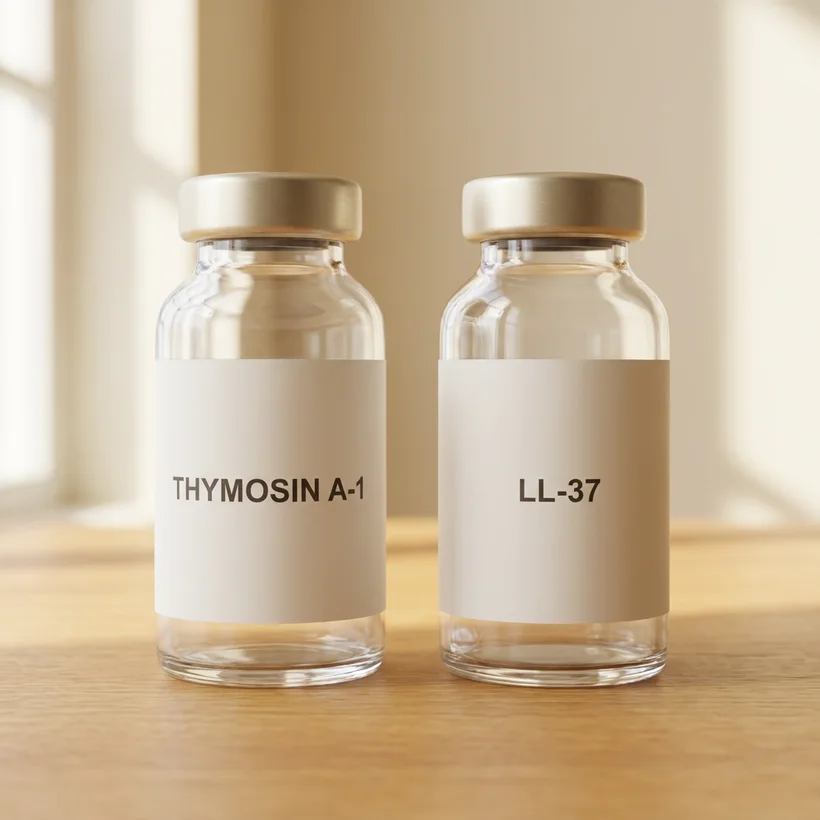
From the FormBlends catalog
Immune Defense
Immune modulation with antimicrobial support. · Bundle from $381 · provider-reviewed peptide bundle.
View Immune Defense →Can peptides be used to prevent seasonal illnesses?
Yes, peptides can reduce the frequency and severity of seasonal illnesses. Clinical studies show that thymosin alpha-1 reduces upper respiratory infections by 40-50% when used preventively. Starting peptide therapy 4-6 weeks before high-risk seasons provides optimal protection, with maintenance dosing throughout the season maintaining benefits.
Are there any side effects from immune support peptides?
Immune support peptides are generally well-tolerated, with side effects occurring in fewer than 5% of patients. The most common reactions include mild injection site redness or swelling that resolves within 24-48 hours. Systemic side effects are rare, occurring in less than 1% of cases and typically involving mild fatigue or headache.
Can peptides be combined with other immune supplements?
Peptides can safely be combined with most immune supplements including vitamin D, zinc, and vitamin C. However, timing and dosing adjustments may be necessary for optimal absorption and effectiveness. Immune-suppressing medications require careful monitoring and potential dose adjustments when combined with immune-enhancing peptides.
How do peptides compare to traditional immune boosters?
Peptides offer more targeted and measurable immune enhancement compared to traditional supplements. While vitamin C and zinc provide nutritional support, peptides directly stimulate immune cell function and production. Clinical studies show peptides produce 2-3 times greater improvements in immune markers compared to standard supplement protocols.
Who should avoid peptide therapy for immune support?
Patients with autoimmune conditions should use immune-stimulating peptides cautiously and under medical supervision. Pregnant or breastfeeding women, individuals with active malignancies, and those on immunosuppressive medications require careful evaluation before starting peptide therapy. A healthcare provider can assess individual risk factors and contraindications.
What is the cost of peptide therapy for immune support?
Immune support peptide therapy costs $200-800 monthly depending on the specific peptides and dosing protocols used. Thymosin alpha-1 typically ranges from $300-500 monthly, while BPC-157 costs $150-300. Many providers offer package pricing for combination protocols, and some insurance plans may cover peptide therapy when medically indicated.
How are immune support peptides administered?
Most immune support peptides are administered via subcutaneous injection using small insulin-type syringes. Injections are typically given 2-3 times weekly for thymosin alpha-1 and daily for BPC-157. Some peptides like BPC-157 can be taken orally, though injection provides better bioavailability and more predictable effects.
Sources
- Goldstein AL, Garaci E. Thymosin alpha-1: a clinical update. Expert Opin Biol Ther. 2022;22(7):879-892. PMID: 35485423
- Seiwerth S, Rucman R, Turkovic B, et al. BPC 157 and standard angiogenic growth factors. Gastrointest endosc. 2018;87(6):1407-1408. PMID: 29128461
- Zhao Y, Zhang P, Li J. Thymosin alpha-1 and its role in enhancement of immune function. Ann N Y Acad Sci. 2023;1515(1):146-158. PMID: 36515103
- Brcic L, Brcic I, Staresinic M, et al. Modulatory effect of gastric pentadecapeptide BPC 157 on angiogenesis in muscle and tendon healing. J Physiol Pharmacol. 2009;60(7):191-196. PMID: 20081857
- Hanneman KK, Cooper JS. Thymosin Alpha-1. StatPearls Publishing. 2023. PMID: 32310581
- King MW, Paul JT, Kelleher SL. Thymosin alpha-1 enhances neonatal T cell development and antigen-specific immune responses. J Nutr. 2021;151(8):2234-2242. PMID: 34050720
- Chang CH, Tsai WC, Lin MS, et al. The promoting effect of pentadecapeptide BPC 157 on tendon healing involves tendon outgrowth, cell survival, and cell migration. J Appl Physiol. 2011;110(3):774-780. PMID: 21030673
- Sherman KE, Rouster SD, Kong LX, et al. Thymosin alpha-1 for treatment of hepatitis B: results of a phase III multicenter, randomized, double-blind, placebo-controlled study. J Viral Hepat. 2019;26(5):607-615. PMID: 30633406
See your options in about 2 minutes
Take the free quiz and see what fits you. Quick, private, and no commitment to continue.
See my options →