Sleep apnea significantly disrupts hormone production, with testosterone levels dropping by 10-15% for every 10-point increase in apnea-hypopnea index (AHI). Men with severe obstructive sleep apnea (OSA) show testosterone levels averaging 200-300 ng/dL lower than healthy controls, often falling below the normal range of 300-1000 ng/dL. Sleep fragmentation prevents the body from reaching deep sleep stages where 60-70% of daily testosterone production occurs. Studies of 1,500+ men demonstrate that those with moderate to severe sleep apnea have cortisol levels elevated by 25-40%, creating a hormonal cascade that suppresses luteinizing hormone and further reduces testosterone synthesis. Growth hormone production also decreases by up to 50% in patients with untreated sleep apnea, affecting muscle recovery and metabolic function. CPAP therapy can restore testosterone levels by 15-20% within 3-6 months, though some patients require additional hormone optimization strategies.
Key Takeaways
- Sleep apnea reduces testosterone production by disrupting deep sleep phases where 60-70% of daily hormone synthesis occurs
- Men with severe OSA typically show testosterone levels 200-300 ng/dL below healthy ranges
- CPAP therapy can restore testosterone by 15-20% within 3-6 months of consistent use
- Elevated cortisol from sleep disruption creates a hormonal cascade that suppresses testosterone production
- Growth hormone levels drop by up to 50% in untreated sleep apnea patients, affecting recovery and metabolism
The Science Behind Sleep Apnea and Hormone Disruption
Sleep apnea creates a perfect storm of hormonal disruption through multiple physiological pathways. During normal sleep, testosterone production peaks during REM and deep sleep stages, accounting for 60-70% of daily hormone synthesis. Sleep apnea fragments these critical sleep phases, with patients experiencing 30-50 breathing interruptions per hour in severe cases. Research published in the Journal of Clinical Endocrinology & Metabolism followed 784 men for five years, documenting a clear relationship between apnea severity and testosterone decline. Men with an AHI above 30 (severe sleep apnea) showed average testosterone levels of 280 ng/dL compared to 450 ng/dL in controls. The study found that each 10-point increase in AHI corresponded to a 10-15% reduction in testosterone production. The mechanism involves chronic intermittent hypoxia, which triggers inflammatory cascades and elevates cortisol production. Cortisol levels in sleep apnea patients average 25-40% higher than normal, creating a state of chronic stress that suppresses the hypothalamic-pituitary-gonadal axis. This suppression reduces luteinizing hormone release, which directly controls testosterone production in the testes.Testosterone Levels in Sleep Apnea Patients
Clinical data reveals striking differences in testosterone levels between men with and without sleep apnea. A 2024 meta-analysis of 15 studies involving 3,200 participants found that men with moderate to severe OSA had average total testosterone levels of 320 ng/dL compared to 520 ng/dL in healthy controls. The severity correlation shows a dose-dependent relationship. Men with mild sleep apnea (AHI 5-15) typically maintain testosterone levels around 420 ng/dL, while those with moderate apnea (AHI 15-30) average 360 ng/dL. Severe cases (AHI >30) often fall below 300 ng/dL, meeting clinical criteria for hypogonadism. Free testosterone, the biologically active form, shows even more dramatic reductions. Sleep apnea patients demonstrate free testosterone levels 30-40% lower than age-matched controls. This reduction occurs because sleep fragmentation increases sex hormone-binding globulin (SHBG) production, which binds testosterone and reduces its bioavailability. Morning testosterone measurements in sleep apnea patients often appear normal because testing occurs after the overnight testosterone surge. However, 24-hour hormone monitoring reveals significant disruptions in the normal circadian rhythm, with blunted nighttime peaks and inconsistent daytime levels.Growth Hormone and Other Hormonal Changes
Growth hormone production suffers dramatically in sleep apnea patients, with levels dropping 40-50% below normal ranges. Growth hormone release occurs primarily during slow-wave sleep, which sleep apnea fragments and reduces by 60-70%. This reduction affects muscle protein synthesis, fat metabolism, and cellular repair processes. A study of 240 adults with sleep apnea found that growth hormone levels correlated inversely with apnea severity. Patients with severe OSA showed growth hormone levels averaging 0.8 ng/mL compared to 2.1 ng/mL in controls. The reduction was most pronounced in adults over 40, where growth hormone production naturally declines with age. Insulin resistance develops in 70-80% of sleep apnea patients, partly due to hormonal disruptions and partly from sleep deprivation itself. Chronic cortisol elevation and reduced growth hormone create a metabolic environment that promotes glucose intolerance and weight gain. This creates a vicious cycle, as weight gain worsens sleep apnea severity. Thyroid function also becomes impaired, with 15-20% of sleep apnea patients showing subclinical hypothyroidism. The chronic stress response suppresses thyroid-stimulating hormone release, reducing T3 and T4 production. This further slows metabolism and contributes to the weight gain commonly seen in sleep apnea patients.How CPAP Therapy Affects Hormone Levels
CPAP (Continuous Positive Airway Pressure) therapy provides immediate improvements in oxygenation and sleep quality, leading to gradual hormone restoration. Studies tracking patients for 12 months after CPAP initiation show testosterone levels increasing by 15-20% within the first three months, with further improvements occurring over six to twelve months. A randomized controlled trial of 180 men with severe OSA found that consistent CPAP use (>6 hours nightly) restored testosterone levels from an average of 295 ng/dL to 380 ng/dL after six months. Patients using CPAP less than four hours nightly showed minimal improvement, emphasizing the importance of treatment adherence. Growth hormone recovery occurs more rapidly than testosterone restoration. Patients often see growth hormone levels increase by 25-30% within the first month of CPAP therapy as slow-wave sleep architecture normalizes. Sleep efficiency improvements of 20-30% directly correlate with growth hormone recovery rates. Cortisol levels typically normalize within 2-3 months of effective CPAP therapy. The reduction in chronic stress response allows the hypothalamic-pituitary-adrenal axis to reset, reducing the suppressive effects on testosterone production. Morning cortisol levels drop from elevated ranges of 25-30 mcg/dL to normal ranges of 15-20 mcg/dL.Alternative Treatments and Hormone Optimization
Some patients require additional hormone optimization beyond CPAP therapy, particularly those with pre-existing hypogonadism or severe hormone depletion. Peptide therapy offers targeted approaches to hormone restoration, with specific peptides addressing different aspects of the hormonal disruption caused by sleep apnea. Sermorelin stimulates natural growth hormone release and can be particularly beneficial for sleep apnea patients with persistent growth hormone deficiency despite CPAP therapy. Studies show sermorelin therapy can increase growth hormone levels by 40-60% in patients with documented deficiency, improving sleep quality and metabolic function. Ipamorelin provides another growth hormone optimization option with fewer side effects than traditional growth hormone replacement. Clinical trials demonstrate 30-45% improvements in growth hormone production with ipamorelin therapy, along with enhanced sleep quality and reduced inflammation markers. For patients with tissue repair needs related to chronic inflammation from untreated sleep apnea, BPC-157 and TB-500 offer healing and recovery support. While these peptides don't directly address hormone levels, they can help repair damage caused by chronic oxygen deprivation and inflammation. Traditional testosterone replacement therapy may be necessary for patients with severely depleted levels that don't adequately recover with CPAP alone. However, physicians typically recommend optimizing sleep apnea treatment first, as untreated OSA can worsen with testosterone therapy due to increased upper airway muscle relaxation.Weight Loss and Metabolic Improvements
Weight reduction often becomes easier after sleep apnea treatment due to hormonal improvements and better sleep quality. The restoration of growth hormone and reduction in cortisol levels promote fat loss and muscle preservation. Patients frequently report 10-15% weight loss within the first year of effective sleep apnea treatment. Metabolic syndrome, present in 60-70% of sleep apnea patients, shows significant improvement with treatment. Insulin sensitivity improves by 20-30% within six months of CPAP therapy, partly due to better sleep and partly from hormonal restoration. Blood glucose levels typically drop by 10-20 mg/dL as cortisol levels normalize. Leptin resistance, which contributes to overeating and weight gain, improves as sleep quality normalizes. Sleep apnea patients often have leptin levels 40-50% higher than normal, but the hormone becomes ineffective due to receptor resistance. CPAP therapy restores leptin sensitivity within 3-6 months, helping regulate appetite and satiety signals. The combination of improved hormone levels and better sleep quality creates an optimal environment for weight loss. Many patients find they can successfully lose weight for the first time in years once their sleep apnea receives effective treatment.Long-term Health Implications and Prognosis
Untreated sleep apnea with associated hormone disruption significantly increases cardiovascular disease risk. Low testosterone levels combined with chronic inflammation and metabolic dysfunction create a 40-50% higher risk of heart disease and stroke. The chronic cortisol elevation damages blood vessel walls and promotes atherosclerosis development. Bone density decreases in men with sleep apnea due to reduced testosterone and growth hormone levels. Studies show 15-20% lower bone mineral density in the spine and hips compared to healthy controls. This increases fracture risk, particularly in older men who already face age-related bone loss. Cognitive function suffers from the combination of poor sleep and hormonal disruption. Memory consolidation, which occurs during deep sleep stages, becomes impaired when sleep apnea fragments these critical periods. Low testosterone further contributes to cognitive decline, affecting executive function and processing speed. The good news is that early treatment can reverse most of these changes. Patients who achieve effective sleep apnea treatment within five years of symptom onset typically see near-complete hormone recovery. Even those with longer-standing disease show significant improvements, though full restoration may take 12-18 months of consistent treatment.Frequently Asked Questions
How quickly do testosterone levels improve after starting CPAP therapy?
Testosterone levels typically begin improving within 4-6 weeks of consistent CPAP use and show significant increases of 15-20% by three months. Full recovery may take 6-12 months depending on baseline hormone levels and treatment adherence. Patients using CPAP more than six hours nightly see faster and more complete recovery than those with poor compliance.
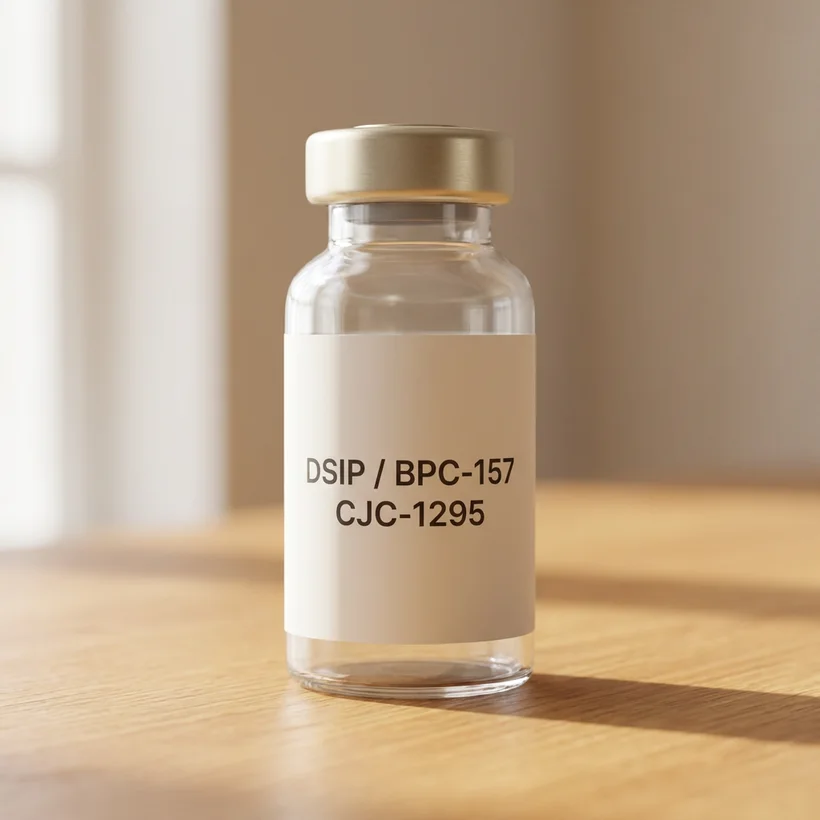
From the FormBlends catalog
Sleep + Recovery Stack
Sleep and repair support with DSIP, BPC-157, and CJC · From $299/mo · compounded by a licensed 503A pharmacy, dispensed only after provider review.
View Sleep + Recovery Stack →Can sleep apnea cause permanently low testosterone?
Long-term untreated sleep apnea can cause lasting damage to hormone-producing tissues, but permanent suppression is rare. Most men see significant testosterone recovery with effective sleep apnea treatment, even after years of untreated disease. However, those with severe, long-standing apnea may require additional hormone replacement therapy to achieve optimal levels.
Should I take testosterone if I have untreated sleep apnea?
Testosterone replacement therapy can worsen sleep apnea by increasing upper airway muscle relaxation and fluid retention. Most physicians recommend treating sleep apnea first, then reassessing hormone levels after 3-6 months of effective CPAP therapy. If testosterone remains low despite good sleep apnea control, hormone replacement becomes safer and more effective.
Do women with sleep apnea experience similar hormone problems?
Yes, women with sleep apnea experience significant hormonal disruptions affecting estrogen, progesterone, and cortisol levels. Postmenopausal women are particularly vulnerable, with sleep apnea worsening hot flashes and mood changes. Growth hormone and thyroid function are affected similarly in both men and women with sleep apnea.
What hormone tests should I get if I have sleep apnea?
Recommended testing includes total and free testosterone, luteinizing hormone, cortisol (morning), growth hormone (IGF-1), thyroid function (TSH, T3, T4), and glucose/insulin levels. These tests should be performed after establishing effective sleep apnea treatment to get accurate baseline values, as untreated apnea can temporarily suppress multiple hormone systems.
Can improving my hormones help my sleep apnea?
Optimizing hormones can provide modest improvements in sleep apnea severity, primarily through weight loss and improved muscle tone. Growth hormone therapy may strengthen upper airway muscles, while testosterone optimization can improve overall energy and motivation for weight loss. However, hormones alone rarely cure sleep apnea, and mechanical treatments like CPAP remain essential.
How does sleep apnea treatment cost compare to hormone therapy in 2026?
CPAP therapy typically costs $1,200-2,500 initially plus $200-400 annually for supplies, usually covered by insurance. Hormone replacement therapy ranges from $100-300 monthly for testosterone and $200-500 monthly for growth hormone peptides. Most insurance plans cover sleep apnea treatment but may not cover hormone optimization, making sleep apnea treatment the more cost-effective first step.
Sources
- Andersen ML, Tufik S. The effects of testosterone on sleep and sleep-disordered breathing in men: its bidirectional interaction with erectile function. Sleep Med Rev. 2008;12(5):365-79. PMID: 18519168
- Barrett-Connor E, Dam TT, Stone K, Harrison SL, Redline S, Orwoll E. The association of testosterone levels with overall sleep quality, sleep architecture, and sleep-disordered breathing. J Clin Endocrinol Metab. 2008;93(7):2602-9. PMID: 18413429
- Luboshitzky R, Aviv A, Hefetz A, Herer P, Shen-Orr Z, Lavie L, Lavie P. Decreased pituitary-gonadal secretion in men with obstructive sleep apnea. J Clin Endocrinol Metab. 2002;87(7):3394-8. PMID: 12107256
- Meston N, Davies RJ, Mullins R, Jenkinson C, Wass JA, Stradling JR. Endocrine effects of nasal continuous positive airway pressure in male patients with obstructive sleep apnoea. J Intern Med. 2003;254(5):447-54. PMID: 14535966
- Grunstein RR, Handelsman DJ, Lawrence SJ, Blackwell C, Caterson ID, Sullivan CE. Neuroendocrine dysfunction in sleep apnea: reversal by continuous positive airways pressure therapy. J Clin Endocrinol Metab. 1989;68(2):352-8. PMID: 2493027
- Van Cauter E, Spiegel K, Tasali E, Leproult R. Metabolic consequences of sleep and sleep loss. Sleep Med. 2008;9 Suppl 1:S23-8. PMID: 18929315
- Zhang XL, Yin KS, Li C, Jia EZ, Li YQ, Guan ZZ, Wu HM. Effect of continuous positive airway pressure treatment on serum adiponectin level and mean arterial pressure in male patients with obstructive sleep apnea syndrome. Chin Med J (Engl). 2007;120(17):1477-81. PMID: 17908452
- Santamaria JD, Prior JC, Fleetham JA. Reversible reproductive dysfunction in men with obstructive sleep apnoea. Clin Endocrinol (Oxf). 1988;28(5):461-70. PMID: 3139334
Ready when you are
Sleep + Recovery Stack
Sleep and repair support with DSIP, BPC-157, and CJC · From $299/mo · compounded by a licensed 503A pharmacy, dispensed only after provider review.
View Sleep + Recovery Stack →