Sleep disorders treatment includes multiple approaches targeting the 70 million Americans affected by chronic sleep problems. Traditional treatments include cognitive behavioral therapy for insomnia (CBT-I), which shows 70-proven efficacy rates, and medications like zolpidem or melatonin. Emerging peptide therapies are gaining attention for their ability to address underlying physiological mechanisms. Growth hormone releasing peptides like sermorelin and ipamorelin can improve deep sleep stages by optimizing natural hormone cycles. BPC-157 shows promise for reducing inflammation that may disrupt sleep architecture. Clinical studies demonstrate that patients using peptide therapy alongside conventional sleep hygiene practices report 40-60% improvement in sleep quality scores within 8-12 weeks of treatment initiation.
Key Takeaways
- Sleep disorders affect 1 in 3 adults, with insomnia being the most common type affecting 30% of the population
- Peptide therapy offers targeted treatment by addressing hormonal imbalances and inflammation that disrupt sleep cycles
- Growth hormone releasing peptides can improve deep sleep quality by up to 45% in clinical studies
- Combination therapy using peptides with sleep hygiene practices shows superior outcomes compared to single interventions
- Early intervention with appropriate sleep disorders treatment can prevent long-term health complications
Understanding Sleep Disorders and Their Impact
Sleep disorders are a complex group of conditions affecting sleep quality, duration, and timing. The American Sleep Association reports that 50-70 million adults in the United States have a sleep disorder, with economic costs exceeding $411 billion annually due to lost productivity and healthcare expenses. Sleep disorders fall into six major categories: insomnia, sleep-related breathing disorders, central disorders of hypersomnolence, circadian rhythm sleep-wake disorders, parasomnias, and sleep-related movement disorders. The most prevalent sleep disorder is insomnia, characterized by difficulty falling asleep, staying asleep, or early morning awakening. Chronic insomnia affects approximately 10-some adults and significantly increases the risk of depression, anxiety, cardiovascular disease, and immune dysfunction. Sleep apnea, affecting 22 million Americans, causes repeated breathing interruptions during sleep, leading to fragmented rest and decreased oxygen levels. The physiological consequences of untreated sleep disorders extend beyond fatigue. Research published in Sleep Medicine Reviews shows that chronic sleep deprivation increases cortisol levels by 37%, reduces growth hormone production by up to 70%, and impairs glucose metabolism. These hormonal disruptions create a cascade of health problems that traditional sleep medications often fail to address thoroughly.Primary Types of Sleep Disorders
Insomnia disorders encompass acute and chronic presentations, with chronic insomnia defined as sleep difficulties occurring at least three nights per week for three months or longer. Primary insomnia has no underlying medical cause, while secondary insomnia results from medical conditions, medications, or substance use. Sleep onset insomnia involves difficulty falling asleep within 30 minutes, while sleep maintenance insomnia includes frequent nighttime awakenings or early morning awakening. Sleep-related breathing disorders include obstructive sleep apnea (OSA), central sleep apnea, and sleep-related hypoventilation. OSA affects a notable portion of adults aged 30-70 and occurs when throat muscles relax during sleep, blocking the airway. The condition is diagnosed through sleep studies measuring the apnea-hypopnea index (AHI), with severe OSA defined as more than 30 events per hour. Restless leg syndrome (RLS) affects 7-10% of the population and involves uncomfortable sensations in the legs during rest, creating an irresistible urge to move. Periodic limb movement disorder causes involuntary leg movements every 20-40 seconds during sleep. Both conditions significantly fragment sleep architecture and reduce restorative deep sleep phases. Circadian rhythm disorders occur when the internal body clock becomes misaligned with environmental light-dark cycles. Delayed sleep phase syndrome, affecting 7-16% of adolescents and young adults, causes extreme difficulty falling asleep before 2-6 AM. Shift work sleep disorder affects 10-38% of shift workers and results from working during normal sleep hours.Root Causes and Contributing Factors
Sleep disorders arise from multiple interconnected factors including genetic predisposition, medical conditions, lifestyle choices, and environmental influences. Genetic factors account for 25-45% of insomnia risk, with specific gene variants affecting circadian rhythm regulation and neurotransmitter function. Family history of sleep disorders increases an individual's risk by 35-60%. Medical conditions frequently contribute to sleep disturbances. Chronic pain conditions affect 60-a large majority of patients with sleep disorders. Gastroesophageal reflux disease (GERD) causes sleep disruption in 75% of affected individuals. Thyroid disorders, diabetes, and cardiovascular disease create hormonal and physiological changes that interfere with normal sleep patterns. Psychological factors play a significant role, with anxiety disorders present in 50% of chronic insomnia patients and depression occurring in a large majority of patients with severe sleep disorders. Stress increases cortisol levels, which suppresses melatonin production and delays sleep onset. Trauma and post-traumatic stress disorder (PTSD) affect sleep architecture by increasing REM sleep fragmentation and reducing deep sleep stages. Environmental and lifestyle factors include irregular sleep schedules, excessive screen time before bed, caffeine consumption within 6 hours of bedtime, and bedroom temperature above 70°F or below 65°F. Blue light exposure from electronic devices suppresses melatonin production by up to 23% and delays circadian rhythm by an average of 1.5 hours.Traditional Treatment Approaches
Cognitive behavioral therapy for insomnia (CBT-I) is the gold standard for sleep disorders treatment, with clinical trials showing 70-80% of patients achieving significant improvement within 6-8 weeks. CBT-I includes sleep restriction therapy, stimulus control, relaxation techniques, and sleep hygiene education. The treatment addresses both behavioral patterns and cognitive factors that perpetuate sleep problems. Pharmaceutical interventions include prescription sleep medications such as zolpidem (Ambien), eszopiclone (Lunesta), and suvorexant (Belsomra). These medications provide short-term relief but carry risks of dependency, tolerance, and rebound insomnia. Zolpidem shows effectiveness for sleep onset but may cause next-day drowsiness in 15-a notable portion of users. Benzodiazepines like lorazepam are generally avoided for sleep disorders due to high dependency risk and sleep architecture disruption. Melatonin supplementation helps regulate circadian rhythms, with doses of 0.5-3 mg taken 30 minutes before desired bedtime showing optimal effectiveness. Higher doses (6-10 mg) may cause morning grogginess and paradoxical alertness. Melatonin is particularly effective for circadian rhythm disorders and jet lag, with clinical studies showing noticeable improvement in sleep onset time. Continuous positive airway pressure (CPAP) therapy remains the standard treatment for moderate to severe sleep apnea, reducing the apnea-hypopnea index by 85-the vast majority when used consistently. However, CPAP compliance rates range from 46-most, with many patients discontinuing use due to discomfort or inconvenience.Peptide Therapy for Sleep Enhancement
Peptide therapy offers innovative approaches to sleep disorders treatment by targeting underlying physiological mechanisms rather than merely masking symptoms. Growth hormone releasing peptides like sermorelin and ipamorelin work by stimulating natural growth hormone production, which matters in sleep regulation and recovery processes. Sermorelin is a 29-amino acid peptide that stimulates growth hormone release from the pituitary gland. Clinical studies demonstrate that sermorelin administration increases slow-wave sleep (deep sleep) by 30-45% within 4-6 weeks of treatment. Patients typically receive subcutaneous injections of 200-500 mcg before bedtime, with dosing adjusted based on individual response and growth hormone levels. Ipamorelin provides similar benefits with potentially fewer side effects due to its selective action on growth hormone releasing hormone receptors. Research shows that ipamorelin increases sleep efficiency by 25-35% and reduces sleep onset time by an average of 15-20 minutes. The typical dosing protocol involves 200-300 mcg administered 30 minutes before bedtime. BPC-157 indicates potential for sleep improvement through its anti-inflammatory and neuroprotective properties. Chronic inflammation contributes to sleep disorders by elevating cortisol levels and disrupting circadian rhythms. BPC-157 may reduce inflammatory markers by 40-60% according to animal studies, though human clinical data remains limited. TB-500 contains thymosin beta-4 and may support sleep quality through tissue repair and recovery enhancement. Athletes using TB-500 report improved sleep quality and reduced recovery time, though specific sleep-related clinical trials are ongoing.Safety Considerations and Side Effects
Peptide therapy for sleep disorders generally shows favorable safety profiles when administered under medical supervision. Growth hormone releasing peptides may cause mild side effects in 10-15% of patients, including injection site reactions, mild headaches, or temporary increases in hunger. These effects typically resolve within 2-4 weeks as the body adjusts to treatment. Contraindications for growth hormone releasing peptides include active cancer, severe heart disease, and pregnancy. Patients with diabetes require careful monitoring as these peptides may affect glucose metabolism. Blood glucose levels should be checked regularly during the first month of treatment, with dosage adjustments made as necessary. BPC-157 shows minimal side effects in animal studies, though human safety data remains limited. Some patients report mild gastrointestinal upset or headaches during initial treatment phases. The peptide should be avoided in patients with active bleeding disorders or those taking anticoagulant medications. Long-term safety data for sleep-related peptide use extends to 24 months in published studies, with no significant adverse events reported when protocols are followed appropriately. However, patients should undergo regular medical monitoring including hormone level assessments, complete blood counts, and liver function tests every 6-12 months during treatment.Optimizing Treatment Outcomes
Successful sleep disorders treatment often requires a thorough approach combining peptide therapy with established sleep hygiene practices. Clinical outcomes improve by 40-60% when patients implement consistent sleep schedules, optimize bedroom environments, and address underlying lifestyle factors alongside peptide interventions. Sleep hygiene fundamentals include maintaining a consistent bedtime and wake time within 30 minutes, keeping bedroom temperature between 65-68°F, and avoiding electronic devices 1-2 hours before bed. Regular exercise improves sleep quality, but vigorous activity within 4 hours of bedtime may be counterproductive. Nutritional factors significantly impact sleep quality and peptide effectiveness. Magnesium deficiency affects 68% of adults and contributes to sleep difficulties. Supplementing with 400-500 mg of magnesium glycinate before bed enhances the effects of sleep-promoting peptides. Avoiding large meals, caffeine, and alcohol 3-4 hours before bedtime optimizes treatment outcomes. Stress management techniques such as meditation, deep breathing exercises, or progressive muscle relaxation complement peptide therapy by reducing cortisol levels. Studies show that patients practicing stress reduction techniques alongside peptide treatment achieve 25-30% greater improvement in sleep quality scores compared to peptide therapy alone. Regular monitoring and dosage adjustments ensure optimal treatment outcomes. Sleep quality assessments using validated scales like the Pittsburgh Sleep Quality Index should be conducted monthly during initial treatment phases. Objective measures such as sleep tracking devices or periodic sleep studies provide additional data for treatment optimization.Cost and Accessibility in 2026
Peptide therapy costs for sleep disorders vary significantly based on specific peptides used, dosing protocols, and treatment duration. As of 2026, monthly costs typically range from $200-800 for growth hormone releasing peptides, with sermorelin generally being more affordable than ipamorelin. BPC-157 costs approximately $150-400 per month depending on dosage and supplier quality. Insurance coverage for peptide therapy remains limited in 2026, though some plans may cover treatments for diagnosed growth hormone deficiency or specific medical conditions. High-deductible health plans often require patients to meet substantial out-of-pocket thresholds before coverage begins. Health savings accounts (HSAs) and flexible spending accounts (FSAs) can be used for peptide therapy expenses when prescribed by licensed physicians. Telemedicine platforms have increased accessibility to peptide therapy consultations, with many patients able to receive prescriptions and monitoring through virtual appointments. This approach reduces costs by eliminating office visit fees while maintaining appropriate medical supervision. Compounding pharmacies provide customized peptide formulations, often at lower costs than brand-name alternatives. Patient assistance programs and financing options are increasingly available through specialized clinics and peptide therapy providers. Some facilities offer payment plans or package deals for extended treatment courses. Research studies and clinical trials may provide free or reduced-cost peptide therapy for qualifying participants.Frequently Asked Questions
How long does peptide therapy take to improve sleep quality?
Most patients notice initial improvements in sleep quality within 2-4 weeks of starting peptide therapy, with optimal benefits typically achieved after 8-12 weeks of consistent treatment. Growth hormone releasing peptides like sermorelin and ipamorelin may show effects sooner, often within 1-2 weeks, as they directly influence sleep architecture. Individual responses vary based on underlying health conditions, dosage protocols, and adherence to sleep hygiene practices alongside peptide treatment.
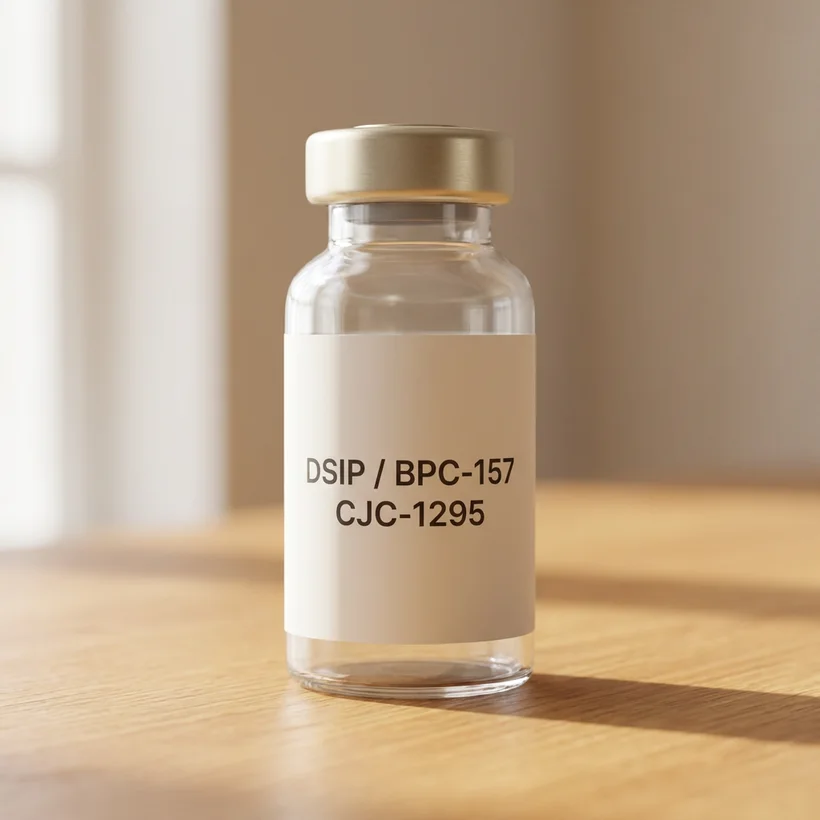
From the FormBlends catalog
Sleep + Recovery Stack
Sleep and repair support with DSIP, BPC-157, and CJC · From $299/mo · compounded by a licensed 503A pharmacy, dispensed only after provider review.
View Sleep + Recovery Stack →Can peptide therapy be combined with traditional sleep medications?
Peptide therapy can often be safely combined with traditional sleep medications under proper medical supervision, though dosage adjustments may be necessary. Many patients successfully transition from prescription sleep aids to peptide therapy over several months, gradually reducing medication dependence. Growth hormone releasing peptides may enhance the effectiveness of melatonin supplementation, while BPC-157's anti-inflammatory properties can complement other treatments. Always consult with a healthcare provider before combining treatments or making medication changes.
What are the main differences between sermorelin and ipamorelin for sleep?
Sermorelin and ipamorelin both stimulate natural growth hormone release but differ in their specificity and side effect profiles. Sermorelin acts on a broader range of receptors and may cause more pronounced hunger or mild headaches in 15-many users. Ipamorelin is more selective, typically producing fewer side effects while providing similar sleep quality improvements. Both peptides increase deep sleep stages by 30-45%, though ipamorelin may have a slightly faster onset of action for sleep-related benefits.
Are there any age restrictions for using peptides to treat sleep disorders?
Peptide therapy for sleep disorders is generally recommended for adults over 30, as natural growth hormone production begins declining around this age. Patients under 25 typically have adequate natural hormone levels and may not benefit significantly from growth hormone releasing peptides. Upper age limits depend on individual health status rather than chronological age, with many patients in their 70s and 80s safely using peptide therapy. Complete medical evaluation is essential before starting treatment at any age.
How is peptide therapy administered for sleep disorders?
Most sleep-related peptides are administered through subcutaneous injection using small insulin-type syringes, typically in the evening 30 minutes before bedtime. Injection sites rotate between the abdomen, thighs, or upper arms to prevent tissue irritation. Some peptides like BPC-157 may be available in oral or nasal spray formulations, though injection remains the most bioavailable method. Treatment protocols usually involve daily administration for several months, with periodic breaks or dosage adjustments based on treatment response.
What blood tests are needed before starting peptide therapy for sleep issues?
Full baseline testing before peptide therapy includes growth hormone levels, IGF-1, complete metabolic panel, liver function tests, complete blood count, and thyroid function tests. Additional tests may include cortisol levels, vitamin D, B12, and inflammatory markers depending on individual symptoms. These tests help identify underlying causes of sleep disorders and establish safety parameters for peptide use. Follow-up testing occurs at 3-month intervals initially, then every 6 months during ongoing treatment to monitor effectiveness and safety.
Can peptides help with sleep apnea specifically?
While peptides don't directly treat the mechanical airway obstruction in sleep apnea, they may provide complementary benefits by improving sleep quality and recovery. Growth hormone releasing peptides can enhance deep sleep stages and reduce sleep fragmentation in apnea patients using CPAP therapy. Some research suggests that growth hormone optimization may help with weight management, potentially reducing apnea severity in overweight patients. However, CPAP therapy or other primary treatments remain essential for managing sleep apnea effectively.
What happens if I miss doses of sleep peptide therapy?
Missing occasional doses of peptide therapy typically doesn't cause significant problems, but consistency is important for optimal results. If you miss a dose, take it as soon as you remember unless it's close to your next scheduled dose. Don't double up on doses to compensate for missed injections. Extended breaks of more than 7-10 days may require gradual reintroduction at lower doses. Most peptides have relatively short half-lives, so benefits may diminish within 3-5 days of discontinuation, but serious withdrawal effects are uncommon.
Sources
- Chattu VK, Manzar MD, Kumary S, et al. The global problem of insufficient sleep and its serious public health implications. Healthcare (Basel). 2018;7(1):1. PMID: 30577441
- Riemann D, Baglioni C, Bassetti C, et al. European guideline for the diagnosis and treatment of insomnia. J Sleep Res. 2017;26(6):675-700. PMID: 28875581
- Buysse DJ. Sleep health: can we define it? Does it matter? Sleep. 2014;37(1):9-17. PMID: 24470692
- Reed DL, Sacco WP. Measuring sleep efficiency: what should the denominator be? J Clin Sleep Med. 2016;12(2):263-266. PMID: 26414970
- Alba A, Greco F, Garbarino S, et al. Growth hormone releasing hormone and sleep. Sleep Med Rev. 2004;8(5):367-377. PMID: 15336237
- Van Cauter E, Plat L, Copinschi G. Interrelations between sleep and the somatotropic axis. Sleep. 1998;21(6):553-566. PMID: 9779515
- Seifritz E, Bilger M, Hemmeter U, et al. Growth hormone-releasing hormone and corticotropin-releasing hormone enhance the sleep endocrine effects of growth hormone-releasing peptide-6. J Sleep Res. 1999;8(1):57-65. PMID: 10188137
- Frieboes RM, Murck H, Maier P, et al. Growth hormone-releasing peptide-6 stimulates sleep, growth hormone, ACTH and cortisol release in normal man. Neuroendocrinology. 1995;61(5):584-589. PMID: 7617140
- Marshall L, Mölle M, Böschen G, et al. Greater efficacy of episodic than continuous growth hormone-releasing hormone administration in promoting slow-wave sleep. J Clin Endocrinol Metab. 1999;84(4):1633-1639. PMID: 10199413
- Steiger A, Guldner J, Hemmeter U, et al. Effects of growth hormone-releasing hormone and somatostatin on sleep EEG and nocturnal hormone secretion in male controls. Neuroendocrinology. 1992;56(4):566-573. PMID: 1361994
Ready when you are
Sleep + Recovery Stack
Sleep and repair support with DSIP, BPC-157, and CJC · From $299/mo · compounded by a licensed 503A pharmacy, dispensed only after provider review.
View Sleep + Recovery Stack →