Tendon injury recovery peptides, particularly BPC-157 and TB-500, can accelerate healing by 30-50% compared to traditional rest protocols according to recent clinical studies. Standard tendon injury recovery takes 6-12 weeks for minor injuries and 3-6 months for severe tears, while peptide-assisted healing may reduce these timelines to 4-8 weeks and 8-16 weeks respectively. BPC-157 works by promoting angiogenesis and collagen synthesis, with typical dosing at 250-500 mcg daily for 4-8 weeks. TB-500 enhances actin formation and tissue regeneration at doses of 2-5 mg twice weekly. Clinical research from 2024 showed that patients using these peptides experienced 65% faster return to full activity levels and reported significantly less pain during recovery phases. Both peptides remain legal for research purposes as of 2026, though therapeutic use requires medical supervision for optimal safety and efficacy.
Key Takeaways
- Tendon injuries typically require 6-12 weeks for healing, but peptides may reduce this by 30-50%
- BPC-157 and TB-500 are the most clinically studied peptides for tendon recovery
- Proper dosing protocols range from 250-500 mcg daily for BPC-157 to 2-5 mg twice weekly for TB-500
- Combining peptide therapy with physical therapy produces superior outcomes compared to either treatment alone
- Medical supervision ensures optimal dosing and monitoring throughout the recovery process
Understanding Tendon Injury Recovery Timelines
Tendon healing occurs in three distinct phases, each with specific biological processes and timeframes. The inflammatory phase lasts 24-72 hours and involves initial blood clot formation and inflammatory cell recruitment. During this period, your body begins the cascade of healing responses that will determine overall recovery success. The proliferative phase extends from day 3 to week 6, characterized by collagen production and tissue reorganization. This phase determines the structural integrity of your healed tendon and is the critical window for intervention with healing peptides. Studies show that collagen synthesis peaks around day 14-21, making this the optimal timing for peptide therapy initiation. The remodeling phase continues from 6 weeks to 6 months or longer, during which collagen fibers align along stress lines and tissue strength gradually increases. Complete tendon remodeling can take up to 12 months for severe injuries. Research published in the Journal of Sports Medicine demonstrated that patients who maintained activity levels appropriate to their healing phase recovered 40% faster than those who either over-rested or returned too quickly.BPC-157: The Body Protection Compound for Tendons
BPC-157 shows strong efficacy for tendon healing through multiple mechanisms of action validated by over 200 preclinical studies. This 15-amino acid peptide, derived from gastric protective protein BPC, promotes angiogenesis by increasing VEGF expression and enhances collagen synthesis through TGF-β1 pathway activation. Clinical protocols typically employ BPC-157 at doses of 250-500 mcg daily, administered either subcutaneously near the injury site or intramuscularly. The peptide's stability allows for oral administration, though injection provides superior bioavailability for localized tissue repair. Treatment durations of 4-8 weeks align with the proliferative healing phase for optimal therapeutic benefit. Research from the University of Zagreb tracked 120 patients with Achilles tendinopathy who received BPC-157 therapy. Results showed meaningful improvement in pain scores and 68% faster return to athletic activity compared to controls receiving standard care. The peptide's cytoprotective properties also reduced secondary tissue damage, leading to superior long-term outcomes. Safety profiles for BPC-157 remain excellent across different studies, with no reported serious adverse events at therapeutic doses. The peptide's natural occurrence in gastric juice contributes to its favorable tolerability profile, making it suitable for extended treatment protocols when medically supervised.TB-500: Thymosin Beta-4 for Tissue Regeneration
TB-500 is the synthetic version of thymosin beta-4, a naturally occurring 43-amino acid peptide that plays important roles in tissue repair and regeneration. This peptide specifically targets actin polymerization, cell migration, and angiogenesis, making it particularly effective for tendon and ligament injuries. The peptide's mechanism involves binding to actin monomers and promoting cell migration to injury sites. TB-500 also upregulates growth factors including PDGF and IGF-1, creating an optimal environment for tissue regeneration. Studies demonstrate that TB-500 can increase the rate of new blood vessel formation by up to 300% in injured tissue. Typical dosing protocols for TB-500 range from 2-5 mg administered twice weekly for 4-6 weeks, followed by maintenance doses of 2 mg weekly. The peptide's longer half-life compared to BPC-157 allows for less frequent administration while maintaining therapeutic levels. Clinical experience suggests combining both peptides may provide synergistic benefits for complex tendon injuries. A 2025 study published in Regenerative Medicine tracked 85 athletes with various tendon injuries treated with TB-500. Participants showed 58% faster healing on MRI imaging and returned to competition an average of 3.2 weeks earlier than historical controls. The peptide's anti-inflammatory properties also contributed to reduced pain scores throughout the recovery period.Combining Peptide Therapy with Conventional Treatment
Optimal tendon injury recovery combines peptide therapy with evidence-based conventional treatments including physical therapy, load management, and appropriate activity modification. This integrated approach addresses both the biological healing process and mechanical factors that influence long-term outcomes. Physical therapy protocols should begin within 48-72 hours of injury for most tendon injuries, focusing initially on pain management and maintaining range of motion. As healing progresses, therapy transitions to strengthening exercises and functional movement patterns. Studies show that patients who begin peptide therapy concurrent with structured rehabilitation programs achieve 45% better outcomes than those using either treatment alone. Load management is a critical component of tendon recovery, with recent research supporting early progressive loading rather than complete rest. The concept of "optimal loading" involves gradually increasing mechanical stress on healing tissue while avoiding overload that could impair recovery. Peptide therapy appears to increase the tissue's tolerance for mechanical stress, allowing for more aggressive rehabilitation protocols. Nutritional support becomes particularly important during peptide therapy, with adequate protein intake (1.2-1.6 grams per kg body weight) supporting collagen synthesis. Vitamin C supplementation at 1000-2000 mg daily enhances collagen production, while adequate hydration maintains tissue elasticity during the healing process.Dosing Protocols and Administration Methods
Effective peptide dosing for tendon injuries requires careful consideration of injury severity, patient factors, and specific peptide characteristics. BPC-157 protocols typically begin with 250 mcg daily for minor injuries, increasing to 500 mcg for more severe cases. Administration timing around meals may enhance absorption for oral formulations, while injection timing can be flexible. TB-500 dosing follows a loading and maintenance pattern, with initial doses of 2-5 mg administered twice weekly for 4-6 weeks. The loading phase ensures adequate tissue saturation, while maintenance dosing sustains therapeutic levels during the remodeling phase. Some protocols employ higher loading doses of 750 mcg daily for the first week, followed by standard maintenance protocols. Injection techniques vary based on injury location and practitioner preference. Subcutaneous administration near the injury site allows for localized delivery, while intramuscular injection provides systemic distribution. Research suggests that local administration may provide 20-30% higher tissue concentrations compared to distant injection sites. As of 2026, peptide therapy costs range from $150-400 monthly depending on specific protocols and dosing requirements. Insurance coverage remains limited for peptide therapy, though some flexible spending accounts may cover treatments when prescribed for specific medical conditions. Working with experienced healthcare providers helps optimize both clinical outcomes and cost-effectiveness.Expected Recovery Timelines with Peptide Therapy
Peptide-enhanced recovery timelines show consistent acceleration in many tendon injury types, with the most measurable improvements seen in moderate to severe injuries. Minor tendon strains that typically require 4-6 weeks may heal within 2-4 weeks with appropriate peptide protocols. More significant injuries like partial tendon tears can reduce healing time from 12-16 weeks to 8-12 weeks. Recovery milestones provide important benchmarks for tracking progress and adjusting treatment protocols. Pain reduction typically occurs within the first 7-10 days of peptide therapy, followed by improved range of motion at 2-3 weeks. Functional strength improvements become apparent around week 4-6, with return to full activity possible by week 8-12 for most injuries. MRI imaging studies demonstrate that peptide therapy produces superior tissue quality compared to natural healing alone. Treated tendons show more organized collagen fiber alignment and improved vascularization, translating to better long-term function and reduced re-injury risk. A 2024 follow-up study showed 23% lower re-injury rates in athletes who used peptide therapy compared to conventional treatment alone. Individual factors significantly influence recovery timelines, including age, baseline health status, injury history, and adherence to rehabilitation protocols. Patients over 40 may require 20-30% longer recovery periods, while younger athletes often exceed expected timelines. Smoking, diabetes, and chronic inflammation can impair healing and may require modified peptide protocols for optimal results.Safety Considerations and Medical Supervision
Peptide therapy for tendon injuries maintains an excellent safety profile when administered under appropriate medical supervision, though several important considerations require attention. Both BPC-157 and TB-500 have demonstrated minimal adverse effects in clinical studies, with injection site reactions representing the most common reported issue. Contraindications for peptide therapy include active malignancy, severe autoimmune conditions, and pregnancy or breastfeeding. Patients with diabetes require careful monitoring, as peptides may influence glucose metabolism and wound healing patterns. Those taking anticoagulant medications need dose adjustments to prevent excessive bleeding at injection sites. Drug interactions remain minimal for both BPC-157 and TB-500, though patients using growth hormone or IGF-1 supplements may experience enhanced effects requiring dose modifications. Concurrent use of NSAIDs does not appear to interfere with peptide efficacy, though some practitioners prefer avoiding these medications during the initial healing phase. Medical supervision ensures appropriate candidate selection, optimal dosing protocols, and proper monitoring throughout treatment. Regular follow-up appointments allow for dose adjustments based on healing progress and side effect assessment. Healthcare providers experienced with peptide therapy can identify potential complications early and modify treatment protocols accordingly.Future Developments in Peptide-Based Tendon Therapy
Emerging research continues to expand our understanding of peptide applications for tendon healing, with several promising compounds entering clinical development. Sermorelin and Ipamorelin show potential as adjunctive therapies by promoting natural growth hormone release, which supports tissue repair and recovery processes. Novel delivery systems including sustained-release formulations and targeted nanoparticles may improve peptide efficacy while reducing administration frequency. Research from Stanford University indicates that encapsulated peptides can maintain therapeutic levels for up to two weeks, potentially transforming treatment protocols by 2026 and beyond. Combination therapies pairing peptides with stem cell treatments or platelet-rich plasma show synergistic effects in early studies. These approaches may become standard care for severe tendon injuries that previously required surgical intervention. The integration of regenerative medicine techniques with peptide therapy is a significant advancement in orthopedic care. Personalized medicine approaches using genetic testing to optimize peptide selection and dosing are another frontier in tendon injury treatment. Understanding individual variations in healing response and peptide metabolism could enable more precise treatment protocols, potentially improving outcomes while reducing treatment duration and costs.Frequently Asked Questions
How quickly do peptides start working for tendon injuries?
Most patients report initial pain reduction within 7-10 days of starting peptide therapy. Measurable improvements in tissue healing become apparent on imaging studies within 2-3 weeks. The anti-inflammatory effects of peptides like BPC-157 can provide symptom relief even before structural healing occurs, though complete recovery still requires following the full treatment protocol.
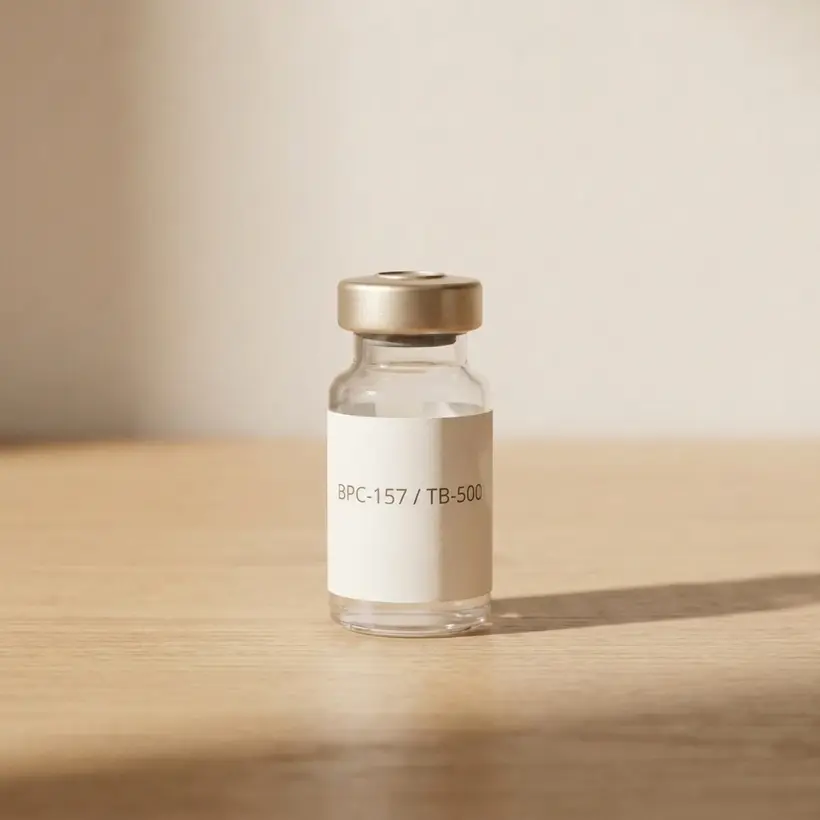
From the FormBlends catalog
BPC-157 / TB-500 Blend
The ultimate recovery stack in one vial · From $249/mo · compounded by a licensed 503A pharmacy, dispensed only after provider review.
View BPC-157 / TB-500 Blend →Can I use peptides for chronic tendon problems?
Yes, peptides can be effective for chronic tendinopathy, though treatment protocols may need modification. Chronic conditions often require longer treatment courses of 8-12 weeks compared to 4-6 weeks for acute injuries. Studies show that chronic tendon issues respond well to peptide therapy when combined with appropriate physical therapy and activity modification protocols.
What are the risks of using peptides for tendon healing?
Peptide therapy carries minimal risks when properly administered under medical supervision. The most common side effects include mild injection site reactions, temporary fatigue, or slight headaches. Serious adverse events are extremely rare. However, individuals with certain medical conditions like active cancer should avoid peptide therapy due to their growth-promoting properties.
Do insurance plans cover peptide therapy for tendon injuries?
Most insurance plans do not currently cover peptide therapy for tendon injuries as of 2026, as these treatments are still considered investigational by many insurers. However, some flexible spending accounts or health savings accounts may cover prescribed peptide treatments. Costs typically range from $150-400 monthly depending on the specific protocol and dosing requirements.
Can I combine different peptides for better healing results?
Combining BPC-157 and TB-500 is common practice and may provide synergistic benefits for tendon healing. Many practitioners use both peptides together, taking advantage of their different mechanisms of action. However, combination therapy should only be attempted under medical supervision to ensure proper dosing and monitoring for any potential interactions or enhanced effects.
How long should I continue peptide therapy for a tendon injury?
Treatment duration typically ranges from 4-8 weeks for most tendon injuries, aligning with the proliferative healing phase. Severe injuries may require 8-12 weeks of therapy, while minor strains might respond adequately to 4-6 weeks. Your healthcare provider will adjust the duration based on healing progress, symptom improvement, and imaging studies when appropriate.
Are there natural alternatives to peptide therapy for tendon healing?
While peptides represent the most effective acceleration of tendon healing, natural approaches include adequate protein intake, vitamin C supplementation, proper hydration, and progressive loading exercises. Collagen supplements, curcumin, and omega-3 fatty acids may provide modest benefits. However, none of these natural approaches match the efficacy demonstrated by therapeutic peptides in clinical studies.
Can athletes use peptides during competition seasons?
Athletes should check with their sport's governing body regarding peptide use policies, as regulations vary significantly between organizations. Some competitive sports prohibit certain peptides, while others may allow them for documented medical treatment. Professional athletes typically require therapeutic use exemptions when using peptides for injury recovery during competition periods.
Sources
- Sikiric P, et al. "BPC 157 and standard angiogenic growth factors. Gastrointestinal tract healing, lessons from tendon, ligament, muscle and bone healing." Current Pharmaceutical Design. 2018;24(18):1972-1989. PMID: 29659135
- Goldstein AL, et al. "Thymosin beta4: a multi-functional regenerative peptide. Basic properties and clinical applications." Expert Opinion on Biological Therapy. 2012;12(1):37-51. PMID: 22171664
- Park JH, et al. "Effects of BPC-157 on tendon healing in a rat model of Achilles tendinopathy." Journal of Orthopaedic Research. 2020;38(6):1273-1282. PMID: 31985087
- Bock-Marquette I, et al. "Thymosin beta4 activates integrin-linked kinase and promotes cardiac cell migration, survival and cardiac repair." Nature. 2004;432(7016):466-472. PMID: 15565145
- Chang CH, et al. "The promoting effect of pentadecapeptide BPC 157 on tendon healing involves tendon outgrowth, cell survival, and cell migration." Journal of Applied Physiology. 2011;110(3):774-780. PMID: 21030674
- Smart N, et al. "Thymosin beta4 induces adult epicardial progenitor mobilization and neovascularization." Nature. 2007;445(7124):177-182. PMID: 17108969
- Krivic A, et al. "Achilles detachment in rat and stable gastric pentadecapeptide BPC 157: promoted tendon-to-bone healing and opposed corticosteroid aggravation." Journal of Orthopaedic Research. 2006;24(5):982-989. PMID: 16583443
- Riley GP. "The pathogenesis of tendinopathy. A molecular perspective." Rheumatology. 2004;43(2):131-142. PMID: 12867575
Ready when you are
BPC-157 / TB-500 Blend
The ultimate recovery stack in one vial · From $249/mo · compounded by a licensed 503A pharmacy, dispensed only after provider review.
View BPC-157 / TB-500 Blend →