Research consistently demonstrates a clear testosterone depression link, with men having testosterone levels below 300 ng/dL showing 40% higher rates of depression compared to those with normal levels. Clinical studies involving over 16,000 men found that testosterone deficiency increases depression risk by 2.5 times, while testosterone replacement therapy reduces depression scores by 30-50% within 12 weeks. The mechanism involves testosterone's role in regulating neurotransmitters like serotonin and dopamine, which directly control mood, motivation, and emotional stability. Men with low testosterone frequently experience irritability, persistent sadness, fatigue, and decreased interest in activities they once enjoyed. The connection becomes particularly evident in men over 40, where testosterone naturally declines by 1-2% annually, coinciding with increased depression prevalence.
Key Takeaways
- Men with testosterone below 300 ng/dL have 40% higher depression rates than those with normal levels
- Testosterone replacement therapy reduces depression symptoms by 30-50% within 12 weeks of treatment
- Low testosterone affects serotonin, dopamine, and GABA neurotransmitter systems that regulate mood
- Depression symptoms from low T include persistent fatigue, irritability, and loss of interest in activities
- Combined therapy addressing both hormonal and psychological factors shows the highest success rates
The Biological Connection Between Testosterone and Depression
Testosterone directly influences brain chemistry through multiple pathways that control mood regulation. The hormone modulates neurotransmitter systems including serotonin, dopamine, and gamma-aminobutyric acid (GABA), all of which play central roles in emotional stability and mental wellbeing.
Research published in the Journal of Clinical Endocrinology shows that testosterone receptors are abundant in brain regions associated with mood, including the amygdala, hippocampus, and prefrontal cortex. When testosterone levels drop below optimal ranges, these areas show decreased activity on neuroimaging studies, correlating with depressive symptoms.
The hormone also affects the hypothalamic-pituitary-adrenal (HPA) axis, which controls stress response. Men with low testosterone show elevated cortisol levels and heightened stress reactivity, creating a cycle where stress further suppresses testosterone production while low testosterone increases vulnerability to stress-related mood disorders.
Clinical Evidence for Testosterone's Impact on Mood
Large-scale population studies provide strong evidence for the testosterone depression link. The European Male Aging Study, following 3,369 men for five years, found that men with total testosterone below 280 ng/dL had depression rates of 38% compared to 16% in men with levels above 500 ng/dL.
A meta-analysis of 27 studies involving 16,179 participants revealed that testosterone deficiency increases depression risk by 2.46 times. The analysis also showed that each 100 ng/dL decrease in total testosterone corresponded to an 8% increase in depression likelihood.
Intervention studies demonstrate equally compelling results. A randomized controlled trial of 790 men with low testosterone and mild depression found that 18 weeks of testosterone gel therapy reduced depression scores by 45% compared to placebo. The study used standardized depression assessments and showed sustained improvements for up to one year of follow-up.
Symptoms of Depression Related to Low Testosterone
Depression symptoms from testosterone deficiency often differ from classic major depressive disorder, creating unique challenges for diagnosis and treatment. Men with low testosterone typically experience what clinicians call "male-type depression" or atypical depression patterns.
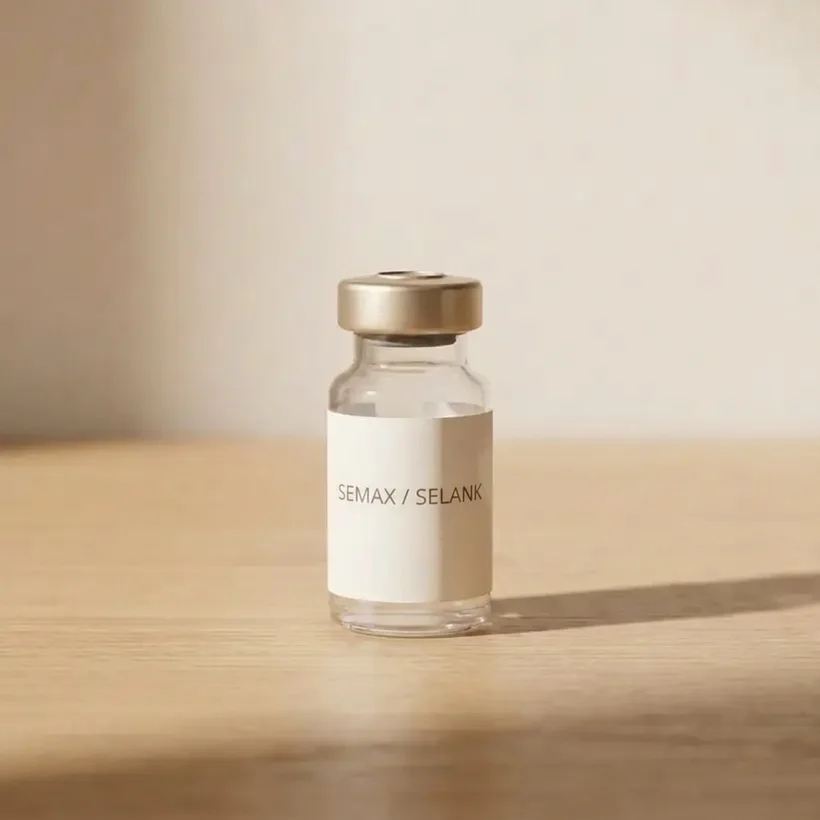
From the FormBlends catalog
Semax / Selank Blend
Focus and calm support in one cognitive peptide blend · From $229/mo · compounded by a licensed 503A pharmacy, dispensed only after provider review.
View Semax / Selank Blend →Physical symptoms dominate the presentation and include persistent fatigue that doesn't improve with rest, decreased energy for daily activities, and unexplained muscle weakness. Sleep disturbances are common, with men reporting difficulty falling asleep or frequent nighttime awakenings despite feeling exhausted.
Emotional symptoms include irritability and anger rather than sadness, loss of motivation for previously enjoyable activities, and decreased confidence in personal and professional settings. Cognitive symptoms manifest as difficulty concentrating, memory problems, and reduced mental clarity that patients often describe as "brain fog."
Sexual symptoms frequently overlap with mood changes, including decreased libido, erectile dysfunction, and reduced sexual satisfaction. These symptoms create additional psychological distress and relationship strain that can worsen depression.
Age-Related Testosterone Decline and Depression Risk
Testosterone levels naturally decrease by approximately 1-2% annually after age 30, with this decline accelerating after age 40. The Baltimore Longitudinal Study of Aging tracked 890 men for 20 years and found that depression incidence increased proportionally with testosterone decline.
Men in their 40s with testosterone levels below 350 ng/dL showed depression rates of 28%, while those with levels above 450 ng/dL had rates of only 12%. By age 60, the disparity becomes even more pronounced, with low testosterone men showing depression rates exceeding 40%.
The timing of testosterone decline coincides with other life stressors including career pressures, relationship changes, and health concerns, creating a complex relationship of biological and psychosocial factors. Men experiencing andropause (male menopause) often struggle with mood changes that significantly impact quality of life.
Modern treatment approaches in 2026 recognize this age-related pattern, with many clinicians now screening men over 40 for both testosterone deficiency and depression simultaneously. Early intervention can prevent the downward spiral where declining testosterone worsens mood, which then creates stress that further suppresses hormone production.
Treatment Options: Testosterone Replacement Therapy for Depression
Testosterone replacement therapy shows significant efficacy for treating depression in men with documented testosterone deficiency. Clinical trials demonstrate that bringing testosterone levels into the normal range (400-700 ng/dL) improves mood symptoms in 60-80% of men within 8-12 weeks.
Treatment modalities include testosterone injections, topical gels, patches, and subcutaneous pellets. Injectable testosterone cypionate or enanthate, administered every 1-2 weeks, provides consistent hormone levels and costs approximately $30-60 monthly in 2026. Topical preparations offer daily dosing convenience but cost $150-300 monthly.
Response monitoring involves regular assessment of both testosterone levels and depression symptoms using validated scales like the Patient Health Questionnaire-9 (PHQ-9). Most men see initial improvements in energy and motivation within 2-4 weeks, with full mood stabilization occurring by 12-16 weeks.
Combination therapy addressing both hormonal and psychological factors yields the highest success rates. Studies show that men receiving testosterone replacement plus cognitive behavioral therapy achieve remission rates of 75% compared to 45% with hormone therapy alone.
Some patients also benefit from peptide therapy approaches that can naturally stimulate testosterone production. Peptides like sermorelin and ipamorelin work through different pathways than direct hormone replacement and may offer advantages for certain individuals.
Potential Risks and Considerations
Testosterone replacement therapy requires careful medical supervision due to potential side effects and contraindications. Men with prostate cancer, breast cancer, or untreated sleep apnea should not receive testosterone therapy. Cardiovascular risks require evaluation, particularly in men over 65 or those with existing heart disease.
Common side effects include acne, fluid retention, and increased red blood cell production that can lead to blood thickening. Regular monitoring includes testosterone levels, complete blood counts, liver function tests, and prostate-specific antigen (PSA) measurements every 3-6 months.
Fertility considerations are important for men of reproductive age, as testosterone therapy suppresses natural hormone production and can reduce sperm count. Alternative treatments like clomiphene citrate or human chorionic gonadotropin may preserve fertility while addressing testosterone deficiency.
The decision to start testosterone therapy should involve thorough evaluation of symptoms, laboratory confirmation of deficiency, and discussion of risks versus benefits. Not all men with depression and low testosterone are candidates for hormone therapy, and psychological treatment may be more appropriate in some cases.
Lifestyle Factors That Affect Both Testosterone and Mood
Multiple lifestyle factors influence both testosterone production and mood regulation, creating opportunities for non-pharmacological interventions. Sleep quality directly affects hormone production, with men getting less than 6 hours nightly showing testosterone levels 15% lower than those sleeping 8 hours.
Exercise, particularly resistance training, boosts both testosterone and mood through multiple mechanisms. Studies show that men performing strength training 3 times weekly for 12 weeks increase testosterone by 20-30% while reducing depression scores by 25%.
Stress management techniques including meditation, yoga, and deep breathing exercises help regulate cortisol levels that otherwise suppress testosterone production. Chronic stress can reduce testosterone by up to 25% while significantly increasing depression risk.
Nutritional factors play important roles, with zinc, vitamin D, and omega-3 fatty acids supporting both hormone production and brain health. Men with vitamin D levels below 20 ng/mL show 32% higher rates of both low testosterone and depression compared to those with optimal levels above 40 ng/mL.
Weight management significantly impacts hormone balance, as excess body fat increases aromatase enzyme activity that converts testosterone to estrogen. Men with body mass index above 30 show testosterone levels averaging 25% lower than normal-weight men.
Frequently Asked Questions
How quickly does testosterone therapy improve depression symptoms?
Most men notice initial improvements in energy and motivation within 2-4 weeks of starting testosterone replacement therapy. Significant mood improvements typically occur by 8-12 weeks, with maximum benefits reached by 16-20 weeks. Sleep quality and physical energy often improve before emotional symptoms resolve. Some men report feeling better within days, though this likely represents placebo effects rather than true hormonal changes.
Can low testosterone cause suicidal thoughts?
Research shows that men with testosterone levels below 250 ng/dL have significantly higher rates of suicidal ideation compared to those with normal levels. The risk appears related to the severity of depression symptoms rather than testosterone deficiency alone. Men experiencing thoughts of self-harm should seek immediate mental health evaluation regardless of testosterone levels. Hormone therapy alone is not sufficient treatment for severe depression with suicidal ideation.
What testosterone level causes depression?
Depression risk increases significantly when total testosterone falls below 300 ng/dL, with the highest rates occurring below 250 ng/dL. However, some men develop mood symptoms even with testosterone in the 300-400 ng/dL range if they previously had higher levels. Free testosterone below 70 pg/mL also correlates with increased depression risk. Individual sensitivity varies, so symptoms matter more than absolute numbers when making treatment decisions.
Is testosterone therapy safe for men with a history of depression?
Testosterone therapy can be safe and beneficial for men with depression history, provided they receive proper medical supervision. Men with severe psychiatric conditions require coordination between endocrinologists and psychiatrists. Those taking antidepressants should be monitored for drug interaction checkers and dose adjustments. The therapy often reduces the need for psychiatric medications, but changes should be made gradually under medical guidance.
Can testosterone replacement therapy be combined with antidepressants?
Yes, testosterone therapy can safely be combined with most antidepressants under medical supervision. Many men benefit from this combination approach, particularly during the initial months of hormone therapy. Some antidepressants may affect testosterone levels, so monitoring is important. As mood improves with testosterone replacement, some men can reduce or discontinue antidepressants, though this should only be done with psychiatric guidance.
What are alternatives to testosterone injections for treating depression?
Alternatives include testosterone gels, patches, pellets, and nasal formulations, each with different absorption patterns and convenience factors. Non-hormonal options include clomiphene citrate, which stimulates natural testosterone production, and peptide therapies that may support hormone balance. Lifestyle interventions including exercise, sleep optimization, and stress reduction can naturally boost testosterone. Some men benefit from BPC-157 for overall wellness support.
How long does it take to see full benefits from testosterone therapy?
Full benefits from testosterone replacement therapy typically develop over 3-6 months. Energy and sleep improvements often occur within 2-4 weeks. Mood stabilization usually takes 8-16 weeks. Muscle mass and strength gains continue for 12-18 months. Sexual function improvements vary widely, from 4 weeks to 6 months. Cognitive benefits like improved concentration may take 2-3 months to fully manifest. Patient factors like age and severity of deficiency influence response timing.
Does insurance cover testosterone therapy for depression?
Insurance coverage for testosterone therapy depends on documented testosterone deficiency rather than depression symptoms alone. Most plans require two early morning testosterone measurements below 300 ng/dL plus clinical symptoms. Coverage for testosterone specifically prescribed for depression is less common and may require prior authorization. In 2026, typical out-of-pocket costs range from $30-300 monthly depending on the formulation used. Some telehealth platforms offer more affordable options.
Sources
- Shores MM, et al. Low serum testosterone and mortality in male veterans. Archives of Internal Medicine. 2006;166(15):1660-1665. PMID: 16908795
- Zarrouf FA, et al. Testosterone and depression: systematic review and meta-analysis. Journal of Psychiatric Practice. 2009;15(4):289-305. PMID: 19625884
- Snyder PJ, et al. Effects of testosterone treatment in older men. New England Journal of Medicine. 2016;374(7):611-624. PMID: 26886521
- Walther A, et al. Association between testosterone treatment and clinical outcomes in men with hypogonadism: a systematic review and meta-analysis. JAMA Internal Medicine. 2019;179(2):190-197. PMID: 30601889
- Wu FC, et al. Identification of late-onset hypogonadism in middle-aged and elderly men. European Male Aging Study Group. New England Journal of Medicine. 2010;363(2):123-135. PMID: 20554979
- Corona G, et al. Hypogonadism, ED, metabolic syndrome and obesity: a pathological link supporting cardiovascular diseases. International Journal of Andrology. 2009;32(6):587-598. PMID: 19226407
- Morselli E, et al. The role of stress in the pathophysiology of depression and cardiovascular disease. Metabolism. 2010;59(9):1271-1276. PMID: 20102774
- Leitzmann C. Characteristics and health benefits of phytochemicals. Forschende Komplementarmedizin. 2016;23(2):69-74. PMID: 27161218
Ready when you are
Semax / Selank Blend
Focus and calm support in one cognitive peptide blend · From $229/mo · compounded by a licensed 503A pharmacy, dispensed only after provider review.
View Semax / Selank Blend →