Key Takeaway
New to compounded semaglutide? This beginner's guide covers how it works, what to expect, dosing, side effects, costs, and how to start treatment safely through telehealth.
Compounded semaglutide for beginners starts with one question: is this medication right for you? If you have tried dieting and exercise without lasting results, compounded semaglutide offers a physician-supervised path to meaningful weight loss at a fraction of brand-name costs. This guide walks you through everything a first-time patient needs to know, from your initial consultation to your first injection and beyond.
At FormBlends, we have helped thousands of patients start their semaglutide process. We understand the mix of excitement and uncertainty that comes with trying a new medication. Our goal here is to give you clear, honest information so you can make a confident decision.
Overview: What Is Compounded Semaglutide?
Semaglutide is a GLP-1 receptor agonist, a medication that mimics a natural gut hormone involved in appetite regulation, blood sugar control, and digestion. Brand-name versions include Wegovy (for weight management) and Ozempic (for type 2 diabetes).
Compounded semaglutide is prepared by a licensed 503A or 503B compounding pharmacy rather than a large pharmaceutical manufacturer. The FDA permits compounding when there are drug shortages or when a patient has a specific medical need that a commercially available product can't meet.
For beginners, the practical difference is straightforward: compounded semaglutide delivers the same appetite-suppressing, metabolism-supporting effects at a significantly lower price point. Instead of paying $1,300 or more per month for Wegovy, patients typically pay between $199 and $399 per month for compounded versions. From $299
How It Works
About the mechanism helps you appreciate why semaglutide is so different from diet pills or supplements you may have tried before. For a complete cost breakdown, see our compare semaglutide prices.
View data table
| Category | Mean Body Weight Loss (%) | Detail |
|---|---|---|
| Tirzepatide | 22 | ~22% body weight at 72 wks |
| Semaglutide | 15 | ~15% body weight at 68 wks |
| Liraglutide | 8 | ~8% body weight at 56 wks |
| Retatrutide | 24 | ~24% in Phase 2 trial |
The GLP-1 System
After you eat, your small intestine releases a hormone called GLP-1 (glucagon-like peptide-1). This hormone does three important things: it tells your brain you're full, it slows the speed at which food moves through your stomach, and it helps your pancreas release insulin at the right time. Natural GLP-1 breaks down in your body within two to three minutes.
Semaglutide is engineered to resist that rapid breakdown. Its molecular structure allows it to circulate in your blood for roughly seven days, which is why you only need one injection per week. This sustained activity provides continuous appetite suppression rather than brief windows of reduced hunger.
What Happens in Your Brain
Semaglutide crosses the blood-brain barrier and acts on receptors in the hypothalamus, the region responsible for hunger and satiety signaling. Patients frequently describe this as a quieting of "food noise," that constant mental background chatter about what to eat next. For many beginners, this is the most noticeable change in the first few weeks.
What Happens in Your Gut
By slowing gastric emptying, semaglutide keeps food in your stomach longer. You feel satisfied sooner during meals and that satisfaction lasts for hours afterward. This isn't about willpower. It's a physiological shift in how quickly your body processes food.
Benefits
The benefits of compounded semaglutide go beyond the number on the scale.
Get compounded semaglutide, first month $99, then $190 per month, or $165 per month with Subscribe & Save
Free provider review, personalized dosing, and ongoing support included.
Start Free Assessment →- Significant weight loss: Clinical trials of semaglutide 2.4 mg showed an average weight loss of 14.9% of body weight[2] over 68 weeks. One in three participants lost 20% or more.
- Reduced appetite and cravings: Most patients report a meaningful decrease in hunger within the first one to two weeks of treatment.
- Improved blood sugar control: Semaglutide was originally developed for type 2 diabetes and remains highly effective at lowering A1C levels.
- Cardiovascular benefits: The SELECT trial[1] demonstrated a 20% reduction in major cardiovascular[1] events among patients taking semaglutide, independent of diabetes status.
- Lower cost: Compounded semaglutide typically costs 70 to 85% less than brand-name Wegovy. Contact provider for current pricing
- Convenience: One injection per week, shipped directly to your home through telehealth programs like FormBlends.
Side Effects
Being upfront about side effects is important for beginners. Knowing what to expect helps you prepare and reduces anxiety if symptoms occur.
Common Side Effects
| Side Effect | Frequency in Trials | Typical Duration |
|---|---|---|
| Nausea | ~44% | Usually improves after 2-4 weeks at each dose level |
| Diarrhea | ~30% | Often resolves within 1-2 weeks |
| Constipation | ~24% | May persist. manageable with fiber and hydration |
| Vomiting | ~24% | Most common during dose increases |
| Abdominal pain | ~20% | Typically mild. improves with dietary adjustments |
| Headache | ~14% | Usually first 1-2 weeks only |
| Fatigue | ~11% | Often related to reduced caloric intake |
These numbers come from clinical trials using brand-name semaglutide, and compounded versions carry the same side effect profile since the active ingredient is identical.
Serious Side Effects (Rare)
- Pancreatitis: Severe, persistent abdominal pain that radiates to the back requires immediate medical attention.
- Gallbladder issues: Rapid weight loss increases gallstone risk. Report any upper right abdominal pain.
- Thyroid concerns: Animal studies showed thyroid C-cell tumors in rodents. Semaglutide is contraindicated in patients with a personal or family history of medullary thyroid carcinoma or MEN 2.
- Kidney problems: Dehydration from GI side effects can stress the kidneys. Staying hydrated is important.
Beginner Tips for Managing Side Effects
- Eat smaller meals throughout the day instead of two or three large ones
- Avoid greasy, fried, or overly rich foods during the first few weeks
- Drink at least 64 ounces of water daily
- Take your injection in the evening so any nausea peaks while you sleep
- Keep bland snacks like crackers or toast on hand for mild nausea
- Ginger tea or ginger chews can help settle your stomach
Dosing: The Beginner's Titration Schedule
You won't start at a full dose. Semaglutide uses a gradual dose escalation called titration, which gives your body time to adjust and minimizes side effects.
| Phase | Weeks | Weekly Dose | What to Expect |
|---|---|---|---|
| Starting dose | 1-4 | 0.25 mg | Mild appetite changes. your body is adjusting |
| First increase | 5-8 | 0.5 mg | Appetite suppression becomes more noticeable |
| Second increase | 9-12 | 1.0 mg | Steady weight loss of 1-2 lbs per week for most patients |
| Third increase | 13-16 | 1.7 mg | Approaching therapeutic dose. significant appetite control |
| Target dose | 17+ | 2.4 mg | Full maintenance dose. optimal weight loss results |
Your prescribing physician may customize this schedule. Some beginners respond well at lower doses and never need to reach 2.4 mg. Others may need extra time at a particular level before stepping up. The key is that your doctor adjusts the plan based on your individual response.
Cost and Insurance
Cost is often the deciding factor for beginners choosing between brand-name and compounded semaglutide.
| Option | Approximate Monthly Cost | Key Considerations |
|---|---|---|
| Wegovy (brand) | $1,300 - $1,400 | FDA-approved for weight loss. limited insurance coverage |
| Ozempic (off-label) | $900 - $1,200 | Approved for diabetes only. insurance may cover with diagnosis |
| Compounded semaglutide | $199 - $399 | Same active ingredient. includes telehealth supervision at FormBlends |
$1,300-$1,400/mo (brand) $900-$1,000/mo (brand) From $299
Insurance Realities
Most insurance plans don't cover weight loss medications. Even plans that cover Wegovy often require prior authorization, documentation of failed diet attempts, and specific BMI thresholds. Medicare currently doesn't cover weight loss medications, though legislation has been proposed. Medicaid coverage varies by state.
Saving Money as a Beginner
- Compounded semaglutide is the most straightforward way to reduce costs without sacrificing the active ingredient
- HSA/FSA accounts can typically be used to pay for semaglutide prescriptions
- Manufacturer coupons are available for brand-name products but usually only for commercially insured patients
- Telehealth programs like FormBlends bundle the physician consultation and medication, reducing overall expenses
Before and After: What Beginners Can Realistically Expect
We want to set honest expectations. Results vary based on starting weight, adherence, diet, exercise, and individual biology.
Typical Results by Timeframe
- Month 1: 2 to 5 pounds lost. Appetite changes are the main noticeable effect. You may still be on the lowest dose.
- Month 3: 8 to 15 pounds lost. Clothes fit differently. Energy levels often improve. Friends and family start to notice.
- Month 6: 20 to 35 pounds lost for most patients. Blood pressure, cholesterol, and blood sugar markers frequently show measurable improvement.
- Month 12: 30 to 50 pounds lost on average for patients who reach and maintain the target dose. This represents roughly 12 to 17% of starting body weight for most patients.
In the STEP 1 trial[2], 86.4% of participants lost at least 5%[2] of their body weight, 69.1% lost at least 10%, and 50.5% lost at least 15%. These are population averages. your individual results will depend on multiple factors.
Timeline: Your First 90 Days
Week 1
You take your first injection. Many beginners feel nervous, but the needle is extremely fine and the injection itself takes seconds. You may notice slightly reduced appetite within 24 to 48 hours. Some patients feel mild nausea. Others notice nothing at all during the first week.
Weeks 2-4
Appetite suppression typically kicks in more noticeably. You find yourself eating less at meals without forcing it. Portion sizes naturally shrink. You may skip snacks you used to reach for automatically. Weight loss at this stage is usually 1 to 3 pounds total.
Weeks 5-8 (0.5 mg)
Your first dose increase. Some patients experience a brief return of nausea that resolves within a few days. Appetite control strengthens. Weight loss accelerates to roughly 1 to 2 pounds per week. You start building the habits that will support long-term success.
Weeks 9-12 (1.0 mg)
This is often when beginners really feel the medication working. Food noise is substantially quieter. You make food choices based on nutrition rather than cravings. Weight loss is steady. Many patients have lost 10 to 15 pounds by this point.
Comparisons: How Compounded Semaglutide Stacks Up
Compounded vs. Brand-Name Semaglutide
| Factor | Compounded Semaglutide | Brand-Name (Wegovy/Ozempic) |
|---|---|---|
| Active ingredient | Semaglutide | Semaglutide |
| FDA-approved product | No (compounded under FDA guidance) | Yes |
| Monthly cost | $199 - $399 | $900 - $1,400 |
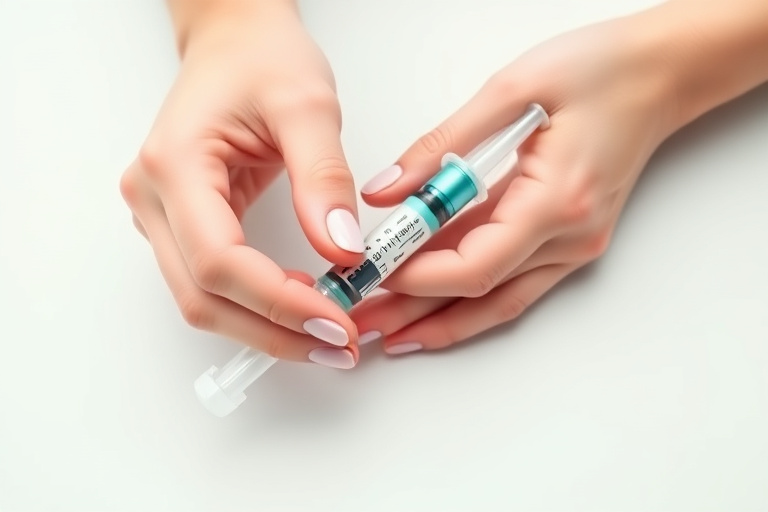
| Delivery method | Subcutaneous injection (syringe) | Subcutaneous injection (pre-filled pen) |
| Availability | Generally available through telehealth | Subject to periodic shortages |
| Insurance coverage | Rarely covered | Sometimes covered with prior auth |
Semaglutide vs. Tirzepatide for Beginners
Tirzepatide (brand names Mounjaro and Zepbound) is a dual GLP-1/GIP receptor agonist. In head-to-head studies, tirzepatide produced slightly greater average weight loss (up to 22.5% in the SURMOUNT-1 trial[3] vs. about 15% for semaglutide). But semaglutide has a longer track record, more published safety data, and is often less expensive in compounded form. Many beginners start with semaglutide and may switch later if needed. compounded tirzepatide
Semaglutide vs. Over-the-Counter Supplements
No over-the-counter supplement has clinical evidence approaching semaglutide's results. Products marketed as "natural GLP-1 boosters" or "appetite suppressants" lack the rigorous trial data backing semaglutide. For beginners considering their options, prescription semaglutide under physician supervision is a fundamentally different category than supplement-based weight loss products.
Nutrition and Lifestyle Tips for Semaglutide Beginners
The medication handles the appetite side of weight loss. These strategies ensure the weight you lose is primarily fat, not muscle, and that you feel your best throughout treatment.
Eat Protein at Every Meal
Aim for at least 25 to 30 grams of protein per meal and 80 to 100 grams per day minimum. Good sources include chicken, fish, eggs, Greek yogurt, cottage cheese, and lean ground turkey. Protein preserves muscle mass, supports hair and skin health, and keeps you feeling energized even on reduced calories. If eating feels difficult at higher doses, protein shakes are a practical solution: one scoop of whey protein with milk delivers 30 grams in under a minute.
Stay Hydrated
Drink at least 64 ounces of water daily. Hydration helps with constipation (a common side effect), supports kidney function, and reduces the fatigue that some beginners experience in the first few weeks. Many patients find that carrying a water bottle throughout the day helps them meet their target.
Begin an Exercise Routine
You don't need an intense gym regimen to benefit. Start with 30 minutes of walking daily and add resistance training 2 to 3 times per week as you feel able. Even bodyweight exercises (squats, push-ups, planks) help preserve lean mass during weight loss. Resistance training becomes increasingly important as your weight loss progresses, because it signals your body to keep muscle tissue rather than breaking it down for energy.
Prioritize Sleep
Aim for 7 to 9 hours per night. Poor sleep increases hunger hormones (ghrelin) and decreases satiety hormones (leptin), working against semaglutide's appetite-suppressing effects. Many beginners find that sleep quality improves naturally as they lose weight, especially if they had undiagnosed or untreated sleep apnea.
Common Beginner Concerns (and Honest Answers)
Before starting any new medication, concerns are natural. Here are the questions we hear most often from beginners, with direct answers.
"What if it doesn't work for me?"
In the STEP clinical trials, approximately 85 to 90% of patients lost clinically significant weight on semaglutide. That means a small percentage of patients are non-responders or minimal responders. If after 3 months on a therapeutic dose (1.0 mg or higher) you haven't lost at least 5% of your starting body weight, your physician will evaluate whether to continue, switch medications, or investigate other factors like thyroid function or medication interactions. The good news: the vast majority of patients respond well.
"Will I gain it all back when I stop?"
This depends entirely on your approach. Patients who stop semaglutide without a maintenance plan typically regain approximately two-thirds of lost weight within 12 months. Patients who build exercise habits, maintain high protein intake, and work with their physician on a tapering or maintenance-dose strategy retain significantly more of their results. Increasingly, physicians treat obesity as a chronic condition, similar to high blood pressure, where ongoing low-dose medication may be part of long-term management. compounded semaglutide reviews 2026
"Is this the easy way out?"
Semaglutide is a medical treatment for a medical condition. Obesity involves disrupted hunger hormones, insulin resistance, and neurological reward pathways that willpower alone can't override. Using a medication that corrects these biological imbalances is no more an "easy way out" than using blood pressure medication for hypertension. The patients who achieve the best results combine medication with real lifestyle changes. There's nothing easy about changing your eating habits, exercise routine, and relationship with food.
"Can my primary care doctor find out?"
Your telehealth records are protected by HIPAA, the same privacy law that covers in-person medical visits. Your prescription through a telehealth provider isn't automatically shared with your primary care physician. But we recommend informing your primary care doctor about your treatment so they can coordinate your overall care, especially if you're on other medications that may need dose adjustments as you lose weight.
Getting Started with FormBlends
Starting compounded semaglutide as a beginner is straightforward through our telehealth program. Here is exactly what the process looks like:
- Complete your online health assessment. This takes about 10 minutes. You'll provide your medical history, current medications, weight history, and health goals.
- Physician review. A licensed physician evaluates your assessment. Not everyone qualifies, and we take that screening seriously. If semaglutide isn't appropriate for you, we will tell you directly.
- Prescription and shipment. If approved, your compounded semaglutide is prepared by a licensed pharmacy and shipped to your door with clear injection instructions.
- Ongoing support. You have access to your physician for dose adjustments, side effect questions, and progress check-ins throughout your treatment.
Who Qualifies
- Adults 18 and older with a BMI of 30 or higher, or
- BMI of 27 or higher with at least one weight-related condition (high blood pressure, type 2 diabetes, high cholesterol, sleep apnea)
Who Should Not Take Semaglutide
- Patients with personal or family history of medullary thyroid carcinoma or MEN 2
- Patients with a history of severe pancreatitis
- Women who are pregnant or breastfeeding
- Patients with known hypersensitivity to semaglutide
Medical References
- Lincoff AM, Brown-Frandsen K, Colhoun HM, et al. Semaglutide and Cardiovascular Outcomes in Obesity without Diabetes. N Engl J Med. 2023;389(24):2221-2232. [PubMed | ClinicalTrials.gov | DOI]
- Wilding JPH, Batterham RL, Calanna S, et al. Once-Weekly Semaglutide in Adults with Overweight or Obesity. N Engl J Med. 2021;384(11):989-1002. [PubMed | ClinicalTrials.gov | DOI]
- Jastreboff AM, Aronne LJ, Ahmad NN, et al. Tirzepatide Once Weekly for the Treatment of Obesity. N Engl J Med. 2022;387(3):205-216. [PubMed | ClinicalTrials.gov | DOI]
- Rubino D, Abrahamsson N, Davies M, et al. Effect of Continued Weekly Subcutaneous Semaglutide vs Placebo on Weight Loss Maintenance in Adults With Overweight or Obesity (STEP 4). JAMA. 2021;325(14):1414-1425. [PubMed | ClinicalTrials.gov | DOI]
Frequently Asked Questions
Is compounded semaglutide the same as Wegovy or Ozempic?
Compounded semaglutide contains compounded formulations of the active ingredient as Wegovy and Ozempic. The difference is that it's prepared by a licensed compounding pharmacy rather than a large pharmaceutical manufacturer. The FDA has allowed compounding of semaglutide during shortage periods. We work with pharmacies that follow strict quality and purity standards.
How painful are the injections?
Most beginners are surprised by how little they feel. The needle is very fine (typically 30 or 31 gauge), and the injection goes just under the skin. Most patients describe it as a brief pinch or say they barely feel it at all. Injection anxiety is normal at first but fades quickly after the first two or three doses.
What if I miss a dose?
If you miss your scheduled injection day, take the dose as soon as you remember, as long as it has been fewer than five days since the missed dose. If more than five days have passed, skip that dose and take the next one on your regular schedule. Don't take two doses to make up for a missed one.
Can I take semaglutide with my other medications?
Semaglutide can interact with certain medications, particularly oral drugs whose absorption depends on gastric emptying speed. This includes some diabetes medications, blood thinners, and oral contraceptives. Your prescribing physician will review your full medication list before starting treatment.
How long will I need to take semaglutide?
Obesity is a chronic condition, and research shows that most patients regain weight after stopping semaglutide. The STEP 4 trial[4] found that patients who switched to placebo regained about two-thirds of lost weight. Most physicians recommend planning for ongoing treatment, potentially at a reduced maintenance dose.
Do I still need to diet and exercise?
Yes. Semaglutide is most effective when combined with a balanced diet and regular physical activity. We recommend prioritizing protein (25 to 30 grams per meal), staying hydrated, and aiming for at least 150 minutes of moderate exercise per week. Resistance training is especially important to preserve muscle mass during weight loss.
When will I see results?
Most beginners notice appetite changes within the first one to two weeks. Visible weight loss typically becomes apparent by weeks four to eight. Clinically significant weight loss (5% or more of body weight) usually occurs within three to four months for patients who adhere to the titration schedule.
Ready to find out if compounded semaglutide is right for you? Start your free online assessment with FormBlends today. Our physicians will review your health profile and help you determine whether this medication fits your weight loss goals.
See your options in about 2 minutes
Take the free quiz and see what fits you. Quick, private, and no commitment to continue.
See my options →