Key Takeaway
If you're researching GLP-1 medications for type 2 diabetes, dulaglutide is a name you'll come across often.
If you're researching GLP-1 medications for type 2 diabetes, dulaglutide is a name you'll come across often. This dulaglutide Trulicity guide covers everything you need to know (how it works, what to expect from dosing, the side effects, and how it stacks up against other options in the GLP-1 class.
Key Takeaways: - Learn how dulaglutide works - Dosing, Effectiveness, and What the Trials Show - Side Effects and Practical Considerations - Learn how dulaglutide compares to other glp-1 options
Dulaglutide has been on the market since 2014 under the brand name Trulicity. It's one of the most widely prescribed GLP-1 receptor agonists in the world, largely because of its ease of use and strong insurance coverage.
How Dulaglutide Works
Dulaglutide is a GLP-1 receptor agonist. It mimics a natural hormone called glucagon-like peptide-1, which your gut releases after eating. This hormone tells your pancreas to release insulin, signals your liver to reduce glucose output, and slows down digestion so food moves through your stomach more gradually.
The result is lower blood sugar levels throughout the day, with less risk of the dangerous lows (hypoglycemia) that some older diabetes medications can cause.
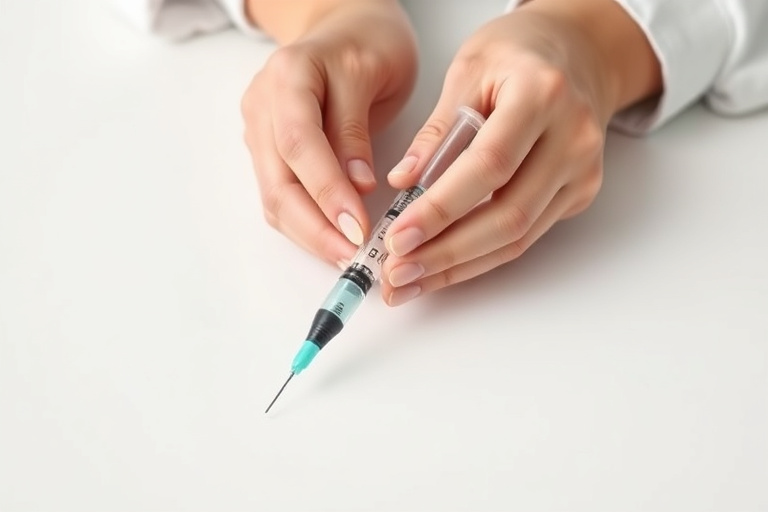
Dulaglutide is a once-weekly injection. It comes in a prefilled, single-use pen that doesn't require mixing or reconstitution calculator. You press it against your skin, click a button, and the injection happens automatically. Most people describe the needle as very small and the injection as nearly painless.
"Compounding pharmacies serve a critical role in healthcare, but patients need to understand the difference between a properly regulated 503B facility and an unregulated operation. Ask about PCAB accreditation and third-party testing.") Dr. Scott Brunner, PharmD, Alliance for Pharmacy Compounding
The convenience factor is a big reason dulaglutide remains popular. There's no refrigeration needed after the first use, no dose calculations, and no visible needle. For people who are nervous about injections, the device design helps ease that anxiety.
To understand how GLP-1 receptor agonists work more broadly, check out our , which covers the class mechanisms in detail.
Dosing, Effectiveness, and What the Trials Show
Dulaglutide is available in four doses: 0.75 mg, 1.5 mg, 3.0 mg, and 4.5 mg. Most people start at 0.75 mg weekly and increase to 1.5 mg after four weeks. The higher doses (3.0 mg and 4.5 mg) were approved later for additional blood sugar and weight benefit.
View data table
| Category | Mean Body Weight Loss (%) | Detail |
|---|---|---|
| Tirzepatide | 22 | ~22% body weight at 72 wks |
| Semaglutide | 15 | ~15% body weight at 68 wks |
| Liraglutide | 8 | ~8% body weight at 56 wks |
| Retatrutide | 24 | ~24% in Phase 2 trial |
Free Download: GLP-1 Medication Comparison One-Pager Compare GLP-1 medications side by side (active ingredients, dosing schedules, and key differences. Get yours free) we'll email it to you instantly. [Download Now]
Blood sugar control. In the AWARD clinical trial program, dulaglutide 1.5 mg reduced A1C by about 1.0 to 1.5 percentage points on average. The higher 4.5 mg dose provided an additional 0.2 to 0.3 point reduction. For context, dropping A1C from 8.5 to 7.0 is clinically meaningful and associated with reduced risk of diabetes complications.
Weight loss. Dulaglutide produces modest weight loss compared to newer GLP-1 medications. At the 1.5 mg dose, average weight loss is around 3 to 5 pounds. At the 4.5 mg dose, some patients lose 8 to 10 pounds. This is less than what semaglutide or tirzepatide typically achieve.
Cardiovascular benefits. The REWIND trial (Gerstein et al., Lancet, 2019) showed that dulaglutide reduced the risk of major cardiovascular events (heart attack, stroke, or cardiovascular death) by 12 percent in people with type 2 diabetes. This trial was notable because it included patients at lower cardiovascular risk than other GLP-1 trials, suggesting broad benefit.
For a side-by-side look at how GLP-1 medications compare, see our .
Side Effects and Practical Considerations
The side effect profile of dulaglutide is similar to other GLP-1 receptor agonists. The most common complaints are gastrointestinal.
Check your GLP-1 eligibility
Use our free BMI Calculator to see if you may qualify for provider-reviewed GLP-1 therapy.
Try the BMI Calculator →Nausea is the most frequently reported side effect, affecting about 12 to 20 percent of users depending on the dose. It tends to be worst during the first two to four weeks and usually improves as your body adjusts. Eating smaller meals, avoiding high-fat foods, and staying hydrated can help.
Diarrhea and constipation affect about 8 to 10 percent of users. Some people experience one or the other. occasionally both at different times.
Injection site reactions like redness or itching are uncommon but possible. Rotating your injection site between your abdomen, thigh, and upper arm can reduce this risk.
Serious but rare risks include pancreatitis and gallbladder problems. Dulaglutide carries a boxed warning about thyroid C-cell tumors seen in rodent studies, though this hasn't been confirmed in humans. People with a personal or family history of medullary thyroid cancer shouldn't use this medication.
For a thorough overview of what to watch for, read our .
If you're weighing your options and want personalized guidance, .
How Dulaglutide Compares to Other GLP-1 Options
Dulaglutide holds a specific position in the GLP-1 field. Here is how it lines up.
Vs. Semaglutide. Semaglutide generally produces greater A1C reduction and significantly more weight loss at comparable doses. Head-to-head trials (SUSTAIN 7) showed semaglutide 1 mg outperformed dulaglutide 1.5 mg for both outcomes. But dulaglutide has broader insurance coverage in some plans and a longer track record.
Vs. Tirzepatide. Tirzepatide, which acts on both GLP-1 and GIP receptors, produces substantially more weight loss and A1C reduction than dulaglutide. For patients whose primary goal is weight management alongside diabetes control, tirzepatide is generally the stronger option.
When dulaglutide makes sense. Dulaglutide remains a solid choice when insurance coverage drives the decision, when the primary goal is blood sugar control rather than weight loss, or when a patient prefers the specific prefilled pen device. It's also well-studied in lower-risk cardiovascular populations, giving providers confidence in prescribing it broadly.
the key point. Dulaglutide is effective for type 2 diabetes management. It isn't the most powerful GLP-1 option for weight loss, but it's proven, convenient, and widely accessible. Your provider can help you decide whether it's the right fit based on your health goals and coverage.
Frequently Asked Questions
Is dulaglutide FDA-approved for weight loss?
No. Dulaglutide (Trulicity) is FDA-approved for type 2 diabetes management and cardiovascular risk reduction in adults with type 2 diabetes and established cardiovascular disease. While it may cause some weight loss, it isn't approved or marketed as a weight loss medication.
How does the Trulicity pen work?
The Trulicity pen is a prefilled, single-use device with a hidden needle. You access the pen, place it against your skin (abdomen, thigh, or upper arm), and press the injection button. The needle extends automatically, delivers the medication, and retracts. Most users report minimal pain.
Can I switch from dulaglutide to semaglutide or tirzepatide?
Yes, switching between GLP-1 receptor agonists is common. Your provider will typically stop one medication and start the other at the introductory dose, then titrate up. There's usually no washout period needed. Discuss timing and expectations with your provider before making a switch.
Does dulaglutide need to be refrigerated?
Unused pens should be stored in the refrigerator (36 to 46 degrees F). Once you take a pen out, it can be kept at room temperature (up to 86 degrees F) for up to 14 days. Don't freeze dulaglutide and don't use it if it has been frozen.
What's Your Next Move?
You have the information. Now let a licensed provider help you put it into action. FormBlends makes it simple, answer a few questions and get a personalized recommendation.
Medical References
- Davies M, Færch L, Jeppesen OK, et al. Semaglutide 2.4 mg once a week in adults with overweight or obesity, and type 2 diabetes (STEP 2). Lancet. 2021;397(10278):971-984. [PubMed | ClinicalTrials.gov | DOI]
- Wadden TA, Bailey TS, Billings LK, et al. Effect of Subcutaneous Semaglutide vs Placebo as an Adjunct to Intensive Behavioral Therapy on Body Weight in Adults With Overweight or Obesity (STEP 3). JAMA. 2021;325(14):1403-1413. [PubMed | ClinicalTrials.gov | DOI]
- Garvey WT, Batterham RL, Bhatt DL, et al. Two-year effects of semaglutide in adults with overweight or obesity (STEP 5). Nat Med. 2022;28(10):2083-2091. [PubMed | ClinicalTrials.gov | DOI]
- Garvey WT, Frias JP, Jastreboff AM, et al. Tirzepatide once weekly for the treatment of obesity in people with type 2 diabetes (SURMOUNT-2). Lancet. 2023;402(10402):613-626. [PubMed | ClinicalTrials.gov | DOI]
- Wadden TA, Chao AM, Engel S, et al. Tirzepatide with intensive lifestyle intervention in adults with overweight or obesity (SURMOUNT-3). Nat Med. 2024. [PubMed | ClinicalTrials.gov | DOI]
- Aronne LJ, Sattar N, Horn DB, et al. Continued Treatment With Tirzepatide for Maintenance of Weight Reduction in Adults With Obesity (SURMOUNT-4). JAMA. 2024;331(1):38-48. [PubMed | ClinicalTrials.gov | DOI]
Sources &. References
- Pi-Sunyer X, Astrup A, Fujioka K, et al. A Randomized, Controlled Trial of 3.0 mg of Liraglutide in Weight Management. N Engl J Med. 2015;373(1):11-22. Doi:10.1056/NEJMoa1411892
- Marso SP, Daniels GH, Tanaka K, et al. Liraglutide and Cardiovascular Outcomes in Type 2 Diabetes. N Engl J Med. 2016;375(4):311-322. Doi:10.1056/NEJMoa1603827
- Wilding JPH, Batterham RL, Calanna S, et al. Once-Weekly Semaglutide in Adults with Overweight or Obesity. N Engl J Med. 2021;384(11):989-1002. Doi:10.1056/NEJMoa2032183
- Davies M, Færch L, Jeppesen OK, et al. Semaglutide 2.4 mg once a week in adults with overweight or obesity, and type 2 diabetes (STEP 2 (Davies et al., Lancet, 2021)). Lancet. 2021;397(10278):971-984. Doi:10.1016/S0140-6736(21)00213-0
- Wadden TA, Bailey TS, Billings LK, et al. Effect of Subcutaneous Semaglutide vs Placebo as an Adjunct to Intensive Behavioral Therapy on Body Weight in Adults With Overweight or Obesity (STEP 3 (Wadden et al., JAMA, 2021)). JAMA. 2021;325(14):1403-1413. Doi:10.1001/jama.2021.1831
- Garvey WT, Batterham RL, Bhatt DL, et al. Two-Year Effects of Semaglutide in Adults with Overweight or Obesity (STEP 5 (Garvey et al., Nat Med, 2022)). Nat Med. 2022;28:2083-2091. Doi:10.1038/s41591-022-02026-4
- Lincoff AM, Brown-Frandsen K, Colhoun HM, et al. Semaglutide and Cardiovascular Outcomes in Obesity without Diabetes. N Engl J Med. 2023;389(24):2221-2232. Doi:10.1056/NEJMoa2307563
- Jastreboff AM, Aronne LJ, Ahmad NN, et al. Tirzepatide Once Weekly for the Treatment of Obesity. N Engl J Med. 2022;387(3):205-216. Doi:10.1056/NEJMoa2206038
- Garvey WT, Frias JP, Jastreboff AM, et al. Tirzepatide once weekly for the treatment of obesity in people with type 2 diabetes (SURMOUNT-2[4] (Garvey et al., Lancet, 2023)). Lancet. 2023;402(10402):613-626. Doi:10.1016/S0140-6736(23)01200-X
- Wadden TA, Chao AM, Engel S, et al. Tirzepatide after intensive lifestyle intervention in adults with overweight or obesity (SURMOUNT-3[5] (Wadden et al., Nat Med, 2023)). Nat Med. 2023. Doi:10.1038/s41591-023-02597-w
- Aronne LJ, Sattar N, Horn DB, et al. Continued Treatment With Tirzepatide for Maintenance of Weight Reduction in Adults With Obesity (SURMOUNT-4[6] (Aronne et al., JAMA, 2024)). JAMA. 2024;331(1):38-48. Doi:10.1001/jama.2023.24945
- Malhotra A, Grunstein RR, Fietze I, et al. Tirzepatide for the Treatment of Obstructive Sleep Apnea and Obesity. N Engl J Med. 2024;391:1193-1205. Doi:10.1056/NEJMoa2404881
Nothing in this article should be construed as medical advice. The information provided is educational only. Always consult with your healthcare provider before beginning, modifying, or discontinuing any medication or treatment. FormBlends connects patients with licensed providers for individualized care.
Last updated: 2026-03-24
See your options in about 2 minutes
Take the free quiz and see what fits you. Quick, private, and no commitment to continue.
See my options →