Key Takeaway
Ozempic for parents covers how this GLP-1 medication fits into busy family life. Learn about off-label weight loss use, side effects around kids, cost-saving tips, and more.
·. FormBlends
Ozempic for parents is becoming an increasingly common conversation in pediatrician waiting rooms, school parking lots, and family group chats. Originally approved for type 2 diabetes, Ozempic (semaglutide) is widely prescribed off-label for weight management, and parents dealing with the metabolic fallout of years of sleep deprivation, stress eating, and putting everyone else first are finding real results.
Ozempic vs. Wegovy: What Parents Need to Know
Both medications contain the prescribed active pharmaceutical ingredient, semaglutide. The difference is their FDA-approved use and dosing:
- Ozempic: Approved for type 2 diabetes at doses up to 2.0 mg weekly. Often prescribed off-label for weight loss.
- Wegovy: Approved specifically for chronic weight management at a higher dose of 2.4 mg weekly.
Why do many parents end up on Ozempic instead of Wegovy? Insurance. Some plans cover Ozempic for diabetes but deny Wegovy for weight loss. If you have a diabetes diagnosis or pre-diabetes, your provider may prescribe Ozempic and your insurance is more likely to approve it. $900-$1,000/mo (brand) $1,300-$1,400/mo (brand) Ozempic vs Wegovy comparison
The Parent-Specific Weight Gain Cycle
Weight gain in parenthood follows a predictable pattern that has nothing to do with willpower:
View data table
| Category | Mean Body Weight Loss (%) | Detail |
|---|---|---|
| Tirzepatide | 22 | ~22% body weight at 72 wks |
| Semaglutide | 15 | ~15% body weight at 68 wks |
| Liraglutide | 8 | ~8% body weight at 56 wks |
| Retatrutide | 24 | ~24% in Phase 2 trial |
- Pregnancy and postpartum: Hormonal shifts, recovery from childbirth, and the demands of a newborn make weight loss nearly impossible in the first year. Many parents never fully lose the pregnancy weight before the next child arrives.
- Toddler years: Constant exhaustion meets constant access to kid-friendly snacks. Goldfish crackers, fruit snacks, and juice boxes add up.
- School-age phase: Your schedule revolves around sports, activities, and homework. Fast food drive-throughs become a weekly habit because cooking after a full day feels overwhelming.
- The plateau: By the time your kids are more independent, you have been carrying extra weight for five, ten, or fifteen years, and your metabolism has adjusted downward.
Ozempic intervenes at the biological level, reducing the appetite signals and insulin resistance that make this cycle so hard to break. For a complete cost breakdown, see our semaglutide pricing comparison. For a complete cost breakdown, see our cheapest GLP-1 without insurance.
How to Start Ozempic as a Busy Parent
Getting started requires a prescription from a licensed provider. Here is a realistic timeline for parents:
Check your GLP-1 eligibility
Use our free BMI Calculator to see if you may qualify for provider-reviewed GLP-1 therapy.
Try the BMI Calculator →- Schedule a telehealth appointment: Many GLP-1 prescribers offer evening and weekend telehealth visits, so you don't need to find a babysitter. telehealth weight loss consultation
- Get bloodwork done: Your provider will likely order A1C, fasting glucose, thyroid panel, and basic metabolic panel. Most labs have walk-in hours early in the morning before school drop-off.
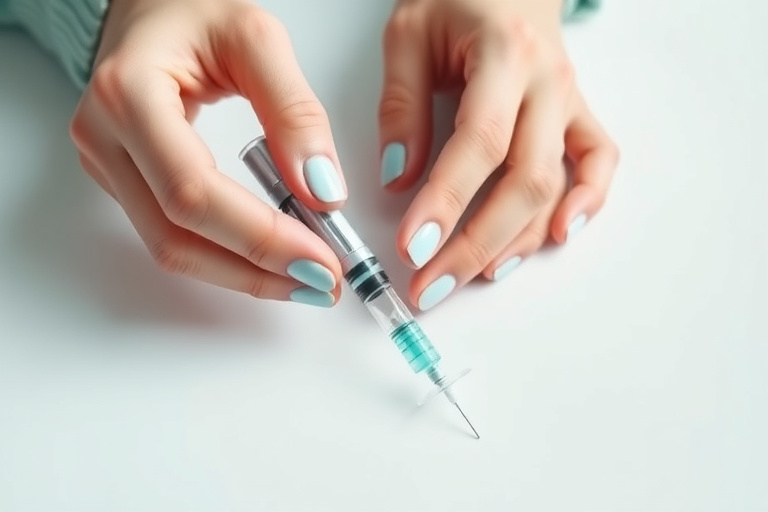
- Fill your prescription: Ozempic comes as a prefilled pen. Pick it up at the pharmacy or have it delivered via mail-order.
- Start on a calm weekend: Your first injection should happen when you have a lighter schedule in case you experience nausea.
Dose Schedule for Ozempic
Ozempic titrates over 8 weeks when used for weight management:
- Weeks 1 to 4: 0.25 mg weekly
- Weeks 5 to 8: 0.5 mg weekly
- Week 9 onward: 1.0 mg weekly (some providers increase to 2.0 mg)
The gradual increase helps your body adjust and reduces the severity of GI side effects.
Handling Side Effects With Kids Around
Nausea is the most commonly reported side effect, especially during the first two weeks at each new dose. Parents need practical strategies:
- Eat bland foods during dose transitions: Toast, rice, bananas, and broth are gentle on the stomach and are foods your kids probably eat anyway.
- Avoid cooking triggers: Strong-smelling foods like garlic, onions, or fried items can worsen nausea. Consider batch-cooking on days you feel well and reheating later.
- Keep anti-nausea remedies accessible: Ginger chews, peppermint tea, and Sea-Bands (acupressure wristbands) are all safe and available over the counter.
- Let your partner handle bedtime: If your nausea peaks in the evening, tag out for bath and bedtime duties during adjustment weeks.
- Don't skip hydration: Set a phone reminder to drink water every hour. Dehydration worsens every GI side effect.
Family Meal Strategies on Ozempic
One of the biggest changes parents notice on Ozempic is that they simply aren't as interested in food. This can be a gift when used intentionally:
- Serve yourself last: Plate your kids' food first, then give yourself a smaller portion of the same meal. No separate "diet" cooking required.
- Upgrade the family menu gradually: Swap chicken nuggets for baked chicken tenders. Replace boxed mac and cheese with whole wheat pasta and real cheese. Your kids adjust, and you benefit.
- Stop buying your trigger foods: If chips or cookies are your weakness, stop stocking them. Your reduced appetite on Ozempic makes this transition much less painful than it would be otherwise.
- Plan for the witching hour: The 4 to 6 PM window, when kids are melting down and you're making dinner, is when most parents snack mindlessly. Have a protein-rich mini-meal at 3:30 PM to get through it.
Cost Considerations for Families
Ozempic costs approximately $900 to $1,000 per month without insurance. For families on a budget, these options can help: Contact provider for current pricing
- Insurance with a diabetes diagnosis: If you have type 2 diabetes or pre-diabetes, most plans cover Ozempic with a copay ranging from $25 to $150 per month.
- Novo Nordisk savings card: Commercially insured patients may qualify for copay assistance. Contact provider for current pricing
- Compounded semaglutide: Available through compounding pharmacies at a significantly lower cost. Discuss quality and sourcing with your provider. From $299
- HSA/FSA dollars: Prescription medications qualify for pre-tax health spending accounts.
- Compare family budget trade-offs: Many parents find that reduced grocery spending (less snacking, smaller portions, fewer drive-through stops) partially offsets the medication cost.
Modeling Healthy Habits for Your Kids
Taking control of your health sends a powerful message to your children. Research shows that parental health behaviors strongly influence children's long-term relationship with food and exercise. When your kids see you choosing a salad, going for a walk, or prioritizing a doctor's appointment, they internalize those habits.
Keep the conversation positive. Avoid language about "being fat" or "going on a diet." Instead, talk about feeling strong, having energy, and taking care of your body so you can be around for them as long as possible.
Expected Results
Parents on Ozempic for weight management typically see noticeable changes within the first 8 to 12 weeks. Clinical data shows an average of 10 to 15% body weight reduction over 6 to 12 months at the 1.0 mg dose. Many parents report:
- Fitting back into pre-pregnancy clothes
- More stamina for playground time and family hikes
- Reduced knee and back pain from carrying less weight
- Better mood and patience with their children
- Improved lab numbers at their annual physical
Frequently Asked Questions
Can I take Ozempic while trying to conceive?
No. Ozempic should be stopped at least two months before attempting pregnancy. Weight loss from Ozempic can actually improve fertility, so discuss family planning timing with your provider.
Is Ozempic safe if I am breastfeeding?
Ozempic isn't recommended during breastfeeding due to insufficient safety data. Wait until you have fully weaned before starting treatment.
My child has access to the fridge. Is the pen dangerous?
The Ozempic pen has a safety cap and requires a needle to be attached before use. Store it in its original box on a high refrigerator shelf. Dispose of used needles immediately in a sealed sharps container kept out of reach.
Will Ozempic make me too tired to parent?
Most parents report increased energy, not less. The initial adjustment period may bring some fatigue, but as your body adapts and you lose weight, energy levels typically improve significantly.
Can I drink alcohol on Ozempic?
Moderate alcohol consumption is generally considered acceptable, but many parents find their tolerance decreases on Ozempic. Alcohol can also lower blood sugar and worsen nausea. Keep intake minimal, especially during the titration phase.
How long will I need to stay on Ozempic?
Most providers recommend long-term use. Studies show that weight regain is common after stopping GLP-1 medications. Your provider will help you evaluate whether to continue, adjust the dose, or transition to a maintenance plan.
See your options in about 2 minutes
Take the free quiz and see what fits you. Quick, private, and no commitment to continue.
See my options →