Key Takeaway
Peptide cost per month for BPC-157, TB-500, CJC/Ipamorelin, and more. Budget your peptide protocol with real pricing and stack costs.
Planning a peptide protocol means understanding the real monthly costs. This peptide cost per month budget resource covers the important information you need to make informed decisions. Peptide cost per month varies widely depending on which peptides you use, your dosing schedule, and where you source them. This budget guide covers the most popular peptides with realistic pricing so you can plan your protocol without surprises.
Key Takeaways: - Individual Peptide Monthly Costs - Stack Costs: Popular Combinations - Hidden Costs and Total Budget Planning - Learn how to reduce your peptide costs
Peptide therapy has become more accessible through licensed telehealth providers and compounding pharmacies. But the market can be confusing. Some providers charge for the peptide only, while others bundle consultations, supplies, and shipping. This guide breaks it all down.
Individual Peptide Monthly Costs
Here are the most commonly prescribed peptides with typical monthly cost ranges through licensed providers and 503A compounding pharmacies. Prices reflect the medication cost and may not include consultation or shipping fees.
BPC-157 is one of the most popular and affordable peptides. Monthly costs typically range from $30 to $80 depending on dosing and vial size. A standard protocol of 250mcg twice daily using a 5mg vial lasts about 10 days, meaning you need roughly 3 vials per month. Some providers offer multi-vial pricing that reduces the per-vial cost.
TB-500 costs approximately $40 to $100 per month. During the loading phase (higher doses for the first 4 to 6 weeks), costs are at the higher end. Maintenance dosing (lower frequency after loading) brings monthly costs down significantly. A typical maintenance protocol uses one 5mg vial per month or less.
CJC-1295 (no DAC) runs about $40 to $80 per month at standard dosing. Combined with ipamorelin, the total for the pair is typically $60 to $120 per month. These peptides are often prescribed together as a growth hormone releasing protocol.
Ipamorelin costs $30 to $70 per month as a standalone. Since it's almost always prescribed alongside CJC-1295, budget for the combined cost. Some providers offer the combination in a single vial, which can reduce costs.
"The key to successful GLP-1 therapy is setting realistic expectations and supporting patients through the titration phase. The side effects are manageable for most people, but they need to know what to expect.") Dr. Caroline Apovian, MD, Harvard Medical School
GHK-Cu typically costs $30 to $60 per month. It's used at lower doses than many other peptides, which keeps monthly costs reasonable. It can be administered as subcutaneous injections or topically depending on the indication.
All peptides should be prescribed by a licensed provider for specific clinical indications. Never purchase research-grade peptides for human use. For detailed information on specific peptides, read our BPC-157 complete guide.
Free Download: Cost Comparison Spreadsheet A printable budget planner for peptide protocols including individual and stack pricing at common dose levels. Fill in your specific protocol and see your monthly and quarterly costs. Get yours free (we'll email it to you instantly.
[Download Now]
Stack Costs: Popular Combinations
Many peptide protocols involve using multiple peptides together. Here is what popular stacks cost per month.
View data table
| Category | Mean Body Weight Loss (%) | Detail |
|---|---|---|
| Tirzepatide | 22 | ~22% body weight at 72 wks |
| Semaglutide | 15 | ~15% body weight at 68 wks |
| Liraglutide | 8 | ~8% body weight at 56 wks |
| Retatrutide | 24 | ~24% in Phase 2 trial |
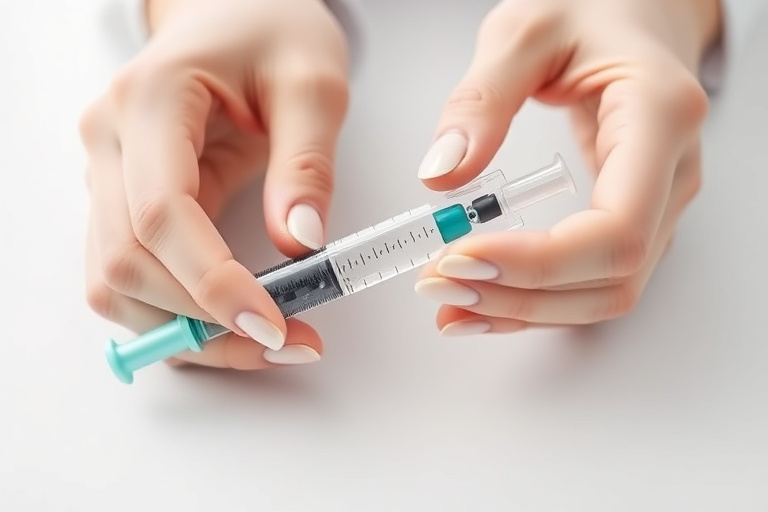
BPC-157 + TB-500 ("Wolverine Stack") is the most popular combination for tissue repair and recovery. Monthly cost ranges from $70 to $180 depending on dosing phase. The loading phase (first 4 to 6 weeks) is more expensive due to higher TB-500 doses. Maintenance drops to $50 to $100 per month. Read our complete Wolverine Stack guide for detailed protocol information.
Patient Perspective: "My insurance denied Wegovy twice. My provider helped me file a peer-to-peer review appeal with supporting documentation from my labs and BMI history. Third time was approved. Don't give up after the first denial.") Brian C., 45, FormBlends patient (name changed for privacy)
CJC-1295 + Ipamorelin is the standard growth hormone releasing stack. Monthly cost runs $60 to $120. Some providers offer this combination pre-mixed in a single vial, which can lower costs and simplify reconstitution. This stack is typically run for 3 to 6 month cycles.
BPC-157 + GHK-Cu combines healing and skin rejuvenation support. Monthly cost is approximately $60 to $140. This is a lighter stack financially and is often used as a maintenance protocol after a more intensive initial phase.
Full recovery stack (BPC-157 + TB-500 + CJC/Ipa) represents the most thorough (and expensive) common protocol. Monthly cost during the loading phase can reach $130 to $300. Maintenance phase drops to $100 to $200. This stack is typically run for specific recovery goals rather than indefinitely.
GLP-1 + peptide combinations are increasingly common. If you're on semaglutide or tirzepatide and adding a peptide protocol, budget the GLP-1 cost separately. Combined monthly costs for GLP-1 plus a peptide like BPC-157 range from $180 to $480 depending on your specific medications and provider.
When budgeting for stacks, also factor in supplies. Syringes, bacteriostatic water, alcohol swabs, and sharps containers add $10 to $20 per month. Use our reconstitution calculator to plan exact quantities.
Hidden Costs and Total Budget Planning
The peptide itself is the biggest cost, but it isn't the only one. Here is everything to include in your monthly budget.
Check your GLP-1 eligibility
Use our free BMI Calculator to see if you may qualify for provider-reviewed GLP-1 therapy.
Try the BMI Calculator →Provider consultation fees range from $0 (included with medication purchase at some providers) to $100 or more per visit. Some telehealth providers charge a monthly membership fee that covers unlimited messaging and periodic check-ins. Others charge per visit.
Lab work may be recommended before starting certain peptide protocols and periodically during treatment. Blood panels for IGF-1, inflammatory markers, or metabolic panels can cost $50 to $300 depending on your insurance and lab provider. Your provider will advise on frequency.
Supplies are relatively inexpensive but add up. A month's worth of insulin syringes, bacteriostatic water, and alcohol swabs typically costs $10 to $20. Sharps disposal containers cost a few dollars and last months.
Shipping varies by provider. Some include shipping in the medication price. Others charge $5 to $15 per shipment. Cold chain shipping (required for reconstituted peptides) may cost more.
Protocol duration affects your total investment. Most peptide protocols run 8 to 16 weeks for a full cycle. Multiply your monthly cost by the protocol duration for your total expected spend. A 12-week BPC-157 protocol at $60 per month totals $180. A 12-week full recovery stack at $200 per month totals $600.
HSA/FSA eligibility may apply. Peptides prescribed by a licensed provider for a diagnosed medical condition may qualify as eligible HSA or FSA expenses. This saves you 20 to 35 percent in tax savings. Consult your tax advisor. Learn more in our HSA and FSA guide.
How to Reduce Your Peptide Costs
Smart strategies can lower your monthly peptide spending without compromising your protocol.
Buy in bulk when possible. Many compounding pharmacies and providers offer discounted pricing for multi-vial orders. If your provider prescribes a 12-week protocol, ordering all vials upfront can save 10 to 20 percent versus buying one at a time.
Improve your dosing schedule. Work with your provider to find the minimum effective dose. Higher doses don't always mean better results. Some patients achieve excellent outcomes at doses lower than the maximum recommended.
Use multi-dose vials efficiently. Larger vials (like 10mg instead of 5mg) often have a lower cost per milligram. If your protocol supports it, larger vials provide better value. Just ensure you use the vial within its stability window (4 to 6 weeks after reconstitution).
Time your protocols. If you're running a recovery stack for a specific injury or goal, plan a defined protocol length rather than open-ended use. This prevents unnecessary spending after you have achieved your objective.
Compare providers. Pricing varies across telehealth platforms and compounding pharmacies. Compare total costs including medication, consultations, shipping, and supplies. FormBlends pricing is transparent so you know exactly what you'll pay.
Frequently Asked Questions
What is the cheapest peptide protocol?
BPC-157 as a standalone peptide is typically the most affordable option at $30 to $80 per month. It's also one of the most widely prescribed and researched peptides. Your provider will recommend the protocol that matches your clinical needs, not just the cheapest option.
Do insurance plans cover peptide therapy?
Most insurance plans don't cover compounded peptides. But peptides prescribed for specific diagnosed medical conditions may qualify as HSA or FSA eligible expenses. The out-of-pocket cost for peptides through licensed providers remains affordable for many patients.
How long do I need to budget for a typical peptide protocol?
Most peptide protocols run 8 to 16 weeks for a full cycle. Some conditions require longer protocols. Your provider will outline the expected duration based on your specific goals and response to treatment. Budget for the full recommended protocol length.
Are cheaper peptide sources safe?
Be cautious with very low-priced peptide sources. Research-grade peptides sold without a prescription aren't intended for human use and may not meet pharmaceutical quality standards. Always use peptides prescribed by a licensed provider and prepared by a licensed compounding pharmacy.
Can I combine GLP-1 treatment with peptides?
Yes, many patients use GLP-1 medications alongside peptide protocols. The medications work through different mechanisms and can complement each other. Your provider will evaluate your complete treatment plan for safety and appropriateness. Budget for both medications separately.
Your Personalized Plan Is Waiting
No two patients are the same, and your protocol shouldn't be either. FormBlends providers create customized treatment plans based on your health profile, goals, and preferences.
Medical References
- Davies M, Færch L, Jeppesen OK, et al. Semaglutide 2.4 mg once a week in adults with overweight or obesity, and type 2 diabetes (STEP 2). Lancet. 2021;397(10278):971-984. [PubMed | ClinicalTrials.gov | DOI]
- Wadden TA, Bailey TS, Billings LK, et al. Effect of Subcutaneous Semaglutide vs Placebo as an Adjunct to Intensive Behavioral Therapy on Body Weight in Adults With Overweight or Obesity (STEP 3). JAMA. 2021;325(14):1403-1413. [PubMed | ClinicalTrials.gov | DOI]
- Garvey WT, Batterham RL, Bhatt DL, et al. Two-year effects of semaglutide in adults with overweight or obesity (STEP 5). Nat Med. 2022;28(10):2083-2091. [PubMed | ClinicalTrials.gov | DOI]
- Garvey WT, Frias JP, Jastreboff AM, et al. Tirzepatide once weekly for the treatment of obesity in people with type 2 diabetes (SURMOUNT-2). Lancet. 2023;402(10402):613-626. [PubMed | ClinicalTrials.gov | DOI]
- Wadden TA, Chao AM, Engel S, et al. Tirzepatide with intensive lifestyle intervention in adults with overweight or obesity (SURMOUNT-3). Nat Med. 2024. [PubMed | ClinicalTrials.gov | DOI]
- Aronne LJ, Sattar N, Horn DB, et al. Continued Treatment With Tirzepatide for Maintenance of Weight Reduction in Adults With Obesity (SURMOUNT-4). JAMA. 2024;331(1):38-48. [PubMed | ClinicalTrials.gov | DOI]
Sources &. References
- Wilding JPH, Batterham RL, Calanna S, et al. Once-Weekly Semaglutide in Adults with Overweight or Obesity. N Engl J Med. 2021;384(11):989-1002. Doi:10.1056/NEJMoa2032183
- Davies M, Færch L, Jeppesen OK, et al. Semaglutide 2.4 mg once a week in adults with overweight or obesity, and type 2 diabetes (STEP 2 (Davies et al., Lancet, 2021)). Lancet. 2021;397(10278):971-984. Doi:10.1016/S0140-6736(21)00213-0
- Wadden TA, Bailey TS, Billings LK, et al. Effect of Subcutaneous Semaglutide vs Placebo as an Adjunct to Intensive Behavioral Therapy on Body Weight in Adults With Overweight or Obesity (STEP 3 (Wadden et al., JAMA, 2021)). JAMA. 2021;325(14):1403-1413. Doi:10.1001/jama.2021.1831
- Garvey WT, Batterham RL, Bhatt DL, et al. Two-Year Effects of Semaglutide in Adults with Overweight or Obesity (STEP 5 (Garvey et al., Nat Med, 2022)). Nat Med. 2022;28:2083-2091. Doi:10.1038/s41591-022-02026-4
- Lincoff AM, Brown-Frandsen K, Colhoun HM, et al. Semaglutide and Cardiovascular Outcomes in Obesity without Diabetes. N Engl J Med. 2023;389(24):2221-2232. Doi:10.1056/NEJMoa2307563
- Jastreboff AM, Aronne LJ, Ahmad NN, et al. Tirzepatide Once Weekly for the Treatment of Obesity. N Engl J Med. 2022;387(3):205-216. Doi:10.1056/NEJMoa2206038
- Garvey WT, Frias JP, Jastreboff AM, et al. Tirzepatide once weekly for the treatment of obesity in people with type 2 diabetes (SURMOUNT-2[4] (Garvey et al., Lancet, 2023)). Lancet. 2023;402(10402):613-626. Doi:10.1016/S0140-6736(23)01200-X
- Wadden TA, Chao AM, Engel S, et al. Tirzepatide after intensive lifestyle intervention in adults with overweight or obesity (SURMOUNT-3[5] (Wadden et al., Nat Med, 2023)). Nat Med. 2023. Doi:10.1038/s41591-023-02597-w
- Aronne LJ, Sattar N, Horn DB, et al. Continued Treatment With Tirzepatide for Maintenance of Weight Reduction in Adults With Obesity (SURMOUNT-4[6] (Aronne et al., JAMA, 2024)). JAMA. 2024;331(1):38-48. Doi:10.1001/jama.2023.24945
- Malhotra A, Grunstein RR, Fietze I, et al. Tirzepatide for the Treatment of Obstructive Sleep Apnea and Obesity. N Engl J Med. 2024;391:1193-1205. Doi:10.1056/NEJMoa2404881
- Centers for Disease Control and Prevention. Multistate Outbreak of Fungal Meningitis and Other Infections, United States, 2012. MMWR. 2012;61(41):839-842.
- U.S. Food and Drug Administration. Drug Quality and Security Act (DQSA). Public Law 113-54. November 27, 2013.
Nothing in this article should be construed as medical advice. The information provided is educational only. Always consult with your healthcare provider before beginning, modifying, or discontinuing any medication or treatment. FormBlends connects patients with licensed providers for individualized care.
Last updated: 2026-03-24
See your options in about 2 minutes
Take the free quiz and see what fits you. Quick, private, and no commitment to continue.
See my options →