Key Takeaway
Peptide therapy helps desk workers fight sedentary weight gain, low energy, and metabolic decline. Learn which peptides work for office professionals and how to get started.
Peptide therapy for people with desk jobs targets the metabolic, hormonal, and body composition problems that sedentary work creates over time. Peptides are short amino acid chains that trigger specific processes in the body, from fat burning and appetite control to growth hormone release and tissue repair. For office professionals dealing with gradual weight gain, declining energy, poor sleep quality, and the early signs of metabolic disease, peptide therapy offers a physician-supervised approach to reversing the damage that years of sitting have done.
How Desk Jobs Affect Your Biology
Sitting eight to ten hours a day doesn't just make you stiff. It fundamentally alters your metabolic profile over time:
Growth Hormone Decline
Growth hormone (GH) supports lean muscle mass, fat metabolism, and tissue repair. GH production declines naturally with age, but sedentary behavior accelerates this decline. Desk workers in their 30s and 40s often have GH levels well below what their age would predict. This contributes to increased body fat, decreased muscle mass, and slower recovery from even minor physical activity.
Chronic Inflammation
Prolonged sitting increases markers of systemic inflammation. Visceral fat accumulated around the abdomen produces inflammatory cytokines that further impair insulin sensitivity and promote additional fat storage. This cycle of inflammation and fat gain is self-reinforcing.
Poor Sleep Architecture
Despite being mentally exhausted, many desk workers struggle with sleep quality. Lack of physical exertion during the day, excessive screen exposure, and improved cortisol from work stress all impair the deep sleep phases where GH is released and recovery occurs.
Peptide Categories Relevant to Desk Workers
GLP-1 Peptides for Weight Loss
Semaglutide and tirzepatide are the primary GLP-1 peptides used for weight management. They reduce appetite, improve insulin sensitivity, and promote fat loss of 15 to 22% of body weight in clinical trials. For desk workers whose low activity level makes caloric deficit through diet alone nearly impossible, GLP-1 peptides are the most impactful option. $1,300-$1,400/mo (brand)
View data table
| Category | Mean Body Weight Loss (%) | Detail |
|---|---|---|
| Tirzepatide | 22 | ~22% body weight at 72 wks |
| Semaglutide | 15 | ~15% body weight at 68 wks |
| Liraglutide | 8 | ~8% body weight at 56 wks |
| Retatrutide | 24 | ~24% in Phase 2 trial |
Growth Hormone Secretagogues
These peptides stimulate your pituitary gland to produce more growth hormone naturally:
- CJC-1295/Ipamorelin: The most commonly prescribed combination. Increases GH release during sleep, improving sleep quality, body composition, and recovery. Particularly relevant for desk workers over 35 whose GH levels have declined.
- Tesamorelin: FDA-approved for reducing visceral fat. Stimulates GH and specifically targets abdominal fat, the type most associated with desk jobs and metabolic syndrome.
- Sermorelin: An older GH secretagogue with a well-established safety record. Gentler than newer options, sometimes preferred as a starting point.
BPC-157 for Joint and Tissue Health
Desk workers develop chronic pain patterns: lower back pain, neck stiffness, shoulder impingement, and wrist issues. BPC-157 is a peptide studied for its tissue-healing properties in animal models. While human data is limited, some providers include it in protocols for desk workers dealing with musculoskeletal complaints that limit their ability to exercise.
Building a Peptide Protocol for Office Life
If Weight Loss Is Your Primary Goal
Start with a GLP-1 peptide (semaglutide or tirzepatide). These deliver the most measurable, supported by clinical evidence results for fat loss. Your provider will escalate the dose gradually over several weeks. Combine with protein-focused nutrition and whatever movement you can add to your day.
Check your GLP-1 eligibility
Use our free BMI Calculator to see if you may qualify for provider-reviewed GLP-1 therapy.
Try the BMI Calculator →If Energy and Body Composition Are Your Focus
A growth hormone secretagogue like CJC-1295/Ipamorelin may be the right starting point. These peptides improve sleep quality, support lean mass, and promote gradual fat loss. Results are slower than GLP-1 peptides but address a broader range of sedentary-lifestyle symptoms: fatigue, poor recovery, brain fog, and declining body composition.
Combination Approach
Some desk workers benefit from combining a GLP-1 peptide for weight loss with a GH secretagogue for recovery and lean mass preservation. This is a more aggressive protocol that should only be pursued under physician supervision. Your FormBlends provider will evaluate whether stacking is appropriate for your situation.
Practical Considerations for Desk Workers
Injection Schedule
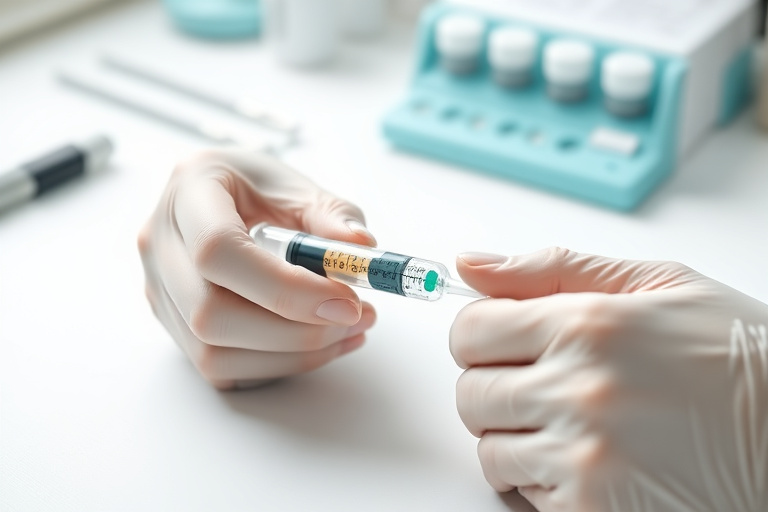
GLP-1 peptides are weekly. GH secretagogues are typically nightly (before bed). Injections are subcutaneous and take less than a minute. Most people inject at home. There's no need to bring anything to the office.
Side Effects at Work
GLP-1 peptide side effects (nausea, reduced appetite) are usually mild and manageable at a desk. GH peptide side effects (mild water retention, tingling in hands) are subtle and unlikely to affect work performance. Time your GLP-1 injection so the first 24 to 48 hours fall on a weekend if nausea is a concern.
Nutrition on Peptides
- GLP-1 peptides: Your appetite will drop. Ensure you still hit 0.7 to 1.0 grams of protein per pound of body weight. Don't skip meals just because you aren't hungry.
- GH peptides: Taken on an empty stomach (typically fasting before bed). This means having your last meal two to three hours before your injection, which naturally creates an eating cutoff that benefits weight management.
Adding Movement
Peptides improve your metabolic environment, but movement accelerates results and protects muscle. For desk workers, the minimum effective dose of exercise is surprisingly modest:.
- Walk 7,000+ steps daily (including intentional walks)
- Do two to three strength sessions per week (20 to 30 minutes each)
- Stand and move for two minutes every hour during work
Frequently Asked Questions
Are peptides the same as steroids?
No. Peptides are amino acid chains that stimulate natural biological processes. GLP-1 peptides mimic a gut hormone. Growth hormone secretagogues stimulate your own pituitary gland. Neither introduces synthetic hormones like anabolic steroids do.
Will peptide therapy help with the belly fat I have gained from sitting?
Yes. Both GLP-1 peptides and tesamorelin specifically target visceral (abdominal) fat. Combined with even modest exercise, peptide therapy can meaningfully reduce the midsection weight that desk jobs promote.
How long until I see results?
GLP-1 peptides: appetite reduction in one to two weeks, visible weight loss in four to eight weeks. GH peptides: improved sleep within one to two weeks, body composition changes over two to three months.
Can I take peptides if I have high blood pressure or high cholesterol?
GLP-1 peptides have been shown to improve blood pressure and lipid profiles alongside weight loss. Your provider will review your full medical history and current medications before prescribing.
Is peptide therapy expensive?
Costs vary. Brand-name GLP-1 medications (Wegovy, Zepbound) can be expensive without insurance. Compounded options are typically more affordable. GH peptides are generally moderate in cost. Your FormBlends provider will outline pricing during your consultation. From $299
Will my employer's health plan cover peptide therapy?
Some employer plans cover GLP-1 medications for weight management or diabetes. GH peptides and BPC-157 are typically not covered. Coverage is improving rapidly as employers recognize the healthcare cost savings from treating obesity.
Get Started
Your desk job doesn't have to dictate your health. Peptide therapy provides medical tools to counteract the metabolic consequences of sedentary work. FormBlends offers telehealth consultations you can do from your desk chair.
Book a consultation to explore peptide therapy for your situation.
See your options in about 2 minutes
Take the free quiz and see what fits you. Quick, private, and no commitment to continue.
See my options →