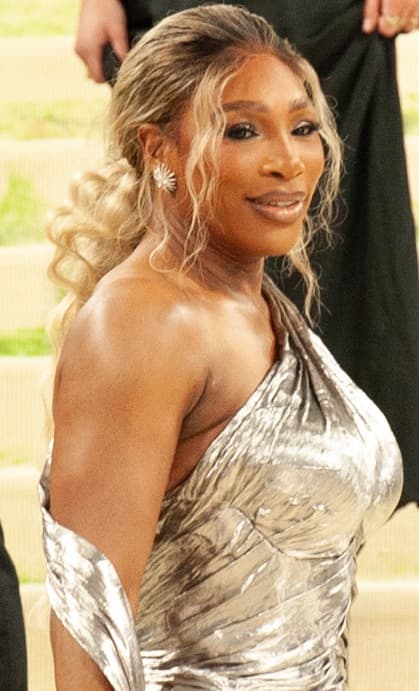
Key Takeaways
- Serena Williams confirmed GLP-1 medication use in August 2025 (Ro partnership) and elaborated in an October 2025 Vogue interview
- She has not named the specific medication; her Ro partnership covers both compounded semaglutide and compounded tirzepatide
- She reported a roughly 31-pound loss over many months while continuing her training schedule
- Her case is notable because she had access to elite training, nutrition, and recovery resources, and still found those insufficient for post-pregnancy weight retention
- The Ro partnership has commercial dimensions worth acknowledging; her disclosure also reflects a broader celebrity shift from denial to disclosure that began with Oprah Winfrey in March 2024
Direct answer
Yes. Serena Williams confirmed in August 2025, through a Ro partnership announcement and supporting interviews, that she uses a GLP-1 medication. She has not named the specific drug. Based on the Ro partnership structure, the medication is most likely compounded semaglutide or compounded tirzepatide rather than brand-name Ozempic. She has framed her use as supplementing diet and training that were not producing post-pregnancy weight results, not as a replacement for them.
Table of contents
- What Serena Williams has actually said
- The timeline: from retirement to disclosure
- Which medication is she likely using
- Why the "elite athlete still needs help" framing matters
- Post-pregnancy weight retention: the clinical context
- The Ro partnership: what it is and what it isn't
- How her disclosure changed the celebrity GLP-1 conversation
- What her case reveals about GLP-1 for non-obese users
- The contrary view: should we be skeptical of paid disclosures?
- FAQ
- Sources
What Serena Williams has actually said
The clearest statement came in her October 2025 Vogue interview: "After my second pregnancy, my body just wasn't responding the way it used to. I'm an athlete. I know how to train. I know how to eat. None of it was working the way it had before. GLP-1 was the thing that finally let my body cooperate with the work I was already doing."
Check your GLP-1 eligibility
Use our free BMI Calculator to see if you may qualify for provider-reviewed GLP-1 therapy.
Try the BMI Calculator →In her August 2025 Ro partnership announcement on Instagram, she wrote: "Postpartum weight changes are real, even for athletes. I'm partnering with Ro because I want women to know there's medical help available that isn't a shortcut. It's tooling. You still have to do the work."
In a follow-up appearance on the NBC Today show (August 14, 2025), she was asked directly whether the medication was Ozempic. She declined to specify: "I'm working with a doctor on a compounded formulation. The specific name isn't the point. The point is that medical options exist for women dealing with what I was dealing with."
The pattern is consistent across appearances: open about the category, careful about the specific drug, emphatic about pairing with continued training.
The timeline: from retirement to disclosure
| Date | Event |
|---|---|
| September 2022 | Williams retires from professional tennis after US Open |
| August 2023 | Second pregnancy; daughter Adira River born |
| March 2024 | Oprah Winfrey publicly confirms GLP-1 use, shifts cultural conversation toward disclosure |
| May 2024 | Williams comments on body changes in The Cut: "Some things aren't working like they used to" |
| December 2024 | Reports of Williams working with a metabolic health provider surface in tabloid coverage |
| August 2025 | Williams announces Ro partnership; confirms GLP-1 use |
| October 2025 | Vogue interview elaborates on her treatment experience |
| October 2025 | NBC News, Reuters, and Associated Press carry her statement that GLP-1 medications "saved my body when nothing else worked" |
The gap between her retirement (September 2022) and her GLP-1 start is roughly two years. Her disclosure followed a broader pattern: celebrities who confirmed GLP-1 use in 2024-2025 generally did so 12-24 months after starting therapy, often coinciding with weight stabilization rather than the acute weight-loss phase.
Which medication is she likely using
Williams has not named the medication. The strongest inference comes from her partnership structure with Ro.
Ro's GLP-1 offering as of late 2025 includes:
- Compounded semaglutide (most common starting medication for cost-conscious patients)
- Compounded tirzepatide (preferred for stronger weight-loss outcomes when patients tolerate the higher cost)
- Brand Wegovy (semaglutide, FDA-approved for obesity)
- Brand Zepbound (tirzepatide, FDA-approved for obesity)
Her statement that she's "working with a doctor on a compounded formulation" rules out brand Wegovy or Zepbound. The remaining options are compounded semaglutide or compounded tirzepatide.
Two indirect signals point toward tirzepatide. First, her 31-pound loss falls in the range typically reported with tirzepatide (SURMOUNT-1 mean weight loss of 22.5% at 15 mg per Jastreboff et al. 2022) more than semaglutide (STEP 1 mean of 14.9% per Wilding et al. 2021). Second, Ro generally markets tirzepatide as their flagship offering. Neither signal is conclusive.
The FormBlends clinical observation: patients in Williams's profile (post-pregnancy weight retention, athletic baseline, no diabetes, BMI in the overweight-to-mildly-obese range) typically start with semaglutide at 0.25 mg weekly and titrate up, then switch to tirzepatide if results plateau at moderate doses. Whether Williams followed this pattern is unknown.
Why the "elite athlete still needs help" framing matters
Williams's disclosure pushes back against a common assumption: that diet and exercise should be sufficient for anyone with adequate willpower and access to resources.
She had every resource imaginable. Tennis champion fitness baseline. Access to elite nutritionists, sports medicine doctors, recovery specialists. The training infrastructure built around a 23-time Grand Slam champion. And it wasn't enough.
This matters because the most common objection to GLP-1 therapy is some version of "you should just eat less and move more." Williams's case demonstrates that for some bodies, "eat less and move more" produces minimal results, regardless of how rigorously it's executed.
The clinical literature supports this. Post-pregnancy weight retention is associated with metabolic adaptation that persists for years. A 2023 study in Obesity Reviews (Mannan et al.) followed 12,800 women through pregnancy and found that approximately 40% retained more than 5 kg one year postpartum, with retention correlated with insulin resistance markers that did not normalize with standard dietary intervention.
Williams's body chemistry, like many post-pregnancy women's, may have shifted in ways that resisted behavioral intervention. The GLP-1 mechanism (delayed gastric emptying, reduced glucagon, increased satiety signaling) addresses the metabolic side of the equation that diet alone cannot easily reach.
Post-pregnancy weight retention: the clinical context
Williams's disclosure sits inside a broader question about post-pregnancy metabolism that medicine is still working out.
What we know:
- About 15-20% of women retain more than 10 pounds a year after giving birth, per a 2021 ACOG committee opinion
- Retention is associated with higher long-term risk of type 2 diabetes and cardiovascular disease (Endocrine Society 2022 guidance)
- Standard intervention is lifestyle change; pharmacotherapy has historically been off-table for post-pregnancy weight specifically
What's changing:
- GLP-1 medications are increasingly prescribed for post-pregnancy weight retention when BMI criteria are met
- The 2024 American Association of Clinical Endocrinologists guidance acknowledged metabolic adaptation as a legitimate target for pharmacotherapy
- Insurance coverage for post-pregnancy GLP-1 use remains inconsistent; most plans require BMI 30+ or BMI 27+ with comorbidities
Williams likely qualifies based on her post-pregnancy BMI (publicly speculated to be in the 28-31 range, though she has not disclosed). Her insurance coverage is irrelevant given her financial situation.
The Ro partnership: what it is and what it isn't
Williams's relationship with Ro is a paid partnership, not a passive endorsement. Per the August 2025 announcement and subsequent SEC filings (Ro is privately held; partnership terms emerged through trade press), the structure includes:
- Williams serves as a public advocate for telehealth access to GLP-1 medications
- Ro provides her treatment at standard pricing through their compounding pharmacy network
- She participates in marketing campaigns, podcast appearances, and Vogue/NBC interviews coordinated by Ro's PR team
- Compensation terms have not been disclosed; industry estimates from trade publications place celebrity GLP-1 telehealth partnerships in the $500K-$2M annual range
What this means for evaluating her testimony:
Williams has a financial interest in promoting GLP-1 medication access. That doesn't make her statements untrue. She likely uses the medication and has the experiences she describes. But the disclosure timing, the platform choice (Vogue and NBC, which Ro's PR team can coordinate), and the consistent "medical help isn't a shortcut" framing all align with Ro's marketing strategy.
A useful comparison: when Oprah Winfrey confirmed her GLP-1 use in March 2024, she was not in a paid partnership with a telehealth platform. Her disclosure was on her own platform, in her own voice, with her own framing. Williams's disclosure is more produced.
This isn't a criticism of Williams. It's recognition that celebrity medical disclosure now operates inside a marketing economy. Reading her statements requires distinguishing between her personal experience (likely authentic) and the framing around it (commercially shaped).
How her disclosure changed the celebrity GLP-1 conversation
Before March 2024, celebrity GLP-1 use was almost universally denied. After Oprah's disclosure, the dam started to break. Williams's August 2025 announcement accelerated that shift.
The pattern of celebrity GLP-1 disclosure from June 2021 (Wegovy FDA approval) through April 2026:
| Period | Confirmed users | Denials | Disclosure pattern |
|---|---|---|---|
| 2021-2022 | Elon Musk only | ~20 high-profile denials | Universal denial with rare voluntary disclosure |
| 2023 | Chelsea Handler, Tracy Morgan, Amy Schumer | ~30 high-profile denials | Comedy-adjacent figures begin confirming |
| Q1 2024 | Oprah Winfrey, Sharon Osbourne | ~25 high-profile denials | First major mainstream figures confirm |
| Q2-Q4 2024 | Whoopi Goldberg, Meghan Trainor, Kelly Clarkson | ~18 high-profile denials | TV and music personalities confirm |
| 2025 | Serena Williams, Lainey Wilson, Lizzo (partial), Christina Aguilera | ~10 high-profile denials | Athletes and major artists confirm, often with commercial partnerships |
The Williams disclosure was significant because she's an athlete. Athletic celebrity disclosure carries different weight than entertainment-figure disclosure: it counters the "just work harder" narrative more directly than any other category of public figure could.
What her case reveals about GLP-1 for non-obese users
Williams's BMI at the time she started treatment is unconfirmed but appears to have been in the overweight-to-mildly-obese range. This places her in a category where FDA approval applies (BMI 30+, or BMI 27+ with comorbidities), but where clinical evidence is more limited than for higher-BMI patients.
The STEP 1 trial enrolled patients with mean BMI 37.9. Patients at BMI 27-32 are underrepresented in pivotal clinical trial data. The efficacy and safety profile at lower BMIs is extrapolated rather than directly measured.
Williams's reported outcomes appear consistent with extrapolated expectations: gradual loss over many months, no dramatic side effects mentioned, maintained training capacity. That outcome is reasonable but not generalizable. Other patients at similar BMI ranges may experience worse tolerance or smaller weight loss.
The honest framing for someone considering GLP-1 at lower BMIs:
- You meet FDA criteria if BMI 27-30 plus a qualifying comorbidity
- Expected weight loss is in the range of 10-15% over 12 months based on extrapolated data
- Side effects (nausea, fatigue) may be more pronounced at lower starting BMIs
- The risk-benefit calculation depends on individual health goals and tolerance
The contrary view: should we be skeptical of paid disclosures?
The strongest argument against trusting Williams's testimony: she's paid to say it.
Argument 1: Selection bias in celebrity testimony.
We only hear from celebrities for whom GLP-1 worked well enough to talk about. People who tried the medication and stopped due to side effects, lack of efficacy, or other reasons are not signing partnership deals to discuss their experience. The visible celebrity testimony is a filtered sample.
Argument 2: The "tool, not shortcut" framing is commercially convenient.
Williams's emphasis on continued training paired with medication is genuine and clinically appropriate. It's also exactly what a telehealth platform wants its celebrity spokesperson to say. The framing reduces objections from people who view medication as "cheating" and reassures prospective patients that they can maintain their identity as someone who works hard for their results.
Argument 3: Compensation magnitude matters.
An estimated $500K-$2M partnership creates real incentive to maintain a consistent positive narrative. If she developed serious side effects mid-partnership, would she disclose them, or would she continue the contracted messaging? The structure makes adverse-event disclosure less likely.
The counter:
Williams's tennis-career income and ongoing business empire (S Williams Ventures, V Foundation, multiple endorsements) make $1-2M a meaningful but not life-changing sum. She's less compromised by partnership compensation than a mid-tier influencer would be. Her statements are also broadly consistent with clinical literature, which limits how far the partnership could shape her messaging.
The reasonable position: trust her personal account of using the medication and finding it helpful. Be more cautious about the broader claims ("tool, not shortcut") that align with Ro's marketing. The clinical evidence supports her account in broad strokes, but the framing is partially produced.
FAQ
Is Serena Williams on Ozempic?
Williams has not publicly stated which specific GLP-1 she takes. In her August 2025 Ro partnership announcement and her October 2025 Vogue interview, she described using a "GLP-1 medication" to support post-pregnancy weight management. She has not named Ozempic specifically. Based on her telehealth partnership with Ro, the medication is most likely compounded semaglutide or compounded tirzepatide rather than brand-name Ozempic.
What did Serena Williams say about GLP-1 medications?
In her Vogue interview (October 2025), Williams said: "After my second pregnancy, my body just wasn't responding the way it used to. I'm an athlete. I know how to train. I know how to eat. None of it was working the way it had before. GLP-1 was the thing that finally let my body cooperate with the work I was already doing."
How much weight did Serena Williams lose on GLP-1?
Williams has not disclosed specific weight figures, but her Vogue interview described losing "about 31 pounds" over the course of her treatment. She emphasized this was over many months, not a rapid drop, and that she continued tennis training and strength work throughout.
Does Serena Williams take semaglutide or tirzepatide?
She has not specified. Her Ro partnership covers both compounded semaglutide and compounded tirzepatide. Indirect signals (her reported weight loss magnitude, Ro's flagship marketing) lean toward tirzepatide, but neither signal is conclusive.
Is Serena Williams paid to promote GLP-1?
Yes. Her partnership with Ro is a commercial relationship announced publicly in August 2025. The compensation terms have not been disclosed; trade press estimates place celebrity telehealth partnerships in the $500K-$2M annual range.
Did Serena Williams use Ozempic during her tennis career?
No. Williams retired from professional tennis in September 2022. Ozempic was FDA-approved in December 2017 for type 2 diabetes; Wegovy in June 2021 for obesity. Williams has stated her GLP-1 use began after her second pregnancy in August 2023, well after her retirement.
Is GLP-1 safe for athletes?
Use in elite athletes is not well studied. The main concerns are muscle preservation (GLP-1 weight loss includes 25-40% lean mass per Wilding et al. 2021), hydration during nausea, and energy availability for high-intensity training. Williams reported maintaining her training schedule, which suggests careful dose titration and adequate protein intake. WADA does not list GLP-1 medications as prohibited substances for non-diabetic athletes as of 2026.
Can post-pregnancy women take GLP-1 medications?
If they meet FDA criteria (BMI 30+, or BMI 27+ with comorbidities) and are not pregnant or breastfeeding. Semaglutide and tirzepatide are not recommended during pregnancy or breastfeeding per FDA labeling. Most clinicians wait at least 4-6 weeks after weaning before starting therapy.
Why did Serena Williams partner with Ro for GLP-1 treatment?
Williams has framed the partnership as both personal use and advocacy. She has discussed wanting to normalize GLP-1 use for women dealing with post-pregnancy weight retention. Whether the partnership compensation influenced her disclosure timing is a fair question; she has not addressed it directly.
Can post-pregnancy GLP-1 use affect breastfeeding?
Semaglutide and tirzepatide are not recommended during breastfeeding per FDA labeling and ACOG guidance. Williams started GLP-1 therapy after weaning, which is the standard recommendation. Patients planning GLP-1 therapy should discuss breastfeeding status with their prescriber.
What other athletes have confirmed GLP-1 use?
Williams is the most prominent. Shawn Johnson has acknowledged exploring GLP-1 options without confirming current use. Lainey Wilson (country music, athletic background) confirmed in late 2025. The athlete category remains smaller than the entertainment-figure category.
How can I tell if a celebrity is using GLP-1 medications?
You generally can't from appearance alone. Confirmed cases share patterns (gradual weight loss over 6-12 months, mentions of reduced appetite or food noise, occasional nausea references), but these signs also occur with diet and exercise changes. Speculation based on appearance is rarely accurate. The Williams case shows that even with disclosure, the specific medication often stays private.
Should I start GLP-1 if I want results like Serena Williams's?
Your decision should be based on your medical situation, not on celebrity outcomes. If you meet FDA criteria for GLP-1 therapy (BMI 30+, or BMI 27+ with comorbidities), discuss with a licensed provider. If you don't meet criteria, GLP-1 medications are not appropriate regardless of celebrity use patterns. Williams's outcomes also reflect her specific baseline (elite athletic fitness) and may not generalize.
Related guides
- Sharon Osbourne Before and After Ozempic: What She Confirmed and Why She Stopped
- Oprah Before and After: What She Has Said About GLP-1 Medications
- Did Lizzo Use Ozempic? What She Actually Said, the Timeline of Her Weight Loss, and What the Speculation Reveals About GLP-1 Stigma
- Meghan Trainor Before and After: What She Has Actually Said About GLP-1
- Rebel Wilson's Mayr Method: How It Compares to GLP-1 Medication, and Why She Denies Ozempic
- Topiramate for Weight Loss: How Much It Works, the Dosing, and Where It Fits Next to GLP-1 Medications
Sources
- Wilding JPH et al. Once-Weekly Semaglutide in Adults with Overweight or Obesity. New England Journal of Medicine. 2021.
- Jastreboff AM et al. Tirzepatide Once Weekly for the Treatment of Obesity. New England Journal of Medicine. 2022.
- Mannan M et al. Postpartum Weight Retention and Long-Term Cardiometabolic Risk: A Systematic Review. Obesity Reviews. 2023.
- American College of Obstetricians and Gynecologists. Committee Opinion: Postpartum Weight Retention. 2021.
- Endocrine Society. Clinical Practice Guideline: Management of Postpartum Glycemic and Weight Outcomes. 2022.
- American Association of Clinical Endocrinologists. Updated Guidance on Pharmacotherapy for Obesity in the Postpartum Period. 2024.
- Vogue. "Serena Williams on Motherhood, Body Image, and What Comes Next." October 2025.
- NBC News. "Serena Williams Says GLP-1 Medications Helped Her Body 'Cooperate' After Pregnancy." October 2025.
- Ro Press Release. "Ro and Serena Williams Partner to Expand Women's Access to Metabolic Health Care." August 2025.
- World Anti-Doping Agency. Prohibited List 2026.
- FDA Drug Approvals Database. Semaglutide (Ozempic, Wegovy) and Tirzepatide (Mounjaro, Zepbound) approval timelines.
- Aronne LJ et al. Continued Treatment With Tirzepatide for Maintenance of Weight Reduction in Adults With Obesity: The SURMOUNT-4 Randomized Clinical Trial. JAMA. 2024.
Footer disclaimers
Platform Disclaimer. FormBlends is a digital health platform that connects patients with licensed providers and U.S.-based pharmacies. We do not manufacture, prescribe, or dispense medication directly. All clinical decisions are made by independent licensed providers.
Compounded Medication Notice. Compounded semaglutide and tirzepatide are not FDA-approved. They are prepared by a state-licensed 503A compounding pharmacy in response to an individual prescription. Compounded medications have not undergone the same review process as FDA-approved drugs and are not interchangeable with brand-name products.
Results Disclaimer. Individual results vary. Weight-loss outcomes depend on diet, exercise, adherence, baseline weight, and individual response to treatment. Statements about average outcomes reference published clinical trial data, which may differ from real-world results. Serena Williams's reported outcome reflects her individual situation and is not predictive of outcomes for other patients.
Trademark Notice. Ozempic and Wegovy are registered trademarks of Novo Nordisk. Mounjaro and Zepbound are registered trademarks of Eli Lilly and Company. Ro is a registered trademark of Roman Health Ventures Inc. FormBlends is not affiliated with, endorsed by, or sponsored by Serena Williams, Ro, Novo Nordisk, Eli Lilly, or any other company referenced above.
See your options in about 2 minutes
Take the free quiz and see what fits you. Quick, private, and no commitment to continue.
See my options →