Key Takeaway
Compare weight loss medications for bodybuilders including GLP-1 drugs, stimulants, and thyroid compounds. Learn what works for cutting while preserving muscle.
·. FormBlends
Weight loss medications give bodybuilders pharmaceutical tools to enhance fat loss during cutting phases, with GLP-1 receptor agonists like semaglutide and tirzepatide emerging as the safest and most effective options available, offering powerful appetite suppression without the cardiac risks and side effects of traditional thermogenic cutting agents. The choice of medication depends on your goals, health profile, competition status, and tolerance for side effects.
Weight Loss Medications Used in Bodybuilding
Bodybuilders have access to several categories of weight loss medications, each with different mechanisms, risk profiles, and effectiveness:
GLP-1 Receptor Agonists (Recommended)
The newest and safest class. Works through appetite suppression and metabolic regulation:
- Semaglutide (Wegovy/Ozempic): Once weekly. 15% average weight loss. FDA-approved. Strong safety data. From $299
- Tirzepatide (Zepbound/Mounjaro): Once weekly. Dual agonist. Up to 22.5% weight[1] loss. From $349
- Liraglutide (Saxenda): Daily injection. 5% to 8% weight loss. Older generation. Contact provider for current pricing
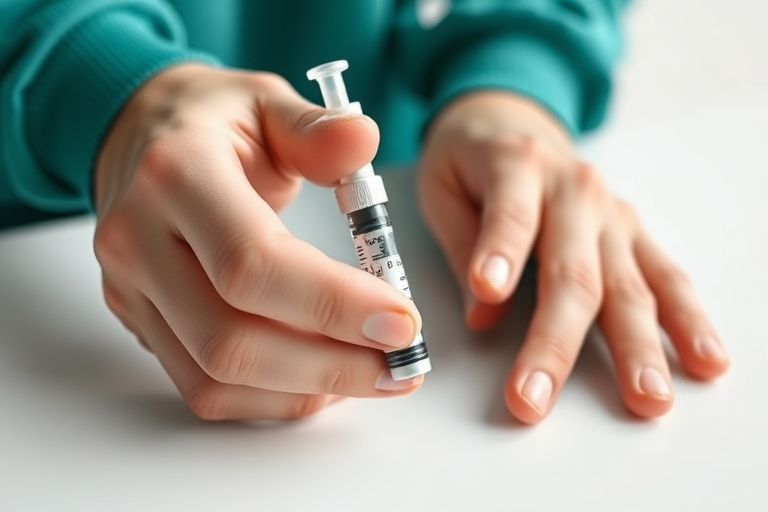
GLP-1 drugs for bodybuilding
Stimulant-Based Medications
- Phentermine: Prescription appetite suppressant. Schedule IV controlled substance. Increases heart rate and blood pressure. Short-term use only (12 weeks max). Not ideal for bodybuilders with cardiovascular concerns.
- Phentermine-topiramate (Qsymia): Combination pill. Better results than phentermine alone (7% to 10% weight loss). Topiramate component may cause cognitive fog, which can affect training focus. Contact provider for current pricing
Combination Medications
- Naltrexone-bupropion (Contrave): Targets reward pathways. 5% to 8% weight loss. May reduce emotional eating and food obsession during prolonged cuts. Doesn't cause stimulant effects. Contact provider for current pricing
Traditional Bodybuilding Cutting Compounds (Higher Risk)
These are included for educational context. They carry significant health risks:
- Clenbuterol: Beta-2 agonist. Increases thermogenesis and metabolic rate. Causes tremors, insomnia, cardiac hypertrophy, and tachycardia. Not FDA-approved for human use in the US.
- T3/T4 (Cytomel): Thyroid hormones. Increase metabolic rate. Can cause muscle catabolism at higher doses and thyroid suppression upon discontinuation.
- DNP (2,4-dinitrophenol): Mitochondrial uncoupler. Extremely dangerous. Can cause fatal hyperthermia. Not a medication. Included here only as a warning.
Why GLP-1 Drugs Are Displacing Traditional Cutting Agents
The shift toward GLP-1 drugs in bodybuilding reflects several advantages:
View data table
| Category | Mean Body Weight Loss (%) | Detail |
|---|---|---|
| Tirzepatide | 22 | ~22% body weight at 72 wks |
| Semaglutide | 15 | ~15% body weight at 68 wks |
| Liraglutide | 8 | ~8% body weight at 56 wks |
| Retatrutide | 24 | ~24% in Phase 2 trial |
- Safety: FDA-approved with extensive clinical trial data. No cardiac stimulation, no thyroid suppression, no risk of hyperthermia.
- Effectiveness: 15% to 22.5% body weight[1] loss matches or exceeds most traditional agents.
- Sustainability: Appetite suppression makes prolonged cuts psychologically manageable. Traditional stimulants lose effectiveness as the body adapts.
- No tolerance development: GLP-1 drugs maintain effectiveness without cycling or dose escalation beyond therapeutic levels.
- No withdrawal: Stopping GLP-1 drugs doesn't cause withdrawal symptoms (unlike some stimulants). Appetite returns but without rebound effects.
Mechanism Comparison
Knowing how each medication category works helps bodybuilders make informed choices:
Check your GLP-1 eligibility
Use our free BMI Calculator to see if you may qualify for provider-reviewed GLP-1 therapy.
Try the BMI Calculator →- GLP-1 drugs: Reduce calorie intake by suppressing appetite. The calorie deficit drives fat loss. No increase in energy expenditure.
- Stimulants (phentermine, clenbuterol): Increase energy expenditure and suppress appetite through sympathetic nervous system activation. Come with cardiovascular costs.
- Thyroid hormones: Increase basal metabolic rate. Also increase protein catabolism (muscle breakdown) at higher doses.
- Contrave: Reduces food reward and craving signaling. Modest effect on actual weight loss.
For bodybuilders, the ideal approach targets fat loss while minimizing muscle loss. GLP-1 drugs achieve this by letting you precisely control calorie intake while maintaining training intensity.
Muscle Preservation: The Core Challenge
All weight loss medications cause some degree of lean mass loss. The key is minimizing this ratio through active countermeasures:
- Protein intake: 1.0 to 1.4 grams per pound of body weight daily. Higher than general recommendations. important.
- Resistance training: Maintain heavy compound lifts. Intensity preserves muscle. volume can be reduced if recovery suffers.
- Moderate deficit: 500 to 750 calories below maintenance. Deeper cuts accelerate muscle loss regardless of medication.
- Creatine: 5 grams daily for strength and muscle cell hydration.
- Sleep: 7 to 9 hours for hormonal recovery.
- Body composition monitoring: DEXA scans, strength tracking, and progress photos monthly.
Practical Protocol for Bodybuilders
- Pre-cut phase (4 to 6 weeks before deficit): Begin GLP-1 medication at starting dose. Manage initial GI side effects while still eating at maintenance.
- Early cut (weeks 1 to 4): Establish calorie deficit (500 cal below maintenance). GLP-1 appetite suppression makes this easy. Track all macros.
- Mid cut (weeks 5 to 12): Increase GLP-1 dose as needed for continued appetite control. Maintain training intensity. Monitor body composition.
- Late cut/prep (weeks 13 to 20): This is where GLP-1 drugs shine. Hunger normally becomes unbearable at low body fat. Medication keeps it manageable.
- Peak week: Consider stopping GLP-1 7 to 14 days before show to normalize gastric emptying for carb loads.
- Reverse diet: Taper GLP-1 gradually while increasing calories. Prevents appetite rebound binging.
Competition Considerations
- GLP-1 drugs aren't on the WADA prohibited list.
- Untested federations (NPC, IFBB) don't screen for them.
- Natural federations have varying policies. Review your organization's banned substance list.
- Phentermine is a controlled substance that may be tested for in some contexts.
Cost Comparison
- Phentermine (generic): $20 to $40/month. Contact provider for current pricing
- Contrave: $100 to $300/month. Contact provider for current pricing
- Semaglutide (brand): $800 to $1,300/month. Contact provider for current pricing
- Tirzepatide (brand): $1,000 to $1,200/month. Contact provider for current pricing
- Compounded GLP-1: $150 to $500/month. Contact provider for current pricing
Medical References
- Jastreboff AM, Aronne LJ, Ahmad NN, et al. Tirzepatide Once Weekly for the Treatment of Obesity. N Engl J Med. 2022;387(3):205-216. [PubMed | ClinicalTrials.gov | DOI]
Frequently Asked Questions
What is the safest weight loss medication for bodybuilders?
GLP-1 receptor agonists (semaglutide, tirzepatide) have the best safety profiles among effective weight loss medications. They don't stimulate the cardiovascular system, don't suppress thyroid function, and have extensive clinical trial data supporting their safety.
Can I combine GLP-1 drugs with other cutting agents?
GLP-1 drugs can be combined with caffeine for complementary appetite and energy effects. Combining with clenbuterol, DNP, or high-dose thyroid hormones isn't recommended due to compounding health risks. Discuss any combinations with a physician.
Will weight loss medication make me lose my gains?
Without proper countermeasures, yes. With high protein, heavy training, and controlled deficits, muscle loss is minimal. The lean mass loss reported in clinical trials occurs in untrained populations who don't prioritize protein or resistance training.
How do I get a prescription for GLP-1 medication as a bodybuilder?
You need a medical provider to prescribe. Many telehealth weight loss clinics prescribe GLP-1 medications for patients with a BMI of 27+ with comorbidities or 30+ without. Some bodybuilders in the off-season may meet these criteria. Compounding pharmacies may have different prescribing protocols. getting a GLP-1 prescription
Do I need weight loss medication, or should I just diet harder?
That depends on your situation. If you can comfortably cut to your target body fat with diet and training alone, you don't need medication. GLP-1 drugs are most valuable for bodybuilders who struggle with extreme hunger at low body fat, have difficulty maintaining deficits for 16+ weeks, or need to cut aggressively for competition timelines.
What happens to appetite when I stop the medication?
Appetite returns within one to two weeks of the last dose. For bodybuilders finishing a cut, this can trigger rapid fat regain if not managed with a structured reverse diet. Taper the dose gradually and increase calories slowly.
See your options in about 2 minutes
Take the free quiz and see what fits you. Quick, private, and no commitment to continue.
See my options →