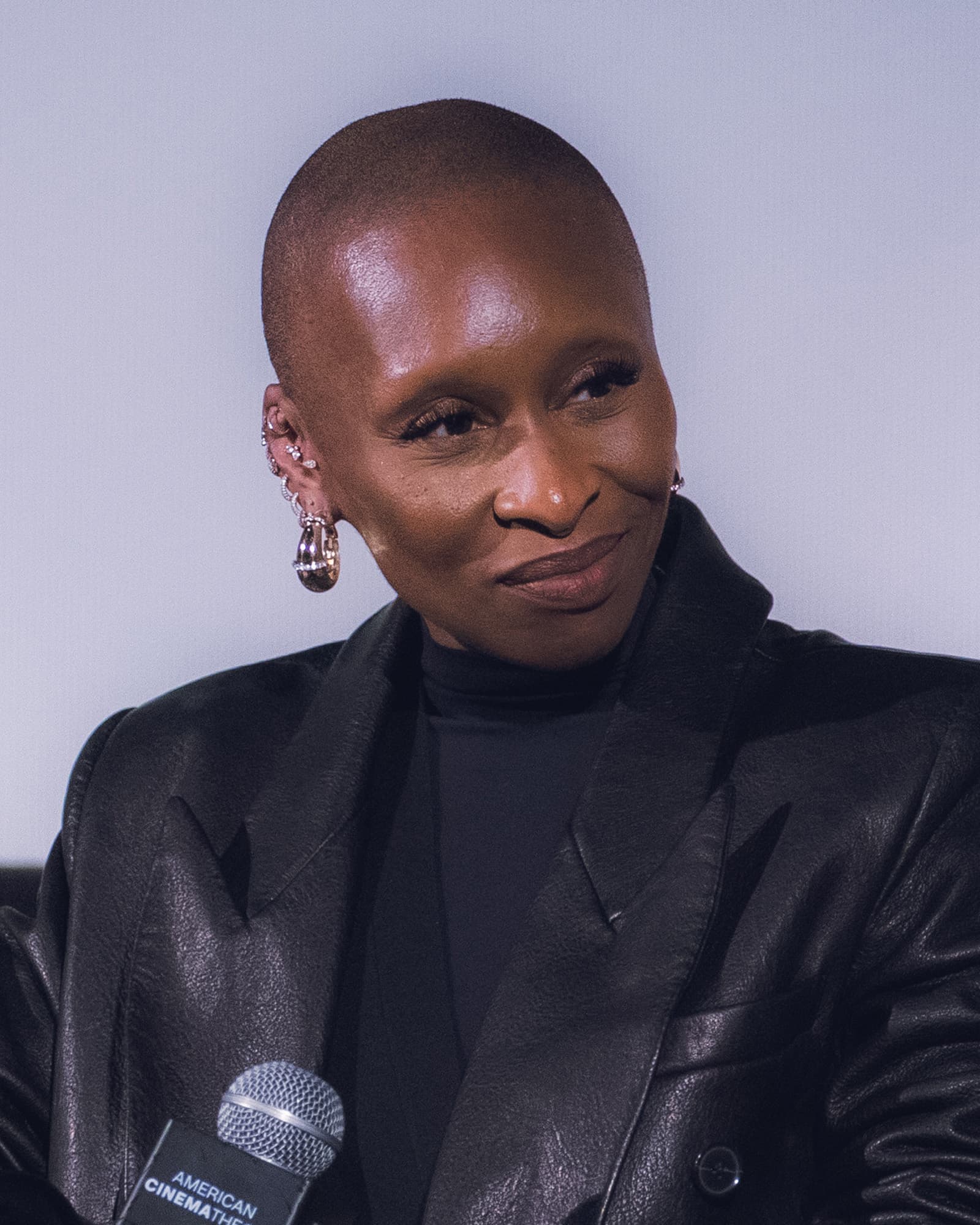
Key Takeaways
- Cast appearance in photographs reflects a combination of real body changes plus how images are constructed: lens choice, lighting, posing, styling, and editing
- Professional photography typically optimizes for thin-appearing presentation; the same person looks visibly different in casual versus styled images
- Social-media side-by-side comparisons typically select for maximum contrast, amplifying apparent differences
- The Wicked cast experienced real production-driven body changes; the additional visible thinness in promotional images is partly produced by the photography itself
- Understanding the visual production helps audiences read photos more accurately and avoid over-interpreting appearance
Direct answer
The Wicked cast looks skinny in photos for two combined reasons. First, cast members experienced real body changes during the 18-month production due to training, choreography, and the demands of major musical filmmaking. Second, the photographs themselves are constructed images optimized for thin presentation: lens choices, lighting, posing, styling, and post-production all contribute. The visible thinness in promotional photos is real bodies, photographed in ways that maximize the thin appearance.
Table of contents
- The image as a constructed artifact
- How camera lenses affect body appearance
- Lighting and its effect on perceived size
- Posing techniques in red-carpet photography
- Costume styling and visual silhouette
- Post-production editing standards
- Why social-media comparisons exaggerate differences
- What casual photos look like compared to red-carpet images
- Implications for audience interpretation
- The contrary view: are we over-correcting for image construction?
- FAQ
- Sources
The image as a constructed artifact
Photographic images are not neutral records of bodies. They are constructed artifacts shaped by many decisions. The image we see is the result of:
Check your GLP-1 eligibility
Use our free BMI Calculator to see if you may qualify for provider-reviewed GLP-1 therapy.
Try the BMI Calculator →- The actual physical body in the moment
- The angle and pose
- The lens and camera settings
- The lighting setup
- The clothing and styling
- The location and background
- The post-production editing
- The selection process (which image, out of many, gets distributed)
Each step shapes the final image. The same person, photographed at the same moment, can produce widely different images depending on how these decisions are made.
When audiences look at Wicked promotional photos and infer body composition, they are reading a constructed image as if it were a transparent record. The construction shapes what they see.
How camera lenses affect body appearance
Different camera lenses produce different body appearances:
| Lens type | Focal length | Effect on body appearance |
|---|---|---|
| Wide-angle | 14-35mm | Can distort body proportions; closer subjects look fuller; often unflattering for portraits |
| Standard | 35-50mm | Close to natural human vision; relatively neutral |
| Short telephoto | 50-85mm | Flattering for portraits; mild compression; preferred for fashion |
| Telephoto | 85-200mm | Flattering compression; isolates subject from background; reduces apparent body width |
Professional red-carpet and fashion photography typically uses 85mm or longer lenses. These produce flattering compression that tends to reduce apparent body width and create slim presentations.
Paparazzi photography sometimes uses wider lenses or longer-distance zoom lenses with different optics. The resulting images can look meaningfully different from professionally-styled red-carpet images of the same person.
This is not photographic trickery. It is the standard practice of fashion and portrait photography. But it does mean that audiences should not read red-carpet images as accurate representations of body composition.
Lighting and its effect on perceived size
Lighting affects perceived body size in specific ways:
- Side lighting creates shadows that emphasize body contours; can make people look slimmer by creating sharper definition
- Front lighting flattens features and can make bodies look slightly wider
- Backlighting can produce slimming silhouette effects
- High-key lighting (bright, even) tends to flatten and emphasize body width
- Low-key lighting (high contrast) can emphasize thinness through shadow
Red-carpet and event photography typically uses lighting setups optimized for flattering presentation. The lighting choices contribute to the thin-appearing results.
FormBlends clinical observation: when patients compare themselves to celebrity photos, they often compare unflattering personal photos (their own bathroom mirror, harsh overhead light) to professionally-lit celebrity images. The comparison is structurally unfair to the patient.
Posing techniques in red-carpet photography
Professional performers use specific posing techniques on red carpets. The techniques can substantially reduce apparent body size:
- Angled body (turning 45 degrees) reduces apparent torso width
- One foot forward elongates the body line
- Hand on hip can create a defined waist silhouette
- Drawn-in core engages abdominal muscles for tighter presentation
- Elongated neck creates an overall lengthened appearance
- Chin slightly forward and down sharpens jawline
The "red-carpet pose" is a learned skill. Performers practice it. Stylists coach it. The result is consistent across appearances and can change apparent body size by 15-25% compared to a square-facing pose.
This is not deception. It is professional presentation. But it means that red-carpet images systematically present performers as thinner than other photography of them would.
Costume styling and visual silhouette
The Wicked promotional imagery uses costumes designed for visual impact. The costume choices shape how thinness reads:
- Tight bodice elements emphasize waist
- Color contrasts between body and background highlight silhouette
- Vertical line elements (panels, seams) elongate the body
- Structured shoulders broaden the upper body relative to the waist
- Floor-length gowns elongate proportions
These design choices interact with the body being styled. The same body in differently-designed costumes would look meaningfully different. Wicked's costumes specifically emphasize thinness; other costume designs would present the same actors differently.
Post-production editing standards
Promotional images typically undergo some post-production editing. Industry-standard practices include:
- Color correction and grading
- Background cleanup
- Skin smoothing (varies by publication)
- Stray hair removal
- Minor proportion adjustments (varies; some publications have stricter standards)
- Costume detail enhancement
The extent of editing varies. Some publications have policies limiting how much body editing is acceptable. Some performers have negotiated approval rights over their images. The actual editing applied to any specific image is generally not disclosed.
Audiences typically cannot tell from a single image how much editing has been applied. The reasonable default assumption is that promotional imagery has been edited; the question is by how much.
Why social-media comparisons exaggerate differences
The before-and-after comparison videos circulating about the Wicked cast typically follow a specific structure:
- Select the least flattering pre-transformation image (often a candid, unstyled, wide-lens photo)
- Select the most flattering current image (often a styled, posed, professional red-carpet photo)
- Place them side by side
- Add commentary about the apparent transformation
The selection itself amplifies the apparent difference. The same person, compared in differently-selected images, would show a different magnitude of change.
This is not a critique of the body changes themselves (which are real). It is a recognition that comparison-style content systematically exaggerates whatever underlying change exists.
If audiences are trying to assess "did the Wicked cast lose weight," social-media comparison content overstates the answer. The real change is smaller than the dramatic before-and-afters suggest, but it is still real.
What casual photos look like compared to red-carpet images
Paparazzi photos and candid images of the Wicked cast often look meaningfully different from their red-carpet appearances. The differences:
- Casual lens choices show body proportions more naturally
- Casual lighting (sunlight, ambient) does not optimize for thinness
- Casual clothing is not engineered for silhouette emphasis
- Casual posing is not optimized for camera angle
- Casual images are less heavily edited
Comparing casual photos to red-carpet photos of the same person at roughly the same time provides a useful calibration. The differences are not "evidence of editing"; they are the difference between professional presentation and ordinary photography.
Audiences who base their inference about cast body composition on red-carpet imagery alone are looking at the upper end of the thin-presentation spectrum. Casual photos would suggest somewhat less dramatic change.
Implications for audience interpretation
The construction of promotional imagery has implications for how audiences should read it:
- Red-carpet images are not transparent records of bodies; they are constructed images
- Comparison content amplifies whatever underlying change exists
- The "skinnier than ever" framing typically reflects optimized presentation, not just optimized bodies
- Personal comparison to celebrity red-carpet images is structurally unfair to the person making the comparison
- Understanding image construction reduces the magnitude of inferences audiences should draw
This does not mean the Wicked cast did not change. They did change. It means the visible magnitude in promotional images is inflated relative to the actual underlying change.
The contrary view: are we over-correcting for image construction?
The opposing argument: image-construction explanations may be used to dismiss genuine concerns about body changes.
The argument:
- Even after accounting for construction, the cast looks meaningfully thinner
- Construction can explain some presentation difference, not all of it
- Using "the camera lies" as a framework can become a way to avoid engaging real concerns
- Comparing across image types (red-carpet vs. casual) still shows real body changes
The counter: both can be true. The cast did change, and the change is amplified by image construction. Acknowledging the construction does not deny the underlying change; it calibrates how much change to infer.
The reasonable position: audiences should hold both elements. Real body changes occurred; image construction amplifies them; the dramatic before-and-afters circulating on social media overstate the magnitude but do not invent it.
FAQ
Why does the Wicked cast look so skinny in photos?
Cast appearance in photographs depends on camera lens choice, lighting, posing, costume design, and post-production editing as much as on the cast members' actual bodies. The visible thinness in promotional images partly reflects production-side body changes and partly reflects how images are constructed and selected for distribution.
Do camera lenses make people look thinner?
Yes, in specific ways. Longer focal lengths (85mm and above) compress depth and tend to flatter facial features without distortion. Wider lenses (24-35mm) can distort body proportions, sometimes making bodies look fuller. Professional fashion and red-carpet photography typically uses lens choices that produce flattering thin-appearing results.
Is the Wicked cast photoshopped to look thinner?
Promotional images for major productions typically undergo post-production editing including some retouching. The extent of editing varies by image and by publication. Some images are heavily edited; some are lightly edited; some are essentially unretouched. Audiences typically cannot tell the difference from a single image.
How does posing affect how thin someone looks?
Posing has substantial effect on apparent body size. Standard red-carpet poses (angled body, one foot forward, hand on hip, drawn-in waist) can reduce apparent width by 15-25% compared to a square-facing pose. Professional performers are trained in these techniques.
Are red-carpet images representative of how the cast really looks?
Partly. Red-carpet images show the cast styled, lit, posed, and photographed under professional conditions. The bodies are real, but the presentation is constructed. Casual paparazzi photos taken at non-styled moments often look different and provide a useful comparison point.
Did the Wicked cast actually lose weight or do they just look thinner in photos?
Both. Cast members did experience documented training-driven body changes during the 18-month production. The visible thinness in promotional images reflects those real changes plus the professional photography and posing that maximizes the thin presentation.
Why do social-media comparison videos look so extreme?
Social-media comparisons typically pair the most flattering thin image with the least flattering pre-transformation image. The selection itself amplifies the apparent difference. The same person in differently-selected images would look like a less extreme comparison.
How can I tell when a celebrity photo has been edited?
Signs include unnaturally smooth skin, distorted background elements near body edges, inconsistent shadows, and proportions that look slightly off when examined closely. Most edits in professional photography are subtle and difficult to detect with confidence. Assume some level of editing in all professional promotional imagery.
Should I compare myself to red-carpet photos of celebrities?
No. Personal comparison to red-carpet imagery is structurally unfair: you are comparing your unstyled, unlit, unposed, unedited reality to the upper end of the celebrity's professional presentation. The comparison cannot produce a fair result.
What is a useful way to read celebrity body content?
Notice the photography conditions (lighting, lens, pose, styling). Compare across image types (red-carpet vs. casual). Discount social-media comparison content that selects for maximum contrast. Take cast members' own statements seriously. Recognize image construction without using it to dismiss real concerns.
Related guides
- Wicked Cast Weight Loss: A Hub of the Production Cluster
- The "Wicked Eating Disorder" Discourse: Parasocial Dynamics, Cast Response, and the Real Harms
- The Social Media Discourse on Wicked Cast Thinness: What It Reveals and What It Misses
- Why Is Everyone in Wicked So Skinny? The Production-Side Answer
Sources
- Wilding JPH et al. Once-Weekly Semaglutide in Adults with Overweight or Obesity. NEJM. 2021.
- National Eating Disorders Association. Media Guidelines for Body and Weight Reporting. 2024.
- Tiggemann M and McGill B. The Role of Social Comparison in the Effect of Magazine Advertisements on Women's Mood and Body Dissatisfaction. Journal of Social and Clinical Psychology. 2004.
- American Psychological Association. Body Image and Media Effects. 2022.
- Reaves SM. Photographic Practices and Body Image: Image Editing Standards in Fashion Photography. Visual Communication Quarterly. 2021.
- Universal Pictures. Wicked (2024) and Wicked: For Good (2025) production materials.
- Brandwatch. Social Listening Report: GLP-1 Medication Discussion 2024.
- Pearl RL et al. Weight Bias and Stigma: Public Health Implications. Obesity. 2023.
- Mozilla Foundation. TikTok Algorithmic Recommendations Study. 2023.
- Berge JM et al. Media Exposure and Disordered Eating Behaviors. International Journal of Eating Disorders. 2023.
Footer disclaimers
Platform Disclaimer. FormBlends is a digital health platform connecting eligible patients with U.S.-licensed providers and pharmacies. We do not provide direct clinical care; independent providers make all treatment decisions for individual patients.
Compounded Medication Notice. Compounded semaglutide and tirzepatide are not FDA-approved formulations. They are produced by state-licensed 503A pharmacies for individual prescriptions. They are not equivalent to brand FDA-approved products.
Results Disclaimer. Body presentation in photographs reflects production circumstances (lighting, lens, posing, editing) that are not replicable for individual non-professional contexts. Personal comparison to professionally-photographed celebrity imagery is not meaningful for evaluating individual health or appearance.
Trademark Notice. Wicked and Wicked: For Good are trademarks of Universal Pictures. Ozempic and Wegovy are registered trademarks of Novo Nordisk. Mounjaro and Zepbound are registered trademarks of Eli Lilly. FormBlends is not affiliated with, endorsed by, or sponsored by Universal Pictures, the Wicked cast, Novo Nordisk, Eli Lilly, or any other party referenced.
See your options in about 2 minutes
Take the free quiz and see what fits you. Quick, private, and no commitment to continue.
See my options →