Key Takeaway
Everything you need to know about eating during your first week on GLP-1 medication. Understand how the drug affects digestion, which foods work best, and how to avoid common mistakes.
Starting a GLP-1 medication changes the way your body handles food, and understanding what to eat during week one is important for long-term success. Our team at FormBlends has guided countless patients through this critical first phase. If you're on semaglutide, tirzepatide, or another GLP-1 agonist, the dietary principles below will help you adjust smoothly, protect your body weight composition, and lose weight without sacrificing muscle.
How GLP-1 Medication Affects Your Digestion
Before we talk about specific GLP-1 meals, it helps to understand what is happening inside your body. GLP-1 receptor agonists like semaglutide and tirzepatide mimic a natural hormone that your gut produces after eating. This hormone tells your brain you're full, slows the speed at which food leaves your stomach, and helps regulate blood sugar and blood pressure.
During your first week, your body is learning to respond to higher-than-normal levels of this signaling. The result is often dramatic appetite reduction, slower digestion, and for some patients, temporary nausea or bloating. Your food intake during this window directly influences how smoothly you adjust.
The Protein and Fiber Priority
If there's one thing you take away from this article, let it be this: protein fiber combinations must come first at every meal during your first week on GLP-1. Here is why.
View data table
| Category | Impact on Treatment Outcomes (%) | Detail |
|---|---|---|
| Protein Intake | 90 | Preserves muscle mass |
| Exercise | 85 | Enhances weight loss |
| Sleep Quality | 78 | Supports metabolism |
| Hydration | 72 | Reduces side effects |
| Stress Mgmt | 65 | Cortisol reduction |
When your appetite drops significantly, you eat less food overall. If those smaller meals are mostly carbohydrates or fats, your body will start breaking down muscle tissue for the amino acids it needs. This leads to the unwanted loss of lean body weight that nobody wants. Protein protects your muscles, keeps your metabolism active, and actually helps you feel more satisfied on less food. Adding fiber-rich vegetables and whole grains supports digestion and helps manage blood sugar levels throughout the day.
How Much Protein Do You Need?
A registered dietitian would typically recommend a minimum of 60 grams of protein daily during your first week, with an ideal target of 0.7 to 1.0 grams per pound of your goal body weight. For most patients, this means 80 to 120 grams per day.
This may sound like a lot, especially when your appetite is low. Breaking it into five or six mini-meals makes it manageable. A protein shake can also help you hit your target without forcing yourself to eat when you aren't hungry.
Foods That Work Well During Week One
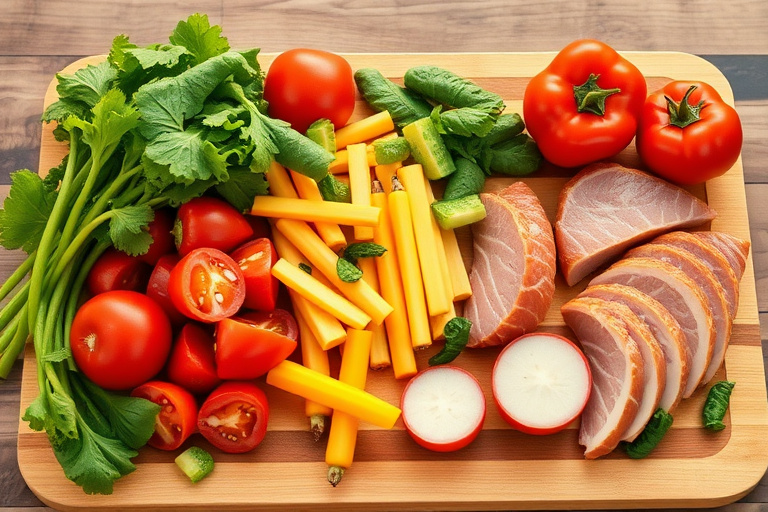
Based on our clinical experience and patient feedback, these are the foods that consistently perform best during the first week of GLP-1 therapy. A good GLP-1 diet focuses on nutrient density over volume.
Check your GLP-1 eligibility
Use our free BMI Calculator to see if you may qualify for provider-reviewed GLP-1 therapy.
Try the BMI Calculator →Best Proteins
- Eggs (scrambled, poached, or hard-boiled)
- Chicken breast or rotisserie chicken (remove the skin)
- White fish like cod, sole, or tilapia
- Low-fat cottage cheese
- Plain Greek yogurt (choose varieties with at least 15 grams of protein per serving)
- Turkey breast, sliced or ground
- Whey or plant-based protein powder in smoothies
Best Carbohydrates
- White or brown rice in small portions
- Oatmeal (plain, not flavored varieties with added sugar)
- Sweet potatoes
- Bananas and berries
- Whole grain toast or English muffins
- Applesauce (unsweetened)
Best Vegetables
- Steamed or roasted zucchini
- Cooked spinach or kale
- Steamed green beans
- Cooked carrots
- Cucumber (raw is fine in small amounts)
Notice the pattern: cooked vegetables are generally better tolerated than raw ones during week one. Cooking breaks down fiber, making vegetables easier to digest when your gastric emptying is slowed.
Foods You Need to Avoid
Certain foods are almost guaranteed to cause problems during your first week. Our patients report these as the worst offenders:
High-Fat and Fried Foods
Greasy foods take the longest to digest under normal circumstances. Add GLP-1-induced delayed gastric emptying to the equation, and you have a recipe for serious discomfort. Skip the fast food, fried anything, cream-based soups, and heavy cheese dishes for now.
Carbonated Drinks
Sodas, sparkling water, and seltzer introduce gas into a digestive system that's already moving slowly. This often leads to painful bloating. Stick to still water, herbal tea, and broth.
Large Portions of Raw Vegetables
A giant salad might seem like a healthy choice, but large volumes of raw fiber can overwhelm your slowed digestion. Save the big salads for later in your treatment when your body has adjusted.
Alcohol
GLP-1 agonists can change how your body processes alcohol. Many patients report feeling the effects much faster and more intensely. Beyond the safety concerns, alcohol adds empty calories and can worsen nausea. We recommend avoiding it entirely during week one. For a deeper look at this topic, read our guide on Zepbound and alcohol safety.
Excessively Spicy Foods
Spicy foods can irritate the stomach lining and worsen reflux symptoms, both of which are more likely when gastric emptying is delayed.
Meal Timing and Planning Strategies
How you eat matters just as much as what you eat during the first week. A structured approach to food intake helps your body adjust.
Eat Small and Often
Four to six mini-meals work better than two or three large ones. A mini-meal might be as simple as two hard-boiled eggs and a few apple slices, or a small cup of cottage cheese with berries.
Do Not Skip Meals Entirely
Even though your appetite may vanish, going without food for eight or more hours can cause blood sugar drops, fatigue, and muscle loss. Set reminders on your phone if needed. Eating something small every three to four hours keeps your metabolism engaged and helps you lose weight through fat loss rather than muscle breakdown.
Separate Food and Fluids
Drinking large amounts of liquid during meals can increase feelings of fullness to the point of nausea. We recommend drinking most of your water between meals, stopping about 30 minutes before eating and waiting 30 minutes after.
Eat Slowly and Chew Thoroughly
This advice applies to everyone, but it's especially important during GLP-1 initiation. Eating quickly can overwhelm your now-slower digestive system. Aim for 20 minutes per meal, even if the meal is small.
Hydration: A Non-Negotiable
We can't overstate the importance of hydration during your first week. Dehydration is common because the medication blunts thirst alongside hunger. Signs of dehydration include headaches, dizziness, dark urine, constipation, and fatigue.
Aim for a minimum of 64 ounces of water daily. More is better if you're active or live in a warm climate. Keep a water bottle with you at all times. Broths, herbal teas, and water infused with fruit all contribute to your daily intake.
How Diet Connects to GLP-1 and Peptide Therapy
At FormBlends, many of our patients combine GLP-1 weight loss medication with peptide wellness therapy. The relationship between diet and these treatments is combined. A protein-rich, nutrient-dense GLP-1 diet during the first week supports the muscle-preserving and metabolic benefits that peptide therapy can offer.
Your first-week dietary habits also establish patterns that your provider can build on when adjusting your treatment plan. The data you gather about what foods work and what doesn't work for you becomes valuable information for personalizing your ongoing care. A registered dietitian or your FormBlends provider can help fine-tune your approach based on your individual response.
Managing Common GLP-1 Side Effects Through Diet
Many first-week side effects are directly influenced by what and how you eat. Patients managing type 2 diabetes alongside weight loss should pay particular attention to blood sugar stability through consistent meal timing.
- Nausea: Eat smaller portions, avoid fatty foods, and try ginger tea or peppermint between meals. Cold foods like yogurt and smoothies are often better tolerated than hot meals.
- Constipation: Increase water intake and add gentle sources of fiber like cooked vegetables and oatmeal. Avoid relying on raw fiber, which can worsen bloating.
- Fatigue: Often caused by insufficient food intake or dehydration. Prioritize regular protein-rich mini-meals and aim for your hydration target.
- Blood pressure changes: Some patients notice shifts in blood pressure during the first week. Consistent hydration and balanced electrolyte intake through broth and whole foods can help stabilize this.
A Simple First-Week Meal Plan
Here is a sample day to show you how these principles come together:
- Morning (7:00 AM): Two scrambled eggs with a small piece of whole grain toast
- Mid-morning (10:00 AM): Protein shake made with whey protein, half a banana, and almond milk
- Lunch (12:30 PM): Three to four ounces of grilled chicken with a small serving of rice and steamed zucchini
- Afternoon (3:00 PM): Half a cup of Greek yogurt with a handful of blueberries
- Dinner (6:00 PM): Four ounces of baked cod with sweet potato and steamed green beans
- Evening (8:00 PM, if needed): A small cup of bone broth or a few slices of turkey with cucumber
This plan provides approximately 90 to 100 grams of protein across the day while keeping fat moderate and portions manageable.
Frequently Asked Questions
Is it normal to eat very little during the first week on GLP-1?
Yes, it's completely normal. Most patients eat significantly less than usual during the first week. The key is making sure what you do eat is nutritionally dense, especially protein-rich. If you're struggling to eat more than a few hundred calories per day for more than two or three days, contact your FormBlends provider.
Can I follow my current diet plan while starting a GLP-1?
In most cases, yes, but with modifications. Whether you follow keto, Mediterranean, or another eating pattern, the first-week principles of smaller portions, higher protein, lower fat, and gentle foods still apply. You can return to your preferred eating pattern more fully once your body has adjusted.
What should I do if a certain food makes me nauseous?
Remove it from your rotation for now and try again in two to three weeks when your body has adjusted to the medication. Everyone responds differently, so keep a mental note of what works for you and what doesn't. Ginger tea and peppermint can help soothe nausea when it occurs.
Do I need to count calories during the first week?
We generally don't recommend strict calorie counting during week one. The medication naturally reduces your food intake, and adding the stress of counting can make the transition harder. Focus on food quality, especially protein fiber combinations, rather than numbers. Once you're past the adjustment period, tracking can be a useful tool.
Should I consult a registered dietitian when starting GLP-1 therapy?
Working with a registered dietitian who understands GLP-1 agonists can be very helpful, especially if you have specific dietary needs or are managing conditions like type 2 diabetes. Your FormBlends provider can also guide your nutrition plan and adjust recommendations as your treatment progresses.
Get Personalized Guidance From Day One
Every patient responds to GLP-1 medication differently, which is why physician-supervised care matters. At FormBlends, our telehealth platform connects you with experienced providers who tailor your nutrition plan, monitor your progress, and adjust your treatment as needed. Visit FormBlends.com to get started with a team that supports you through every phase of your weight loss process.
See your options in about 2 minutes
Take the free quiz and see what fits you. Quick, private, and no commitment to continue.
See my options →