Key Takeaway
important information about muscle preservation during GLP-1 weight loss treatment. Understand the science, risks, and dietary strategies that keep your lean mass intact.
If you're taking GLP-1 medication for weight loss, the question isn't whether you'll lose weight, but what kind of weight you'll lose. Understanding the relationship between your diet and muscle preservation could be the most important thing you learn during your treatment.
The Science Behind Muscle Loss During Weight Loss
Your body doesn't distinguish between intentional dieting and starvation. When you consume fewer calories than you burn, your body mobilizes stored energy. Fat is the preferred source, but your body also taps into muscle protein, especially when certain conditions aren't met.
GLP-1 receptor agonists create a caloric deficit primarily by reducing appetite. Patients often eat 500 to 1,000 fewer calories per day without trying. This rapid reduction, while effective for fat loss, creates conditions where muscle loss can accelerate if the diet isn't improved.
What the Research Actually Shows
The landmark STEP clinical trials for semaglutide used DEXA scanning to measure body composition changes. The findings were sobering for anyone focused on body composition. Of the total weight lost, lean body mass accounted for a significant portion.
But this doesn't mean muscle loss is inevitable. Those trial participants were not given specific dietary or exercise protocols aimed at muscle preservation. With the right approach, the ratio shifts dramatically in favor of fat loss.
The Three Pillars of Muscle Preservation
Preserving muscle during GLP-1 therapy rests on three important pillars. Neglecting any one of them compromises the others.
View data table
| Category | Impact on Treatment Outcomes (%) | Detail |
|---|---|---|
| Protein Intake | 90 | Preserves muscle mass |
| Exercise | 85 | Enhances weight loss |
| Sleep Quality | 78 | Supports metabolism |
| Hydration | 72 | Reduces side effects |
| Stress Mgmt | 65 | Cortisol reduction |

Pillar 1: Adequate Protein Intake
Protein is the raw material your muscles are made from. Without sufficient dietary protein, your body can't maintain muscle tissue during a caloric deficit. The research is clear on this point: higher protein intake during weight loss directly correlates with better lean mass retention.
For GLP-1 patients, we recommend:
- A daily minimum of 0.7 grams of protein per pound of your ideal body weight
- Distributing protein evenly across four or more meals
- Including a source of complete protein (containing all important amino acids) at each eating occasion
- Using protein supplements when whole food intake is limited by appetite suppression
Protein shakes GLP-1
Pillar 2: Resistance Training
Lifting weights sends a powerful signal to your body that says "we need this muscle, don't break it down." Without this signal, your body has no reason to prioritize muscle preservation during a caloric deficit.
You don't need to become a bodybuilder. Two to three sessions per week of full-body resistance training, using weights that challenge you within the 8 to 12 repetition range, is sufficient for most patients. Bodyweight exercises, resistance bands, machines, and free weights all work.
Pillar 3: Avoiding Excessive Caloric Restriction
More isn't always better for caloric deficit. Your GLP-1 medication already creates a significant deficit through appetite suppression. Intentionally restricting food on top of that, especially cutting calories below 1,200 per day, sends your body into a stronger preservation mode where muscle becomes fuel.
The goal is to eat until you feel comfortably satisfied at each meal, prioritizing protein-rich foods. Let the medication handle appetite control while you focus on food quality. calorie intake semaglutide
Specific Foods That Support Muscle Health
Complete Proteins
Complete proteins contain all nine important amino acids in proportions your body can efficiently use. The best sources for GLP-1 patients include:
From the FormBlends catalog
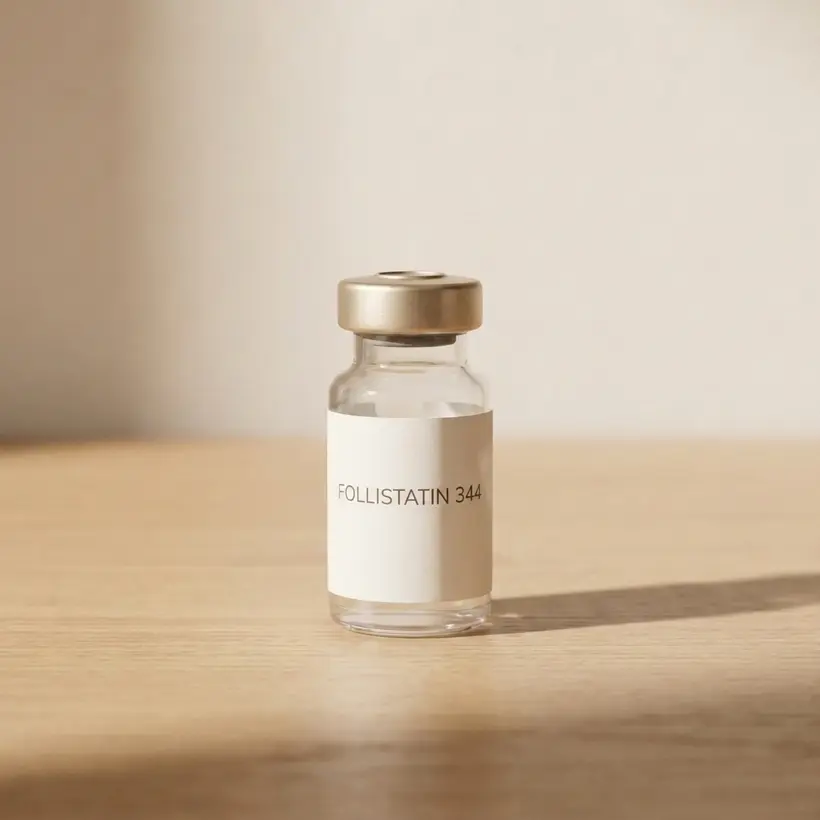
Follistatin 344
Myostatin inhibitor studied for enhanced muscle growth · From $149/mo · compounded by a licensed 503A pharmacy, dispensed only after provider review.
Learn about Follistatin 344 →- Poultry (chicken breast, turkey breast)
- Fish and seafood (salmon, tuna, shrimp, cod)
- Eggs and egg whites
- Dairy (Greek yogurt, cottage cheese, whey protein)
- Soy products (tofu, tempeh, edamame)
Leucine-Rich Foods
Leucine is the amino acid that directly triggers muscle protein synthesis. Think of it as the ignition key for the muscle-building process. You need approximately 2.5 grams of leucine per meal to turn that key.
Foods highest in leucine per serving:
- Whey protein isolate (one scoop provides roughly 2.5 to 3 grams of leucine)
- Chicken breast (4 oz provides roughly 2.3 grams)
- Beef (4 oz provides roughly 2.1 grams)
- Tuna (4 oz provides roughly 2.0 grams)
- Eggs (three large eggs provide roughly 1.6 grams)
Anti-Inflammatory Foods
Chronic inflammation interferes with muscle protein synthesis and can accelerate muscle breakdown. Including anti-inflammatory foods in your diet supports a better environment for muscle preservation.
- Fatty fish (salmon, sardines, mackerel)
- Berries (blueberries, strawberries, raspberries)
- Leafy greens (spinach, kale)
- Olive oil
- Turmeric and ginger
- Nuts and seeds (walnuts, flaxseeds, chia seeds)
What To Avoid for Muscle Health
Skipping Meals Entirely
When your appetite is suppressed by GLP-1 medication, it's tempting to skip meals altogether. This is one of the fastest routes to muscle loss. Even if you aren't hungry, eating small amounts of protein every three to four hours keeps your body in a positive protein balance. what to eat first week GLP-1 what you need to know
Relying on Low-Protein Snacks
Crackers, fruit, granola bars, and rice cakes are convenient, but they provide almost no protein. When your total food intake is already reduced by medication, every bite needs to count. Choose snacks that deliver at least 10 grams of protein.
Drinking Your Calories as Sugar
Juices, sweetened coffees, and sodas add calories without any muscle-protective benefit. Reserve your liquid calories for protein shakes and bone broth.
Extreme Low-Carb Dieting
While low-carb diets can work for some people, going very low carb while on GLP-1 medication can force your body to convert muscle protein into glucose through gluconeogenesis. Maintaining at least moderate carbohydrate intake (100 to 150 grams daily) helps spare muscle. keto and semaglutide
Meal Planning for Muscle Preservation
Here is a framework for building meals that support muscle preservation on GLP-1 medication:
Step 1[1]: Start with 4 to 6 ounces of lean protein (25 to 35 grams of protein)
Step 2: Add half a cup of complex carbohydrates (rice, sweet potato, oats)
Step 3: Add a serving of vegetables (cooked is often better tolerated)
Step 4: Include a small amount of healthy fat (olive oil drizzle, avocado slice, nuts)
If you can only manage a smaller portion, prioritize steps one and two in that order. The protein and carbohydrate combination provides the strongest muscle-preservation signal. macros GLP-1
The Role of Peptide Therapy in Muscle Preservation
FormBlends offers peptide wellness therapy as part of our thorough treatment approach. Certain peptides work on growth hormone pathways that directly support lean tissue maintenance and recovery. For patients concerned about muscle loss during GLP-1 therapy, peptide therapy can provide an additional layer of support when combined with proper nutrition and exercise.
Our physicians assess each patient's goals, health history, and treatment response to determine whether peptide therapy is a beneficial addition to their plan.
Frequently Asked Questions
How much muscle loss is normal on GLP-1 medication?
Without dietary or exercise intervention, lean mass loss can account for 25 to 39 percent of total weight lost. With proper protein intake and resistance training, this number can be reduced to 10 to 15 percent or even less. The goal is to minimize lean mass loss as much as possible through proactive lifestyle measures.
Will I get my muscle back if I lose it?
Rebuilding muscle is possible but takes considerably more time and effort than preserving it in the first place. Prevention is far easier than recovery. If you have already lost some muscle, increasing protein intake, starting resistance training, and discussing peptide therapy options with your provider can help you rebuild.
Can older adults preserve muscle on GLP-1?
Yes, but older adults face additional challenges because of age-related anabolic resistance, which means their muscles are less responsive to protein and exercise signals. We recommend that patients over 50 aim for the higher end of protein targets (1.0 grams per pound of ideal body weight) and prioritize resistance training.
Does cardio help or hurt muscle preservation?
Moderate cardio (walking, cycling, swimming) supports cardiovascular health and overall fitness without significantly impacting muscle mass. Excessive cardio, especially long-duration steady-state sessions, can contribute to muscle loss if protein intake isn't increased to match the additional energy expenditure. We recommend prioritizing resistance training and keeping cardio moderate.
How soon should I start worrying about muscle preservation?
From day one. The habits you establish during your first week on GLP-1 medication set the foundation for your entire treatment. Starting with high protein intake and resistance training from the beginning is far more effective than trying to reverse muscle loss later. what to eat first week GLP-1 tips and tricks
Medical References
- Wilding JPH, Batterham RL, Calanna S, et al. Once-Weekly Semaglutide in Adults with Overweight or Obesity. N Engl J Med. 2021;384(11):989-1002. [PubMed | ClinicalTrials.gov | DOI]
- Davies M, Færch L, Jeppesen OK, et al. Semaglutide 2.4 mg once a week in adults with overweight or obesity, and type 2 diabetes (STEP 2). Lancet. 2021;397(10278):971-984. [PubMed | ClinicalTrials.gov | DOI]
- Wadden TA, Bailey TS, Billings LK, et al. Effect of Subcutaneous Semaglutide vs Placebo as an Adjunct to Intensive Behavioral Therapy on Body Weight in Adults With Overweight or Obesity (STEP 3). JAMA. 2021;325(14):1403-1413. [PubMed | ClinicalTrials.gov | DOI]
- Rubino D, Abrahamsson N, Davies M, et al. Effect of Continued Weekly Subcutaneous Semaglutide vs Placebo on Weight Loss Maintenance in Adults With Overweight or Obesity (STEP 4). JAMA. 2021;325(14):1414-1425. [PubMed | ClinicalTrials.gov | DOI]
Take Control of Your Body Composition
At FormBlends, we believe weight loss should mean fat loss. Our physician-supervised telehealth platform provides personalized GLP-1 treatment plans that address body composition, not just the number on the scale. With expert guidance on nutrition, exercise, and peptide therapy options, we help you build the body you want. Visit FormBlends.com to schedule your consultation today.
Ready when you are
Follistatin 344
Myostatin inhibitor studied for enhanced muscle growth · From $149/mo · compounded by a licensed 503A pharmacy, dispensed only after provider review.
Learn about Follistatin 344 →