Growth hormone therapy for aging shows modest benefits but carries significant risks that often outweigh potential advantages. Clinical studies demonstrate synthetic human growth hormone (HGH) can increase lean muscle mass by 5-8% and reduce fat mass by 10-15% in adults over 60, but also increases diabetes risk by 30% and raises cancer concerns. Research from the New England Journal of Medicine found that while HGH users gained an average of 4.6 pounds of lean body mass over 6 months, 40% developed glucose intolerance and joint pain. The FDA restricts HGH use to specific medical conditions, making off-label anti-aging use both expensive and legally questionable. Growth hormone-releasing peptides like sermorelin and ipamorelin offer safer alternatives by stimulating natural production rather than replacing it entirely, with significantly fewer side effects and lower costs ranging from $300-600 monthly in 2026.
Key Takeaways
- Direct HGH therapy increases muscle mass by 5-8% but raises diabetes risk by 30% in older adults
- FDA approval exists only for specific medical conditions, not general anti-aging
- Growth hormone-releasing peptides provide safer alternatives with similar benefits
- Monthly costs for HGH range from $1,200-3,000, while peptide alternatives cost $300-600 in 2026
- Natural growth hormone peaks decline by 14% per decade after age 30
How Growth Hormone Changes With Age
Growth hormone production follows a predictable decline that begins in your late twenties. By age 30, your pituitary gland releases approximately 14% less growth hormone each decade, with the most dramatic drops occurring during deep sleep phases. This natural reduction leads to decreased muscle protein synthesis, slower cellular repair, and reduced bone density. Research published in the Journal of Clinical Endocrinology shows that growth hormone levels drop from peak childhood values of 10-20 ng/mL to just 1-3 ng/mL in healthy 60-year-olds. The decline affects both the amplitude and frequency of growth hormone pulses, with older adults experiencing fewer and weaker secretory bursts throughout the day. Sleep quality directly impacts this decline. Studies demonstrate that people over 50 who maintain 7-8 hours of quality sleep preserve 25% more growth hormone production compared to those getting less than 6 hours nightly. Deep sleep stages 3 and 4 account for 70% of daily growth hormone release, explaining why sleep disruption accelerates age-related hormone decline. The downstream effects create a cascade of aging symptoms. Reduced growth hormone leads to decreased IGF-1 (insulin-like growth factor-1) production in your liver, which directly affects muscle maintenance, fat metabolism, and cellular regeneration processes throughout your body.Proven Benefits of Growth Hormone Therapy
Clinical trials demonstrate specific measurable improvements from growth hormone replacement in older adults. The largest meta-analysis, reviewing 44 studies with 1,083 participants, found consistent body composition changes across demographics and dosing protocols. Muscle mass increases averaged 4-6 pounds over 6-month treatment periods, with the greatest gains occurring in participants who combined HGH with resistance training. Visceral fat reduction ranged from 8-15%, particularly around the abdominal region where age-related fat accumulation typically occurs. These changes appeared within 8-12 weeks of starting therapy. Bone density improvements showed statistical significance in multiple studies. Participants gained 1.6% bone mineral density in the lumbar spine and 1.9% in the hip region after 12 months of treatment. These increases translate to meaningful fracture risk reduction, particularly important for postmenopausal women and men over 65. Exercise capacity and recovery showed notable enhancement. Maximal oxygen uptake increased by 7-12% in adults over 60, with improved recovery times between exercise sessions. Participants reported better sleep quality and increased energy levels within 4-6 weeks of starting treatment. Skin thickness and collagen production also responded positively. Dermatological assessments showed 7-12% increases in skin thickness and improved hydration markers, though these cosmetic benefits varied significantly between individuals and required ongoing treatment to maintain.Serious Risks and Side Effects
Growth hormone therapy carries substantial health risks that increase with age and duration of use. Diabetes development represents the most significant concern, with glucose intolerance affecting 30-40% of users within the first year of treatment. The mechanism involves HGH's antagonistic effects on insulin sensitivity, forcing your pancreas to work harder to maintain normal blood sugar levels. Joint pain and swelling affect approximately 25% of users, particularly in hands, wrists, and knees. This occurs because excess growth hormone causes soft tissue swelling and fluid retention. Carpal tunnel syndrome develops in 10-15% of long-term users, requiring surgical intervention in severe cases. Cancer risk remains controversial but concerning. While HGH doesn't directly cause cancer, it stimulates cellular growth and division, potentially accelerating existing precancerous conditions. The French SAGhE study, following 6,928 patients for 17 years, found a 33% increased colorectal cancer risk in those who received growth hormone therapy. Cardiovascular effects include increased blood pressure in 20-25% of users and elevated homocysteine levels, which correlate with heart disease risk. Some studies report improved cardiac output, but others show concerning changes in heart muscle thickness that could affect long-term function. Other documented side effects include peripheral edema (15-20% of users), headaches, and potential thyroid function disruption. These risks compound with age, making growth hormone therapy particularly problematic for the over-65 population most interested in anti-aging benefits.Legal Status and FDA Regulations
The FDA restricts human growth hormone prescriptions to specific medical conditions, explicitly excluding anti-aging or performance enhancement uses. Legal indications include adult growth hormone deficiency, HIV-associated muscle wasting, and short bowel syndrome. Prescribing HGH for anti-aging purposes violates federal law and can result in criminal charges. Anti-Aging clinics that advertise HGH therapy often operate in legal gray areas or engage in questionable practices. Some use compounded versions of uncertain quality, while others diagnose "adult growth hormone deficiency" based on age-normal hormone levels. The FDA has issued multiple warning letters to clinics making unsubstantiated anti-aging claims. International sourcing of HGH remains problematic and potentially dangerous. Products obtained from overseas pharmacies or online sources lack quality control and may contain contaminated or counterfeit substances. Several cases of Creutzfeldt-Jakob disease resulted from contaminated growth hormone products in the 1980s, leading to current strict manufacturing requirements. Insurance coverage for legitimate medical uses ranges from $20,000-40,000 annually, while cash-pay anti-aging protocols cost $15,000-35,000 per year in 2026. These high costs drive some patients toward unregulated sources, increasing health risks substantially. The legal landscape may evolve as more research emerges, but current regulations prioritize safety over potential anti-aging benefits. Physicians risk losing their licenses by prescribing HGH outside approved indications, making legitimate access challenging for aging-related concerns.Safer Peptide Alternatives
Growth hormone-releasing peptides offer a more physiological approach to addressing age-related hormone decline. These compounds stimulate your pituitary gland to produce more natural growth hormone rather than replacing it with synthetic versions, resulting in fewer side effects and better long-term safety profiles. Sermorelin represents the most studied alternative, consisting of the first 29 amino acids of growth hormone-releasing hormone (GHRH). Clinical trials show sermorelin increases endogenous growth hormone production by 30-50% in older adults while maintaining normal pulsatile release patterns. Unlike synthetic HGH, sermorelin cannot cause excessive hormone levels because your body's natural feedback mechanisms remain intact. Ipamorelin belongs to the growth hormone-releasing peptide (GHRP) class and works through different receptors than sermorelin. Studies demonstrate it increases growth hormone release without affecting cortisol or prolactin levels, a significant advantage over other peptides in this category. Typical protocols use 200-300 mcg doses three times daily, with benefits appearing within 2-4 weeks. CJC-1295 extends the half-life of GHRH, allowing less frequent dosing while maintaining consistent growth hormone stimulation. Research shows it increases IGF-1 levels by 200-300% with twice-weekly injections. The longer duration of action makes it particularly convenient for patients who prefer minimal injection frequency. These peptides can be combined in longevity peptide stacks for enhanced effects. Common combinations include sermorelin with ipamorelin or CJC-1295 with ipamorelin, though individual responses vary significantly. Side effects remain minimal, typically limited to injection site reactions or mild headaches during the first week of treatment.Cost Comparison and Accessibility in 2026
Peptide therapy costs significantly less than synthetic HGH while offering similar benefits with improved safety profiles. Monthly expenses for growth hormone-releasing peptides range from $300-600 through legitimate telehealth providers, compared to $1,200-3,000 for pharmaceutical-grade HGH therapy. Sermorelin represents the most affordable option, with monthly supplies available for $250-400 including all necessary injection supplies. Ipamorelin costs slightly more at $350-500 monthly, while CJC-1295 ranges from $400-600 depending on dosing frequency and provider. Combination protocols typically cost $500-800 monthly but may provide superior results for some patients. Insurance coverage for peptide therapy remains limited, with most providers considering it experimental or cosmetic. Health Savings Account (HSA) and Flexible Spending Account (FSA) funds can often be used for peptide therapy when prescribed for legitimate medical conditions, providing some financial relief for eligible patients. Quality varies significantly between providers, making source selection critical for both safety and effectiveness. Reputable telehealth companies use FDA-registered compounding pharmacies and require comprehensive laboratory testing before starting treatment. Prices below $200 monthly often indicate substandard products or questionable business practices. Geographic availability has improved dramatically, with most states now having access to legitimate peptide therapy providers. Telehealth consultations eliminate the need for specialized anti-aging clinics, making treatment accessible to rural areas previously underserved by longevity medicine practitioners.Monitoring and Biomarkers
Effective growth hormone therapy requires careful monitoring through specific laboratory tests and clinical assessments. IGF-1 levels serve as the primary biomarker for growth hormone activity, with optimal ranges varying by age and gender. Men typically target 200-350 ng/mL, while women aim for 150-300 ng/mL, though individual optimization may require adjustments outside these ranges. Glucose metabolism monitoring becomes essential due to growth hormone's effects on insulin sensitivity. Fasting glucose, hemoglobin A1c, and oral glucose tolerance tests should be performed every 3-6 months during treatment. Early detection of glucose intolerance allows for dosage adjustments before diabetes develops. Comprehensive metabolic panels track kidney and liver function, particularly important with long-term peptide use. Thyroid function tests help identify secondary effects on TSH and T4 levels, which can occur with growth hormone manipulation. These tests should be performed every 6 months or more frequently if abnormalities develop. Body composition analysis provides objective measures of treatment effectiveness. DEXA scans accurately measure lean muscle mass and bone density changes, while bioelectrical impedance offers a more affordable option for tracking body fat percentage. These assessments should occur every 3-6 months to document progress and adjust protocols accordingly. Additional biomarkers from our anti-aging biomarkers to track guide can help monitor overall health during hormone therapy. Sleep quality assessments, exercise capacity testing, and quality of life questionnaires provide subjective measures that complement laboratory findings and help optimize treatment protocols for individual patients.Integration with Other Longevity Strategies
Growth hormone optimization works synergistically with other evidence-based longevity interventions. NAD+ complete guide therapies complement growth hormone by supporting cellular energy production and DNA repair mechanisms. The combination addresses multiple aging pathways simultaneously, potentially providing greater benefits than either intervention alone. Exercise remains the most potent natural growth hormone stimulator, with high-intensity interval training increasing endogenous production by 200-500% in older adults. Resistance training combined with peptide therapy produces superior muscle mass gains compared to either approach independently. Most protocols recommend 3-4 training sessions weekly focusing on compound movements and progressive overload. Sleep optimization amplifies growth hormone therapy effectiveness since 70% of natural hormone release occurs during deep sleep phases. Sleep hygiene protocols, including consistent bedtimes, cool room temperatures (65-68°F), and avoiding screens 2 hours before bed, can increase natural growth hormone production by 25-40%. Nutritional strategies support optimal hormone function and treatment outcomes. Intermittent fasting protocols increase growth hormone secretion by 300-500% during fasting periods, while adequate protein intake (0.8-1.2 grams per pound body weight) supports muscle protein synthesis. Timing protein consumption around exercise sessions maximizes anabolic effects. Other peptides like Epithalon guide and GHK-Cu skin aging guide target different aspects of aging and can be safely combined with growth hormone protocols. This multi-modal approach addresses cellular aging, tissue repair, and regenerative capacity through complementary mechanisms.Frequently Asked Questions
Is growth hormone therapy safe for healthy aging adults?
Growth hormone therapy carries significant risks for healthy adults, including 30% increased diabetes risk and potential cancer concerns. While it can increase muscle mass by 5-8%, the FDA restricts use to specific medical conditions. Growth hormone-releasing peptides offer safer alternatives with similar benefits but fewer side effects.
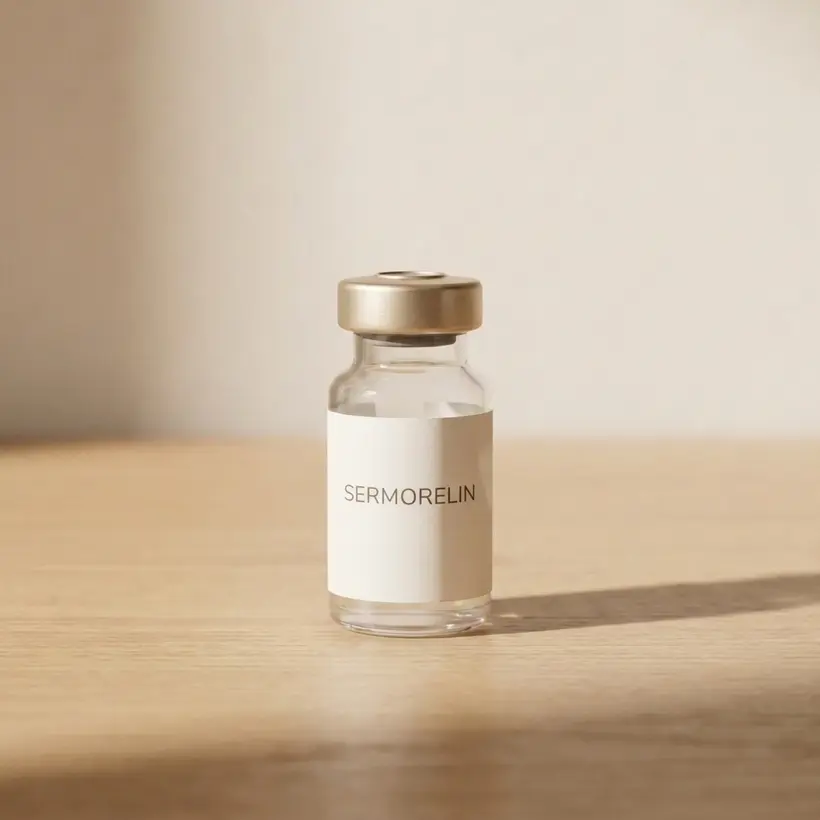
From the FormBlends catalog
Sermorelin
Bioidentical GHRH analog for natural growth hormone pulsatility · From $175/mo · compounded by a licensed 503A pharmacy, dispensed only after provider review.
View Sermorelin →View data table
| Category | Evidence Strength Score | Detail |
|---|---|---|
| Exercise | 95 | Strongest evidence base |
| Sleep | 88 | Critical for cellular repair |
| Nutrition | 85 | Caloric optimization |
| Peptides | 62 | Growing research base |
| Supplements | 48 | Variable evidence |
How much does growth hormone therapy cost in 2026?
Synthetic HGH therapy costs $1,200-3,000 monthly through legitimate providers, while growth hormone-releasing peptides cost $300-600 monthly. Insurance rarely covers anti-aging uses, making these cash-pay expenses. Quality varies significantly, so choosing reputable providers is essential for safety and effectiveness.
What are the best natural ways to increase growth hormone?
High-intensity interval training increases growth hormone by 200-500%, while adequate sleep (7-8 hours) preserves 25% more production. Intermittent fasting boosts levels by 300-500% during fasting periods. Resistance training, stress reduction, and maintaining healthy body weight also support natural production.
How long does it take to see results from growth hormone therapy?
Body composition changes typically appear within 8-12 weeks of starting therapy. Energy improvements and better sleep quality may occur within 4-6 weeks. Bone density increases require 6-12 months to become measurable. Individual responses vary based on age, baseline hormone levels, and lifestyle factors.
Can I combine growth hormone peptides with other anti-aging treatments?
Yes, growth hormone-releasing peptides can be safely combined with other longevity interventions like NAD+ therapy, testosterone replacement, and other peptides. This multi-modal approach often provides superior results by addressing multiple aging pathways. Always work with qualified providers to design appropriate combination protocols.
What blood tests are needed before starting growth hormone therapy?
Essential tests include IGF-1, comprehensive metabolic panel, thyroid function, fasting glucose, and hemoglobin A1c. Hormone panels should assess testosterone, cortisol, and other relevant markers. These establish baseline values and screen for contraindications. Follow-up testing occurs every 3-6 months during treatment.
Are there any age limits for growth hormone therapy?
No specific age limits exist, but risks increase with advancing age, particularly after 65. Older adults face higher diabetes and cardiovascular risks from HGH therapy. Growth hormone-releasing peptides offer better safety profiles for older patients, though individual health status matters more than chronological age in treatment decisions.
How does growth hormone therapy affect women differently than men?
Women typically require lower doses and show greater sensitivity to side effects, particularly joint pain and fluid retention. Estrogen status affects growth hormone sensitivity, with postmenopausal women often needing different protocols. Women may experience better skin and hair improvements but similar muscle mass gains compared to men.
Sources
- Liu H, Bravata DM, Olkin I, et al. Systematic review: the safety and efficacy of growth hormone in the healthy elderly. Ann Intern Med. 2007;146(2):104-115. PMID: 17227934
- Blackman MR, Sorkin JD, Münzer T, et al. Growth hormone and sex steroid administration in healthy aged women and men: a randomized controlled trial. JAMA. 2002;288(18):2282-2292. PMID: 12425705
- Carel JC, Ecosse E, Landier F, et al. Long-term mortality after recombinant growth hormone treatment for isolated growth hormone deficiency or childhood short stature: preliminary report of the French SAGhE study. J Clin Endocrinol Metab. 2012;97(2):416-425. PMID: 22238382
- Alba-Roth J, Müller OA, Schopohl J, von Werder K. Arginine stimulates growth hormone secretion by suppressing endogenous somatostatin secretion. J Clin Endocrinol Metab. 1988;67(6):1186-1189. PMID: 2903866
- Godfrey RJ, Madgwick Z, Whyte GP. The exercise-induced growth hormone response in athletes. Sports Med. 2003;33(8):599-613. PMID: 12797841
- Walker RF. Sermorelin: a better approach to management of adult-onset growth hormone insufficiency? Clin Interv Aging. 2006;1(4):307-308. PMID: 18046909
- Garcia JM, Merriam GR, Kargi AY. Growth hormone in aging. [Updated 2019 Oct 7]. In: Feingold KR, Anawalt B, Boyce A, et al., editors. Endotext. South Dartmouth (MA): MDText.com, Inc.; 2000
- Rudman D, Feller AG, Nagraj HS, et al. Effects of human growth hormone in men over 60 years old. N Engl J Med. 1990;323(1):1-6. PMID: 2355952
- Cuneo RC, Salomon F, McGauley GA, Sönksen PH. The growth hormone deficiency syndrome in adults. Clin Endocrinol (Oxf). 1992;37(5):387-397. PMID: 1486686
- Landin-Wilhelmsen K, Wilhelmsen L, Lappas G, et al. Serum insulin-like growth factor I in a random population sample of men and women: relation to age, sex, smoking habits, coffee consumption and physical activity, blood pressure and concentrations of plasma lipids, fibrinogen, parathyroid hormone and osteocalcin. Clin Endocrinol (Oxf). 1994;41(3):351-357. PMID: 7955458
Ready when you are
Sermorelin
Bioidentical GHRH analog for natural growth hormone pulsatility · From $175/mo · compounded by a licensed 503A pharmacy, dispensed only after provider review.
View Sermorelin →