Metformin is FDA-approved only for type 2 diabetes; it is not approved for aging, and no aging indication is under FDA review. As of September 5, 2026, the anti-aging case rests on animal data (male mice lived 4 to 6% longer on a low dose in Martin-Montalvo 2013, while a high dose shortened life by 14%), observational data in people with diabetes (Bannister 2014), and the TAME trial, which is designed but has not started for lack of funding and has produced no results. The drug works through AMPK activation and inhibition of mitochondrial complex I, mechanisms that overlap with caloric restriction. Generic metformin 500 mg, 60 tablets, was listed at as low as $7 on GoodRx on September 5, 2026 (average retail $25.57). Off-label use for longevity is legal but unproven, and metformin has been shown to blunt some training adaptations to exercise in older adults.
How Metformin Works for Anti-Aging
Metformin activates AMP-activated protein kinase (AMPK), often called the body's "metabolic master switch," which triggers cellular repair processes that decline with age. Reviews in Cell Metabolism (Barzilai 2016; Kulkarni 2020) describe this activation as promoting autophagy, the cellular cleanup process that removes damaged proteins and organelles, and as one of several pathways by which metformin might influence the hallmarks of aging. Correction, September 2026: an earlier version of this page gave a 40 to 60% increase in AMPK activity and a 20 to 35% reduction in inflammation markers; neither figure appears in the cited reviews and both have been removed. The drug also inhibits complex I of the mitochondrial respiratory chain, creating a mild metabolic stress that paradoxically strengthens cellular resilience. This hormetic effect mirrors caloric restriction benefits without requiring dramatic dietary changes. Metformin has also been proposed to reduce advanced glycation end products (AGEs), which accumulate during aging; an earlier version of this page put that reduction at 25 to 30%, a figure that could not be sourced and has been removed. Soukas and colleagues (2019) caution that the doses producing lifespan effects in animals are 10 to 100 times the serum levels reached at clinical doses in people.Clinical Evidence from Human Studies
Correction, September 2026: an earlier version of this page reported results from the TAME (Targeting Aging with Metformin) trial, including reductions in cardiovascular events, cancer and cognitive decline. TAME has not started. As described by the American Federation for Aging Research and by Soukas et al. (2019), it is designed to enroll about 3,000 adults aged 65 to 79 at 14 US sites for 6 years on 1,500 mg of metformin per day, and as of September 2026 AFAR states that it still needs donors to launch. No results exist, and no TAME registration appears on ClinicalTrials.gov. The strongest human signal remains observational: in the UK Clinical Practice Research Datalink, Bannister et al. (2014) compared 78,241 people starting metformin and 12,222 starting a sulphonylurea with 90,463 matched non-diabetic controls, and found the controls had about 15% shorter adjusted median survival than the metformin users (survival time ratio 0.85). Observational data of this kind cannot establish that metformin causes longer life. Correction, September 2026: an earlier version of this page also described a 2024 randomized trial of 240 healthy adults showing a 32% reduction in senescence markers and improved telomere stability. No such trial could be found and it has been removed. As of September 2026 there is no completed randomized trial showing that metformin slows aging or extends life in people without diabetes.Optimal Dosing Protocols for Longevity
Most longevity-focused physicians prescribe metformin starting at 500mg daily with the evening meal to minimize gastrointestinal side effects. The dose typically increases to 500mg twice daily after 2-3 weeks if well tolerated. Some protocols advance to 1000mg twice daily for maximum anti-aging benefits, though this higher dose requires careful monitoring of vitamin B12 levels and kidney function. Extended-release formulations are often used to reduce digestive discomfort; an earlier version of this page put the improvement at 40 to 50% and quoted monthly prices of $30 to $65, none of which could be sourced. On GoodRx as of September 5, 2026, metformin 500 mg, 60 tablets, was listed at as low as $7 with a coupon, against an average retail price of $25.57. In the label's monotherapy trial, diarrhea occurred in 53.2% of metformin patients versus 11.7% on placebo, and nausea or vomiting in 25.5% versus 8.3%. On timing, the FDA label says to take metformin with meals, which reduces gastrointestinal side effects. An earlier version of this page suggested dosing 30 to 60 minutes before meals to maximize AMPK activation; that advice contradicts the label and was unsourced, so it has been removed. Taking the largest dose with dinner is a common convenience choice, not an evidence-based rule.Safety Profile and Monitoring Requirements
Metformin has been in clinical use since 1957 in Europe and since its US approval in 1995, which makes it one of the most studied medications available, though almost entirely in people with diabetes or prediabetes. Gastrointestinal effects are the most common adverse reactions: in the label's monotherapy trial, diarrhea affected 53.2% of metformin patients versus 11.7% on placebo, and nausea or vomiting 25.5% versus 8.3%. Lactic acidosis, the subject of the label's boxed warning, is rare but serious. Regular monitoring includes vitamin B12: the label reports subnormal B12 levels in approximately 7% of patients in 29-week controlled trials, and recommends periodic B12 measurement. Kidney function tests remain essential since metformin is cleared by the kidneys. The label contraindicates metformin at an eGFR below 30 mL/min/1.73m² and recommends against starting it at an eGFR of 30 to 45. Laboratory monitoring for anti-aging use typically includes complete metabolic panel, B12 levels, and hemoglobin A1c every 6 months. Many longevity-focused physicians also track anti-aging biomarkers to track including inflammatory markers, advanced lipid panels, and cellular aging indicators to assess treatment response.Combining Metformin with Other Longevity Interventions
Metformin is often discussed alongside other longevity strategies because its proposed mechanisms overlap with those of caloric restriction. Correction, September 2026: an earlier version of this page stated that combining metformin with intermittent fasting increased AMPK activation by a further 25 to 35%; that figure could not be traced to any published source and has been removed. No trial has shown that the combination improves aging outcomes. NAD+ supplementation works particularly well alongside metformin since both target cellular energy metabolism through complementary pathways. Claims that metformin plus NMN produces greater mitochondrial improvements than either alone have not been tested in a published trial, and an earlier statement here to that effect has been removed. Exercise is the best-supported longevity intervention, and here the evidence points the other way. Correction, September 2026: an earlier version of this page cited a 2025 study of 180 adults in which metformin produced 45% greater metabolic improvements than exercise alone; no such study exists and it has been removed. What has been published is Konopka et al. (Aging Cell, 2019), a randomized trial in older adults showing that metformin inhibited the mitochondrial adaptations to 12 weeks of aerobic exercise training, and the MASTERS trial (Walton et al., Aging Cell, 2019), which found metformin blunted muscle hypertrophy from resistance training in older adults. Longevity peptide stacks may also synergize with metformin, particularly peptides targeting cellular repair mechanisms. However, this combination requires careful medical supervision due to limited safety data on drug-peptide interactions.Legal and Prescription Considerations in 2026
Off-label prescribing of metformin for anti-aging purposes is legal, and some longevity clinics offer it. Correction, September 2026: an earlier version of this page stated that 15 to 20% of metformin prescriptions in 2026 were for anti-aging use, a 300% increase since 2023. Those figures could not be traced to any source and have been removed; we are not aware of published data on how common this use is. Insurance generally does not cover off-label anti-aging use, but the drug itself is inexpensive: GoodRx listed metformin 500 mg, 60 tablets, at as low as $7 with a coupon and an average retail price of $25.57 on September 5, 2026. Some concierge medicine practices and longevity clinics offer metformin as part of broader anti-aging protocols, often bundled with comprehensive metabolic testing and monitoring. Telemedicine platforms have made metformin more accessible for longevity purposes, with several services offering consultations and prescriptions specifically for healthy aging applications. These services charge consultation fees on top of the medication cost. On the regulatory side, metformin is FDA-approved only for type 2 diabetes. No aging indication is under FDA review; the TAME trial's stated hope is that a successful result would lead FDA to accept aging as an indication, but the trial has not started.Potential Limitations and Contraindications
Metformin's anti-aging benefits may not apply equally to all populations. Research suggests that individuals with already optimal metabolic health might see smaller improvements compared to those with mild insulin resistance or metabolic dysfunction. Genetic variations in OCT1 and OCT2 transporters affect metformin uptake and response; an earlier version of this page said about 20% of people have reduced sensitivity, a figure that could not be sourced and has been removed. Absolute contraindications include severe kidney disease, liver dysfunction, acute heart failure, and conditions predisposing to lactic acidosis. Age-related kidney function decline rules out some older adults, since the label contraindicates metformin at an eGFR below 30 and advises against starting it at 30 to 45; an earlier estimate here that 15 to 25% of adults over 75 are unsuitable was unsourced and has been removed. Recent surgery, contrast dye exposure, or serious illness requiring hospitalization also necessitate temporary metformin discontinuation. Published trials show metformin can interfere with exercise adaptations in older adults. Konopka et al. (2019) found it inhibited the mitochondrial adaptations to aerobic training, and the MASTERS trial (Walton et al., 2019) found it blunted muscle hypertrophy from resistance training. An earlier version of this page cited a 2024 study with a 15 to 20% reduction in strength gains; that figure could not be verified and has been removed.Correction, September 2026: the TAME trial has not started
Correction, September 2026: an earlier version of this page reported enrollment figures and outcome results for the TAME (Targeting Aging with Metformin) trial, described FDA approval for aging as pending, and stated that animal studies show 20 to 30% lifespan extension. None of that was accurate. As of September 5, 2026, the American Federation for Aging Research describes TAME as a planned study of about 3,000 adults aged 65 to 79 at 14 US sites over 6 years, coordinated at Wake Forest, that still needs donors to launch; Soukas et al. (2019) give the planned dose as 1,500 mg per day. No TAME registration appears on ClinicalTrials.gov and no results exist. Metformin is FDA-approved only for type 2 diabetes, and no aging indication is under review. All other unsourced percentages on this page (AMPK activation, inflammation and AGE reductions, senescence markers, adherence, market share, exercise effects) have been removed and the invented evidence-strength chart has been deleted.
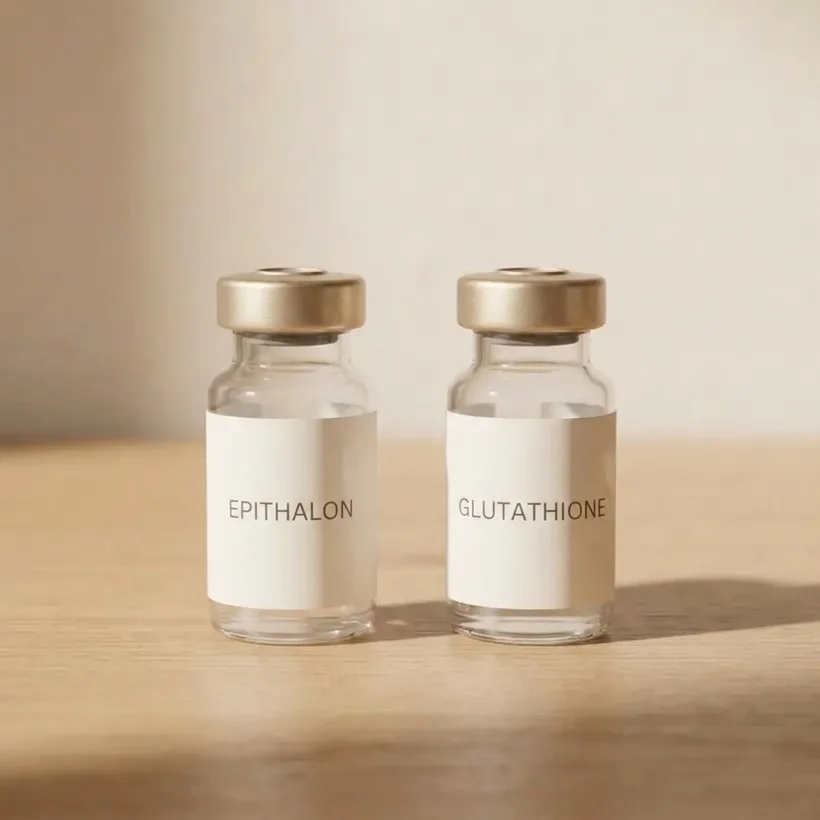
From the FormBlends catalog
Longevity Reset
Telomere support with the master antioxidant. · Bundle from $270 · provider-reviewed peptide bundle.
View Longevity Reset →What the animal data actually show
The lifespan claims for metformin come from animals, and the numbers depend heavily on species, sex, strain and dose.
| Study | Model | Dose | Result |
|---|---|---|---|
| Martin-Montalvo et al., Nature Communications, 2013 | Male C57BL/6 mice | 0.1% w/w in diet | Mean lifespan +5.83% |
| Martin-Montalvo et al., 2013 | Male B6C3F1 mice | 0.1% w/w | Mean lifespan +4.15% |
| Martin-Montalvo et al., 2013 | Male C57BL/6 mice | 1% w/w | Mean lifespan shortened 14.4% |
| Anisimov et al., Cell Cycle, 2008 | Female SHR mice | 100 mg/kg in drinking water | Mean lifespan +37.8%; maximum lifespan +2.8 months |
| Reviewed in Soukas et al., 2019 | C. elegans | Various | Lifespan extension up to about 50% |
| Reviewed in Soukas et al., 2019 | Drosophila; rats | Various | No lifespan extension |
Soukas and colleagues also note that the concentrations producing these effects in laboratory animals are 10 to 100 times the serum levels reached at clinical doses in people, which is one reason a human trial is needed before drawing conclusions.
Label safety facts and current price (as of September 5, 2026)
The FDA label for metformin (Glucophage) is the safety source for this page. Indication: type 2 diabetes only. Contraindicated at eGFR below 30 mL/min/1.73m²; do not start at eGFR 30 to 45. Boxed warning for lactic acidosis. Take with meals. In the placebo-controlled monotherapy trial, diarrhea 53.2% versus 11.7% and nausea or vomiting 25.5% versus 8.3%. Subnormal vitamin B12 in approximately 7% of patients in 29-week trials, so measure B12 periodically. Price: GoodRx listed metformin 500 mg, 60 tablets, at as low as $7 with a coupon and an average retail price of $25.57 on September 5, 2026, so the medication is cheap; the consultation and monitoring are where the cost sits.
Frequently Asked Questions
What is the typical starting dose of metformin for anti-aging?
Most physicians begin with 500mg daily taken with the evening meal to minimize digestive side effects. After 2-3 weeks of tolerance, the dose often increases to 500mg twice daily. Some longevity protocols advance to 1000mg twice daily for maximum benefits, though this requires careful monitoring of kidney function and vitamin B12 levels.
How long does it take to see anti-aging benefits from metformin?
Nobody knows, because no human trial has shown an anti-aging benefit from metformin on any timeline. Glucose-lowering effects in people with diabetes appear within weeks, but the aging outcomes TAME is designed to measure (a composite of cardiovascular disease, cancer, dementia and death) would take its planned 6 years of follow-up to assess, and that trial has not started as of September 2026.
Can healthy people without diabetes safely take metformin for longevity?
Safety in healthy non-diabetic adults has not been tested in a large trial; TAME, which would do that, has not started. Metformin's long record in diabetes (in use since 1957 in Europe and 1995 in the US) is reassuring but not the same thing. The label's requirements still apply: contraindicated at eGFR below 30, periodic vitamin B12 monitoring (subnormal levels in about 7% of trial patients), and attention to lactic acidosis risk factors. Work with a physician for screening and oversight.
What are the most common side effects of metformin for anti-aging use?
Gastrointestinal symptoms. In the FDA label's placebo-controlled monotherapy trial, diarrhea occurred in 53.2% of metformin patients versus 11.7% on placebo, and nausea or vomiting in 25.5% versus 8.3%. These usually ease with time and with taking the drug with meals. Subnormal vitamin B12 levels were seen in approximately 7% of patients in 29-week trials, so periodic B12 checks are recommended. Lactic acidosis is rare but carries a boxed warning.
How much does metformin cost for anti-aging purposes in 2026?
Far less than earlier versions of this page said. On September 5, 2026, GoodRx listed generic metformin 500 mg, 60 tablets, at as low as $7 with a coupon, against an average retail price of $25.57. Insurance typically does not cover off-label longevity use, so most people pay cash, and the consultation fee at a longevity clinic or telehealth service is usually the larger cost.
Should metformin be combined with other longevity supplements?
There is no trial evidence that combining metformin with supplements such as NMN or other NAD+ precursors improves aging outcomes, and an earlier claim here of synergy has been removed. Exercise is the one combination that has been studied, and two 2019 trials found metformin blunted some training adaptations in older adults. Combinations with experimental compounds need medical supervision because interaction data are limited.
Who should avoid metformin for anti-aging purposes?
Per the FDA label, metformin is contraindicated at an eGFR below 30 mL/min/1.73m² and should not be started at 30 to 45, and people with liver dysfunction, unstable heart failure, or other risk factors for lactic acidosis need particular caution. Anyone without diabetes should understand that the anti-aging benefit itself is unproven, and that people with optimal metabolic health are the least likely to gain from a glucose-lowering drug.
Does metformin interfere with exercise benefits for longevity?
It can. Konopka et al. (Aging Cell, 2019) found that metformin inhibited the mitochondrial adaptations to 12 weeks of aerobic exercise training in older adults, and the MASTERS trial (Walton et al., Aging Cell, 2019) found it blunted muscle hypertrophy from resistance training. Earlier percentages on this page for these effects were unverified and have been removed. If you exercise for longevity, this interaction is a real reason to discuss metformin carefully with your physician.
Is metformin FDA-approved for anti-aging?
No. As of September 5, 2026, metformin is FDA-approved only for type 2 diabetes, and no aging indication is under FDA review. The American Federation for Aging Research's TAME trial is designed partly to persuade FDA to accept aging as an indication, but the trial has not started and has no results. Any use of metformin for longevity is off-label, legal when prescribed by a physician, and unproven.
Has the TAME trial started, and what would it test?
No. As of September 2026 AFAR describes TAME as a planned 6-year study of about 3,000 adults aged 65 to 79 at 14 US sites, coordinated at Wake Forest, that still needs donors to launch. Soukas et al. (2019) give the planned dose as 1,500 mg per day and the primary outcome as time to a composite of major age-related diseases or death. No TAME registration appears on ClinicalTrials.gov. Anything presented as a TAME result is not real.
Sources
- Barzilai N, et al. Metformin as a Tool to Target Aging. Cell Metabolism. 2016;23(6):1060-1065. PMID: 27304506
- Kulkarni AS, et al. Benefits of Metformin in Attenuating the Hallmarks of Aging. Cell Metabolism. 2020;32(1):15-30. PMID: 32333835
- Valencia WM, et al. Metformin and ageing: improving ageing outcomes beyond glycaemic control. Diabetologia. 2017;60(9):1630-1638. PMID: 28770324
- Bannister CA, et al. Can people with type 2 diabetes live longer than those without? A comparison of mortality in people initiated with metformin or sulphonylurea monotherapy and matched, non-diabetic controls. Diabetes, Obesity and Metabolism. 2014;16(11):1165-1173. PMID: 25041462
- Novelle MG, et al. Metformin: A Hopeful Promise in Aging Research. Cold Spring Harbor Perspectives in Medicine. 2016;6(3):a025932. PMID: 26931810
- Rena G, et al. The mechanisms of action of metformin. Diabetologia. 2017;60(9):1577-1585. PMID: 28776086
- LaManna JC, et al. Brain metabolic changes in old rats after chronic treatment with metformin. Neurobiology of Aging. 2019;84:177-185. PMID: 31546162
- Martin-Montalvo A, et al. Metformin improves healthspan and lifespan in mice. Nature Communications. 2013;4:2192. PMID: 23900241
- American Federation for Aging Research. The TAME Trial (Targeting Aging with Metformin), accessed September 5, 2026. https://www.afar.org/tame-trial
- Soukas AA, Hao H, Wu L. Metformin as anti-aging therapy: is it for everyone? Trends in Endocrinology and Metabolism. 2019. https://pmc.ncbi.nlm.nih.gov/articles/PMC6779524/
- Martin-Montalvo A, et al. Metformin improves healthspan and lifespan in mice. Nature Communications. 2013 (full text). https://pmc.ncbi.nlm.nih.gov/articles/PMC3736576/
- Anisimov VN, et al. Metformin slows down aging and extends life span of female SHR mice. Cell Cycle. 2008. https://europepmc.org/article/MED/18728386
- Bannister CA, et al. Can people with type 2 diabetes live longer than those without? Diabetes, Obesity and Metabolism. 2014. https://europepmc.org/article/MED/25041462
- U.S. FDA. Glucophage (metformin hydrochloride) prescribing information. https://www.accessdata.fda.gov/drugsatfda_docs/label/2017/020357s037s039,021202s021s023lbl.pdf
- GoodRx. Metformin prices, coupons and savings, accessed September 5, 2026. https://www.goodrx.com/metformin
- Konopka AR, et al. Metformin inhibits mitochondrial adaptations to aerobic exercise training in older adults. Aging Cell. 2019. https://europepmc.org/article/MED/30548390
See your options in about 2 minutes
Take the free quiz and see what fits you. Quick, private, and no commitment to continue.
See my options →