Key Takeaway
What does the research say about CJC-1295? Review key clinical studies on growth hormone stimulation, body composition, safety data, and the science behind this GHRH analog.
CJC-1295 has been studied in multiple clinical trials that consistently demonstrate its ability to significantly increase growth hormone and IGF-1 levels with a favorable safety profile. Published research includes Phase I and Phase II trials in healthy adults, studies on the pharmacokinetics of its DAC formulation, and investigations into body composition effects.
Foundational Research
CJC-1295 was developed as a modified analog of growth hormone-releasing hormone (GHRH) with structural changes designed to extend its half-life. Native GHRH has a half-life of only 5 to 7 minutes in the blood, which limits its therapeutic use. CJC-1295 addresses this through two approaches: a modified amino acid sequence that resists enzymatic breakdown, and an optional Drug Affinity Complex (DAC) that binds to albumin in the blood for further half-life extension. cjc-1295 for beginners guide
Key Clinical Studies
Phase I Safety and Pharmacokinetics (CJC-1295 with DAC)
A important Phase I study published in the Journal of Clinical Endocrinology and Metabolism examined CJC-1295 with DAC in healthy adults aged 21 to 61. Single subcutaneous doses of 30, 60, and 125 mcg/kg produced dose-dependent increases in GH and IGF-1 levels. the GH elevation was sustained for 6 or more days after a single injection, confirming the extended half-life of the DAC formulation.

IGF-1 levels increased by 1.5 to 3 times baseline depending on dose and remained improved for up to 2 weeks after a single injection. No serious adverse events were reported. The most common side effects were injection site reactions and headache, all classified as mild.
Repeated Dosing Study
A follow-up study examined weekly dosing of CJC-1295 with DAC over multiple weeks. Repeated weekly injections maintained improved GH and IGF-1 levels without tachyphylaxis (loss of response) during the study period. Mean IGF-1 levels increased by approximately 2-fold and remained stable with continued dosing.
This finding is clinically significant because it suggests the pituitary gland maintains its responsiveness to CJC-1295 over the studied period, supporting the viability of ongoing therapy. how to cycle cjc-1295
Growth Hormone Pulsatility Research
Research comparing CJC-1295 with and without DAC has shown that the non-DAC version (Modified GRF 1-29) produces a more physiologic, pulsatile pattern of GH release. This mimics the body's natural GH secretion pattern more closely than the sustained elevation produced by the DAC version. Some researchers argue this pulsatile pattern may be preferable for long-term use, though both versions effectively increase IGF-1.
Body Composition Data
While dedicated body composition trials specific to CJC-1295 are limited, the GH and IGF-1 elevations documented in clinical studies fall within the range associated with favorable body composition changes in the broader growth hormone literature. Clinical observational data from prescribing physicians consistently reports reductions in body fat and improvements in lean mass among patients on CJC-1295 therapy. how long does cjc-1295 take to work
combined effect With Ipamorelin
Research on GHRH analogs combined with growth hormone-releasing peptides (GHRPs) has demonstrated a combined effect on GH release. Studies show that combining a GHRH analog like CJC-1295 with a GHRP like ipamorelin produces a GH response significantly greater than either peptide alone. This research forms the basis for the widely used CJC-1295/ipamorelin combination protocol.
Safety Data Summary
Across published clinical trials, CJC-1295 has demonstrated a consistently favorable safety profile:
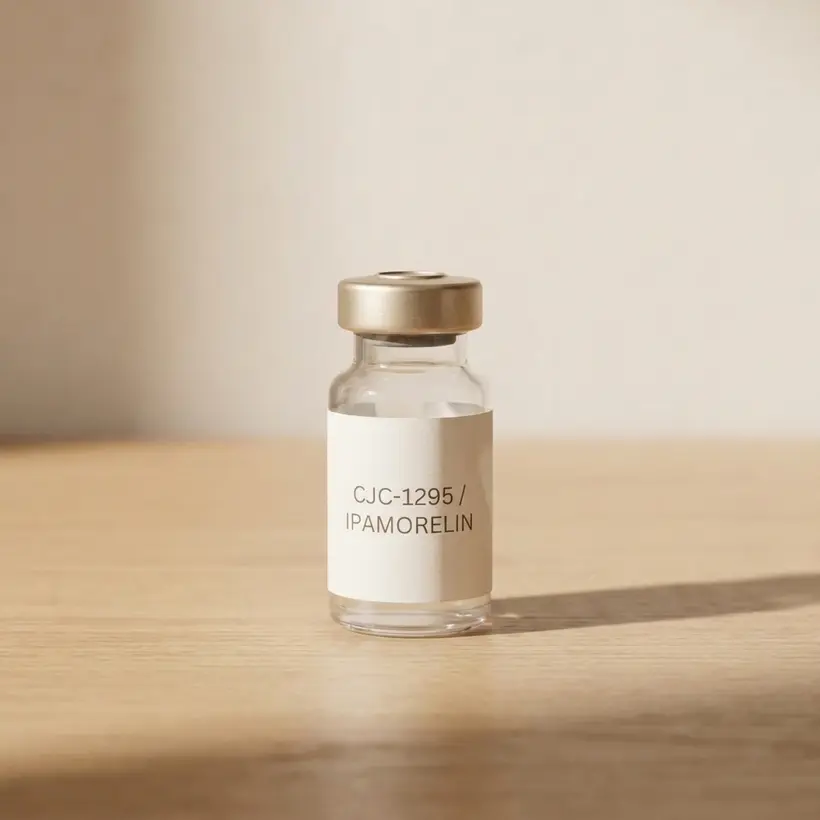
From the FormBlends catalog
CJC-1295 / Ipamorelin Blend
The gold standard growth hormone secretagogue stack · From $69/mo · compounded by a licensed 503A pharmacy, dispensed only after provider review.
Learn about CJC-1295 / Ipamorelin Blend →- No serious adverse events attributable to the peptide in any published trial
- Most common side effects: injection site reactions, headache, water retention, facial flushing
- All side effects classified as mild to moderate and transient
- No significant changes in glucose metabolism, thyroid function, or cortisol levels at therapeutic doses
Cjc-1295 side effects men cjc-1295 side effects women
Limitations of Current Research
- Most studies involve relatively small sample sizes (20 to 50 participants)
- Phase III trials haven't been completed
- Long-term safety data beyond 1 to 2 years is limited in published literature
- Most research uses the DAC formulation. fewer published trials exist for the non-DAC version specifically
- Head-to-head comparisons with other GH-releasing agents are limited
Frequently Asked Questions
What have clinical trials shown about CJC-1295?
Clinical trials have demonstrated that CJC-1295 produces significant, dose-dependent increases in growth hormone and IGF-1 levels in healthy adults. Phase I and II studies showed sustained GH elevation with the DAC formulation and favorable safety profiles across all tested doses.
Is there research on CJC-1295 for body composition?
Yes. Research has shown that CJC-1295-driven GH elevation leads to reductions in body fat and improvements in lean body mass. These effects are consistent with the known actions of growth hormone on fat metabolism and protein synthesis. cjc-1295 benefits
How strong is the evidence for CJC-1295?
The evidence base includes multiple published clinical trials, primarily Phase I and II studies, with consistent findings on safety and efficacy for GH stimulation. Large-scale Phase III trials haven't been completed, which is why CJC-1295 hasn't received FDA approval. is cjc-1295 fda approved
Evidence-Based Care
We believe in transparency about what the research shows and where the evidence gaps are. Our physicians use the available data, combined with clinical experience, to build protocols that are both evidence-informed and individually tailored. If you have questions about the research, our team is happy to discuss it.
Start your consultation at FormBlends.com
Ready when you are
CJC-1295 / Ipamorelin Blend
The gold standard growth hormone secretagogue stack · From $69/mo · compounded by a licensed 503A pharmacy, dispensed only after provider review.
Learn about CJC-1295 / Ipamorelin Blend →