Key Takeaway
GH peptides for women deserve their own discussion. This GH peptides women dosing resource covers the important information you need to make informed decisions. Women's hormonal field is different, their GH decline follows a different pattern, and their goals often emphasize different outcomes.
GH peptides for women deserve their own discussion. This GH peptides women dosing resource covers the important information you need to make informed decisions. Women's hormonal field is different, their GH decline follows a different pattern, and their goals often emphasize different outcomes. Yet most peptide content online is written with men in mind. This guide addresses women-specific dosing, benefits, and considerations for GH peptide therapy. weight loss peptides: combining semaglutide with hormone therapy in 2026.
Key Takeaways: - Learn how gh peptides benefit women specifically - Women-Specific Dosing Guidelines - Menopause and GH Peptide Therapy - Safety Considerations for Women
Women naturally produce GH differently than men. Estrogen enhances GH secretion, which means GH levels shift with menstrual cycles, pregnancy, and menopause. Understanding this hormonal interplay helps you get the most from GH peptide therapy.
How GH Peptides Benefit Women Specifically
Women experience many of the same GH decline symptoms as men, but some effects hit differently due to hormonal differences.
Body composition: Women tend to accumulate fat in different patterns than men, particularly around hips, thighs, and after menopause, the abdomen. GH peptides promote fat mobilization and may help address stubborn fat deposits that resist diet and exercise.
Skin and hair: Many women prioritize skin quality and hair health. GH peptides consistently improve skin hydration, elasticity, and thickness. Some women report improved hair growth and reduced thinning.
Bone density: Women face significantly higher osteoporosis risk, especially after menopause. GH supports bone remodeling and may complement other bone-protective strategies.
Sleep quality: Sleep disruption is common during perimenopause and menopause. GH peptides often produce dramatic sleep quality improvements, which benefit overall hormonal balance.
Menstrual cycle considerations: GH peptide response may vary across your cycle. Some women notice slightly different effects during different phases. Track your injections and symptoms relative to your cycle for useful data.
Learn about that works well for both women and men.
Women-Specific Dosing Guidelines
Women generally respond well to lower doses than men, though individual variation is significant.
Free Download: Protocol Planner Women-specific protocol templates with dosing, cycle tracking, and lab monitoring schedules. Get yours free) we'll email it to you instantly. [Download Your Free Protocol Planner]
CJC-1295 + Ipamorelin (standard stack for women): - CJC-1295 (Mod GRF 1-29): 100mcg per injection - Ipamorelin: 100-200mcg per injection (many women do well at 100mcg) - Frequency: once daily at bedtime - Start at the lower dose and increase based on response and labs
Sermorelin for women: - 200-300mcg at bedtime (lower range than typical male dosing) - Well-tolerated with decades of safety data
MK-677 for women: - 10-15mg daily (lower range than typical male dosing) - Monitor appetite increase carefully - Blood sugar monitoring is especially important
Protocol duration and cycling: - Same cycling protocols as men: 3 months on, 1 month off - During perimenopause/menopause, some providers maintain longer protocols with regular monitoring - Adjust timing around HRT guide if applicable
Pregnancy and breastfeeding: GH peptides should be discontinued during pregnancy and breastfeeding. If you're planning to become pregnant, discuss timeline with your provider.
Track your protocol in the alongside menstrual cycle data if applicable.
Menopause and GH Peptide Therapy
Menopause creates a double decline: both estrogen and GH drop significantly. This combination accelerates aging-related changes.
From the FormBlends catalog
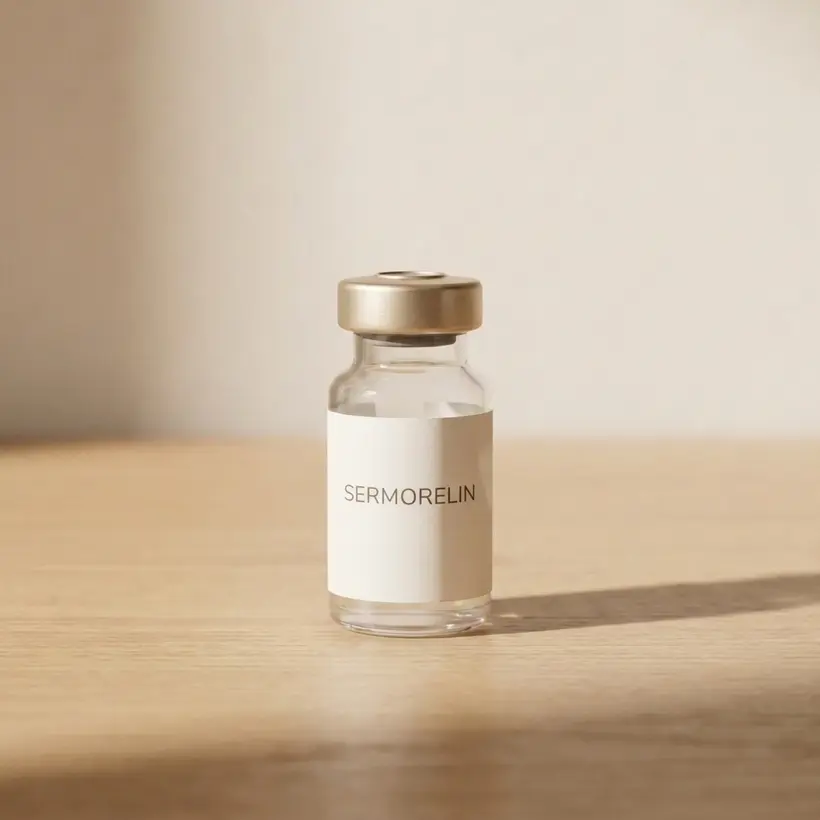
Sermorelin
Bioidentical GHRH analog for natural growth hormone pulsatility · From $175/mo · compounded by a licensed 503A pharmacy, dispensed only after provider review.
View Sermorelin →Why menopause amplifies GH decline: Estrogen stimulates GH release. When estrogen falls at menopause, GH production declines even further than age alone would predict. This contributes to the accelerated body composition changes, bone loss, and skin aging many women experience post-menopause.
GH peptides may help address: Increased abdominal fat accumulation after menopause, accelerated bone density loss, sleep disruption and insomnia, skin thinning and loss of elasticity, reduced exercise recovery and energy.
Combining with HRT: Many women use GH peptides alongside hormone replacement therapy. These therapies complement each other. Estrogen replacement helps restore the hormonal environment that supports GH release, while GH peptides directly stimulate additional GH production. Coordinate both therapies with your provider.
Lab monitoring for menopausal women: Standard GH peptide labs plus estradiol, FSH, and bone density screening (DEXA). Your will design a in-depth monitoring plan.
Read about if you're considering multiple therapies.
Safety Considerations for Women
Breast health: GH and IGF-1 are growth factors. Women should maintain current breast cancer screening recommendations. Discuss personal and family breast cancer risk with your provider before starting GH peptides. Women with a history of hormone-sensitive cancers should exercise caution.
Reproductive considerations: GH peptides may theoretically affect fertility, though this hasn't been well-studied. Women trying to conceive should discuss timing with their provider. Discontinue peptides during pregnancy.
Thyroid interactions: Women have higher rates of thyroid disorders. GH can affect thyroid hormone metabolism. Ensure thyroid function is improved before starting and monitor during treatment.
Bone health monitoring: Request baseline DEXA scan and repeat annually if bone density is a goal. GH peptides alone aren't sufficient treatment for osteoporosis. they may complement standard treatments.
Frequently Asked Questions
Do women need lower doses of GH peptides than men?
Many women respond well to lower doses, but this is individual. Body weight, baseline GH levels, and goals all factor into dosing. Start at the lower end and adjust based on lab results and clinical response.
Can GH peptides help with perimenopause symptoms?
GH peptides may help with sleep quality, body composition, and energy levels during perimenopause. They don't address hot flashes or other estrogen-specific symptoms. Full hormone management often works best.
Will GH peptides affect my menstrual cycle?
There are no well-documented effects of GH peptides on menstrual regularity at standard therapeutic doses. But any hormonal intervention has the potential to cause changes. Track your cycle and report any irregularities to your provider.
Are GH peptides safe for women taking birth control?
There are no known interactions between GH peptides and hormonal contraceptives. Inform your provider about all medications including birth control.
Your Personalized Plan Is Waiting
No two patients are the same, and your protocol shouldn't be either. FormBlends providers create customized treatment plans based on your health profile, goals, and preferences.
Sources &. References
- Ionescu M, Frohman LA. Pulsatile secretion of growth hormone (GH) persists during continuous stimulation by CJC-1295, a long-acting GH-releasing hormone analog. J Clin Endocrinol Metab. 2006;91(12):4792-4797. Doi:10.1210/jc.2006-1702
This article is for educational purposes only and doesn't constitute medical advice. Always consult with a licensed healthcare provider before starting, changing, or stopping any medication or supplement. FormBlends connects you with licensed providers who can evaluate your individual health needs.
Last updated: 2026-03-24
Ready when you are
Sermorelin
Bioidentical GHRH analog for natural growth hormone pulsatility · From $175/mo · compounded by a licensed 503A pharmacy, dispensed only after provider review.
View Sermorelin →