Key Takeaway
Before starting any peptide protocol, you should understand the potential growth hormone peptide side effects. Every medication carries some risk, and GH peptides are no exception. Most side effects are mild and manageable when these peptides are prescribed and monitored by a licensed provider.
Before starting any peptide protocol, you should understand the potential growth hormone peptide side effects. Every medication carries some risk, and GH peptides are no exception. Most side effects are mild and manageable when these peptides are prescribed and monitored by a licensed provider.
Key Takeaways: - Common Side Effects of GH Peptides - Less Common Side Effects - Rare but Serious Side Effects - Learn how to minimize side effects
This guide walks you through the common, less common, and rare side effects, plus what to watch for and when to contact your provider.
Common Side Effects of GH Peptides
The most frequently reported side effects of growth hormone peptides tend to be mild and often resolve on their own within the first few weeks of therapy. Here is what you're most likely to encounter.
Injection site reactions. Redness, mild swelling, or itching at the injection site are the most common side effects across all GH peptides. These usually last 15 to 30 minutes and diminish as your body adjusts. Rotating injection sites helps minimize this reaction.
Headache. Mild headaches are reported by some users, particularly during the first week. This may be related to the increase in GH activity. Staying hydrated and using over-the-counter pain relief as needed usually resolves the issue. If headaches persist, talk to your provider about dose adjustment.
Flushing and warmth. A temporary feeling of warmth or flushing, especially in the face and upper body, can occur shortly after injection. This is related to the peptide's effects on blood flow and typically lasts 10 to 20 minutes.
"What makes tirzepatide particularly interesting is the dual GIP/GLP-1 mechanism. We're seeing that GIP receptor activation appears to amplify the metabolic effects in ways we didn't fully anticipate from the preclinical data.") Dr. Ania Jastreboff, MD, PhD, Yale School of Medicine, lead author of SURMOUNT-1[1]
Water retention. Mild water retention is common with any intervention that raises growth hormone levels. You may notice slightly swollen fingers, ankles, or face, especially in the first 2 to 4 weeks. This usually resolves as your body adapts. If it persists, your provider may adjust your dose.
Increased hunger. While Ipamorelin causes minimal appetite changes, other GH secretagogues like GHRP-6 and GHRP-2 can stimulate significant hunger. This is because they activate ghrelin receptors. If hunger management is a concern, discuss peptide selection with your provider. For nutrition support, our can help.
Less Common Side Effects
These side effects are reported less frequently but are important to be aware of. They typically indicate that your dose may need adjustment.

Tingling or numbness in hands and feet. This sensation, sometimes described as pins and needles, can occur when GH levels rise significantly. It's related to fluid shifts and nerve compression, similar to carpal tunnel syndrome. If it happens occasionally and resolves quickly, it's usually not concerning. If it becomes persistent or painful, contact your provider.
Joint stiffness or pain. improved GH can increase fluid retention in joints, leading to temporary stiffness or discomfort. This is more common at higher doses and in older patients. Reducing the dose usually resolves the issue.
improved blood sugar. Growth hormone has anti-insulin effects. It can raise fasting blood glucose, especially in people who are already insulin resistant or prediabetic. This is why your provider monitors fasting glucose and HbA1c during your protocol. If you have diabetes or prediabetes, GH peptide therapy requires careful medical supervision.
Dizziness or lightheadedness. Some users experience brief dizziness after injection, particularly if they stand up quickly. Injecting while seated and remaining seated for a few minutes afterward can help.
Vivid dreams or changes in sleep patterns. While most people report improved sleep on GH peptides, some experience unusually vivid dreams or temporary sleep disruption during the adjustment period. This typically normalizes within 1 to 2 weeks.
Free Download: Peptide Protocol Planner (12-Week) Track your protocol and log any side effects with our 12-week planner. Includes a dedicated side effect diary, dose log, and lab tracking sheets. Get yours free (we'll email it to you instantly.
[Download CTA Button]
Rare but Serious Side Effects
Serious side effects from GH peptides are rare when used under medical supervision at appropriate doses. But you should be aware of these possibilities.
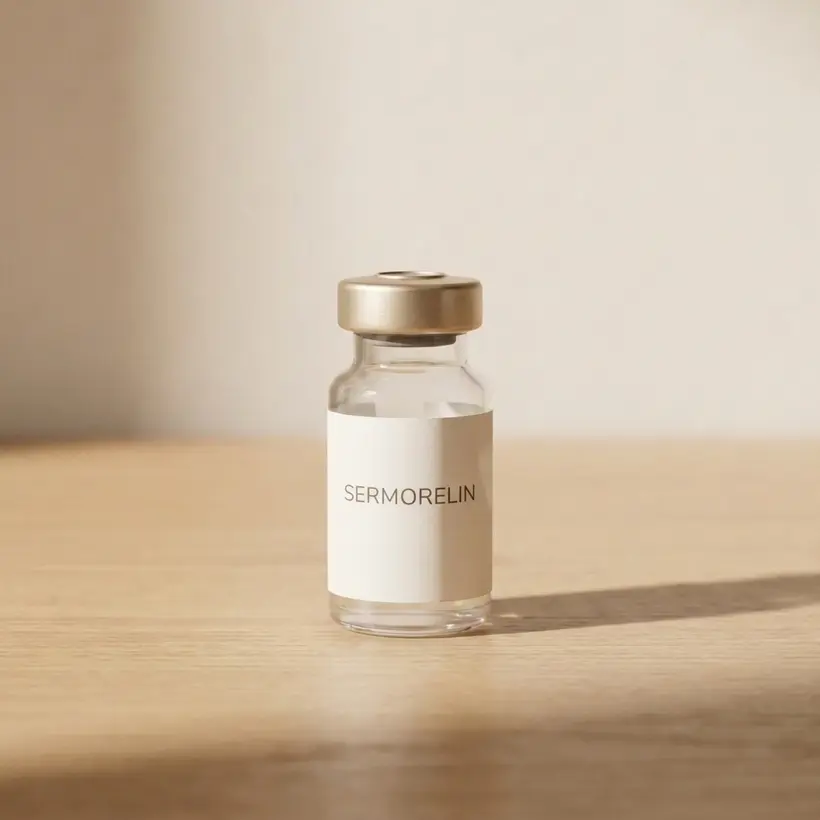
From the FormBlends catalog
Sermorelin
Bioidentical GHRH analog for natural growth hormone pulsatility · From $175/mo · compounded by a licensed 503A pharmacy, dispensed only after provider review.
View Sermorelin →Significant edema. While mild water retention is common, significant swelling in the limbs, face, or abdomen could indicate an excessive GH response. Report this to your provider promptly. Dose reduction or temporary discontinuation usually resolves the issue.
Carpal tunnel syndrome. Persistent numbness, tingling, or weakness in the hands may indicate compression of the median nerve. This is more common with high-dose or prolonged GH elevation. Your provider may recommend a dosing break or reduction.
Potential effects on insulin sensitivity. Prolonged GH elevation can worsen insulin resistance over time. This is one reason providers monitor metabolic markers and recommend cycling protocols rather than continuous use. If you notice increased thirst, frequent urination, or unexplained fatigue, contact your provider immediately.
Theoretical cancer risk. There's an ongoing scientific discussion about whether improved IGF-1 levels could theoretically promote the growth of existing cancers. Current evidence doesn't show that GH peptides cause cancer. But they aren't prescribed to people with active malignancies. If you have a history of cancer, discuss the risks and benefits carefully with your oncologist and your peptide provider.
When side effects occur, the response is usually straightforward: dose reduction, temporary discontinuation, or switching to a different peptide. This is why working with a licensed provider matters. They can monitor your labs, adjust your protocol, and catch problems early.
For context on how different peptide options compare, check out our and our .
How to Minimize Side Effects
You have significant control over how you experience side effects. Here are practical strategies.
Start low, go slow. Most providers begin with conservative dosing and titrate up gradually. This gives your body time to adjust and allows you to identify your optimal dose without overshooting.
Stay hydrated. Many GH peptide side effects, including headaches, water retention, and joint stiffness, are worsened by dehydration. Drink at least 64 ounces of water daily, more if you exercise heavily.
Time your injections correctly. Bedtime dosing on an empty stomach reduces the likelihood of blood sugar spikes and digestive discomfort. Follow your provider's timing recommendations closely.
Monitor and communicate. Use the to log your doses, side effects, and overall well-being each day. Share this data with your provider at check-ins. Patterns in your log can help your provider fine-tune your protocol.
Don't self-adjust. If you experience side effects, contact your provider before changing your dose. Stopping abruptly or changing doses without guidance can lead to inconsistent results or rebound effects.
Get your labs done. Follow-up lab work isn't optional. Your IGF-1, fasting glucose, and other markers tell your provider how your body is responding. Skipping labs increases the risk of undetected issues.
Want to know more about your GLP-1 options? to explore how different therapies might work together.
Frequently Asked Questions
Are GH peptide side effects worse than HGH side effects?
GH peptides generally cause fewer and milder side effects than exogenous HGH because they work through your body's natural regulatory mechanisms. Your pituitary still controls the overall GH output, which prevents extreme spikes. But individual responses vary.
How long do GH peptide side effects last?
Most common side effects resolve within the first 1 to 2 weeks as your body adjusts. If side effects persist beyond 2 to 3 weeks, your provider will typically adjust your dose or switch peptides.
Can I take GH peptides if I have diabetes?
GH peptides can affect blood sugar and insulin sensitivity. People with diabetes or prediabetes can potentially use GH peptides but require closer monitoring, including more frequent glucose and HbA1c testing. Your provider will determine if the benefits outweigh the risks for your situation.
Do GH peptides interact with other medications?
GH peptides may interact with insulin, diabetes medications, corticosteroids, and thyroid medications. Provide your with a complete list of your current medications before starting a peptide protocol.
Should I stop taking GH peptides if I experience side effects?
Don't stop or change your dose without consulting your provider. Many side effects are temporary and manageable with minor adjustments. Your provider can determine whether a dose change, timing change, or peptide switch is appropriate.
What's Your Next Move?
You have the information. Now let a licensed provider help you put it into action. FormBlends makes it simple) answer a few questions and get a personalized recommendation.
Medical References
- Jastreboff AM, Aronne LJ, Ahmad NN, et al. Tirzepatide Once Weekly for the Treatment of Obesity. N Engl J Med. 2022;387(3):205-216. [PubMed | ClinicalTrials.gov | DOI]
Sources &. References
- Ionescu M, Frohman LA. Pulsatile secretion of growth hormone (GH) persists during continuous stimulation by CJC-1295, a long-acting GH-releasing hormone analog. J Clin Endocrinol Metab. 2006;91(12):4792-4797. Doi:10.1210/jc.2006-1702
This content is provided for informational and educational purposes only. It isn't a substitute for professional medical advice, diagnosis, or treatment. Always seek the advice of a licensed healthcare provider with any questions about a medical condition or treatment plan.
Last updated: 2026-03-24
Ready when you are
Sermorelin
Bioidentical GHRH analog for natural growth hormone pulsatility · From $175/mo · compounded by a licensed 503A pharmacy, dispensed only after provider review.
View Sermorelin →