Key Takeaway
Explore how ipamorelin may support gut health through growth hormone improvement. Learn about the science behind GH, gut motility, intestinal repair, and mucosal integrity.
Quick Answer: Ipamorelin may support gut health through its growth hormone-releasing effects. GH and IGF-1 play roles in maintaining intestinal mucosal integrity, supporting gut motility, and promoting tissue repair. A clinical trial showed ipamorelin accelerated the return of bowel function after abdominal surgery.
What Is Ipamorelin?
Ipamorelin is a selective growth hormone-releasing peptide (GHRP) that stimulates the pituitary gland to release growth hormone (GH) without significantly affecting cortisol, prolactin, or appetite hormones . It acts by binding to the ghrelin receptor (GHS-R1a) on pituitary somatotroph cells, producing a controlled, pulsatile increase in GH levels.
While ipamorelin is most commonly discussed in the context of body composition and anti-aging, its effects on gut health deserve attention. The gastrointestinal tract is one of the most GH-responsive organ systems in the body, and ipamorelin's mechanism of action has direct relevance to digestive function and intestinal health.
Ipamorelin isn't FDA-approved for any medical condition, including gastrointestinal disorders. The information in this guide draws from published research on ipamorelin, growth hormone physiology, and the GH-gut axis.
The Growth Hormone-Gut Connection
Knowing why ipamorelin is relevant to gut health requires understanding the relationship between growth hormone and the gastrointestinal system.
View data table
| Category | Clinical Interest Score | Detail |
|---|---|---|
| BPC-157 | 88 | Tissue repair and gut healing |
| TB-500 | 82 | Injury recovery |
| Sermorelin | 78 | Growth hormone support |
| Ipamorelin | 75 | Anti-aging and recovery |
| GHK-Cu | 70 | Skin and tissue repair |
GH and IGF-1 in Intestinal Health
Growth hormone acts on the liver to produce insulin-like growth factor 1 (IGF-1), which is one of the primary mediators of GH's effects throughout the body. The intestinal epithelium (the lining of the gut) is rich in IGF-1 receptors, making it highly responsive to GH signaling.
IGF-1 promotes:
- Proliferation of intestinal epithelial cells
- Enhanced nutrient absorption
- Maintenance of the intestinal mucosal barrier
- Repair of damaged gut lining
Research has shown that GH and IGF-1 support intestinal adaptation, the process by which the gut compensates for damage or surgical resection by increasing its absorptive capacity.
Ghrelin Receptor Signaling in the GI Tract
Ipamorelin's target receptor, the ghrelin receptor (GHS-R1a), isn't only found in the pituitary. It's also expressed throughout the gastrointestinal tract, including the stomach, small intestine, and colon . Activation of this receptor in the gut is associated with:
- Stimulation of gastric motility
- Regulation of gastric acid secretion
- Modulation of intestinal inflammation
- Support of gut-brain axis communication
This dual action, both centrally (at the pituitary, increasing GH) and peripherally (directly in the gut), makes ipamorelin particularly interesting from a gastroenterological perspective.
Ipamorelin and Gut Motility
The most direct clinical evidence for ipamorelin's gut health benefits comes from research on gastrointestinal motility.
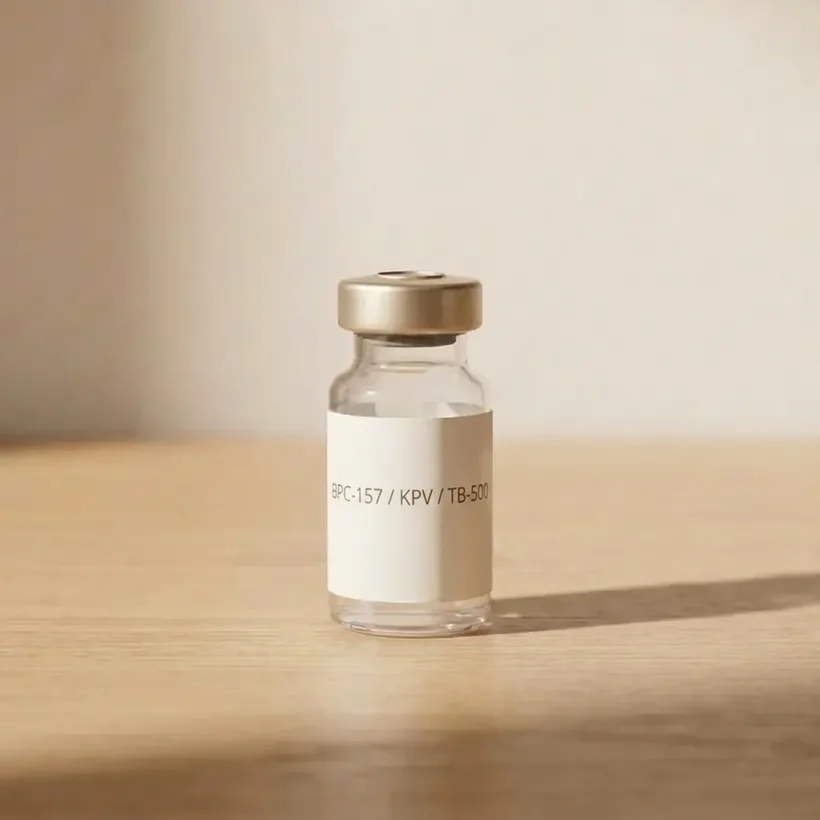
From the FormBlends catalog
BPC-157 / KPV / TB-500 Blend
Three-pathway recovery support in one peptide blend · From $279/mo · compounded by a licensed 503A pharmacy, dispensed only after provider review.
View BPC-157 / KPV / TB-500 Blend →Post-Surgical Bowel Function
A phase II clinical trial studied ipamorelin in patients recovering from abdominal surgery. Postoperative ileus (POI), a temporary paralysis of the bowel that commonly follows abdominal surgery, is a significant clinical problem that delays recovery and increases hospital stays.
The study found that ipamorelin significantly accelerated the return of normal bowel function compared to placebo. Patients treated with ipamorelin experienced faster time to first bowel movement and earlier tolerance of solid food.
This prokinetic effect (the ability to stimulate gut motility) is mediated through ghrelin receptor activation in the gastrointestinal tract, which stimulates the migrating motor complex (MMC), the wave-like muscular contractions that move contents through the digestive system.
Relevance Beyond Surgery
While the clinical trial was conducted in post-surgical patients, the prokinetic mechanism has broader implications. Impaired gut motility is a feature of many digestive complaints, including:
- Gastroparesis (delayed stomach emptying)
- Functional constipation
- Small intestinal bacterial overgrowth (SIBO), which is often associated with reduced MMC activity
- Irritable bowel syndrome (IBS) with constipation
The connection between impaired MMC function and SIBO is particularly noteworthy. The MMC serves as the gut's "housekeeper," sweeping bacteria and food debris through the small intestine between meals. When the MMC is impaired, bacteria can accumulate in the small intestine, leading to overgrowth and associated symptoms.
Ipamorelin and Intestinal Barrier Function
The intestinal barrier is a single-cell-thick lining that separates the contents of the gut from the bloodstream. When this barrier is compromised (sometimes called "increased intestinal permeability" or colloquially "leaky gut"), bacteria, toxins, and undigested food particles can enter the bloodstream and trigger immune responses.
GH and IGF-1 support intestinal barrier function through several mechanisms:
- Epithelial cell renewal: The gut lining is one of the fastest-renewing tissues in the body, with cells turning over every 3 to 5 days. GH and IGF-1 support this rapid renewal process.
- Tight junction integrity: IGF-1 has been shown to support the expression and maintenance of tight junction proteins, which form the seals between epithelial cells.
- Mucosal blood flow: GH promotes angiogenesis and blood flow to the gut mucosa, supporting the delivery of nutrients and immune cells to the intestinal lining.
By improving GH levels, ipamorelin may indirectly support these barrier maintenance processes. This is particularly relevant for individuals dealing with conditions associated with increased intestinal permeability.
Ipamorelin and Gut Inflammation
Chronic intestinal inflammation is a hallmark of conditions like inflammatory bowel disease (IBD), IBS, and food sensitivities. While ipamorelin hasn't been studied directly in these conditions, the GH-IGF-1 axis plays a role in modulating intestinal inflammation.
Research has shown that GH and IGF-1 can:
- Reduce pro-inflammatory cytokine expression in intestinal tissue
- Support mucosal healing in damaged intestinal segments
- Promote regulatory T cell function in the gut-associated lymphoid tissue (GALT)
Ghrelin receptor activation has been shown to have anti-inflammatory effects in animal models of colitis, reducing tissue damage and inflammatory markers . Since ipamorelin activates this same receptor, there's a reasonable mechanistic basis for potential anti-inflammatory effects in the gut.
Ipamorelin in Gut Health Protocols
Some clinicians incorporate ipamorelin into thorough gut health protocols, often alongside other interventions. Common pairing strategies include:
- Ipamorelin with BPC-157: BPC-157 is a peptide derived from human gastric juice with extensive preclinical evidence for gut healing. Some protocols combine ipamorelin's GH-mediated support with BPC-157's direct gut-healing properties for a multi-pathway approach.
- Ipamorelin with dietary interventions: Elimination diets, low-FODMAP protocols, and gut-healing nutritional strategies may be enhanced by the tissue-repair support that improved GH levels provide.
- Ipamorelin with probiotics and prebiotics: Supporting a healthy microbiome alongside GH improvement addresses gut health from both structural and microbial perspectives.
These combination approaches should always be designed and monitored by a qualified physician.
Safety and Side Effects
Ipamorelin is considered one of the most well-tolerated growth hormone secretagogues. Common side effects are generally mild and may include headache, transient flushing, mild water retention, and injection site reactions. Gastrointestinal side effects are uncommon with ipamorelin specifically.
Because ipamorelin doesn't significantly raise cortisol (a hormone that can negatively affect gut barrier function), it avoids a pitfall associated with some other GHRPs.
For thorough safety information, read our Ipamorelin side effects guide.
How FormBlends Can Help
At FormBlends, we believe that peptide therapy should be guided by science and supervised by physicians. Our telehealth platform connects you with licensed medical providers who can evaluate whether ipamorelin is appropriate for your gut health goals and design a thorough protocol.
When you work with us, you receive:
- A personalized consultation with a licensed physician
- Pharmaceutical-grade peptides from licensed pharmacies
- Ongoing medical supervision and dosage guidance
- Clear, science-backed information to support your decisions
We don't believe in one-size-fits-all protocols. Your physician will consider your complete health picture, including digestive symptoms, medical history, and wellness goals before recommending any peptide therapy.
Frequently Asked Questions
Can ipamorelin help with SIBO?
Ipamorelin's prokinetic effects (stimulation of gut motility through ghrelin receptor activation) may be relevant for SIBO, since impaired migrating motor complex function is a recognized contributing factor. But ipamorelin hasn't been studied specifically for SIBO treatment. It may play a supportive role within a thorough treatment plan designed by your physician.
Is ipamorelin better than BPC-157 for gut health?
They work through different mechanisms and aren't directly comparable. BPC-157 has more extensive preclinical data specifically for gut healing and tissue repair. Ipamorelin works through GH improvement and prokinetic effects. Some clinicians use them together for complementary benefits. Your physician can advise on the best approach for your situation.
Does ipamorelin cause stomach issues?
Gastrointestinal side effects are uncommon with ipamorelin. Unlike GHRP-6, which can cause nausea and intense hunger through strong ghrelin receptor agonism, ipamorelin's more selective binding profile generally avoids significant GI discomfort.
How long does it take for ipamorelin to improve gut health?
Prokinetic effects on gut motility may be noticeable relatively quickly, within days to weeks. Improvements related to intestinal barrier repair, inflammation reduction, and overall GI function may take longer, typically 4 to 12 weeks. Individual timelines vary. See our Ipamorelin before and after guide for a broader timeline.
Is ipamorelin FDA-approved for gut health?
No. Ipamorelin isn't FDA-approved for any medical condition, including gastrointestinal disorders. It's available through compounding pharmacies under physician supervision for individual patient use.
Ready to Learn More?
If you're interested in exploring whether ipamorelin may support your gut health goals, FormBlends can connect you with a licensed physician for a personalized consultation. Our team is here to help you make informed decisions backed by science and guided by medical expertise.
Disclaimer: This article is for informational purposes only and doesn't constitute medical advice. Ipamorelin isn't FDA-approved for any medical condition, including gastrointestinal disorders. The information presented here is based on available research and shouldn't be used as a substitute for professional medical guidance. Always consult with a licensed healthcare provider before beginning any peptide therapy. Individual results may vary. FormBlends doesn't claim that ipamorelin cures, treats, or prevents any disease.
Ready when you are
BPC-157 / KPV / TB-500 Blend
Three-pathway recovery support in one peptide blend · From $279/mo · compounded by a licensed 503A pharmacy, dispensed only after provider review.
View BPC-157 / KPV / TB-500 Blend →