Key Takeaway
Is it safe to combine Ipamorelin with GLP-1 medications? Review drug interaction safety, side effects, contraindications, and monitoring requirements.
Ipamorelin and GLP-1 receptor agonist medications have no known direct drug interaction. They operate through entirely separate receptor systems, are metabolized independently, and don't alter each other's effectiveness or safety profile. With proper physician oversight and monitoring, this combination is considered safe for appropriate candidates .
How Ipamorelin Works in the Body
Ipamorelin is a pentapeptide that binds to growth hormone secretagogue receptors (GHS-R), also known as ghrelin receptors, located on the pituitary gland. This binding stimulates a controlled release of growth hormone into the bloodstream .
Ipamorelin's safety advantage over older GH secretagogues lies in its specificity. It activates the GH pathway without triggering significant releases of cortisol, aldosterone, or prolactin. This selectivity means fewer hormonal side effects and a cleaner overall profile .
Common side effects are mild and typically transient:
- Mild headache (first one to two weeks)
- Light water retention in hands or feet
- Tingling sensations (a normal GH effect)
- Minor injection site reactions
How GLP-1 Medications Work in the Body
GLP-1 receptor agonists (semaglutide, tirzepatide, liraglutide) mimic the incretin hormone GLP-1 to reduce appetite, slow gastric emptying, and improve blood sugar regulation. They bind to GLP-1 receptors in the brain, pancreas, and gut .
View data table
| Category | Clinical Interest Score | Detail |
|---|---|---|
| BPC-157 | 88 | Tissue repair and gut healing |
| TB-500 | 82 | Injury recovery |
| Sermorelin | 78 | Growth hormone support |
| Ipamorelin | 75 | Anti-aging and recovery |
| GHK-Cu | 70 | Skin and tissue repair |

These medications have been studied extensively in large clinical trials and carry well-established safety profiles. Common side effects include:
- Nausea (especially during titration)
- Diarrhea or constipation
- Reduced appetite (therapeutic effect)
- Abdominal discomfort
Serious but rare risks include pancreatitis, gallbladder disease, and a boxed warning about thyroid C-cell tumors based on rodent studies .
Why There Is No Direct Interaction
Drug interactions typically occur when two compounds share the same receptor, compete for the same metabolic enzyme, or alter each other's absorption or clearance. None of these conditions apply to Ipamorelin and GLP-1 medications.
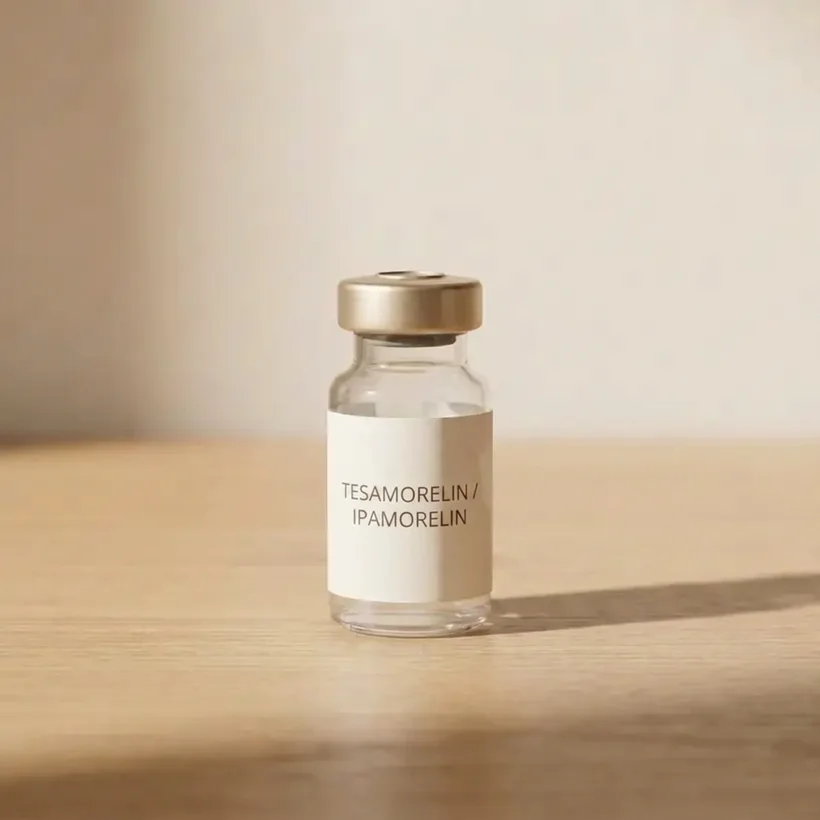
From the FormBlends catalog
Tesamorelin / Ipamorelin Blend
Growth-hormone pathway support in one blend · From $299/mo · compounded by a licensed 503A pharmacy, dispensed only after provider review.
View Tesamorelin / Ipamorelin Blend →Here is the breakdown:
- Receptor systems: Ipamorelin binds GHS-R on the pituitary. GLP-1 medications bind GLP-1R in the brain and gut. No overlap exists.
- Metabolism: Ipamorelin is degraded through general peptide proteolysis. GLP-1 medications are metabolized through their own specific pathways (fatty acid oxidation for semaglutide, peptide cleavage for others). No enzyme competition.
- Absorption: Both are subcutaneous injections administered at different times and sites. Neither affects the bioavailability of the other.
Indirect Considerations Worth Monitoring
While no direct interaction exists, a few physiological overlaps deserve attention from your prescribing physician:
Blood Sugar Dynamics
GLP-1 medications lower blood sugar through improved insulin sensitivity and incretin signaling. Growth hormone has a mild counter-regulatory effect on insulin, meaning it can slightly raise blood sugar at improved levels . At the doses of GH produced by Ipamorelin, this effect is generally negligible. But patients with diabetes, pre-diabetes, or insulin resistance should have their glucose and HbA1c checked more frequently when using both compounds .
Fluid Balance
Growth hormone promotes sodium and water retention, which can cause mild swelling in the hands, feet, or face. GLP-1 medications don't typically cause fluid retention, but if you're experiencing dehydration from reduced food intake or GI side effects, the combination could exacerbate fluid shifts. Staying well-hydrated helps manage this.
Appetite Signaling
Ipamorelin acts on ghrelin receptors, which are associated with hunger. But Ipamorelin's ghrelin receptor activation primarily triggers GH release rather than hunger signaling. Most patients don't experience increased appetite from Ipamorelin, and the powerful appetite suppression from GLP-1 medications generally dominates. Still, any unexpected changes in appetite should be discussed with your physician.
Contraindications for the Combination
This combination should be avoided in patients with:
- Active malignancy or a history of cancer where GH stimulation is inappropriate
- Personal or family history of medullary thyroid carcinoma
- Multiple Endocrine Neoplasia syndrome type 2
- Active or recent pancreatitis
- Severe hepatic or renal impairment
- Pregnancy or breastfeeding
- Known hypersensitivity to Ipamorelin or any GLP-1 medication
Monitoring Protocol for Safety
At FormBlends, we follow a structured monitoring approach for all patients on combination peptide therapy:
Baseline (before starting):
- thorough metabolic panel
- HbA1c and fasting glucose
- IGF-1
- Lipid panel
- Thyroid function (TSH, free T4)
- CBC
6 to 8 weeks:
- Repeat metabolic panel and fasting glucose
- IGF-1 (to assess GH stimulation from Ipamorelin)
- Symptom review and dose adjustment
Every 3 to 4 months ongoing:
- Full lab panel repeat
- Body composition assessment
- Protocol review and adjustment
Lab monitoring at FormBlends
Side Effects: What to Expect and What to Report
Most patients tolerate this combination well. Expected side effects are generally those of each peptide individually, and combining them doesn't appear to increase the severity or frequency of adverse events .
Contact your physician if you experience:
- Persistent or worsening nausea or vomiting
- Severe abdominal pain (could indicate pancreatitis)
- Significant swelling that doesn't resolve
- Signs of low blood sugar (shakiness, confusion, excessive sweating)
- A lump or pain in the neck area
- Any symptom that feels unusual or concerning
Frequently Asked Questions
Can Ipamorelin reduce the effectiveness of my GLP-1 medication?
No. Ipamorelin doesn't interfere with GLP-1 receptor activation. Your GLP-1 medication will work exactly the same with or without Ipamorelin in your protocol.
Is this combination safe for patients with type 2 diabetes?
It can be, with careful physician management. GLP-1 medications are FDA-approved for type 2 diabetes, and Ipamorelin's mild GH stimulation is generally not enough to disrupt glucose control. But blood sugar should be monitored more closely in diabetic patients using both compounds .
Do I need to tell my primary care doctor about this combination?
Yes. We always recommend that all of your healthcare providers are aware of every medication and supplement you're using. This helps ensure coordinated care and prevents any oversight in your overall treatment plan.
What if I experience side effects? How do I know which peptide is causing them?
This is why we recommend a staggered start. By beginning your GLP-1 medication first and adding Ipamorelin later, you can identify the source of side effects more easily. If a new symptom appears after adding Ipamorelin, it's likely attributable to that compound.
Safe Peptide Therapy Starts with the Right Physician
At FormBlends, patient safety is the foundation of every protocol we design. Our physicians review your full health history, medications, and lab work before recommending any combination therapy. If Ipamorelin and a GLP-1 medication are right for you, we will monitor you throughout treatment to ensure everything stays on track. schedule consultation
Ready when you are
Tesamorelin / Ipamorelin Blend
Growth-hormone pathway support in one blend · From $299/mo · compounded by a licensed 503A pharmacy, dispensed only after provider review.
View Tesamorelin / Ipamorelin Blend →