Key Takeaway
How Pentosan Polysulfate reduces inflammation through complement inhibition, joint-specific anti-inflammatory effects, and enzyme suppression.
Quick Answer: Pentosan Polysulfate for inflammation is effective specifically in joint tissues. PPS reduces inflammation through complement inhibition, suppression of inflammatory mediator production, and reduction of cartilage-degrading enzyme activity. It isn't a systemic anti-inflammatory like NSAIDs or KPV, but rather a targeted joint anti-inflammatory with the added benefit of cartilage protection. For systemic inflammation, KPV for inflammation and BPC-157 offer broader anti-inflammatory effects .
PPS Anti-Inflammatory Mechanisms
- Complement inhibition: PPS inhibits the complement cascade, a major driver of synovial inflammation
- Enzyme suppression: Inhibits MMPs and aggrecanases that perpetuate inflammatory cartilage destruction
- Synovial inflammation: Reduces inflammatory cell infiltration into the joint capsule
- Fibrinolytic activity: Improves microcirculation by mild blood-thinning effects, reducing ischemia-driven inflammation
PPS vs Systemic Anti-Inflammatories
| Treatment | Joint-Specific | Systemic | Cartilage Protection |
|---|---|---|---|
| PPS | Strong | Mild | Strong |
| KPV | Mild | Strong (gut, skin) | None |
| NSAIDs | Good | Good | May worsen |
| BPC-157 | Moderate | Moderate | Indirect |
Frequently Asked Questions
Is PPS a good anti-inflammatory?
For joint-specific inflammation, PPS is excellent and has the added benefit of cartilage protection. For systemic inflammation (gut, skin, general), other peptides are more appropriate.
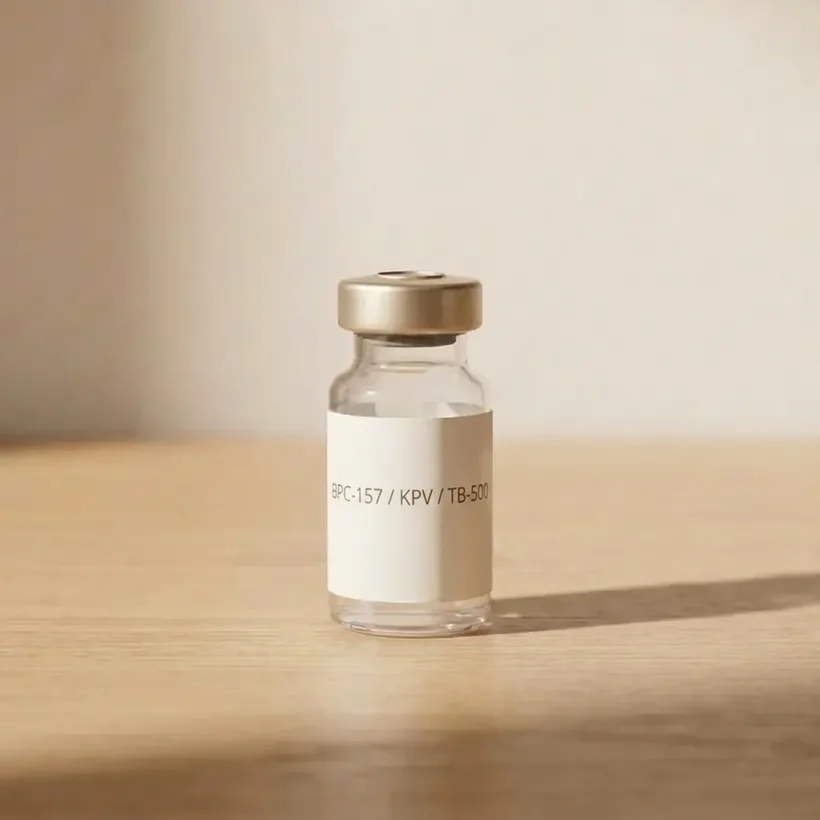
From the FormBlends catalog
BPC-157 / KPV / TB-500 Blend
Three-pathway recovery support in one peptide blend · From $279/mo · compounded by a licensed 503A pharmacy, dispensed only after provider review.
View BPC-157 / KPV / TB-500 Blend →
Can PPS replace NSAIDs?
For many patients with joint inflammation, PPS reduces or eliminates the need for NSAIDs over time. This should be managed under physician guidance.
Target Joint Inflammation
At FormBlends, our physicians recommend the most effective interventions for your specific needs.
Disclaimer: This article is for informational purposes only and doesn't constitute medical advice. Always consult with a licensed healthcare provider. Individual results may vary.
Ready when you are
BPC-157 / KPV / TB-500 Blend
Three-pathway recovery support in one peptide blend · From $279/mo · compounded by a licensed 503A pharmacy, dispensed only after provider review.
View BPC-157 / KPV / TB-500 Blend →