Key Takeaway
You started a peptide protocol. The first few weeks felt great. Then things seemed to slow down. Sound familiar? This is exactly why peptide cycling matters. Running peptides nonstop without breaks can reduce their effectiveness over time.
You started a peptide protocol. The first few weeks felt great. Then things seemed to slow down. Sound familiar? This is exactly why peptide cycling matters. Running peptides nonstop without breaks can reduce their effectiveness over time. Your body adapts, receptors become less responsive, and results plateau. Understanding when and how to cycle off is one of the most important parts of any peptide protocol.
Key Takeaways: - Understand what is peptide cycling and why does it matter - Common Peptide Cycling Schedules - Signs You May Need a Break - Learn how to handle off periods effectively
What Is Peptide Cycling and Why Does It Matter?
Peptide cycling means alternating periods of use with periods of rest. Think of it like interval training for your body's receptor systems.
When you take a peptide consistently, your body's receptors can become desensitized. This is called receptor downregulation. The peptide is still there, but your cells respond less strongly to it. The result? Diminishing returns despite consistent dosing.
Cycling gives your receptors time to reset. After a break, your body becomes responsive again. Many users report that their results actually improve after a well-timed off period.
This concept applies to growth hormone secretagogues like CJC-1295 and Ipamorelin, healing peptides like , and many other compounds prescribed through telehealth providers.
"What makes tirzepatide particularly interesting is the dual GIP/GLP-1 mechanism. We're seeing that GIP receptor activation appears to amplify the metabolic effects in ways we didn't fully anticipate from the preclinical data.") Dr. Ania Jastreboff, MD, PhD, Yale School of Medicine, lead author of SURMOUNT-1[1]
Your provider will design a cycling schedule based on the specific peptides you use, your goals, and your individual response. There's no universal cycling protocol that works for everyone.
Free Download: Wolverine Stack Protocol Card Map out your peptide cycling schedule with our printable protocol card. Includes on/off period tracking and dose logging. Get yours free (we'll email it to you instantly.
[Download CTA Button]
Common Peptide Cycling Schedules
Different peptides require different cycling approaches. Here are some general frameworks that providers commonly prescribe.
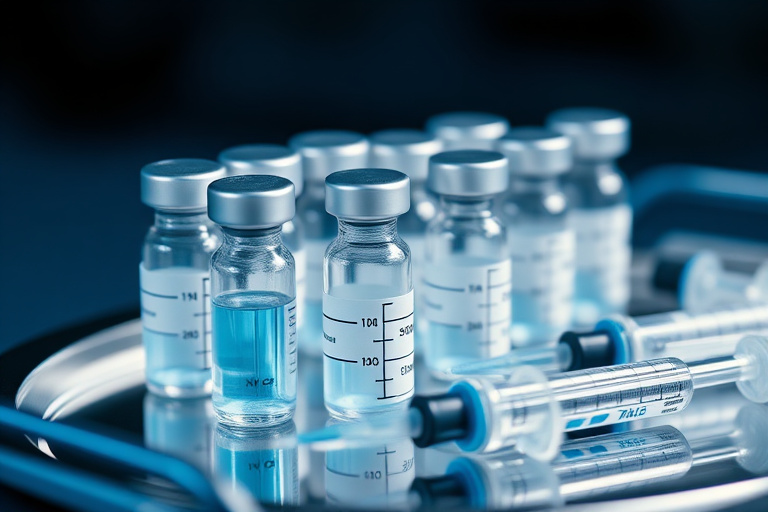
Growth Hormone Peptides (CJC-1295/Ipamorelin): A common pattern is 8-12 weeks on, followed by 4 weeks off. Some providers prescribe a 5-days-on, 2-days-off weekly schedule instead. The goal is to prevent your pituitary gland from becoming lazy about natural GH production.
Healing Peptides (BPC-157, TB-500): These are often run for a defined treatment period of 4-8 weeks rather than indefinitely. Once healing goals are met, you stop. Some providers recommend a second cycle after a 4-week break if needed.
Stacked Protocols: When running multiple peptides together, like the popular , cycling becomes even more important. Your provider may stagger the start and stop dates so you aren't beginning and ending everything at once.
The lets you set cycle reminders so you never lose track of where you're in your protocol.
Signs You May Need a Break
Your body gives you signals when receptor desensitization is happening. Pay attention to these clues.
Check your GLP-1 eligibility
Use our free BMI Calculator to see if you may qualify for provider-reviewed GLP-1 therapy.
Try the BMI Calculator →Reduced effectiveness is the most obvious sign. If the same dose that worked well for weeks suddenly seems to do nothing, that's a strong indicator your receptors need a reset.
Increased side effects without increased benefits can also signal that it's time for a break. When your body is struggling to process a compound efficiently, side effects may linger even as benefits fade.
Sleep disruption is another red flag, particularly with growth hormone peptides. If your sleep quality drops after weeks of improvement, your GH receptor signaling may be off.
Water retention or bloating that was not present at the start of your cycle can indicate your body isn't processing the peptide the way it was initially.
Keep a log of how you feel each day. The makes this easy with daily check-ins that help you and your provider spot trends before they become problems.
How to Handle Off Periods Effectively
An off period doesn't mean doing nothing. It means being strategic about recovery and maintaining your gains.
Keep training. Your exercise routine should continue during off periods. The work you put in during your on cycle doesn't disappear overnight, but you need to maintain it.
Focus on nutrition. This is actually a great time to dial in your . Good nutrition supports your body's natural peptide production and keeps recovery going even without exogenous peptides.
Track your baseline. Off periods give you valuable data. How do you feel without the peptide? What symptoms return? This information helps your provider adjust your next cycle for better results.
Don't quit cold turkey without guidance. Some protocols require tapering rather than abrupt stops. Always follow your provider's instructions for ending a cycle. If you have questions, before making changes on your own.
Frequently Asked Questions
How long should a peptide off period last?
Most providers recommend 2-4 weeks off for every 8-12 weeks on. But the ideal duration depends on which peptide you're using, your dosage, and your individual response. Your prescribing provider will give you a specific schedule.
Will I lose my results during an off period?
Most gains from peptide use are maintained during short off periods, especially if you continue exercising and eating well. Healing from BPC-157 or TB-500 doesn't reverse when you stop. Growth hormone benefits may dip slightly but typically return quickly when you resume.
Can I switch to a different peptide instead of cycling off?
Some providers use a rotation strategy where you switch between peptides rather than stopping completely. This can work well for certain goals. But it isn't appropriate for all situations. Discuss rotation protocols with your provider before trying this approach.
Do I need to cycle BPC-157 for injury healing?
BPC-157 for acute injury healing is typically prescribed for a set period rather than cycled indefinitely. Most protocols run 4-8 weeks for a specific injury. If healing is incomplete, your provider may recommend a second cycle after a rest period.
How do I track my peptide cycles?
The FormBlends app includes cycle tracking with start and end dates, dose logging, and daily check-ins. You can also use our printable protocol card to map out your schedule in advance.
Let's Make This Happen
The research is clear. The options are available. The only question is whether it's right for you. A FormBlends provider can help you decide) no pressure, no commitment.
Medical References
- Jastreboff AM, Aronne LJ, Ahmad NN, et al. Tirzepatide Once Weekly for the Treatment of Obesity. N Engl J Med. 2022;387(3):205-216. [PubMed | ClinicalTrials.gov | DOI]
Sources &. References
- Sikiric P, Hahm KB, Blagaic AB, et al. Stable Gastric Pentadecapeptide BPC 157, Robert's Cytoprotection, Adaptive Cytoprotection, and Therapeutic Effects. Curr Pharm Des. 2018;24(18):1990-2001. Doi:10.2174/1381612824666180515125918
- Chang CH, Tsai WC, Lin MS, et al. The promoting effect of pentadecapeptide BPC 157 on tendon healing involves tendon outgrowth, cell survival, and cell migration. J Appl Physiol. 2011;110(3):774-780. Doi:10.1152/japplphysiol.00945.2010
- Seiwerth S, Brcic L, Vuletic LB, et al. BPC 157 and blood vessels. Curr Pharm Des. 2014;20(7):1121-1125. Doi:10.2174/13816128113199990421
- Bock-Marquette I, Saxena A, White MD, et al. Thymosin beta4 activates integrin-linked kinase and promotes cardiac cell migration, survival and cardiac repair. Nature. 2004;432(7016):466-472. Doi:10.1038/nature03000
- Malinda KM, Sidhu GS, Mani H, et al. Thymosin beta4 accelerates wound healing. J Invest Dermatol. 1999;113(3):364-368. Doi:10.1046/j.1523-1747.1999.00708.x
- Ionescu M, Frohman LA. Pulsatile secretion of growth hormone (GH) persists during continuous stimulation by CJC-1295, a long-acting GH-releasing hormone analog. J Clin Endocrinol Metab. 2006;91(12):4792-4797. Doi:10.1210/jc.2006-1702
This content is provided for informational and educational purposes only. It isn't a substitute for professional medical advice, diagnosis, or treatment. Always seek the advice of a licensed healthcare provider with any questions about a medical condition or treatment plan.
Last updated: 2026-03-24
See your options in about 2 minutes
Take the free quiz and see what fits you. Quick, private, and no commitment to continue.
See my options →