Key Takeaway
The best protocol for combining sermorelin with semaglutide. Dosing schedules, titration timelines, and physician-guided strategies for optimal results.
The best protocol for combining sermorelin with semaglutide involves starting semaglutide first at a low dose, titrating gradually over 4 to 8 weeks, then introducing sermorelin once GI tolerance is established. Sermorelin is typically dosed nightly via subcutaneous injection, while semaglutide is administered once weekly. This staggered approach allows your physician to monitor each medication's effects independently before layering them together.
Why Protocol Design Matters
Taking two medications together isn't as simple as starting both on the same day. A well-designed protocol considers several factors: how each medication affects your body, how side effects develop and resolve, how to isolate the cause of any adverse reactions, and how to improve dosing for maximum benefit.
The protocol outlined here is based on clinical experience from physician-supervised weight management programs. While individual protocols may vary based on patient-specific factors, this framework represents a commonly used and well-tolerated approach. physician-supervised programs
Phase 1: Semaglutide Initiation (Weeks 1 to 4)
Most clinicians start semaglutide first because it has a more prominent side effect profile during the initial weeks, particularly GI symptoms like nausea. Starting semaglutide alone lets your physician and you clearly attribute any reactions to the correct medication. For a complete cost breakdown, see our semaglutide pricing comparison. For a complete cost breakdown, see our cheapest GLP-1 without insurance.
View data table
| Category | Clinical Interest Score | Detail |
|---|---|---|
| BPC-157 | 88 | Tissue repair and gut healing |
| TB-500 | 82 | Injury recovery |
| Sermorelin | 78 | Growth hormone support |
| Ipamorelin | 75 | Anti-aging and recovery |
| GHK-Cu | 70 | Skin and tissue repair |

FormBlends
FormBlends is a U.S. telehealth platform that prescribes compounded semaglutide and tirzepatide. Patients complete an online intake, a licensed provider reviews eligibility, and medication ships from a 503A compounding pharmacy. Monthly pricing starts at $199. Start your intake.
Typical Semaglutide Starting Protocol
| Week | Dose | Notes |
|---|---|---|
| Weeks 1 to 4 | 0.25 mg weekly | Introductory dose. minimal weight loss expected. focus on tolerance |
| Weeks 5 to 8 | 0.5 mg weekly | First therapeutic dose. appetite suppression typically begins |
| Weeks 9 to 12 | 1.0 mg weekly | Increased if tolerated. significant appetite and weight effects |
| Weeks 13+ | 1.0 to 2.4 mg weekly | Titrated based on response and tolerance. maximum dose varies by formulation |
From $299
During this phase, focus on hydration, eating slowly, choosing nutrient-dense foods, and noting any side effects for your follow-up appointments. Many patients find that nausea is worst during the first 2 to 3 weeks at each new dose level and then subsides.
Phase 2: Sermorelin Introduction (Weeks 4 to 6)
Once you have tolerated semaglutide at the 0.5 mg dose (or higher) for at least 2 weeks without significant issues, your physician may introduce sermorelin. Some protocols wait until week 6 or 8 before adding sermorelin. timing depends on individual tolerance.
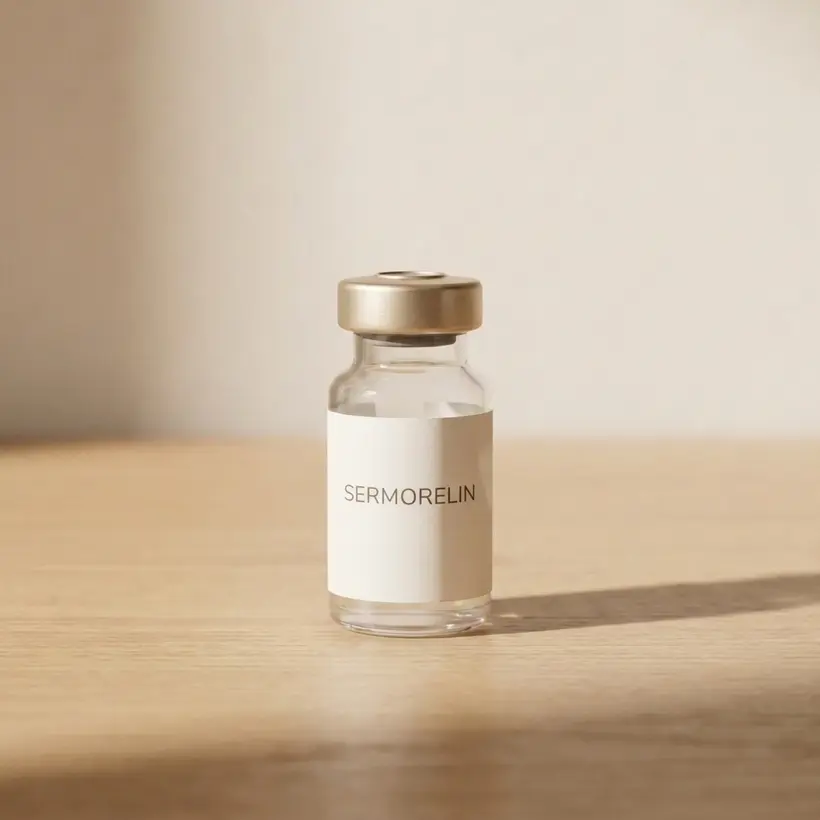
From the FormBlends catalog
Sermorelin
Bioidentical GHRH analog for natural growth hormone pulsatility · From $175/mo · compounded by a licensed 503A pharmacy, dispensed only after provider review.
View Sermorelin →Typical Sermorelin Starting Protocol
| Phase | Dose | Frequency | Notes |
|---|---|---|---|
| Initiation (weeks 1 to 2) | 100 to 200 mcg | Nightly, subcutaneous | Start low to assess tolerance |
| Titration (weeks 3 to 4) | 200 to 300 mcg | Nightly | Increase if well tolerated |
| Maintenance | 200 to 500 mcg | Nightly or 5 nights per week | Dose based on IGF-1 levels and clinical response |
Contact provider for current pricing
Sermorelin should be injected on an empty stomach, ideally 30 to 60 minutes after your last meal. Food, particularly carbohydrates and fats, can blunt the growth hormone response to sermorelin. Bedtime dosing matches the natural GH release cycle during deep sleep.
Phase 3: Improvement and Monitoring (Months 2 to 6)
Once both medications are on board and well tolerated, the focus shifts to improving doses and monitoring outcomes. This phase involves regular communication with your physician and periodic lab work.
Key Monitoring Markers
- IGF-1 levels: Reflects growth hormone activity. target range varies by age and sex. Checked at baseline, 6 weeks, and 3 months.
- Fasting glucose and HbA1c: Monitors blood sugar impact from both medications. Particularly important for patients with insulin resistance or diabetes.
- Metabolic panel: Kidney and liver function, electrolytes.
- Body composition: Tracked via DEXA scan, bioimpedance, or clinical measurements to assess fat loss versus muscle retention.
- Weight and waist circumference: Simple but informative metrics tracked at each visit.
Lab monitoring
Daily and Weekly Schedule Template
Here is what a typical week looks like once both medications are established:
Daily Routine
- Morning: Hydrate well. Eat a balanced breakfast with protein. Note any GI symptoms from semaglutide.
- Afternoon: Continue regular meals, focusing on protein and vegetables. If exercising, aim for resistance training 3 to 4 times per week.
- Evening: Stop eating 2 to 3 hours before your sermorelin injection.
- Bedtime: Administer sermorelin subcutaneously. Go to bed within 30 minutes to matches natural sleep-stage GH release.
Weekly Routine
- Semaglutide injection day: Pick one consistent day per week (many patients choose Friday or Saturday). Inject at the same time each week.
- Sermorelin: Continue nightly or 5 to 6 nights per week as prescribed.
- Rest days from sermorelin: Some protocols include 1 to 2 nights off per week to prevent receptor desensitization. Follow your physician's guidance.
Injection Site Best Practices
Both medications are administered via subcutaneous injection. Proper technique reduces discomfort and ensures consistent absorption:
- Rotate injection sites between abdomen, thigh, and upper arm
- Don't inject semaglutide and sermorelin at the same site on the same day
- Clean the injection area with an alcohol swab and allow it to dry
- Pinch the skin gently and insert the needle at a 45 to 90 degree angle depending on body composition
- Don't rub the injection site afterward
- Store medications according to their specific requirements (sermorelin typically requires refrigeration)
Injection technique guide
Nutritional Protocol to Support the Combination
Medications work best when supported by proper nutrition. For patients on both sermorelin and semaglutide, we recommend:
- Protein priority: Aim for 0.7 to 1.0 grams of protein per pound of body weight daily. This supports muscle preservation alongside sermorelin.
- Hydration: Drink at least 64 ounces of water daily. Dehydration can worsen semaglutide GI side effects.
- Smaller, more frequent meals: Semaglutide slows gastric emptying. Large meals can cause discomfort. Eating smaller portions more frequently is better tolerated.
- Limit refined carbohydrates: High-glycemic foods can spike blood sugar and blunt GH response.
- Evening fasting window: Stop eating 2 to 3 hours before sermorelin injection for optimal GH response.
Exercise Recommendations
Physical activity amplifies the benefits of both medications. The ideal exercise protocol for patients on sermorelin and semaglutide includes:
- Resistance training: 3 to 4 sessions per week focusing on compound movements (squats, deadlifts, rows, presses). This synergizes with sermorelin's muscle-preserving effects.
- Moderate cardio: 2 to 3 sessions per week of walking, cycling, or swimming. Avoid excessive endurance exercise during significant calorie restriction.
- Recovery: Adequate rest between sessions is important. Sermorelin supports recovery, but overtraining can counteract its benefits.
- Progressive overload: Gradually increase weights or intensity over time to continue stimulating muscle adaptation.
When to Adjust the Protocol
No protocol is set in stone. Your physician may adjust doses or timing based on:
- Lab results showing IGF-1 outside the target range
- Persistent GI side effects from semaglutide that don't resolve with dose adjustment
- Inadequate weight loss despite compliance
- Weight loss that's too rapid (more than 3 to 4 pounds per week consistently), which increases muscle loss risk
- Changes in blood sugar, particularly in diabetic patients
- Reaching target weight and transitioning to maintenance
Schedule a follow-up
Frequently Asked Questions
Can I start both medications at the same time?
We generally recommend against starting both simultaneously. A staggered approach makes it easier to identify which medication causes any side effects and allows for independent dose titration. Most protocols start semaglutide first, then add sermorelin 4 to 8 weeks later.
What time should I take my semaglutide injection?
Semaglutide can be injected at any time of day, but consistency matters. Pick a time and day that works for your schedule and stick with it each week. Morning injections are popular because nausea, if it occurs, tends to diminish by bedtime.
How long should I stay on this protocol?
Treatment duration depends on your goals and response. Many patients remain on semaglutide for 6 to 12 months or longer. Sermorelin can be used for similar durations. Your physician will discuss tapering and maintenance strategies as you approach your goals.
Do I need to cycle sermorelin?
Some physicians recommend periodic breaks from sermorelin (for example, 5 days on, 2 days off, or one month off every 3 to 6 months) to prevent receptor downregulation. This varies by practitioner and patient response. Follow your prescriber's specific guidance.
What if I miss a dose of either medication?
For semaglutide: if you miss your weekly dose and it has been fewer than 5 days, take it as soon as possible. If more than 5 days have passed, skip that dose and take the next one on schedule. For sermorelin: if you miss a nightly dose, simply resume the next evening. Don't double up on either medication.
Can my primary care doctor manage this protocol?
Any licensed physician can prescribe and monitor these medications. If your primary care physician isn't familiar with peptide therapy, our FormBlends physicians specialize in these protocols and can provide the supervision you need through our telehealth platform. get started
Getting the Protocol Right
The best protocol for combining sermorelin with semaglutide is one that's tailored to you. The framework above provides a solid foundation, but your starting doses, titration speed, monitoring schedule, and overall treatment duration should all be personalized based on your health history, goals, and response. At FormBlends, our physicians design individualized protocols and provide ongoing oversight to help you get the most from this combination. FormBlends consultation
Ready when you are
Sermorelin
Bioidentical GHRH analog for natural growth hormone pulsatility · From $175/mo · compounded by a licensed 503A pharmacy, dispensed only after provider review.
View Sermorelin →