All GLP-1 medications from licensed 503A compounding pharmacies Browse Products

Oxytocin Sexual Wellness research profile visual summary
Research profile

Wellness research

Sexual wellness

Best compared against other sexual wellness profiles when you are weighing mechanism, evidence, and use case.

01

Enhances pair bonding, trust,

02

Increases sexual arousal and

03

Reduces social anxiety and

Sexual Wellness

Oxytocin Research Guide

Oxytocin is a nonapeptide hormone that promotes pair bonding, social trust, empathy, and sexual arousal.

10mg vial10mg/vial

Research watchlist

Get updates when availability, evidence, or category guidance changes for Oxytocin.

Start Provider Review

This product is not currently sold by FormBlends. Enter your email to be notified if availability changes.

Quick answer

Oxytocin is an educational research profile for people comparing mechanism, potential benefits, evidence strength, and related compounds in sexual wellness.

Libido researchArousal pathwaysHormone signaling

Format

Research guide

Best use

Libido research

Evidence

Wellness research

Product facts for search and AI answers

What this Oxytocin page answers

Direct answer

Oxytocin is an educational research profile for people comparing mechanism, potential benefits, evidence strength, and related compounds in sexual wellness.

This is the shortest citable answer for people comparing this option.

Best fit

Libido research, Arousal pathways, Hormone signaling

Oxytocin should be evaluated by goal fit, safety fit, evidence strength, and provider oversight.

Evidence signal

Wellness research

3 source-backed citations are connected to this page.

Access status

Research guide / not currently sold

Research products and peptides require careful review of source quality, legality, and supervision.

503A Pharmacy
USP <797> Sterile
Provider-Reviewed
Lab-Tested
Cold-Chain
HIPAA

Decision board

Is Oxytocin the right page to act on?

Research profile

Oxytocin is an educational research profile for people comparing mechanism, potential benefits, evidence strength, and related compounds in sexual wellness.

Best fit

Libido research

Outcome signal

Sexual wellness

Evidence cue

Wellness research

Decision rhythm

Start / Compare / Explore

1

Goal

Libido research

2

Compare

PT-141 (Bremelanotide)

3

Review

Wellness research

4

Act

Provider review

Built from the same product facts used in the comparison table, timeline, and structured data.

Best-fit signals

Choose Oxytocin when these match your goal

Libido research
Arousal pathways
Hormone signaling
Compounded peptide vials arranged on a warm clinical shelf

Compounded with care

Built for multi-product peptide routines without rushing the clinical review.

FormBlends lets patients compare peptide options, build a cart, and carry selected product and quantity details into a provider-reviewed checkout path. Fulfillment still depends on eligibility, payment completion, and clinical approval.

US pharmacy sourcingProvider reviewSigned checkout payloadWLMD product IDs

Compare at a glance

How Oxytocin fits against nearby options

Use this table for the fast answer: primary fit, expected outcome, evidence signal, and the next page worth opening.

Oxytocin comparison table
OptionBest forOutcome signalEvidenceNext step
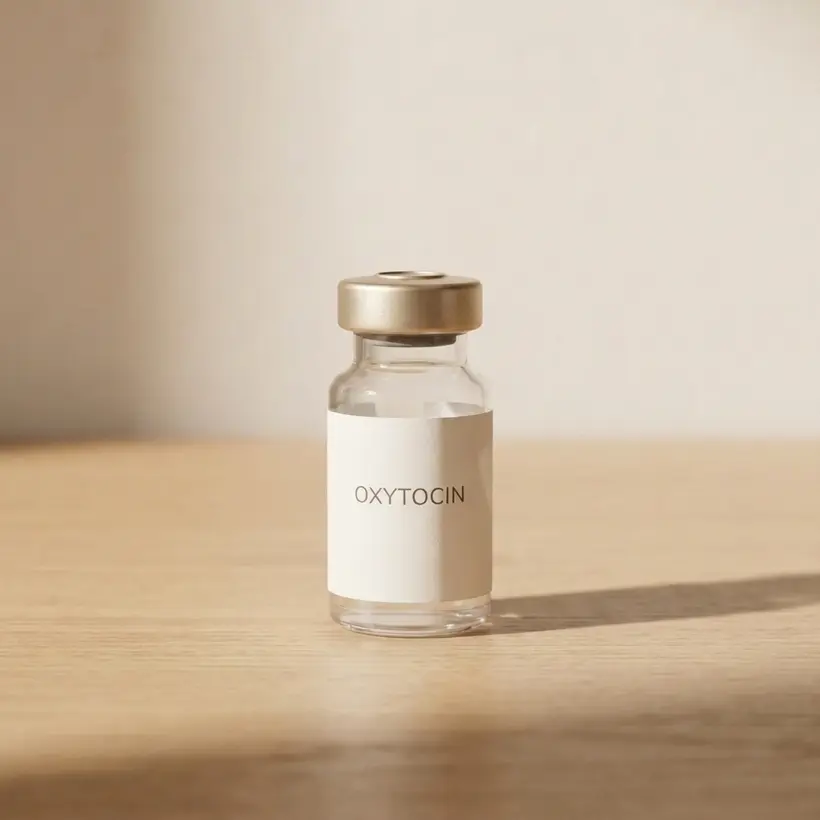
Oxytocin Sexual Wellness research profile visual summary

Oxytocin

Sexual Wellness

Libido research, Arousal pathwaysSexual wellnessWellness researchCurrent page
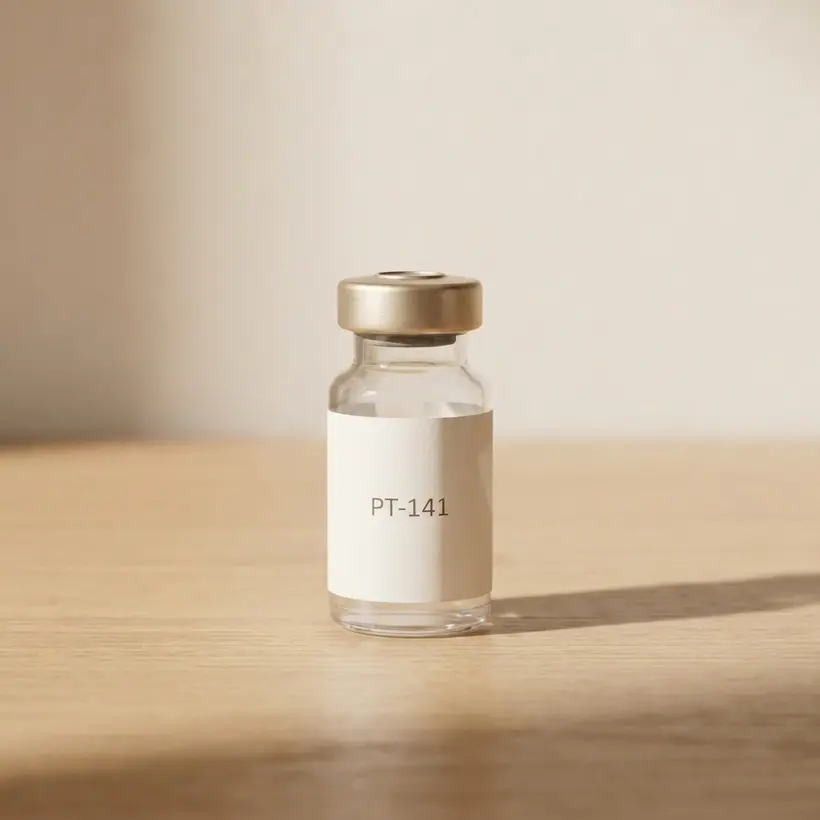
PT-141 (Bremelanotide) Sexual Wellness research profile visual summary

PT-141 (Bremelanotide)

Sexual Wellness

Libido research, Arousal pathwaysSexual wellnessWellness researchCompare
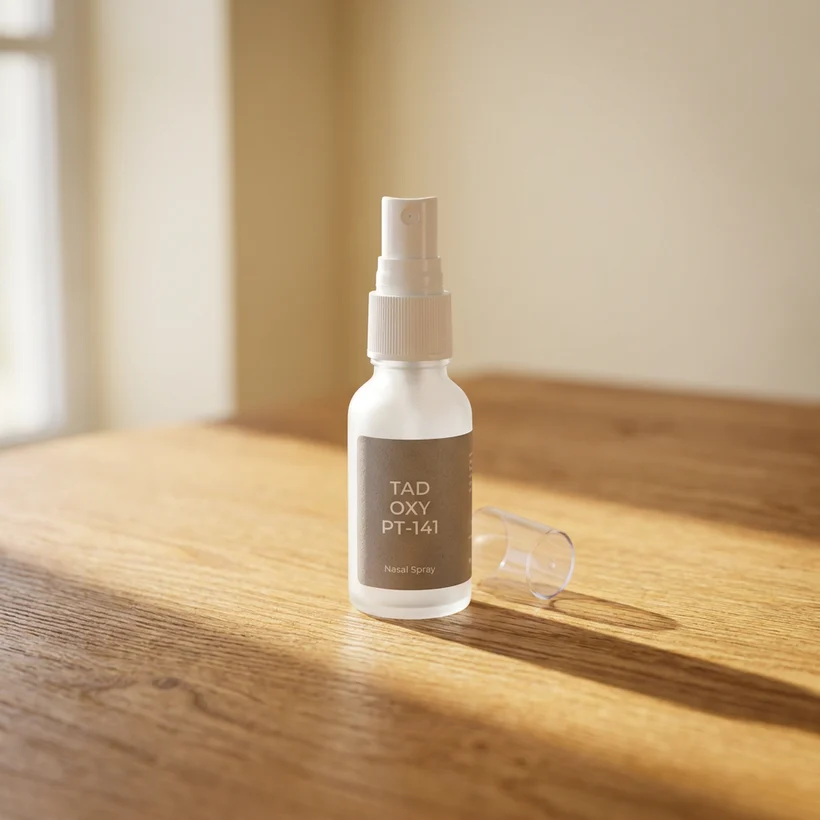
Tadalafil/Oxytocin/PT-141 Nasal Spray Sexual Wellness research profile visual summary

Tadalafil/Oxytocin/PT-141 Nasal Spray

Sexual Wellness

Libido research, Arousal pathwaysSexual wellnessWellness researchCompare
Kisspeptin-10 Sexual Wellness research profile visual summary

Kisspeptin-10

Sexual Wellness

Libido research, Arousal pathwaysSexual wellnessWellness researchCompare

Decision timeline

What to expect as you compare Oxytocin

Timelines vary by goal, dose, baseline health, and consistency. These checkpoints frame the most common evaluation moments.

Start

Understand the mechanism

Use the quick facts, pathway overview, and research notes to understand why the compound is discussed.

Compare

Match intent to evidence

Compare expected use cases, evidence strength, and related options before going deeper.

Explore

Move into detailed research

Use related articles, citations, and category pages to keep researching the safest fit.

Mechanism map

How Oxytocin is positioned

Oxytocin is a nonapeptide hormone that promotes pair bonding, social trust, empathy, and sexual arousal.

Signal

Libido research

Outcome

Sexual wellness

Proof

Wellness research

The core comparison is pathway, expected outcome, evidence strength, and practical fit.

A visual summary of Oxytocin across libido research, expected outcome, evidence signal, and comparison fit.

Key benefits

Why people compare it

1

Enhances pair bonding, trust, and feelings of closeness (44% trust increase, PNAS 2005)

2

Increases sexual arousal and orgasm intensity in both men and women

3

Reduces social anxiety and cortisol stress response by approximately 30%

4

Improves facial emotion recognition and social memory via amygdala modulation

5

Intranasal route delivers peptide to CNS within 30-45 minutes via olfactory pathway

6

Disulfide-bonded cyclic nonapeptide (Cys1-Cys6) with MW ~1007 Da

7

FDA-approved safety history as Pitocin spanning decades of obstetric use

8

No tolerance, dependence, or withdrawal with repeated intranasal administration

Deep research

About Oxytocin

Oxytocin is a cyclic nonapeptide hormone with the sequence Cys-Tyr-Ile-Gln-Asn-Cys-Pro-Leu-Gly-NH2, featuring a disulfide bond between Cys1 and Cys6 that creates the characteristic 20-membered ring structure important for receptor binding. Its molecular weight is approximately 1007 Da. Oxytocin is synthesized as a larger precursor (prepro-oxytocin) in magnocellular neurons of the paraventricular nucleus (PVN) and supraoptic nucleus (SON) of the hypothalamus, then transported along axons to the posterior pituitary gland for release into systemic circulation. It is also released centrally within the brain from dendritic processes, where it acts as a neuromodulator.

The mechanism of action involves binding to the oxytocin receptor (OXTR), a Gq/11-coupled G-protein-coupled receptor expressed in uterine smooth muscle, mammary myoepithelial cells, brain limbic structures (amygdala, hippocampus, nucleus accumbens, ventral tegmental area), cardiac tissue, and skin fibroblasts. Receptor activation triggers phospholipase C, IP3-mediated calcium release, and downstream signaling cascades. In the brain, oxytocin modulates neural circuits involved in social recognition, fear extinction, reward processing, and attachment behavior. In the amygdala specifically, oxytocin attenuates the fear response by reducing the excitability of output neurons that project to brainstem fear centers.

Intranasal oxytocin reaches the brain via the olfactory and trigeminal nerve pathways, bypassing the blood-brain barrier. CSF concentrations of oxytocin increase significantly within 30-45 minutes of intranasal administration, as demonstrated by lumbar puncture studies. A landmark study published in PNAS (2005, Kosfeld et al.) demonstrated that intranasal oxytocin (24 IU) increased trust behavior by 44% in an economic trust game paradigm. Subsequent studies in Nature Neuroscience confirmed that oxytocin enhances social memory, eye contact, and facial emotion recognition while reducing amygdala reactivity to threatening social stimuli.

In sexual wellness research, oxytocin is released endogenously during physical touch, arousal, and orgasm, with plasma levels peaking at 3-5 times baseline during orgasm. Exogenous intranasal oxytocin has been shown to enhance sexual arousal, increase orgasm intensity, and promote feelings of closeness and partner satisfaction in randomized controlled trials. A study in Psychoneuroendocrinology demonstrated improved sexual function scores in both men and women receiving intranasal oxytocin before sexual activity. Oxytocin also reduces cortisol responses to psychosocial stress by approximately 30%, as measured in the Trier Social Stress Test.

Pharmacokinetically, oxytocin has a plasma half-life of approximately 3-5 minutes when administered intravenously, due to rapid degradation by oxytocinase (placental leucine aminopeptidase) and renal clearance. Intranasal administration extends the effective CNS duration to approximately 2-4 hours, as the peptide deposited on the nasal mucosa is gradually absorbed. Intranasal bioavailability to the CNS is estimated at 2-5% of the administered dose, which is nonetheless sufficient to produce strong behavioral effects due to the high receptor density in target brain regions.

For storage and handling, oxytocin should be stored as lyophilized powder at -20C for long-term stability or at 2-8C for up to 90 days. Reconstituted solutions for nasal use should be kept at 2-8C and used within 4-6 weeks. The disulfide bond between Cys1 and Cys6 is critical for biological activity; reducing agents, extreme pH (below 3 or above 8), and prolonged exposure to temperatures above 25C can disrupt this bond and inactivate the peptide. Protect from light. Do not freeze reconstituted nasal spray solutions.

Oxytocin has one of the most extensive safety profiles of any peptide, based on decades of FDA-approved clinical use as Pitocin for labor induction and management of postpartum hemorrhage. At intranasal doses used in behavioral research (typically 20-40 IU), adverse effects are minimal and transient. The most commonly reported effects are mild nasal irritation and occasional drowsiness. Intranasal oxytocin does not cause uterine contractions at behavioral research doses. No dependence, tolerance, or withdrawal has been documented with repeated intranasal use. Rare reports of hyponatremia (water intoxication) exist only with intravenous infusion at obstetric doses, not with intranasal administration.

Illustrative vial, bacteriostatic water, and syringe flatlay
Illustrative only. Preparation, handling, and administration instructions must come from the dispensing pharmacy and reviewing provider.

PubMed evidence trail

Research sources used to frame this page

For Oxytocin, FormBlends checks the page topic against primary trials, systematic reviews, guidelines, and current PubMed-indexed literature where available. These citations are context, not medical advice, proof of eligibility, or a claim that every study applies to every patient.

Real-world Oxytocin videos from creators

Authentic TikTok and Instagram clips where creators talk about Oxytocin, each paired with a clinical fact-check from the FormBlends medical team. Educational commentary; original creators retain rights to their videos.

Questions people ask

Frequently asked questions

What is Oxytocin best for?

Oxytocin is best for people researching libido research, arousal pathways, hormone signaling within the broader sexual wellness category.

How should I compare Oxytocin with alternatives?

Compare Oxytocin by mechanism, evidence strength, expected timeline, side-effect profile, and whether its primary use case matches your goal.

What is the key mechanism behind Oxytocin?

Oxytocin is a nonapeptide hormone that promotes pair bonding, social trust, empathy, and sexual arousal.

Where should I go next after reading this Oxytocin guide?

Review the related sexual wellness profiles, scan the research notes, and compare the best-fit category page before making decisions.