Executive Summary

Key Takeaways
- Tesofensine inhibits reuptake of serotonin, norepinephrine, and dopamine simultaneously, producing appetite suppression and increased energy expenditure
- Phase 2 data showed 10.6% placebo-subtracted weight loss at 0.5 mg over 24 weeks, with 48-week data showing 13-14 kg total weight reduction
- The 0.5 mg dose balances efficacy with tolerability; the 1.0 mg dose provides only marginally greater weight loss with significantly more side effects
- Heart rate increases of approximately 7 bpm at the therapeutic dose represent the primary cardiovascular consideration
- Not FDA-approved; regulatory review is underway in Mexico with Saniona's partner Medix
Tesofensine (NS2330) is a triple monoamine reuptake inhibitor originally developed for neurodegenerative diseases that demonstrated unexpected and striking weight loss in early clinical trials. At the 0.5 mg daily dose, participants in the Phase 2 TIPO-1 trial lost an average of 11.3 kg (approximately 10.6% of body weight) over 24 weeks, making it one of the most effective single-agent oral anti-obesity compounds ever studied in controlled clinical settings.
Unlike the GLP-1 receptor agonist class that dominates today's weight management conversation, tesofensine works through an entirely different pharmacological pathway. By simultaneously inhibiting the reuptake of serotonin, norepinephrine, and dopamine at synaptic junctions, this oral medication produces a dual-action effect: it powerfully suppresses appetite through central nervous system signaling while also increasing resting energy expenditure and fat oxidation. This combination of reduced caloric intake and elevated metabolic rate creates a caloric deficit that rivals or exceeds what many injectable therapies achieve.
The compound's story begins in the early 2000s at NeuroSearch, a Danish biotechnology company that developed NS2330 for the treatment of Alzheimer's disease and Parkinson's disease. During Phase 2 trials for these neurological conditions, investigators consistently observed significant weight loss as a "side effect" in overweight and obese participants. When the compound failed to show adequate efficacy for its original neurological indications, researchers recognized its potential as an anti-obesity agent and redirected development accordingly.
The key clinical evidence comes from the TIPO-1 trial, a randomized, double-blind, placebo-controlled Phase 2 study published in The Lancet in 2008. This trial enrolled 203 obese patients across three dose groups (0.25 mg, 0.5 mg, and 1.0 mg) plus placebo. The results were remarkable: placebo-subtracted weight losses of 4.5%, 9.2%, and 10.6% were recorded across the three dose arms respectively. At the time, these figures approximately doubled the weight loss achieved by any FDA-approved obesity medication. The 0.5 mg dose emerged as the optimal balance of efficacy and tolerability, producing 9.2% placebo-subtracted weight loss with a more favorable side effect profile than the 1.0 mg dose.
The cardiovascular safety profile of tesofensine has been the primary area of clinical scrutiny. The compound produces dose-dependent increases in heart rate, with the 0.5 mg dose associated with an average increase of approximately 7.4 beats per minute. Blood pressure elevations at the 0.25 mg and 0.5 mg doses were modest (1 to 3 mmHg) and not statistically significant compared to placebo. To address these cardiovascular concerns, Saniona (which acquired the compound from NeuroSearch in 2014) developed Tesomet, a fixed-dose combination of tesofensine with metoprolol, a beta-1 selective adrenoceptor blocker. This combination preserves the appetite-suppressing and metabolic effects while mitigating the cardiovascular stimulation.
Tesofensine's current regulatory trajectory centers on Mexico, where Saniona's partner Medix completed a Phase 3 program and resubmitted a regulatory application to COFEPRIS (Mexico's FDA equivalent) in February 2025. The compound has not entered the FDA approval pathway for general obesity, though Tesomet received orphan drug designation from the FDA for Prader-Willi syndrome. For those interested in how tesofensine compares to established therapies like semaglutide and tirzepatide, understanding its unique triple-action mechanism provides important context for evaluating the expanding range of weight management pharmacotherapy options.
This report provides a thorough examination of tesofensine's pharmacology, clinical data, safety considerations, and regulatory path. We draw on published peer-reviewed literature, clinical trial registries, and manufacturer disclosures to present the most complete picture of this compound currently available. Whether you are a clinician evaluating therapeutic options for your patients, a researcher studying monoaminergic approaches to obesity, or an individual exploring the science behind available weight management tools, this analysis covers every dimension of tesofensine from bench to bedside.
Key Takeaways
- Tesofensine inhibits reuptake of serotonin, norepinephrine, and dopamine simultaneously, producing appetite suppression and increased energy expenditure
- Phase 2 data showed 10.6% placebo-subtracted weight loss at 0.5 mg over 24 weeks, with 48-week data showing 13-14 kg total weight reduction
- The 0.5 mg dose balances efficacy with tolerability; the 1.0 mg dose provides only marginally greater weight loss with significantly more side effects
- Heart rate increases of approximately 7 bpm at the therapeutic dose represent the primary cardiovascular consideration
- Not FDA-approved; regulatory review is underway in Mexico with Saniona's partner Medix
- Tesomet (tesofensine plus metoprolol) addresses cardiovascular concerns and holds orphan drug designation for Prader-Willi syndrome
The Obesity Epidemic and the Need for Novel Pharmacotherapy
The global obesity crisis has reached staggering proportions, affecting more than 1 billion people worldwide according to the most recent World Health Organization estimates. In the United States alone, the CDC reports that 42.4% of adults are obese (BMI 30 or higher), with an additional 31.1% classified as overweight. The direct medical costs attributable to obesity in the US are estimated at $173 billion annually, and the condition is a leading modifiable risk factor for type 2 diabetes, cardiovascular disease, certain cancers, sleep apnea, osteoarthritis, and premature death. Despite the enormity of the problem, the pharmacological toolkit available to clinicians remained remarkably limited until the recent emergence of GLP-1 based therapies.
Prior to the approval of semaglutide (Wegovy) in 2021 and tirzepatide (Zepbound) in 2023, the anti-obesity drug landscape was dominated by compounds with modest efficacy, significant side effects, or both. Orlistat (Xenical/Alli), a pancreatic lipase inhibitor, produced only 2-3% placebo-subtracted weight loss with unpleasant gastrointestinal side effects. Phentermine, the most commonly prescribed appetite suppressant in the US, was approved only for short-term use (up to 12 weeks) and carried restrictions related to its amphetamine-like structure. Phentermine-topiramate (Qsymia) and bupropion-naltrexone (Contrave) offered somewhat better efficacy but still fell short of the weight loss magnitude that most patients and clinicians desired. The history of withdrawn anti-obesity drugs, including fenfluramine/phentermine ("fen-phen"), rimonabant, sibutramine, and lorcaserin, underscored the difficulty of developing safe and effective weight loss medications.
It is against this backdrop that tesofensine's Phase 2 results were so remarkable. In 2008, when the TIPO-1 trial data were published, no approved oral obesity medication could produce anything close to 10% weight loss. Tesofensine's results represented a genuine breakthrough in anti-obesity pharmacology, even though the compound has not yet reached the market. The subsequent arrival of GLP-1 agonists has shifted the competitive landscape dramatically, but tesofensine remains relevant as one of the few non-GLP-1 compounds with strong clinical evidence for meaningful weight loss, and as a potential complement to GLP-1 therapy in combination regimens.
Why the Monoamine Approach Matters
The dominance of GLP-1 agonists in the current obesity treatment landscape can obscure the fact that alternative mechanisms exist and may be necessary. Not all patients respond adequately to GLP-1 therapy; some cannot tolerate the gastrointestinal side effects, others have contraindications (such as personal or family history of medullary thyroid carcinoma), and some simply prefer oral medications over injections. Additionally, the GLP-1 class faces significant access challenges including supply shortages, high costs ($1,000-1,600 per month without insurance), and variable insurance coverage. There is a clear clinical need for effective oral anti-obesity agents that work through different mechanisms.
The monoamine system represents a scientifically validated target for appetite control. Serotonin, norepinephrine, and dopamine are fundamental regulators of eating behavior, energy balance, and reward processing. Every major appetite suppressant in history, from amphetamines to fenfluramine to sibutramine to phentermine, has worked through some aspect of monoamine neurotransmission. The challenge has been finding compounds that produce sufficient weight loss without unacceptable cardiovascular, psychiatric, or abuse-related risks. Tesofensine's triple reuptake inhibition represents the most pharmacologically comprehensive approach to monoaminergic appetite control ever advanced to clinical trials, and its efficacy data validate the theoretical advantage of targeting all three systems simultaneously.
For a deeper understanding of how different pharmacological approaches to weight management compare, including both injectable and oral options, the GLP-1 research hub provides extensive coverage of the GLP-1 class, while individual compound pages such as liraglutide offer compound-specific details.
From Parkinson's to Obesity Research
The NeuroSearch Origins (1990s-2000s)
The story of tesofensine begins not in the world of obesity pharmacology but in the laboratories of NeuroSearch A/S, a Copenhagen-based neuroscience company focused on developing treatments for debilitating brain disorders. In the late 1990s, NeuroSearch identified NS2330 (the compound that would later be known as tesofensine) as a promising candidate for treating Alzheimer's disease and Parkinson's disease. The rationale was straightforward: by blocking the reuptake of dopamine, norepinephrine, and serotonin, the compound could enhance neurotransmission in brain circuits affected by these neurodegenerative conditions. Additionally, tesofensine demonstrated indirect potentiation of cholinergic neurotransmission, a property believed to benefit cognitive function, particularly learning and memory processes that deteriorate in Alzheimer's disease.
NeuroSearch entered into a strategic partnership with Boehringer Ingelheim, one of the world's largest pharmaceutical companies, to advance tesofensine through clinical development. The collaboration reflected the compound's perceived potential and the significant investment required to conduct large-scale clinical trials in neurological indications. Under this partnership, tesofensine entered Phase 2 clinical testing for both Alzheimer's disease and Parkinson's disease.
Parkinson's Disease Trials
In Parkinson's disease trials, tesofensine was evaluated for its ability to alleviate motor symptoms, particularly in patients with advanced disease experiencing motor fluctuations. The monoamine reuptake inhibition mechanism was expected to compensate for the dopaminergic deficits that characterize Parkinson's pathology. While the compound showed some pharmacological activity consistent with enhanced dopaminergic transmission, the overall clinical benefit did not reach the threshold necessary to continue development for this indication. The improvements in motor function were inconsistent across patient populations, and the risk-benefit calculation did not favor continued investment in this direction.
The Alzheimer's disease program faced similar challenges. Despite the theoretical basis for cognitive enhancement through triple reuptake inhibition and indirect cholinergic modulation, Phase 2b trials failed to demonstrate meaningful efficacy in slowing cognitive decline or improving memory in Alzheimer's patients. The complexity of neurodegeneration, combined with the modest symptomatic benefits observed, led to the conclusion that tesofensine was not the right compound for these patient populations.
The Unexpected Discovery: Weight Loss as a "Side Effect"
What happened next exemplifies one of the most productive patterns in pharmaceutical history: serendipitous drug repurposing. Throughout the Parkinson's and Alzheimer's trials, clinical investigators noticed something unexpected. Participants who were overweight or obese at baseline consistently lost significant amounts of body weight during the trial period. This weight loss was not a targeted outcome; it was recorded as an adverse event. But the magnitude and consistency of the finding caught the attention of researchers who recognized that what was a "side effect" in one context could be the primary therapeutic effect in another.
The pattern was clear enough that when Boehringer Ingelheim terminated its partnership with NeuroSearch following the failed neurological indications, the Danish company pivoted decisively. Rather than shelving the compound entirely, NeuroSearch initiated a formal obesity development program. The decision was supported by the growing recognition that obesity was a chronic, progressive disease requiring pharmacological intervention, and that the existing arsenal of anti-obesity medications offered only modest efficacy. By the mid-2000s, the only FDA-approved weight loss drugs, such as orlistat and sibutramine, produced average weight losses of 3 to 5% of body weight, leaving substantial room for improvement.
Repositioning for Obesity: The TIPO Program
NeuroSearch designed the TIPO (Tesofensine In the treatment of People with Obesity) clinical trial program specifically to test the compound's weight loss potential under rigorous conditions. The TIPO-1 study became the centerpiece of this effort. Published in The Lancet in 2008, it represented a formal, well-powered evaluation of tesofensine as an anti-obesity agent rather than simply a retrospective analysis of a neurological trial's side effects.
The repositioning of tesofensine from neurological to metabolic indications followed a path that has become increasingly common in pharmaceutical development. Many of today's most successful GLP-1 based weight loss therapies share a similar origin story. Semaglutide, for example, was first developed and approved for type 2 diabetes before its weight loss benefits led to a separate obesity indication under the brand name Wegovy. Liraglutide followed the same trajectory from Victoza (diabetes) to Saxenda (obesity). The pharmaceutical industry has learned that unexpected clinical observations, when properly investigated, can reveal entirely new therapeutic applications.
From NeuroSearch to Saniona (2014)
NeuroSearch continued tesofensine's obesity development for several years, but the company faced financial pressures common to small biotechnology firms. In 2014, the compound's rights were transferred to Saniona A/S, another Danish biotechnology company with expertise in ion channel pharmacology and metabolic diseases. Under Saniona's stewardship, the development program took two directions.
First, Saniona out-licensed tesofensine as a standalone obesity treatment to Medix, a Mexican pharmaceutical company with deep expertise in the obesity therapeutic area. Medix took responsibility for completing a Phase 3 program in Mexico, where the company has extensive clinical infrastructure and regulatory relationships. This partnership reflected a strategic decision to pursue initial market approval in a territory where the regulatory pathway could be completed more efficiently and where the obesity burden is particularly severe. Mexico has one of the highest obesity rates globally, with approximately 36% of the adult population classified as obese according to World Health Organization data.
Second, Saniona developed Tesomet, a fixed-dose combination of tesofensine with metoprolol, a well-established beta-1 selective adrenergic blocker. The rationale for this combination emerged directly from the cardiovascular safety data in the TIPO-1 trial. By pairing tesofensine with metoprolol, Saniona aimed to neutralize the heart rate increase associated with tesofensine's noradrenergic effects while preserving the appetite-suppressing and metabolic-enhancing properties. Preclinical data supported this approach: studies showed that metoprolol fully prevented the cardiovascular effects of tesofensine without attenuating its strong inhibitory effects on food intake.
Tesomet and Orphan Disease Indications
Tesomet was specifically developed for two rare disease indications: Prader-Willi syndrome (PWS) and hypothalamic obesity (HO). Both conditions are characterized by severe, often life-threatening hyperphagia (excessive eating) driven by central nervous system dysfunction. In Prader-Willi syndrome, a genetic condition affecting approximately 1 in 15,000 births, patients experience relentless hunger due to hypothalamic dysfunction. Conventional weight management approaches are largely ineffective, and no FDA-approved pharmacotherapy exists specifically for the hyperphagia component of PWS.
Saniona received orphan drug designation from the FDA for Tesomet in Prader-Willi syndrome, a significant regulatory milestone that provides market exclusivity and other development incentives. In a Phase 2a trial in adolescents with PWS, adult patients receiving Tesomet achieved a statistically significant reduction in hyperphagia scores, along with a reduction in body weight. These results, while preliminary, suggested that the monoaminergic mechanism of action could address the central appetite dysregulation that defines these conditions.
However, Saniona's Phase 2b trials of Tesomet in both hypothalamic obesity and Prader-Willi syndrome were voluntarily paused due to funding limitations, not safety or efficacy concerns. This pause reflected the broader financial challenges facing small-cap biotechnology companies rather than any issue with the therapeutic approach. The FDA confirmed that Tesomet could be advanced through the 505(b)(2) regulatory pathway, which allows sponsors to reference existing safety and efficacy data rather than conducting entirely new programs from scratch.
The Timeline at a Glance
| Year | Milestone | Organization |
|---|---|---|
| Late 1990s | NS2330 identified as a triple reuptake inhibitor | NeuroSearch A/S |
| Early 2000s | Phase 2 trials initiated for Alzheimer's and Parkinson's diseases | NeuroSearch / Boehringer Ingelheim |
| 2004-2005 | Phase 2b trials fail for neurological indications; weight loss observed as adverse event | NeuroSearch / Boehringer Ingelheim |
| 2005 | Boehringer Ingelheim terminates partnership | NeuroSearch A/S |
| 2006 | TIPO obesity program initiated | NeuroSearch A/S |
| 2008 | TIPO-1 Phase 2 results published in The Lancet | NeuroSearch A/S |
| 2014 | Tesofensine rights transferred to Saniona | Saniona A/S |
| 2016 | Tesofensine obesity rights out-licensed to Medix | Saniona / Medix |
| 2019 | Medix completes Phase 3 program in Mexico | Medix |
| 2021 | FDA grants orphan drug designation for Tesomet in PWS | Saniona A/S |
| 2022 | Tesomet Phase 2b trials paused due to funding | Saniona A/S |
| Feb 2025 | Medix resubmits tesofensine application to COFEPRIS (Mexico) | Medix |
The journey of tesofensine from a failed neurological candidate to one of the most potent oral anti-obesity compounds ever tested illustrates the unpredictable nature of drug development. For researchers and clinicians interested in the evolving pharmacological landscape for weight management, the compound represents an important data point: the monoaminergic approach to appetite control, while overshadowed by the GLP-1 revolution, remains a scientifically valid and clinically compelling strategy. Understanding this history provides essential context for evaluating where tesofensine fits alongside modern therapies like tirzepatide, retatrutide, and other agents in the weight management comparison hub.
Lessons from Drug Repurposing in Obesity Medicine
Tesofensine's trajectory from neurological candidate to anti-obesity compound is far from unique in the history of obesity medicine. In fact, most successful weight loss medications were discovered through serendipitous observations during trials for other conditions. This pattern is so consistent that it warrants examination, as it illuminates fundamental truths about how body weight regulation intersects with other physiological systems.
The GLP-1 receptor agonist class, which now represents the most effective pharmacological approach to obesity, originated entirely from diabetes research. Liraglutide was approved as Victoza for type 2 diabetes in 2010, and it was only after consistent weight loss was observed in diabetic patients that a dedicated obesity indication (Saxenda) was pursued and approved in 2014. Semaglutide followed the same path, from Ozempic (diabetes, 2017) to Wegovy (obesity, 2021). Tirzepatide repeated the pattern once more, moving from Mounjaro (diabetes, 2022) to Zepbound (obesity, 2023).
Topiramate, a component of the combination drug Qsymia, was originally developed as an antiepileptic medication. Weight loss was consistently observed in epilepsy patients taking topiramate, leading to its incorporation into an anti-obesity combination. Bupropion, the dopamine-norepinephrine reuptake inhibitor that forms one half of Contrave, was developed as an antidepressant (Wellbutrin) and was also used as a smoking cessation aid (Zyban) before its weight loss potential was recognized and developed in combination with naltrexone.
Even phentermine, the most widely prescribed weight loss drug in the United States, is a structural analog of amphetamine that was initially developed for its stimulant properties. The weight loss effect of amphetamine-like compounds was recognized in the 1930s, and phentermine was specifically developed as a less addictive alternative for appetite suppression, receiving FDA approval in 1959.
The pattern suggests that the neural and hormonal systems that regulate body weight are deeply interconnected with other physiological functions, including neurological, metabolic, psychiatric, and endocrine processes. Disrupting any of these systems pharmacologically often produces changes in appetite, energy expenditure, or both. The challenge is identifying disruptions that produce sufficient weight loss with acceptable safety, which is precisely the challenge that tesofensine continues to face in its regulatory journey.
The Obesity Treatment Paradigm: From Acute to Chronic Disease Management
An important contextual shift that has occurred during tesofensine's development history is the medical community's evolving understanding of obesity as a chronic disease. When tesofensine's neurological trials first observed weight loss as a side effect in the early 2000s, obesity was still widely viewed, even within the medical community, as primarily a behavioral problem requiring willpower and lifestyle modification. Pharmacotherapy for obesity was considered a last resort, and medications were approved only for short-term use (phentermine's label specifies use for "a few weeks").
Today, obesity is recognized by the American Medical Association, the World Health Organization, and most national medical societies as a chronic, relapsing disease with a strong neurobiological basis. The brain circuits that regulate appetite, including the very monoamine systems that tesofensine targets, are now understood to be altered in obese individuals through a combination of genetic predisposition, developmental programming, and neuroplastic changes induced by chronic positive energy balance. This reconceptualization has profound implications for treatment: if obesity is a chronic disease of brain function, then long-term or lifelong pharmacotherapy, similar to the treatment of hypertension or diabetes, becomes medically appropriate rather than a sign of personal failure.
This fundamental change affects how tesofensine should be evaluated. Rather than asking "How much weight does it produce in 24 weeks?", the more relevant clinical question becomes "Can it produce sustained weight loss with an acceptable long-term safety profile when used chronically?" The 48-week extension data showing continued weight loss are encouraging, but truly long-term safety data (years, not months) are needed to fully answer this question. The cardiovascular signal, while modest, becomes more significant in the context of decades of potential use rather than months. This is another reason why a cardiovascular outcomes trial, despite its cost and duration, would be valuable for defining tesofensine's role in long-term obesity management.
The chronic disease model also reframes the comparison between tesofensine and GLP-1 agonists. If both medications are intended for long-term use, then factors like route of administration (oral versus injectable), daily burden of side effects (dry mouth and mild insomnia versus nausea and gastrointestinal distress), and long-term tolerability become as important as peak weight loss magnitude. For some patients, the convenience and tolerability of an oral daily medication may support better long-term adherence than a weekly injection that produces significant GI side effects, even if the injection produces greater absolute weight loss in a controlled trial setting.
Triple Reuptake Inhibitor Mechanism
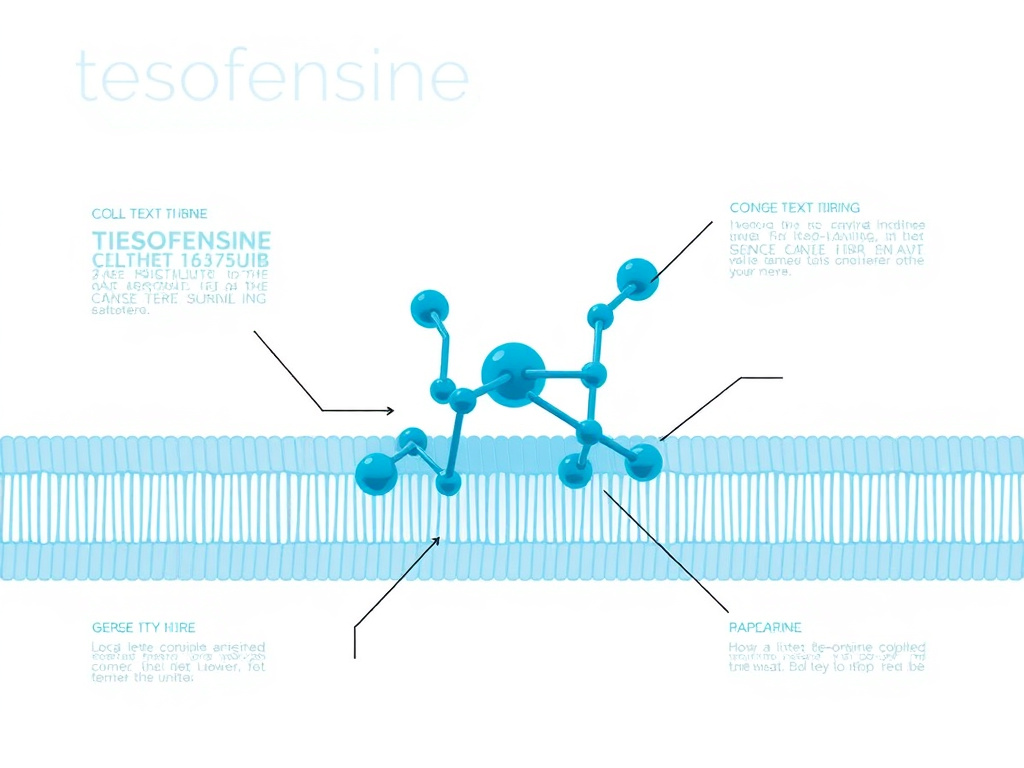
Figure 2: Tesofensine simultaneously blocks serotonin (SERT), norepinephrine (NET), and dopamine (DAT) transporters, increasing the extracellular concentration of all three neurotransmitters in appetite-regulating brain regions.
Tesofensine is classified as a triple monoamine reuptake inhibitor (TRI), meaning it blocks the transporter proteins responsible for clearing serotonin, norepinephrine, and dopamine from the synaptic cleft. By simultaneously elevating levels of all three neurotransmitters, tesofensine produces a coordinated effect on appetite regulation, energy balance, and reward signaling that is distinct from agents targeting only one or two of these systems.
The Monoamine System and Body Weight Regulation
The three monoamine neurotransmitters that tesofensine affects each play a distinct role in energy homeostasis and feeding behavior. Understanding these individual contributions clarifies why simultaneous modulation of all three produces a more powerful anti-obesity effect than targeting any one system alone.
Serotonin (5-HT). Serotonergic neurons in the hypothalamus are central regulators of satiety. When serotonin levels rise at the synaptic junction, 5-HT2C receptors on pro-opiomelanocortin (POMC) neurons in the arcuate nucleus are activated. This triggers the melanocortin pathway, one of the brain's primary "stop eating" signals. Simultaneously, serotonin inhibits the activity of neuropeptide Y (NPY) and agouti-related peptide (AgRP) neurons, which drive hunger. The net effect is enhanced satiety, earlier meal termination, and reduced between-meal snacking. Lorcaserin, a previously FDA-approved anti-obesity drug, worked exclusively through serotonin 5-HT2C agonism, producing modest weight loss of approximately 3 to 5% of body weight before it was withdrawn from the market.
Norepinephrine (NE). Noradrenergic signaling affects both appetite and metabolic rate. In the hypothalamus, increased norepinephrine activates alpha-1 adrenoceptors, which contribute to appetite suppression through a mechanism that is complementary to but independent of the serotonergic pathway. Beyond appetite effects, norepinephrine is the primary neurotransmitter mediating sympathetic nervous system activation, which increases energy expenditure. Elevated norepinephrine promotes thermogenesis in brown and beige adipose tissue, increases heart rate and cardiac output, and mobilizes fatty acids from white adipose stores for oxidation. This dual action on both caloric intake and expenditure gives norepinephrine a uniquely important role in the weight loss mechanism of tesofensine. Older appetite suppressants like phentermine work primarily through norepinephrine release.
Dopamine (DA). Dopaminergic signaling in the mesolimbic and mesocortical pathways governs reward processing and motivation, including the hedonic value of food. In obesity, dopamine receptor availability is often reduced, particularly D2 receptors in the striatum. This downregulation is associated with "reward deficiency" - a state where individuals require greater food intake (particularly calorie-dense, palatable foods) to achieve the same level of reward satisfaction. By increasing synaptic dopamine levels, tesofensine may help normalize reward signaling, reducing the compulsive drive to overeat that characterizes many obese individuals. Additionally, dopamine D1 receptor activation in the hypothalamus directly contributes to appetite suppression. Research on tesofensine in diet-induced obese rats demonstrated that the appetite-suppressing effect was mediated through both alpha-1 adrenoceptor and dopamine D1 receptor pathways.
Transporter Binding Affinity Profile
Tesofensine belongs to the phenyltropane family of compounds and displays a characteristic binding affinity profile across the three monoamine transporters. Understanding the relative potency at each transporter helps explain the compound's pharmacological behavior and side effect profile.
| Transporter | IC50 (nM) | Relative Potency | Primary Effect |
|---|---|---|---|
| Norepinephrine Transporter (NET) | 1.7 | Highest | Appetite suppression, thermogenesis |
| Serotonin Transporter (SERT) | 11 | Moderate | Satiety enhancement |
| Dopamine Transporter (DAT) | 65 | Lowest | Reward normalization, motivation |
The IC50 values indicate that tesofensine has the strongest affinity for the norepinephrine transporter, followed by the serotonin transporter, with the weakest (but still pharmacologically significant) affinity for the dopamine transporter. This profile distinguishes tesofensine from recreational stimulants like cocaine, which has a much stronger affinity for the dopamine transporter relative to the other two systems. The relatively lower dopamine transporter affinity of tesofensine is considered a safety feature, as it reduces the potential for euphoria, abuse liability, and addiction that characterize agents with high DAT occupancy.
PET imaging studies in humans have confirmed that at therapeutic doses (0.5 mg daily), tesofensine occupies approximately 30 to 50% of dopamine transporters in the striatum. This occupancy level is well below the threshold associated with subjective reinforcing effects (typically above 60 to 70% DAT occupancy). By contrast, NET and SERT occupancy at the same dose are proportionally higher, consistent with the binding affinity data and explaining why appetite suppression and metabolic effects predominate over euphorigenic or addictive properties.
Hypothalamic Neuronal Effects
Recent research has provided more granular insight into how tesofensine affects specific neuronal populations in the hypothalamus, the brain's master regulator of energy balance. A 2024 study published in Nature Communications demonstrated that tesofensine silences GABAergic neurons in the lateral hypothalamic area (LHA), a region critically involved in feeding initiation and the drive to seek food. The LHA contains a mixed population of neurons, including orexin/hypocretin neurons that promote wakefulness and feeding, and melanin-concentrating hormone (MCH) neurons that stimulate food intake. By suppressing GABAergic output from this region, tesofensine effectively reduces the neural "push" to eat.
This hypothalamic mechanism operates alongside, but is distinct from, the monoaminergic effects in other brain regions. In the ventral tegmental area (VTA) and nucleus accumbens, dopamine elevation modifies the reward value of food. In the dorsal raphe nucleus, enhanced serotonin output projects to the hypothalamus and cortex to promote satiety. And in the locus coeruleus, norepinephrine release activates descending sympathetic pathways that increase metabolic rate. The simultaneous engagement of all these circuits creates a coordinated anti-obesity effect that exceeds the sum of its parts.
How This Differs from GLP-1 Mechanisms
Understanding tesofensine's mechanism requires contrasting it with the GLP-1 receptor agonist mechanism that dominates current obesity pharmacology. GLP-1 agonists like semaglutide and tirzepatide work by mimicking the incretin hormone GLP-1, which has multiple metabolic actions: it slows gastric emptying, enhances insulin secretion, suppresses glucagon, and activates GLP-1 receptors in the hypothalamus and brainstem to reduce appetite.
The GLP-1 approach and the monoaminergic approach are fundamentally different strategies for achieving weight loss. GLP-1 agonists work at the periphery (gut motility, pancreatic function) and in central appetite circuits simultaneously. Tesofensine works almost exclusively through central nervous system modulation of neurotransmitter levels. This means the two mechanisms have different side effect profiles (GLP-1 agents produce nausea, vomiting, and gastrointestinal disturbance; tesofensine produces dry mouth, insomnia, and heart rate elevation), different contraindication profiles, and potentially different long-term effects on body composition and metabolic health.
The distinct mechanistic pathways also raise the possibility that a combination approach, using both GLP-1 modulation and monoaminergic enhancement, could produce additive or complementary weight loss effects. While no clinical trial has directly tested this combination, the non-overlapping mechanisms suggest it could be an area of future investigation. Similarly, combining tesofensine with peptides that affect different metabolic pathways, such as AOD-9604 for direct lipolytic effects or MOTS-c for mitochondrial metabolic activation, represents an area of theoretical interest.
The Metabolite M1
Tesofensine is metabolized primarily by the cytochrome P450 3A4 (CYP3A4) enzyme system to its major metabolite, known as M1 (desalkyl-tesofensine). This metabolite is pharmacologically active, possessing monoamine reuptake inhibition properties similar to the parent compound, though with somewhat different transporter selectivity. The M1 metabolite has a remarkably long half-life of approximately 16 days (374 hours) in humans, compared to the parent compound's half-life of approximately 9 days (220 hours). At steady state, M1 reaches an exposure level of 31 to 34% of the parent compound.
The prolonged half-lives of both tesofensine and M1 have important clinical implications. Once-daily dosing produces stable plasma concentrations with minimal peak-to-trough fluctuation, resulting in consistent appetite suppression and metabolic effects throughout the day and night. This pharmacokinetic profile contrasts favorably with shorter-acting appetite suppressants like phentermine, which produce significant fluctuations in efficacy across the dosing interval. However, the long half-life also means that steady state takes several weeks to achieve, and adverse effects, once they occur, may persist for an extended period after discontinuation.
The renal contribution to tesofensine clearance is relatively minor, accounting for approximately 15 to 20% of total elimination. The remainder occurs through hepatic metabolism. This means that mild to moderate renal impairment is unlikely to substantially affect drug exposure, though hepatic impairment or concurrent use of strong CYP3A4 inhibitors (such as ketoconazole, itraconazole, or clarithromycin) could increase plasma levels and potentially amplify both therapeutic and adverse effects.
Comparison with Historical Monoaminergic Anti-Obesity Agents
Tesofensine is not the first monoaminergic agent used for weight management, but it is the first clinically advanced triple reuptake inhibitor developed specifically for this purpose. Placing it in the context of other monoaminergic drugs helps clarify its pharmacological niche.
| Agent | Primary Mechanism | Avg Weight Loss | Status | Key Limitation |
|---|---|---|---|---|
| Phentermine | NE release | 3-5% | FDA-approved (short-term) | Abuse potential, cardiovascular effects |
| Sibutramine | NE + 5-HT reuptake inhibition | 4-5% | Withdrawn 2010 | Cardiovascular events (SCOUT trial) |
| Lorcaserin | 5-HT2C agonism | 3-4% | Withdrawn 2020 | Cancer signal |
| Bupropion/naltrexone | DA + NE (bupropion); opioid antagonist | 5-6% | FDA-approved (Contrave) | Moderate efficacy, nausea |
| Tesofensine | NE + 5-HT + DA reuptake inhibition | 9-11% | Phase 3 (Mexico) | Heart rate increase |
The comparison reveals two patterns. First, tesofensine's triple reuptake inhibition produces substantially greater weight loss than agents targeting one or two monoamine systems. Second, the cardiovascular effects that led to sibutramine's withdrawal (a dual NE/5-HT reuptake inhibitor) remain the primary safety concern for tesofensine. The critical difference is that tesofensine's cardiovascular profile at the 0.5 mg therapeutic dose appears more favorable than sibutramine's was at its approved doses, and the addition of metoprolol in the Tesomet formulation directly addresses the heart rate concern. However, the lesson from sibutramine's history - that even modest cardiovascular effects can be disqualifying in a large population - remains relevant to tesofensine's regulatory future.
Selectivity Versus Breadth: The Triple Reuptake Advantage
A fundamental pharmacological question raised by tesofensine's mechanism is whether simultaneously targeting multiple neurotransmitter systems is superior to selectively targeting a single system. The data consistently support the broader approach, at least for weight loss. Each monoamine system contributes a distinct component to the overall anti-obesity effect, and the combined impact exceeds what any single-system approach can achieve.
Serotonin-selective agents (like the withdrawn lorcaserin) produce approximately 3-4% placebo-subtracted weight loss. Norepinephrine-selective agents (like phentermine) produce approximately 3-5% placebo-subtracted weight loss. Dopamine-affecting agents (bupropion as part of Contrave) contribute to approximately 4-5% weight loss in combination with naltrexone. Tesofensine, targeting all three systems simultaneously, produces 9.2% placebo-subtracted weight loss at the optimal dose. The arithmetic is informative: the triple approach produces weight loss that is roughly equivalent to the sum of the individual system contributions, suggesting genuinely additive (rather than merely redundant) effects.
This additivity makes pharmacological sense. The three neurotransmitter systems regulate different aspects of feeding behavior. Serotonin primarily governs meal termination (when you stop eating during a meal) through satiety signaling. Norepinephrine primarily governs meal initiation (how often you start eating and how strong the hunger drive is) through appetite signaling and also increases energy expenditure. Dopamine primarily governs food choice (what you choose to eat and how rewarding food feels) through hedonic and motivational pathways. By simultaneously enhancing satiety, suppressing appetite, and reducing the hedonic drive for food, tesofensine addresses all three dimensions of eating behavior that contribute to obesity.
The clinical implication is that tesofensine may be effective across a broader range of obesity phenotypes than single-mechanism agents. Some obese individuals primarily struggle with satiety (they don't feel full until they've eaten too much). Others primarily struggle with appetite (they feel hungry constantly). Still others primarily struggle with hedonic eating (they eat for pleasure rather than hunger, especially high-calorie comfort foods). An agent that addresses all three patterns is more likely to be effective across these different phenotypes than an agent targeting only one.
Neurotransmitter Interactions and Network Effects
The three monoamine systems do not operate in isolation; they interact extensively through reciprocal innervation, shared receptor mechanisms, and common downstream signaling pathways. Serotonergic neurons from the dorsal raphe project to dopaminergic cell bodies in the VTA, modulating reward processing. Noradrenergic neurons from the locus coeruleus project to both serotonergic and dopaminergic centers, influencing arousal and attention components of feeding behavior. Dopaminergic projections from the VTA feed back to serotonergic and noradrenergic nuclei, creating closed-loop circuits that maintain homeostatic balance.
By elevating all three neurotransmitters simultaneously, tesofensine may produce network-level effects that go beyond the sum of individual receptor actions. In computational neuroscience terms, the compound doesn't just increase the signal in three parallel channels; it modulates the interaction dynamics between those channels in ways that may enhance the overall anorexigenic output. This network pharmacology perspective is difficult to capture in traditional receptor-binding studies but may explain why tesofensine's clinical efficacy exceeds what would be predicted from its individual transporter affinities alone.
The concept of network pharmacology is increasingly recognized as important in drug development. Many successful psychiatric medications (including antidepressants and antipsychotics) produce their therapeutic effects through complex multi-receptor and multi-circuit actions rather than through selective targeting of a single receptor. Tesofensine may represent the application of this principle to obesity pharmacology, producing a coordinated, network-level shift in the brain's appetite regulation system that is more effective and more stable than selective perturbation of any single node in the network.
For those exploring how different pharmacological approaches compare, the drug comparison hub provides additional context on how tesofensine stacks up against both GLP-1 agents and other weight management therapies. Understanding the mechanism is the first step; evaluating clinical outcomes is the next, which we cover in detail in the following section.
Neuroplasticity and Long-Term Receptor Adaptation
An important consideration with chronic monoamine reuptake inhibition is the phenomenon of neuroplasticity, the brain's tendency to adapt to sustained changes in neurotransmitter signaling. With many centrally acting drugs, initial efficacy can wane as the brain downregulates receptors, upregulates reuptake capacity, or modifies downstream signaling cascades. This tolerance phenomenon is well-documented with amphetamine-based appetite suppressants, where weight loss often plateaus and then partially reverses after several months of continuous use.
The available clinical data for tesofensine suggest that tolerance to its weight loss effects develops slowly if at all. In the 48-week extension data, patients continued to lose weight between weeks 24 and 48, without evidence of a plateau. This sustained efficacy may reflect the compound's unique pharmacological profile: by simultaneously engaging three neurotransmitter systems, tesofensine may prevent the compensatory adaptations that occur when only one system is targeted. When serotonin receptors begin to downregulate, the norepinephrine and dopamine effects continue to drive appetite suppression. When dopamine receptors adapt, the serotonin and norepinephrine pathways maintain the therapeutic effect. This "pharmacological redundancy" may be one of the key advantages of the triple reuptake inhibition approach.
Additionally, the long half-life of both tesofensine (220 hours) and its active metabolite M1 (374 hours) produces extremely stable plasma concentrations. This pharmacokinetic stability may reduce the pulsatile receptor stimulation that accelerates tolerance development. With shorter-acting agents, the repeated cycles of high and low receptor activation can promote faster adaptation. The near-constant receptor occupancy with tesofensine may slow this process.
Interactions with Circadian Rhythm and Sleep Architecture
The effect of tesofensine on sleep architecture is a clinically relevant consideration, given the established relationship between sleep quality and body weight regulation. Poor sleep is associated with increased hunger hormones (ghrelin), decreased satiety hormones (leptin), insulin resistance, and weight gain. Conversely, improving sleep quality can support weight management efforts.
Tesofensine's norepinephrine and dopamine reuptake inhibition can produce insomnia, which was reported by 16% of participants at the 0.5 mg dose. This effect reflects the alertness-promoting properties of these neurotransmitters. Morning dosing is recommended to minimize this side effect, taking advantage of the long half-life that maintains therapeutic levels throughout the 24-hour period without requiring evening dosing.
The calorimetry study by Sjodin and colleagues found that tesofensine increased nocturnal thermogenesis and fat oxidation, meaning the compound continues to enhance energy expenditure even during sleep. This nocturnal metabolic effect is particularly interesting because it suggests that the sympathetic activation caused by norepinephrine reuptake inhibition persists during the parasympathetic-dominant sleep period, providing a metabolic benefit that operates around the clock. Understanding these circadian interactions helps clinicians advise patients on optimal medication timing and sleep hygiene practices while using tesofensine.
The Role of the Gut-Brain Axis
While tesofensine is classified as a centrally acting agent, there is growing evidence that monoamine neurotransmitters play roles in gut function and the gut-brain axis that may contribute to its weight loss effects. Approximately 95% of the body's serotonin is produced in the gastrointestinal tract, where it regulates gut motility, secretion, and nutrient sensing. Tesofensine's serotonergic effects may influence peripheral serotonin signaling in the gut, though the extent of this peripheral contribution to appetite suppression is not well characterized.
Additionally, norepinephrine affects gut motility through sympathetic innervation, and the constipation reported by 14% of tesofensine users at the 0.5 mg dose reflects sympathetically mediated slowing of intestinal transit. While this side effect is generally mild, it indicates that tesofensine does have peripheral effects beyond its central mechanism. These peripheral effects may contribute modestly to weight loss by altering nutrient absorption kinetics, though the primary weight loss mechanism remains central appetite suppression and metabolic rate enhancement.
The interaction between monoaminergic systems and the gut-brain axis is an active area of research that may reveal additional dimensions of tesofensine's pharmacology in the future. For a broader perspective on how gut-brain communication affects weight regulation, the lifestyle hub explores the roles of diet, microbiome, and lifestyle factors in metabolic health.
Phase 2 Weight Loss Data

The TIPO-1 trial remains the definitive clinical dataset for tesofensine in obesity. Published in The Lancet in November 2008 by Astrup and colleagues, this randomized, double-blind, placebo-controlled Phase 2 study established that tesofensine produces clinically meaningful weight loss at doses that were generally well-tolerated, with the 0.5 mg dose emerging as the optimal therapeutic level.
Study Design and Population
The TIPO-1 trial enrolled 203 obese adults (BMI 30-40 kg/m2) at clinical sites in Denmark. Participants were randomized into four groups: placebo (n=52), tesofensine 0.25 mg (n=50), tesofensine 0.5 mg (n=50), and tesofensine 1.0 mg (n=51). All participants received the same dietary counseling, consisting of a calorie-restricted diet aimed at a 300 kcal/day deficit. The treatment duration was 24 weeks, with the primary endpoint being change in body weight from baseline.
Inclusion criteria required participants to be between 18 and 65 years old with a body mass index between 30 and 40 kg/m2. Exclusion criteria included significant cardiovascular disease, uncontrolled hypertension (blood pressure above 160/100 mmHg), type 2 diabetes requiring pharmacotherapy, clinically significant psychiatric conditions, and use of medications known to affect body weight. These criteria created a study population that was obese but otherwise relatively healthy, an important consideration when extrapolating the results to broader clinical populations.
The study used a modified intention-to-treat analysis, including all randomized participants who received at least one dose of study medication and had at least one post-baseline body weight assessment. Missing data were handled using a last-observation-carried-forward (LOCF) approach, a conservative method that tends to underestimate treatment effects since dropouts often lose less weight than completers.
Primary Efficacy Results: 24-Week Weight Loss
The results from the TIPO-1 trial were striking by any standard of anti-obesity drug development at the time.
Tesofensine Phase 2 Weight Loss at 24 Weeks (TIPO-1)
| Group | Mean Weight Loss (kg) | Mean Weight Loss (%) | Placebo-Subtracted (%) | Completion Rate |
|---|---|---|---|---|
| Placebo + diet | 2.2 kg | 2.0% | - | 83% |
| Tesofensine 0.25 mg | 6.7 kg | 6.7% | 4.5% | 86% |
| Tesofensine 0.5 mg | 11.3 kg | 10.6% | 9.2% | 78% |
| Tesofensine 1.0 mg | 12.8 kg | 12.8% | 10.6% | 73% |
Several aspects of these results deserve detailed examination. The dose-response relationship was clear and statistically significant, with each higher dose producing greater weight loss. The placebo group, receiving the same dietary counseling, lost 2.0% of body weight, a figure consistent with typical diet-only interventions in clinical trial settings. The 0.5 mg dose produced 10.6% absolute weight loss (9.2% placebo-subtracted), while the 1.0 mg dose produced 12.8% absolute weight loss (10.6% placebo-subtracted).
The relatively small incremental benefit of the 1.0 mg dose over the 0.5 mg dose (1.4 percentage points of additional placebo-subtracted weight loss) is clinically significant for dose selection. This modest additional efficacy came at the cost of higher rates of adverse events and a lower completion rate (73% versus 78%), suggesting that the 0.5 mg dose offers a more favorable benefit-risk ratio. This finding guided the selection of 0.5 mg as the primary therapeutic dose for Phase 3 development.
Detailed Endpoint Analysis
Beyond the headline weight loss numbers, the TIPO-1 trial collected a rich dataset of secondary endpoints that provide a more nuanced picture of tesofensine's clinical effects. Understanding these secondary outcomes helps clinicians counsel patients about the full range of expected benefits and allows researchers to formulate hypotheses about tesofensine's effects on different organ systems and metabolic pathways.
Waist-hip ratio (WHR), an indicator of central adiposity and cardiovascular risk, improved significantly in the 0.5 mg group. The reduction in WHR was proportionally greater than the reduction in BMI, suggesting that tesofensine preferentially reduces abdominal fat. This is consistent with the norepinephrine-mediated stimulation of lipolysis in visceral fat depots, which have higher beta-adrenergic receptor density than peripheral subcutaneous depots. A reduction in WHR of the magnitude observed in the trial (approximately 0.03-0.04 units) is associated with meaningful reductions in cardiovascular risk based on large epidemiological datasets.
Blood pressure changes were modest and generally favorable when accounting for the competing effects of weight loss (which reduces blood pressure) and sympathomimetic activity (which increases it). The net result at the 0.5 mg dose was essentially neutral, with no statistically significant change in either systolic or diastolic blood pressure compared to placebo. This is a better outcome than what was observed with sibutramine, where blood pressure increases were a consistent finding even after accounting for weight loss effects.
Quality of sleep was not formally assessed in the TIPO-1 trial using standardized instruments, but the insomnia adverse event data provide indirect information. The 16% incidence of insomnia at 0.5 mg indicates that the majority of patients (84%) did not experience clinically significant sleep disruption. For those who did experience insomnia, the severity was generally mild and often resolved with morning dosing adjustment. No cases of severe insomnia leading to treatment discontinuation were reported at the 0.5 mg dose, though one case was reported at the 1.0 mg dose.
Contextualizing the Weight Loss Magnitude
To appreciate the significance of these results, consider the state of anti-obesity pharmacotherapy at the time. In 2008, the approved options included orlistat (Xenical), which produced approximately 2.9% placebo-subtracted weight loss at 12 months, and sibutramine (Meridia), which produced approximately 4.2% placebo-subtracted weight loss at 12 months. Tesofensine's 9.2% placebo-subtracted weight loss at 0.5 mg over just 24 weeks was roughly double what any approved medication could achieve, and it was doing so in a shorter time frame.
By current standards, the comparisons shift. Modern GLP-1 agonists produce substantially greater weight loss in longer trials. Semaglutide 2.4 mg (Wegovy) demonstrated approximately 12.4% placebo-subtracted weight loss over 68 weeks in the STEP 1 trial. Tirzepatide at its highest dose (15 mg) produced up to 20.9% weight loss over 72 weeks in the SURMOUNT-1 trial. However, direct comparisons between these trials and TIPO-1 require caution. The trial durations differ (24 weeks for TIPO-1 versus 68-72 weeks for the GLP-1 trials), the dietary interventions differ, the study populations differ, and the weight loss trajectory with tesofensine at 24 weeks showed no plateau, suggesting that longer treatment could yield even greater reductions.
48-Week Extension Data
Supporting this hypothesis, a 24-week extension study provided interim data on longer-term outcomes. Patients who had received tesofensine 0.5 mg in the initial TIPO-1 study and continued treatment for a total of 48 weeks achieved a mean weight loss of 13 to 14 kg, representing continued weight reduction beyond the 11.3 kg seen at 24 weeks. This finding confirmed that the weight loss curve had not yet plateaued at the 24-week mark and that extended treatment produced additional benefit.
Perhaps even more interesting was the observation in the extension study regarding patients initially assigned to placebo who were then switched to tesofensine 0.5 mg. These patients lost approximately 9 kg during their first 24 weeks on active treatment, demonstrating that the compound's efficacy was reproducible and not dependent on the specific circumstances of the original randomization.
Body Composition Analysis
Beyond total body weight, the TIPO-1 trial assessed body composition changes using dual-energy X-ray absorptiometry (DXA), considered the gold standard for non-invasive assessment of fat mass and lean mass. The results showed that the weight lost with tesofensine was predominantly fat mass. At the 0.5 mg dose, approximately 80% of weight lost was fat mass, with preservation of lean body mass. This finding is clinically important because weight loss strategies that disproportionately reduce lean mass can decrease resting metabolic rate, increase frailty, and promote weight regain.
The preservation of lean mass with tesofensine may reflect its noradrenergic effects on protein metabolism and/or its ability to maintain physical activity levels through improved energy and motivation (dopaminergic effects). By contrast, some weight loss interventions, including very-low-calorie diets and certain pharmacotherapies, can produce substantial lean mass depletion alongside fat loss. The favorable body composition profile of tesofensine adds clinical value beyond the headline weight loss numbers.
Responder Analysis
Regulatory agencies and clinical guidelines often use categorical responder criteria to evaluate anti-obesity drugs. The most common thresholds are 5% and 10% body weight loss, with 5% considered clinically meaningful and 10% considered highly clinically significant. The TIPO-1 responder analysis was impressive:
| Threshold | Placebo | 0.25 mg | 0.5 mg | 1.0 mg |
|---|---|---|---|---|
| Lost 5% or more of body weight | 29% | 56% | 87% | 91% |
| Lost 10% or more of body weight | 6% | 20% | 53% | 64% |
At the 0.5 mg dose, 87% of participants achieved at least 5% weight loss and 53% achieved at least 10% weight loss. These responder rates were significantly higher than the placebo group and compared favorably with the responder rates reported for GLP-1 agonists in their early trial programs. The high overall response rate suggests that tesofensine's mechanism of action produces meaningful weight loss in a broad proportion of patients, rather than dramatic results in a few individuals and minimal effects in others.
Quality of Life Outcomes
The TIPO-1 trial also assessed health-related quality of life using the SF-36 questionnaire and the Impact of Weight on Quality of Life (IWQOL-Lite) instrument. Patients in the tesofensine groups reported statistically significant improvements in multiple quality-of-life domains compared to placebo, including physical functioning, body image, self-esteem, and public distress related to weight. These improvements correlated with the magnitude of weight loss, and the 0.5 mg and 1.0 mg groups showed the greatest quality-of-life gains.
Quality of life data, while often overlooked in favor of pure weight loss metrics, are important for understanding the patient experience. Weight loss that is accompanied by improvements in daily functioning, mood, and self-perception is more likely to be maintained and more likely to translate into genuine health benefits. The fact that tesofensine's monoaminergic mechanism may directly improve mood and motivation through dopamine and serotonin effects adds a dimension that pure appetite-suppression strategies lack.
Metabolic Parameters
In addition to weight loss, the TIPO-1 trial assessed several metabolic biomarkers that are relevant to the comorbidities of obesity. These included fasting glucose, insulin, lipid panels, and waist circumference.
| Parameter | Placebo | 0.5 mg Tesofensine | P-value |
|---|---|---|---|
| Waist circumference (cm change) | -2.1 | -8.5 | <0.001 |
| Fasting insulin (% change) | -7.1% | -33.8% | <0.001 |
| Total cholesterol (% change) | -2.5% | -5.7% | <0.05 |
| LDL cholesterol (% change) | -3.1% | -5.2% | NS |
| HDL cholesterol (% change) | +0.3% | +3.8% | <0.05 |
| Triglycerides (% change) | -5.8% | -18.9% | <0.01 |
The 8.5 cm reduction in waist circumference with the 0.5 mg dose is particularly meaningful because waist circumference is a strong independent predictor of cardiovascular risk and metabolic syndrome. The substantial improvement in fasting insulin (33.8% reduction) and triglycerides (18.9% reduction) suggests that tesofensine-associated weight loss translates into meaningful improvements in insulin sensitivity and lipid metabolism. These secondary endpoints support the clinical relevance of the weight loss achieved and indicate that tesofensine may reduce cardiovascular and metabolic risk beyond what would be expected from weight loss alone.
Phase 3 Confirmatory Data (Mexico)
Medix, Saniona's partner for tesofensine obesity development in Mexico and Argentina, completed a Phase 3 program evaluating tesofensine at 0.25 mg and 0.5 mg daily in obese patients. While the full Phase 3 data have not been published in a peer-reviewed journal at the time of this report, Saniona has disclosed that the Phase 3 study confirmed the compelling efficacy and favorable safety profile previously observed in Phase 2. The consistency between Phase 2 and Phase 3 results increases confidence in the reliability of the weight loss estimates and supports the compound's progression toward regulatory review.
The Phase 3 data formed the basis for Medix's regulatory submission to COFEPRIS, Mexico's health authority, with the application dossier resubmitted in February 2025. If approved, tesofensine would become the first novel oral anti-obesity compound approved through the Mexican regulatory pathway and the first triple monoamine reuptake inhibitor approved for weight management anywhere in the world.
For individuals exploring the full range of weight management options, including both peptide therapies and oral compounds, the free assessment can help identify which approach may align best with your specific situation and goals. The clinical data for tesofensine provide strong evidence that the monoaminergic approach works; the remaining questions center on safety monitoring and regulatory acceptance.
Subgroup Analyses: Who Responds Best?
While the TIPO-1 trial was not powered for extensive subgroup analyses, the available data reveal some patterns regarding which patients respond best to tesofensine therapy. Gender did not significantly affect weight loss outcomes; both men and women showed comparable percentage weight loss at each dose level, though men tended to lose slightly more absolute weight due to higher baseline body mass. Age showed a modest interaction, with participants under 50 years showing slightly greater weight loss than those over 50, potentially reflecting age-related differences in metabolic rate, receptor density, or CYP3A4 metabolism of the compound.
Baseline BMI also influenced response patterns. Participants with higher baseline BMI tended to lose a greater absolute amount of weight but a similar percentage of body weight compared to those with lower baseline BMI. This is consistent with the general observation in anti-obesity trials that heavier individuals have more weight to lose and respond with larger absolute decreases. The finding is clinically relevant because it suggests that tesofensine is effective across the BMI range studied (30-40 kg/m2), not just at the extremes.
Perhaps the most interesting subgroup finding relates to baseline metabolic characteristics. Participants with higher fasting insulin levels (indicating greater insulin resistance) appeared to benefit somewhat more from tesofensine therapy, both in terms of weight loss and metabolic improvement. This observation aligns with the compound's mechanism: insulin-resistant individuals often have more pronounced dopaminergic dysfunction in the reward circuit, and tesofensine's ability to normalize dopamine signaling may be particularly beneficial in this population. However, these subgroup findings should be interpreted cautiously given the limited sample size and the post-hoc nature of the analyses.
Comparison with Weight Loss Observed in Neurological Trials
The weight loss observed in the TIPO-1 obesity trial was consistent with, though somewhat greater than, the weight loss seen as a side effect in the earlier neurological trials. In the Parkinson's and Alzheimer's disease studies, weight loss of 3-5 kg over 14-26 weeks was commonly reported among overweight participants. The difference in magnitude likely reflects the dietary component of the TIPO-1 protocol (all participants received dietary counseling for a 300 kcal/day deficit) and the generally higher baseline BMI of the obesity trial participants.
The consistency of weight loss across multiple trials and patient populations strengthens confidence in the reliability of the effect. Weight loss was observed in neurological trials conducted at multiple sites in Europe, in the obesity trial conducted in Denmark, and in the Phase 3 program conducted in Mexico. This cross-study, cross-population consistency is a hallmark of a genuine pharmacological effect rather than a trial-specific artifact.
Statistical Strength and Trial Quality
The TIPO-1 trial met conventional standards for evidence quality. It was randomized, double-blinded, and placebo-controlled, with an adequate sample size for detecting clinically meaningful differences. The primary endpoint was analyzed using both intention-to-treat (ITT) and per-protocol populations, and the results were consistent across both analyses, indicating that dropouts and protocol deviations did not substantially bias the findings. The trial was registered with ClinicalTrials.gov (NCT00394667) prior to enrollment, addressing concerns about publication bias or selective outcome reporting.
The study used LOCF for missing data, which is a conservative approach that tends to underestimate treatment effects. More modern analytical approaches, such as mixed-effects models for repeated measures (MMRM), typically produce slightly larger estimated treatment effects. This means the headline weight loss figures from TIPO-1 may slightly underestimate the true therapeutic effect of tesofensine in a completer population.
One limitation of the evidence base is the relatively small sample size (203 participants total). While adequate for Phase 2 hypothesis testing, this sample is insufficient for detecting uncommon adverse events or for establishing statistical significance in small subgroup analyses. The Phase 3 data from Medix's program in Mexico address this limitation to some extent, though the full Phase 3 dataset has not been made available in published peer-reviewed literature. Larger trials, ideally with diverse populations and longer follow-up periods, would further strengthen the evidence base for tesofensine.
Weight Regain After Discontinuation
A critical question for any weight loss therapy is what happens when treatment is stopped. Unfortunately, the TIPO-1 study design does not include a post-treatment follow-up period to assess weight regain. Based on data from other anti-obesity medications, including semaglutide (where the STEP 1 extension showed approximately two-thirds of lost weight was regained within one year of stopping treatment), it is reasonable to expect that weight regain would occur after discontinuing tesofensine, since the compound addresses the physiological drivers of overeating without permanently altering the underlying neurobiology.
However, tesofensine's effects on dopamine-mediated reward processing raise the possibility that some behavioral changes (reduced cravings, improved food selection habits, normalized portion sizes) might persist after discontinuation to a greater degree than with compounds that only suppress appetite through peripheral mechanisms. This hypothesis is speculative and would require controlled long-term studies to evaluate. For the time being, it is prudent to assume that tesofensine, like all anti-obesity medications, is most effective as a long-term or even lifelong therapy, and that discontinuation will be followed by some degree of weight regain unless significant lifestyle changes have been adopted and maintained.
Clinical Pearl
The absence of a weight loss plateau at 24 weeks in the TIPO-1 trial suggests that tesofensine's efficacy may continue to increase beyond the study's observation period. The 48-week extension data (showing 13-14 kg total weight loss) support this interpretation. When counseling patients, it is important to communicate that maximum weight loss may take 6-12 months of continuous therapy, and that the rapid initial effects (noticeable within the first week) do not represent the full therapeutic potential.
Appetite & Metabolic Rate Effects
Tesofensine produces weight loss through two complementary mechanisms: appetite suppression (reduced caloric intake) and increased resting energy expenditure (increased caloric output). This dual-action profile distinguishes it from most anti-obesity agents, which typically affect only one side of the energy balance equation. Research demonstrates that approximately two-thirds of tesofensine's weight loss effect comes from appetite reduction, with the remaining one-third attributable to metabolic rate enhancement.
Appetite Suppression: The Primary Driver
The appetite-suppressing effects of tesofensine have been documented through multiple research methodologies, from self-reported appetite questionnaires to objective measurements of food intake. A dedicated study on tesofensine's effects on appetite sensations, published in 2011, used visual analogue scales (VAS) to assess hunger, satiety, fullness, and prospective food consumption before and after standardized test meals. Participants receiving tesofensine 0.5 mg reported significant reductions in hunger and prospective food consumption, along with increased satiety and fullness, compared to placebo.
The appetite suppression produced by tesofensine differs qualitatively from that produced by GLP-1 receptor agonists. GLP-1 agents produce appetite reduction partly through peripheral mechanisms, specifically by slowing gastric emptying and creating a sensation of physical fullness in the stomach. Many patients on semaglutide or tirzepatide describe feeling physically full, even nauseated, when attempting to eat normal portions. Tesofensine's appetite suppression is centrally mediated, meaning it reduces the psychological drive to eat rather than creating a sensation of physical fullness. Patients taking tesofensine typically report that they simply feel less interested in food, experience fewer cravings, and find it easier to stop eating before becoming overfull.
This difference has practical implications. The centrally-mediated appetite suppression of tesofensine is less likely to cause nausea and vomiting, which are among the most common and treatment-limiting side effects of GLP-1 agonists. In the TIPO-1 trial, nausea rates were 8-12% across the tesofensine dose groups, considerably lower than the 30-45% nausea rates typically seen with semaglutide 2.4 mg in clinical trials. The trade-off is that tesofensine produces other side effects related to its noradrenergic activity, particularly dry mouth and insomnia, which GLP-1 agents do not produce.
Mechanisms of Appetite Reduction at the Molecular Level
At the molecular level, tesofensine reduces appetite through several interconnected pathways operating in different brain regions. In the arcuate nucleus of the hypothalamus, increased serotonin activates 5-HT2C receptors on POMC neurons, stimulating the release of alpha-melanocyte stimulating hormone (alpha-MSH). Alpha-MSH binds to melanocortin-4 receptors (MC4R) in the paraventricular nucleus, producing a potent anorexigenic (appetite-reducing) signal. This melanocortin pathway is the same target of setmelanotide, an FDA-approved treatment for genetic obesity caused by MC4R pathway mutations.
Simultaneously, increased norepinephrine in the hypothalamus activates alpha-1 adrenoceptors, producing appetite suppression through a mechanism independent of the melanocortin pathway. Research in diet-induced obese rats demonstrated that blocking alpha-1 adrenoceptors partially attenuated tesofensine's appetite-suppressing effect, confirming the contribution of this pathway. Blocking dopamine D1 receptors also partially attenuated the effect, demonstrating that the appetite suppression depends on at least three parallel receptor-mediated pathways.
In the lateral hypothalamic area (LHA), the 2024 study on GABAergic neuronal silencing added another dimension to the mechanistic picture. The LHA is sometimes called the "hunger center" because it contains neurons that promote feeding behavior when activated. Tesofensine's ability to silence inhibitory (GABAergic) neurons in this region reduces the drive to seek and consume food, particularly high-calorie, palatable foods that are the primary contributors to weight gain in obesity.
The dopaminergic effects of tesofensine on appetite operate through the mesolimbic reward circuit, centered on the ventral tegmental area (VTA) and nucleus accumbens. In obese individuals, the reward value of food is often dysregulated, with reduced baseline dopamine signaling leading to compensatory overeating. By increasing synaptic dopamine in the nucleus accumbens, tesofensine may help restore normal reward sensitivity, reducing the need for excessive food intake to achieve the same level of reward satisfaction. This mechanism is particularly relevant for individuals who struggle with emotional eating, binge eating, or compulsive snacking on hyperpalatable foods.
Resting Energy Expenditure: The Metabolic Boost
While appetite suppression is the primary driver of tesofensine's weight loss effect, the compound also increases resting energy expenditure (REE), the number of calories burned at rest. This metabolic effect is primarily mediated by norepinephrine's activation of the sympathetic nervous system, which stimulates thermogenesis in brown and beige adipose tissue.
A respiratory calorimetry study conducted in overweight and moderately obese men measured the effect of short-term tesofensine treatment on energy metabolism. Published in the International Journal of Obesity in 2010 by Sjodin and colleagues, this study demonstrated a moderate but statistically significant increase in nocturnal fat oxidation and thermogenesis after tesofensine administration. The magnitude of the metabolic effect was estimated at approximately 6-8% increase in resting energy expenditure, translating to an additional 100-150 calories burned per day at rest.
While 100-150 calories per day may seem modest, it contributes meaningfully to the overall caloric deficit over weeks and months of treatment. In clinical practice, the combination of reduced intake (estimated at 300-500 calories per day with tesofensine) and increased expenditure (100-150 calories per day) creates a total daily caloric deficit in the range of 400-650 calories. Over 24 weeks (168 days), this amounts to a cumulative caloric deficit of approximately 67,000 to 109,000 calories, consistent with the observed weight loss of 11-13 kg (since one kilogram of body fat contains approximately 7,700 calories).
Fat Oxidation and Substrate Utilization
Beyond total energy expenditure, tesofensine alters substrate utilization in favor of fat oxidation. Norepinephrine-mediated sympathetic activation promotes lipolysis (the breakdown of stored triglycerides in adipose tissue) and shifts the body's fuel preference toward fatty acid oxidation rather than glucose oxidation. This effect has been confirmed by respiratory quotient (RQ) measurements in the calorimetry study, which showed a lower RQ in tesofensine-treated subjects compared to placebo, indicating a greater proportion of fat being burned as fuel.
The preferential fat oxidation may explain, at least in part, the favorable body composition changes observed in the TIPO-1 trial. When the body preferentially burns fat for fuel, it is more likely to spare lean tissue (muscle, organ mass) during periods of caloric deficit. This is clinically advantageous because lean mass preservation maintains resting metabolic rate, functional capacity, and long-term weight management potential. The metabolic pathway engaged by tesofensine resembles, in some respects, the metabolic effects seen with peptides that target fat metabolism directly, such as AOD-9604 and Fragment 176-191, though the mechanisms differ substantially.
Comparison to Metabolic Effects of Other Weight Loss Agents
Not all weight loss agents increase energy expenditure. Understanding how tesofensine's metabolic effects compare to those of other compounds provides clinical perspective.
| Agent | Effect on Appetite | Effect on Energy Expenditure | Effect on Fat Oxidation |
|---|---|---|---|
| Tesofensine 0.5 mg | Strong suppression | 6-8% increase in REE | Increased |
| Semaglutide 2.4 mg | Strong suppression | Minimal direct effect; may decrease with weight loss | Variable |
| Tirzepatide 15 mg | Strong suppression | Modest increase via GIP receptor activation | Possibly increased |
| Phentermine 37.5 mg | Moderate suppression | Modest increase | Minimally increased |
| Orlistat 120 mg | No direct effect | No effect | Blocks fat absorption (different mechanism) |
| Bupropion/Naltrexone | Moderate suppression | Minimal | Not significantly affected |
Tesofensine's combination of strong appetite suppression with a measurable increase in metabolic rate and fat oxidation is unusual among anti-obesity agents. Most compounds that reduce appetite also reduce metabolic rate as the body adapts to lower caloric intake (a phenomenon known as metabolic adaptation or adaptive thermogenesis). The norepinephrine-mediated thermogenic effect of tesofensine may partially counteract this adaptive response, potentially reducing the weight loss plateau that commonly occurs with other therapies at 4-6 months of treatment.
Time Course of Appetite Effects
One practical advantage of tesofensine that distinguishes it from GLP-1 agonists is the speed of onset for appetite effects. Users often report noticeable appetite reduction within the first few days of treatment, though full steady-state concentrations take approximately 5-8 weeks to achieve given the compound's long half-life. By contrast, GLP-1 agonists typically require a slow dose titration over 4-5 months to reach therapeutic doses while managing gastrointestinal side effects.
The rapid onset of appetite suppression with tesofensine can be psychologically reinforcing for patients beginning a weight loss program. Early appetite reduction translates to early weight loss, which in turn increases motivation and adherence. However, the long half-life also means that side effects, when they occur, may take several weeks to resolve after dose reduction or discontinuation. Clinical management requires awareness of this pharmacokinetic characteristic.
Effects on Food Preferences and Eating Behavior
Beyond simple appetite reduction, preliminary evidence suggests that tesofensine may alter food preferences. Through dopaminergic modulation in the reward circuitry, the compound may reduce the preferential drive for high-calorie, high-fat, and high-sugar foods, the very foods that most contribute to obesity. While this effect has been more clearly demonstrated in animal models than in human studies, the dopaminergic component of tesofensine's mechanism provides a theoretical basis for expecting changes in food selection that favor healthier choices.
In clinical practice, the combination of reduced appetite, preserved energy levels, and improved mood (through serotonin and dopamine effects) can create a positive behavioral feedback loop. Patients feel less driven to eat, have more energy for physical activity, and experience improved psychological well-being, all of which support sustained behavior change. This stands in contrast to the experience of some patients on purely appetite-suppressing drugs, who may feel deprived, lethargic, or psychologically distressed despite eating less.
For those interested in how monoaminergic approaches to appetite control interact with peptide-based strategies, exploring the full range of compounds available for weight management, including 5-Amino-1MQ for cellular metabolic enhancement and CJC-1295/Ipamorelin for growth hormone optimization, provides a broader perspective on the tools available. The peptide research hub covers these topics in greater depth.
Adipose Tissue Biology and Tesofensine
Understanding how tesofensine affects adipose tissue at the cellular level provides additional insight into its metabolic effects. White adipose tissue (WAT) serves primarily as an energy storage depot, accumulating triglycerides during caloric surplus and releasing fatty acids during caloric deficit. Brown adipose tissue (BAT) specializes in thermogenesis, dissipating stored energy as heat through the action of uncoupling protein 1 (UCP1) in mitochondria. A third type, beige adipose tissue, consists of white adipocytes that can acquire brown-like thermogenic properties under certain conditions, a process called "browning" or "beiging."
Norepinephrine is the primary physiological activator of both BAT thermogenesis and WAT browning. When norepinephrine binds to beta-3 adrenergic receptors on adipocytes, it activates intracellular signaling cascades that increase UCP1 expression, mitochondrial biogenesis, and heat production. By increasing circulating and synaptic norepinephrine levels, tesofensine may promote these processes, contributing to increased energy expenditure and preferential fat oxidation.
In addition to thermogenic effects, norepinephrine-mediated sympathetic activation stimulates hormone-sensitive lipase (HSL) in white adipose tissue, accelerating the breakdown of stored triglycerides into free fatty acids and glycerol. These liberated fatty acids are then available for oxidation in skeletal muscle, liver, and other metabolically active tissues. The respiratory quotient data from the calorimetry study confirm that tesofensine shifts substrate utilization toward fat oxidation, consistent with increased lipolysis and fatty acid mobilization.
The net effect on adipose tissue is a coordinated program of fat mobilization, enhanced fat oxidation, and potentially increased thermogenesis. This multi-level effect on fat metabolism helps explain why the weight lost with tesofensine is predominantly fat mass rather than lean tissue. The pharmacological mobilization of fatty acid stores, combined with central appetite suppression that creates a caloric deficit, drives the body to preferentially use stored fat as fuel rather than breaking down muscle protein.
Visceral vs. Subcutaneous Fat Loss
Not all fat is created equal in terms of metabolic risk. Visceral adipose tissue (VAT), the fat stored around internal organs in the abdominal cavity, is far more metabolically active and health-damaging than subcutaneous adipose tissue (SAT), the fat stored beneath the skin. Visceral fat produces inflammatory cytokines (such as TNF-alpha, IL-6, and resistin), releases free fatty acids directly into the portal circulation (affecting liver metabolism), and is a primary driver of insulin resistance, type 2 diabetes, cardiovascular disease, and metabolic syndrome. Subcutaneous fat, while contributing to body mass, is comparatively benign from a metabolic standpoint.
The 8.5 cm reduction in waist circumference observed with tesofensine 0.5 mg in the TIPO-1 trial is a strong indicator of visceral fat loss, since waist circumference is the best anthropometric proxy for visceral adiposity. Norepinephrine-mediated sympathetic activation preferentially targets visceral fat stores, which have a higher density of beta-adrenergic receptors and are more responsive to lipolytic stimulation than subcutaneous depots. This preferential visceral fat mobilization may explain why the metabolic improvements with tesofensine (particularly the 33.8% reduction in fasting insulin and 18.9% reduction in triglycerides) were proportionally greater than what would be expected from the total weight loss alone.
The preferential reduction of visceral fat is particularly relevant for patients with metabolic syndrome or central obesity patterns. These individuals carry a disproportionate health burden from their adipose tissue distribution, and an agent that preferentially targets visceral stores could produce outsized metabolic benefits. While tesamorelin is specifically approved for reducing visceral adipose tissue in HIV-associated lipodystrophy, tesofensine's norepinephrine-mediated effects on visceral fat mobilization suggest it could offer similar benefits in a broader population.
Insulin Sensitivity and Glucose Metabolism
The substantial reduction in fasting insulin observed in the TIPO-1 trial (33.8% reduction at the 0.5 mg dose) deserves particular attention. This improvement likely reflects several concurrent mechanisms. First, weight loss itself improves insulin sensitivity through reduced adipose tissue inflammation, decreased ectopic fat deposition in liver and muscle, and improved adipokine profiles. Second, the preferential visceral fat reduction may amplify insulin sensitivity improvements beyond what total weight loss would predict. Third, norepinephrine-mediated increases in fat oxidation shift substrate utilization away from glucose dependency, potentially reducing the metabolic burden on the pancreatic beta cells.
The implications for patients with prediabetes or early type 2 diabetes are significant. A 33.8% reduction in fasting insulin suggests a meaningful improvement in insulin sensitivity that could delay or prevent the progression from prediabetes to overt diabetes. However, the TIPO-1 trial excluded patients with type 2 diabetes requiring pharmacotherapy, so direct evidence for tesofensine's efficacy in this population is lacking. The theoretical concern is that norepinephrine can raise blood glucose through hepatic glycogenolysis and gluconeogenesis, potentially counteracting the insulin-sensitizing effects of weight loss in diabetic patients. Until dedicated trials in the diabetic population are completed, the net glycemic effect of tesofensine in patients with established type 2 diabetes remains uncertain.
Exercise Performance and Physical Activity Effects
An often-overlooked aspect of anti-obesity pharmacotherapy is the impact on exercise performance and spontaneous physical activity. Weight loss medications that produce fatigue, weakness, or malaise can paradoxically undermine weight loss efforts by reducing the patient's willingness and ability to engage in physical activity. Tesofensine's pharmacological profile suggests it may have favorable effects on exercise and activity.
The norepinephrine-mediated increase in sympathetic tone produces mild stimulant-like effects, including increased alertness, energy, and motivation. Many patients report feeling more energetic and active during tesofensine therapy, which can translate to increased spontaneous physical activity, also known as non-exercise activity thermogenesis (NEAT). NEAT includes all the calories burned through activities other than formal exercise: fidgeting, walking, standing, doing household chores, and general movement throughout the day. NEAT can vary by up to 2,000 calories per day between individuals and is a significant contributor to total energy expenditure.
The dopaminergic effects of tesofensine may also contribute to increased physical activity through enhanced motivation and reward sensitivity. In animal models, dopamine reuptake inhibition increases goal-directed behavior and reduces the sedentary behavior associated with obesity. While formal exercise testing data are not available from tesofensine clinical trials, the combination of increased energy, improved mood, and reduced body weight creates conditions that are favorable for increased physical activity.
However, the heart rate increase associated with tesofensine means that cardiovascular monitoring is important for patients engaging in vigorous exercise. The 7.4 bpm resting heart rate increase translates to a proportionally elevated exercise heart rate, which could be concerning for individuals with underlying cardiovascular disease. Patients using tesofensine should work with their healthcare providers to establish appropriate exercise intensity guidelines, and heart rate monitoring during physical activity is advisable, particularly during the initial weeks of therapy.
Metabolic Adaptation and Weight Loss Plateau Prevention
One of the most frustrating aspects of weight loss for both patients and clinicians is the phenomenon of metabolic adaptation, sometimes called "starvation mode" or adaptive thermogenesis. When the body detects sustained caloric deficit, it responds by reducing resting metabolic rate, increasing hunger hormones, and improving the efficiency of energy utilization. This adaptive response evolved as a survival mechanism during periods of food scarcity but is counterproductive in the context of intentional weight loss.
Metabolic adaptation is one of the primary reasons that weight loss plateaus after several months of dieting, and it is a major contributor to weight regain after successful initial weight loss. The magnitude of metabolic adaptation can be substantial: studies of extreme weight loss (such as participants on "The Biggest Loser" television show) have documented reductions in resting metabolic rate of up to 500 calories per day, persisting for years after weight loss.
Tesofensine's ability to increase resting energy expenditure through norepinephrine-mediated sympathetic activation may partially counteract metabolic adaptation. By pharmacologically maintaining a higher metabolic rate, even as the body is losing weight and would otherwise reduce its energy expenditure, tesofensine may delay or attenuate the weight loss plateau. This hypothesis is consistent with the observation in the TIPO-1 trial that weight loss continued throughout the 24-week treatment period without plateauing, and with the continued weight loss seen in the 48-week extension data. While this anti-adaptive effect has not been formally quantified in the tesofensine clinical program, it represents a theoretical advantage over agents that reduce appetite without affecting metabolic rate.
Several peptide-based therapies also target metabolic adaptation through different mechanisms. MOTS-c, a mitochondria-derived peptide, enhances cellular energy metabolism and may counteract the mitochondrial downregulation that contributes to metabolic adaptation. Tesamorelin, a growth hormone-releasing hormone analog, can increase lipolysis and reduce visceral adiposity. Understanding how these different approaches to metabolic rate enhancement compare and potentially complement each other is an active area of research interest.
Cardiovascular Safety Monitoring

Cardiovascular safety is the primary concern with tesofensine and the most significant barrier to its broader regulatory approval. By increasing norepinephrine levels in the sympathetic nervous system, tesofensine produces dose-dependent increases in heart rate and, at higher doses, blood pressure. Understanding the magnitude of these effects, their clinical significance, and the strategies developed to mitigate them is essential for any evaluation of tesofensine's therapeutic potential.
Heart Rate Effects in Clinical Trials
The TIPO-1 trial provided detailed cardiovascular data across all dose groups at the 24-week endpoint. Heart rate changes from baseline showed a clear dose-dependent pattern:
| Group | Mean Heart Rate Change (bpm) | Statistical Significance vs. Placebo |
|---|---|---|
| Placebo | -0.2 | - |
| Tesofensine 0.25 mg | +3.6 | Not significant |
| Tesofensine 0.5 mg | +7.4 | P < 0.01 |
| Tesofensine 1.0 mg | +8.1 | P < 0.001 |
The 7.4 beats-per-minute increase with the 0.5 mg dose is clinically meaningful but falls within a range that many cardiologists consider manageable for otherwise healthy individuals. To put this in context, the average heart rate increase associated with moderate caffeine consumption (2-3 cups of coffee) is approximately 3-5 bpm, and moderate exercise training can produce resting heart rate reductions of 5-10 bpm. However, sustained heart rate elevation has been associated with increased cardiovascular risk in epidemiological studies, and regulatory agencies take this signal seriously.
The heart rate increase with tesofensine is directly attributable to its norepinephrine reuptake inhibition. Elevated norepinephrine in the sympathetic nervous system increases sympathetic tone, which accelerates heart rate through beta-1 adrenergic receptor stimulation in the sinoatrial node. This is a dose-dependent pharmacological effect, not an idiosyncratic adverse reaction, meaning it can be predicted and managed.
Blood Pressure Effects
Blood pressure changes in the TIPO-1 trial were more reassuring than heart rate data:
| Group | Systolic BP Change (mmHg) | Diastolic BP Change (mmHg) | Statistical Significance |
|---|---|---|---|
| Placebo | -1.8 | -1.2 | - |
| Tesofensine 0.25 mg | -0.3 | +0.2 | NS |
| Tesofensine 0.5 mg | +1.5 | +1.1 | NS |
| Tesofensine 1.0 mg | +3.2 | +2.4 | NS (systolic), P<0.05 (diastolic) |
At the 0.25 mg and 0.5 mg doses, blood pressure changes were small and not statistically different from placebo. Only at the 1.0 mg dose did diastolic blood pressure show a statistically significant increase. The modest blood pressure effect at therapeutic doses likely reflects the counterbalancing influence of weight loss (which reduces blood pressure) against the sympathomimetic effects of norepinephrine reuptake inhibition. In essence, the weight loss partially offsets the sympathetic blood pressure increase, resulting in a near-neutral net effect.
ECG and Cardiac Rhythm Analysis
The electrocardiographic data from the TIPO-1 trial provide additional reassurance regarding cardiac safety. No clinically significant prolongation of the QTc interval was observed at any dose. QT prolongation is a serious safety concern with many centrally acting medications, as it can predispose to potentially fatal ventricular arrhythmias (specifically torsades de pointes). The absence of QT effects with tesofensine distinguishes it from several other centrally acting drugs and is an important positive safety signal.
PR interval, which reflects atrioventricular conduction, was not significantly affected by tesofensine. QRS duration, reflecting ventricular depolarization, also remained unchanged. The only ECG change was an expected shortening of the RR interval (reflecting the increased heart rate), which is a pharmacologically predicted effect of sympathomimetic activity and not independently concerning.
No cases of significant arrhythmia (atrial fibrillation, ventricular tachycardia, or other clinically significant rhythm disturbances) were reported in any dose group during the trial period. While the relatively small sample size (203 participants) and short duration (24 weeks) limit the power to detect rare arrhythmic events, the clean ECG profile at least suggests that tesofensine does not have proarrhythmic properties at therapeutic doses. This finding is consistent with the compound's mechanism: pure reuptake inhibition without direct ion channel effects should not produce the ECG changes that are seen with drugs that directly block cardiac ion channels.
Hepatic and Renal Safety
Liver function tests (alanine aminotransferase, aspartate aminotransferase, alkaline phosphatase, and bilirubin) were monitored throughout the TIPO-1 trial and showed no clinically significant changes in any dose group. This is an important safety finding, as the liver is the primary site of tesofensine metabolism through CYP3A4, and some centrally acting drugs can cause hepatotoxicity through reactive metabolite formation. The absence of hepatic signals suggests that tesofensine and its metabolites are not directly toxic to hepatocytes at therapeutic concentrations.
Renal function parameters (serum creatinine, blood urea nitrogen, estimated glomerular filtration rate) were also unchanged during the trial. Given that renal elimination accounts for only 15-20% of tesofensine clearance, the kidney is not a primary target organ for the compound's pharmacological effects, and renal toxicity would not be expected from its mechanism of action.
Hematological parameters (complete blood count, white blood cell differential) were unremarkable throughout the trial. No hematological adverse events were reported. Similarly, no endocrine adverse effects (thyroid function changes, cortisol abnormalities, sex hormone alterations) were observed, though formal endocrine assessments were limited in scope.
The Sibutramine Shadow: Lessons from History
Any discussion of tesofensine's cardiovascular safety must address the elephant in the room: sibutramine (Meridia/Reductil). Sibutramine was a dual serotonin-norepinephrine reuptake inhibitor approved for obesity treatment in 1997 that was withdrawn from the global market in 2010 following the SCOUT trial, which demonstrated a 16% increased risk of cardiovascular events (heart attacks, strokes, cardiac arrest, and cardiovascular death) in high-risk patients.
The parallels between sibutramine and tesofensine are obvious but not exact. Both produce cardiovascular effects through norepinephrine reuptake inhibition. However, several important differences exist. First, sibutramine's cardiovascular risk was demonstrated specifically in a high-risk population: patients with pre-existing cardiovascular disease and/or type 2 diabetes with at least one additional cardiovascular risk factor. The TIPO-1 trial excluded patients with significant cardiovascular disease. Second, the magnitude of sibutramine's heart rate and blood pressure effects at its approved doses was somewhat greater than tesofensine's at the proposed 0.5 mg dose. Third, tesofensine's additional dopaminergic component may confer cardiovascular benefits not present with sibutramine, though this hypothesis remains unproven.
The regulatory implication is clear: for tesofensine to gain broad market approval (particularly in the United States or European Union), it will likely need a cardiovascular outcomes trial (CVOT) demonstrating that it does not increase cardiovascular events in a population that includes some degree of cardiovascular risk. The cost and duration of such a trial (typically 3-5 years with thousands of participants) is a major factor in tesofensine's current development strategy, which focuses on regulatory approval in Mexico first.
The Metoprolol Solution: Tesomet
Recognizing the cardiovascular safety concern, Saniona developed Tesomet, a fixed-dose combination of tesofensine with metoprolol. Metoprolol is a well-established, generic beta-1 selective adrenoceptor blocker used to treat hypertension, angina, and heart failure. By blocking the beta-1 receptors in the heart that mediate the tachycardic effect of norepinephrine, metoprolol can neutralize tesofensine's heart rate increase without interfering with its appetite-suppressing or metabolic effects.
Preclinical studies in rats confirmed this approach. Research published by Bentzen and colleagues (2013) in Obesity demonstrated that combined treatment with metoprolol fully prevented the cardiovascular sympathetic effects of tesofensine while leaving the strong inhibitory efficacy on food intake unaffected. This dissociation between the cardiovascular and appetite effects makes pharmacological sense: the appetite suppression is primarily mediated through alpha-1 adrenoceptors and central serotonergic/dopaminergic pathways, while the heart rate increase is mediated through peripheral beta-1 adrenoceptors. By selectively blocking beta-1 receptors, metoprolol targets the unwanted cardiovascular effect without disrupting the desired weight loss mechanism.
In clinical studies, the Tesomet combination showed a significantly improved cardiovascular safety profile compared to tesofensine alone. Heart rate increases were attenuated to clinically insignificant levels while the appetite-suppressing and weight-reducing effects were preserved. This combination approach represents a pragmatic solution to the primary safety concern and, if validated in larger trials, could remove the major obstacle to broader regulatory acceptance.
Other Cardiovascular Considerations
Beyond heart rate and blood pressure, the TIPO-1 trial monitored ECG parameters, including QT interval, PR interval, and rhythm abnormalities. No clinically significant ECG changes were observed across any dose group, and no serious cardiac arrhythmias were reported. This is reassuring, as QT prolongation has been a safety issue with other weight loss medications and centrally acting drugs.
Lipid parameters, as noted in the efficacy section, actually improved with tesofensine treatment, including reductions in total cholesterol, triglycerides, and increases in HDL cholesterol. These improvements likely reflect the metabolic benefits of weight loss rather than direct cardiovascular effects of the drug, but they contribute to the overall cardiovascular risk profile in a favorable direction.
Non-Cardiovascular Safety Profile
While cardiovascular effects receive the most attention, tesofensine has a broader adverse event profile that clinicians should understand:
| Adverse Event | Placebo | 0.25 mg | 0.5 mg | 1.0 mg |
|---|---|---|---|---|
| Dry mouth | 2% | 12% | 34% | 46% |
| Nausea | 6% | 8% | 10% | 12% |
| Constipation | 4% | 8% | 14% | 22% |
| Insomnia | 4% | 8% | 16% | 28% |
| Headache | 6% | 10% | 12% | 14% |
| Diarrhea | 4% | 6% | 8% | 10% |
| Dizziness | 2% | 4% | 6% | 8% |
Dry mouth was the most commonly reported adverse event and showed a clear dose-dependent increase. This symptom is a direct consequence of norepinephrine-mediated sympathetic activation, which reduces salivary gland secretion. While uncomfortable, dry mouth is generally manageable with adequate hydration and sugar-free gum or lozenges. Insomnia, another noradrenergic effect, was reported by 16% of participants at the 0.5 mg dose and could typically be managed by administering the medication in the morning rather than in the evening.
The nausea rate of 10% at the 0.5 mg dose contrasts favorably with the nausea rates of 40-44% typically seen with semaglutide 2.4 mg in the STEP trials. Similarly, the constipation rate of 14% with tesofensine compares to 24% with semaglutide. These differences reflect the distinct mechanisms of action: GLP-1 agents produce gastrointestinal side effects through delayed gastric emptying and direct gut receptor activation, while tesofensine's gastrointestinal effects are secondary to sympathetic nervous system activation.
Abuse Potential and Psychiatric Safety
Given that tesofensine affects dopamine, serotonin, and norepinephrine, the question of abuse potential and psychiatric safety is clinically relevant. PET imaging studies have confirmed that at therapeutic doses, tesofensine occupies a relatively low proportion (30-50%) of dopamine transporters, well below the threshold associated with euphoria and addiction risk. In clinical trials, no significant euphoria, mania, or psychostimulant effects were reported, and the compound does not appear to produce the reinforcing "high" associated with drugs of abuse that primarily target the dopamine system.
However, the norepinephrine and dopamine effects do produce modest increases in alertness, energy, and concentration in some patients. These effects, while not reaching the level of clinical concern for abuse, should be monitored in patients with a history of substance use disorders or bipolar disorder. Patients with active major depressive disorder should also be carefully evaluated, as the serotonergic effects of tesofensine could theoretically interact with antidepressant medications, particularly selective serotonin reuptake inhibitors (SSRIs) and serotonin-norepinephrine reuptake inhibitors (SNRIs), increasing the risk of serotonin syndrome.
For anyone evaluating weight management compounds, understanding the safety profile is as important as understanding the efficacy data. The science and research page provides additional context on how to interpret clinical safety data, and the dosing calculator can help with personalized assessment of appropriate dosing strategies for various peptide therapies.
Drug-Drug Interactions and Contraindications
Because tesofensine is metabolized primarily by CYP3A4, concurrent use of strong CYP3A4 inhibitors can significantly increase plasma levels. The most clinically relevant CYP3A4 inhibitors include ketoconazole, itraconazole, clarithromycin, ritonavir (used in HIV treatment), and grapefruit juice (in large quantities). Patients using any of these substances may require dose reduction of tesofensine, or the combination may be contraindicated.
Conversely, strong CYP3A4 inducers can reduce tesofensine plasma levels and potentially diminish efficacy. Common CYP3A4 inducers include rifampicin, carbamazepine, phenytoin, phenobarbital, and St. John's Wort. Patients taking these medications may not achieve adequate tesofensine levels at standard doses.
The serotonergic component of tesofensine creates a risk of serotonin syndrome when combined with other serotonergic medications. Serotonin syndrome is a potentially life-threatening condition characterized by agitation, confusion, rapid heart rate, high blood pressure, dilated pupils, muscle rigidity, and hyperthermia. The risk is greatest when tesofensine is combined with MAO inhibitors (a combination that is absolutely contraindicated and should never be used), but it also exists with SSRIs (such as fluoxetine, sertraline, and citalopram), SNRIs (such as venlafaxine and duloxetine), triptans (used for migraines), tramadol, and other serotonergic agents.
Given the high prevalence of depression and anxiety among obese patients (estimated at 30-40% or higher), and the widespread use of SSRI and SNRI antidepressants in this population, the serotonergic interaction is a clinically important limitation. Many obese patients who would benefit from tesofensine's weight loss effects may be unable to use it safely due to concurrent antidepressant therapy. This limitation does not apply to the same degree with GLP-1 agonists, which have no significant serotonergic activity and can generally be used alongside antidepressants.
Other contraindications for tesofensine include uncontrolled hypertension, significant cardiovascular disease (recent myocardial infarction, unstable angina, arrhythmias, heart failure), hyperthyroidism (which already produces sympathetic overactivation), glaucoma (where sympathomimetic effects can increase intraocular pressure), and concurrent use of other sympathomimetic agents (including decongestants, stimulant medications for ADHD, and other appetite suppressants).
Special Populations
Elderly patients. Patients over 65 years of age may have increased sensitivity to the cardiovascular effects of tesofensine due to age-related changes in baroreceptor function and sympathetic nervous system regulation. The elderly also have reduced CYP3A4 metabolic capacity, which can increase drug exposure. Lower starting doses (0.25 mg) and more cautious titration may be appropriate in this population, with close cardiovascular monitoring.
Patients with type 2 diabetes. The TIPO-1 trial excluded patients with type 2 diabetes requiring pharmacotherapy. The metabolic improvements observed in the trial (reduced fasting insulin, improved lipid parameters) suggest that tesofensine could benefit diabetic patients, but the cardiovascular risk profile of this population necessitates careful evaluation. The combination of tesofensine's sympathomimetic effects with the elevated baseline cardiovascular risk of type 2 diabetes could be concerning, and a dedicated trial in this population would be needed before routine clinical use.
Patients with mood disorders. Tesofensine's effects on serotonin, norepinephrine, and dopamine make it pharmacologically similar to certain antidepressants. This raises both potential benefits (mood improvement as a secondary effect of weight loss treatment) and risks (precipitation of mania in patients with bipolar disorder, serotonin syndrome with concurrent antidepressant therapy). Patients with a history of bipolar disorder should generally not use tesofensine without careful psychiatric evaluation and monitoring.
Pediatric patients. There are no clinical data on tesofensine use in children or adolescents with primary obesity. The Tesomet combination has been studied in adolescents with Prader-Willi syndrome, but this rare genetic condition presents a very different clinical context from common pediatric obesity. Given the ongoing neurodevelopmental changes in the monoamine systems during childhood and adolescence, tesofensine should not be used in patients under 18 years of age outside of supervised clinical trials.
Clinical Monitoring Recommendations
Based on the safety data from clinical trials and the compound's pharmacological profile, the following monitoring protocol is recommended for patients using tesofensine:
| Assessment | Baseline | 4 Weeks | 8 Weeks | 12 Weeks | Ongoing |
|---|---|---|---|---|---|
| Blood pressure | Required | Required | Required | Required | Every 3 months |
| Heart rate | Required | Required | Required | Required | Every 3 months |
| ECG | Required | Optional | Recommended | Optional | Annually |
| Body weight | Required | Required | Required | Required | Monthly |
| Fasting glucose/insulin | Required | - | Recommended | - | Every 6 months |
| Lipid panel | Required | - | - | Recommended | Every 6 months |
| Liver function | Required | - | Recommended | - | Every 6 months |
| Mood assessment | Required | Recommended | Recommended | Recommended | Every 3 months |
Important Safety Consideration
If heart rate increases exceed 15 bpm above baseline, or if resting heart rate exceeds 100 bpm at any point during therapy, dose reduction or discontinuation should be considered. Similarly, blood pressure increases exceeding 10 mmHg systolic or 5 mmHg diastolic above baseline warrant clinical reassessment. Patients should be instructed to report symptoms such as palpitations, chest pain, persistent headache, or anxiety to their healthcare provider immediately.
Comparison to Other Weight Loss Agents
How does tesofensine compare to the current generation of weight loss medications? While direct head-to-head trials do not exist, comparing the clinical trial data across compounds provides useful, if imperfect, guidance. Tesofensine occupies a distinct position in the anti-obesity landscape as an oral, centrally-acting agent with a mechanism entirely different from the GLP-1 class that currently dominates the market.
Tesofensine vs. Semaglutide (Wegovy)
Semaglutide at 2.4 mg weekly (Wegovy) is the current benchmark for anti-obesity pharmacotherapy. In the STEP 1 trial, semaglutide produced a mean weight loss of 14.9% of body weight over 68 weeks, with placebo-subtracted weight loss of approximately 12.4%. These figures exceed tesofensine's 10.6% absolute weight loss at 24 weeks in the TIPO-1 trial.
However, several factors complicate this comparison. First, the treatment duration differs significantly: 68 weeks for semaglutide versus 24 weeks for tesofensine. The 48-week extension data for tesofensine showed continued weight loss (13-14 kg total), and the trajectory suggested no plateau, meaning the gap between the two compounds might narrow substantially with equivalent treatment duration. Second, semaglutide requires weekly subcutaneous injection, while tesofensine is an oral capsule taken once daily. For many patients, oral administration represents a meaningful advantage in terms of convenience, adherence, and acceptability. Third, the side effect profiles are qualitatively different. Semaglutide produces high rates of nausea (44%), vomiting (24%), and diarrhea (31%), which can be treatment-limiting. Tesofensine's primary side effects (dry mouth, insomnia) are less debilitating for most patients but include the cardiovascular concern that semaglutide lacks.
| Parameter | Tesofensine 0.5 mg | Semaglutide 2.4 mg (Wegovy) |
|---|---|---|
| Route | Oral, once daily | Subcutaneous injection, weekly |
| Weight loss (trial duration) | 10.6% (24 weeks) | 14.9% (68 weeks) |
| Placebo-subtracted weight loss | 9.2% (24 weeks) | 12.4% (68 weeks) |
| Speed of onset | Rapid (days) | Gradual (weeks to months with dose titration) |
| Nausea rate | 10% | 44% |
| Heart rate effect | +7.4 bpm | +2-3 bpm |
| Cost (estimated monthly) | Not commercially available in US | $1,300-1,600/month (list price) |
| FDA Status | Not approved | Approved 2021 |
Tesofensine vs. Tirzepatide (Zepbound)
Tirzepatide, the dual GIP/GLP-1 receptor agonist, represents the high-water mark of current anti-obesity pharmacotherapy. In the SURMOUNT-1 trial, tirzepatide at 15 mg produced a mean weight loss of 20.9% over 72 weeks, with even the lowest dose (5 mg) producing 15% weight loss. A recent meta-analysis found that tirzepatide could produce significantly greater weight loss compared with semaglutide, with a mean difference of approximately 4.23 percentage points in favor of tirzepatide.
Against this standard, tesofensine's Phase 2 results are clearly less impressive in terms of absolute weight loss magnitude. However, several considerations are relevant. Tirzepatide is administered by weekly injection and requires a 20-week dose titration to reach the highest dose. It carries the same gastrointestinal side effect burden as semaglutide (nausea, vomiting, diarrhea), with approximately 25-33% of participants reporting nausea. And the cost of tirzepatide therapy (list price approximately $1,000-1,100/month) is substantial.
The most relevant comparison point may not be peak weight loss but rather the cost-effectiveness, accessibility, and real-world adherence of each option. An oral medication that produces 10-13% weight loss with minimal gastrointestinal side effects and no injection requirement may, in practical terms, serve a large segment of the obesity population who are unable or unwilling to use injectable therapies. Not every patient needs or wants the maximum possible weight loss; for many, 10% body weight reduction is sufficient to significantly improve metabolic health, reduce comorbidity risk, and enhance quality of life.
Tesofensine vs. Phentermine-Topiramate (Qsymia)
Phentermine-topiramate extended release (Qsymia) is an FDA-approved oral combination for obesity that works through norepinephrine release (phentermine) and GABA modulation/carbonic anhydrase inhibition (topiramate). In clinical trials, the highest dose (15 mg/92 mg) produced mean weight loss of approximately 9.8% over 56 weeks (EQUIP trial). The lower dose (7.5 mg/46 mg) produced approximately 7.8% weight loss.
Tesofensine at 0.5 mg produced comparable weight loss (10.6%) in a shorter time frame (24 weeks), suggesting greater potency. However, Qsymia has the advantage of FDA approval, commercial availability, and a longer safety track record. Its side effects differ from tesofensine's and include cognitive impairment ("brain fog"), paresthesias (tingling), and taste disturbance from the topiramate component. Both agents produce insomnia and dry mouth through their noradrenergic effects.
Tesofensine vs. Bupropion-Naltrexone (Contrave)
Bupropion-naltrexone (Contrave) is another oral FDA-approved anti-obesity combination that works through monoaminergic mechanisms. Bupropion inhibits dopamine and norepinephrine reuptake (overlapping with two of tesofensine's three targets), while naltrexone blocks opioid receptors. In the COR-I trial, the combination produced approximately 6.1% weight loss over 56 weeks, with placebo-subtracted weight loss of approximately 4.8%.
Tesofensine clearly outperforms bupropion-naltrexone in terms of weight loss efficacy. The addition of serotonin reuptake inhibition to the norepinephrine and dopamine effects appears to be the pharmacological difference that drives tesofensine's superior results. Bupropion alone is a weak dopamine-norepinephrine reuptake inhibitor, and the naltrexone component, while it reduces hedonic eating, does not add a metabolic rate-enhancing effect. Tesofensine's more potent triple reuptake inhibition creates a broader and more powerful appetite-suppressing signal.
Tesofensine vs. Liraglutide (Saxenda)
Liraglutide at 3.0 mg daily (Saxenda) was the first GLP-1 receptor agonist approved specifically for weight management. In the SCALE Obesity and Prediabetes trial, liraglutide produced a mean weight loss of 8.0% over 56 weeks, with a placebo-subtracted weight loss of approximately 5.4%. While liraglutide's efficacy has been eclipsed by newer agents like semaglutide and tirzepatide, it remains a useful comparator for tesofensine because both compounds were studied at approximately the same time in obesity pharmacotherapy history and represent different approaches to the same problem.
Tesofensine 0.5 mg outperformed liraglutide 3.0 mg in terms of weight loss magnitude (10.6% versus 8.0% absolute) despite a shorter treatment duration (24 weeks versus 56 weeks). The side effect profiles differed substantially: liraglutide produced nausea in 39.3% of patients (versus 10% with tesofensine), while tesofensine produced dry mouth in 34% of patients (which does not occur with liraglutide). Liraglutide has the significant advantage of cardiovascular safety data (the LEADER trial showed reduced cardiovascular events in diabetic patients) and of FDA approval. But on pure weight loss efficacy, tesofensine holds a clear edge.
The comparison between tesofensine and liraglutide is perhaps the most instructive for understanding the trade-offs between GLP-1 and monoaminergic approaches. Liraglutide works well but requires daily injection, causes significant GI side effects, and produces more moderate weight loss. Tesofensine works very well as an oral capsule with different side effects (cardiovascular rather than GI) and greater weight loss magnitude. Each compound has strengths that the other lacks, underscoring the potential value of having both mechanism classes available for clinical use.
Tesofensine vs. Orlistat (Xenical/Alli)
Orlistat works through an entirely different mechanism, blocking pancreatic lipase to reduce dietary fat absorption by approximately 30%. Its weight loss efficacy is modest: approximately 2.9% placebo-subtracted weight loss at 12 months. Its primary side effects are gastrointestinal: oily stools, fecal urgency, and flatulence with oily discharge, which significantly limit patient adherence.
There is no meaningful efficacy comparison between tesofensine and orlistat. Tesofensine produces approximately three times the weight loss in half the time. The two compounds represent fundamentally different pharmacological approaches and eras of anti-obesity drug development. Orlistat remains available as both a prescription product (Xenical, 120 mg) and an over-the-counter product (Alli, 60 mg), making it the most accessible anti-obesity medication in many markets. But its modest efficacy, unpleasant gastrointestinal side effects, and the requirement to maintain a strict low-fat diet have limited its clinical utility and patient acceptance. The contrast with tesofensine's strong efficacy and primarily central nervous system side effect profile highlights the evolution in anti-obesity pharmacotherapy from peripheral fat absorption blocking to sophisticated central neurotransmitter modulation.
Orlistat does have one advantage over tesofensine in certain clinical contexts: it has an excellent cardiovascular safety record. As a peripherally acting compound that is not systemically absorbed to any significant degree, orlistat does not produce the cardiovascular effects that are the primary concern with tesofensine. For patients with significant cardiovascular risk who need modest weight loss assistance, orlistat remains a viable option, though the advent of GLP-1 agonists with proven cardiovascular benefit has largely supplanted it even in this niche.
Tesofensine vs. Emerging Agents
The anti-obesity pipeline is increasingly crowded with novel agents. Retatrutide, a triple agonist targeting GIP, GLP-1, and glucagon receptors, produced up to 24.2% weight loss in Phase 2 trials, setting a new benchmark for pharmacological weight reduction. CagriSema, a combination of cagrilintide (amylin analog) with semaglutide, produced approximately 15.6% weight loss in Phase 2 trials. Oral semaglutide at higher doses, including the 50 mg formulation currently in development, may close the gap between oral and injectable weight loss agents within the GLP-1 class.
Against these emerging compounds, tesofensine's weight loss magnitude appears moderate. But tesofensine offers something none of the GLP-1-based agents can: a completely different mechanism of action that could potentially be combined with GLP-1 therapy for additive effects. In the evolving paradigm of combination anti-obesity therapy, tesofensine's monoaminergic mechanism represents a complementary tool rather than a competing one.
Practical Selection Factors Beyond Efficacy
Choosing among weight loss medications involves considerations beyond raw efficacy numbers. The table below summarizes practical factors that influence clinical decision-making:
| Factor | Tesofensine | GLP-1 Agonists | Phentermine-Topiramate | Bupropion-Naltrexone |
|---|---|---|---|---|
| Administration | Oral, once daily | Injection (weekly) | Oral, once daily | Oral, twice daily |
| GI side effects | Low | High | Moderate | Moderate |
| CV risk signal | HR increase | CV benefit (semaglutide) | HR increase (phentermine) | Modest HR/BP increase |
| Mood/energy effects | Potentially positive | Neutral to negative | Cognitive impairment possible | May help depression |
| Insurance coverage | Not available | Variable | Variable | Variable |
| Availability | Not commercially available in US | Available but supply-constrained | Widely available | Widely available |
For a complete assessment of how different weight management approaches align with your individual health profile and goals, the free assessment tool provides personalized guidance. And for the latest research on all major weight loss compounds, the GLP-1 research hub offers continuously updated information.
The Combination Therapy Perspective
The future of anti-obesity pharmacotherapy increasingly points toward combination approaches that target multiple mechanisms simultaneously. Just as hypertension is routinely treated with combinations of antihypertensives from different classes, and type 2 diabetes management often involves multiple medications targeting different pathways, obesity treatment is evolving toward multi-mechanism strategies. Retatrutide (the triple GIP/GLP-1/glucagon receptor agonist) and CagriSema (amylin analog plus GLP-1 agonist) represent this trend within the peptide class.
Tesofensine's completely non-overlapping mechanism with GLP-1 agonists makes it a theoretically compelling combination partner. Consider the mechanistic complementarity: a GLP-1 agonist slows gastric emptying, enhances pancreatic beta cell function, and activates central GLP-1 receptors for appetite suppression. Tesofensine elevates monoamine neurotransmitter levels for central appetite suppression through different neural circuits, while also increasing metabolic rate through sympathetic activation. The combination would target appetite through both peripheral (GLP-1-mediated) and central (monoaminergic) pathways, while also affecting energy expenditure (tesofensine) and glucose metabolism (GLP-1 agonist). The gastrointestinal side effects of GLP-1 therapy might even be partially offset by tesofensine's antiemetic-like central effects through serotonin modulation.
Of course, the combination would also produce a broader range of potential adverse effects, and the cardiovascular profile would require careful evaluation. The modest heart rate increase from tesofensine combined with the typically neutral to slightly increased heart rate seen with GLP-1 agonists could produce a clinically significant combined effect. Until controlled clinical trials evaluate the combination, it remains theoretical, but it represents one of the most intriguing possibilities in the anti-obesity pipeline.
Cost-Effectiveness Considerations
In evaluating anti-obesity therapies, cost-effectiveness is an increasingly important consideration, particularly as healthcare systems and insurers grapple with the high costs of GLP-1 agonists. The current list prices for branded GLP-1 weight loss medications are substantial: Wegovy (semaglutide 2.4 mg) carries a list price of approximately $1,300-1,600 per month, and Zepbound (tirzepatide) carries a list price of approximately $1,000-1,100 per month. While manufacturer discount programs, insurance coverage, and the emerging compounded formulations available through providers like FormBlends are reducing the out-of-pocket cost for many patients, the financial burden remains significant.
Tesofensine, as a small molecule that can be manufactured relatively inexpensively through chemical synthesis (rather than the complex biological manufacturing required for peptide therapies), could potentially offer a lower-cost alternative. If approved and brought to market, the manufacturing costs for an oral tesofensine capsule would be a fraction of the production costs for GLP-1 injectable peptides. The economics of drug pricing are complex and depend on many factors beyond manufacturing cost (including development investment, patent protection, market exclusivity, and reimbursement negotiations), but the fundamental cost advantage of small-molecule oral drugs over biologic injectables could make tesofensine an important option for healthcare systems seeking to address obesity at scale.
For patients currently exploring weight management options, understanding the full spectrum of available compounds, from injectable GLP-1 agonists to oral agents to peptide therapies, is essential for making informed decisions. The drug comparison hub provides side-by-side evaluations of the major compounds, and the dosing calculator can help with personalized dosing assessments for compounds that are currently available.
Real-World Effectiveness vs. Clinical Trial Efficacy
Clinical trial results represent efficacy under controlled conditions with monitored adherence, standardized dietary counseling, regular follow-up visits, and motivated participants who meet specific inclusion criteria. Real-world effectiveness typically falls somewhat below clinical trial efficacy due to imperfect adherence, less structured dietary support, and the broader range of patients (including those with comorbidities excluded from trials) who receive the medication in practice.
For context, real-world studies of semaglutide show average weight loss of approximately 5-8% of body weight, compared to the 14.9% reported in the STEP 1 trial. This "efficacy-effectiveness gap" of approximately 40-50% is consistent across most anti-obesity medications and reflects the realities of clinical practice. If a similar gap applies to tesofensine, real-world weight loss might be expected in the range of 5-7% of body weight, which would still represent a clinically meaningful outcome for most patients.
Factors that could improve real-world effectiveness of tesofensine include its once-daily oral dosing (which tends to have higher adherence than injectable therapies), its rapid onset of appetite effects (which provides early reinforcement), and its favorable GI tolerability (which avoids the treatment discontinuation often caused by semaglutide-associated nausea). Factors that could reduce effectiveness include the cardiovascular monitoring requirements (which may deter some patients and providers), the insomnia side effect (which can reduce adherence), and the need to avoid certain common medications (particularly SSRIs).
Regulatory Status

Tesofensine is not FDA-approved and is not available as a prescription medication in the United States, European Union, or most other major pharmaceutical markets. The compound's regulatory path is currently centered on Mexico, where Saniona's partner Medix completed a Phase 3 clinical program and is pursuing regulatory approval through COFEPRIS, Mexico's federal health authority.
The Mexico-First Strategy
Saniona's decision to pursue initial regulatory approval in Mexico rather than the United States or European Union reflects several strategic considerations. First, the regulatory requirements for anti-obesity drugs in Mexico, while rigorous, do not include the large cardiovascular outcomes trials (CVOTs) that the FDA and EMA would almost certainly require given tesofensine's heart rate effects. A CVOT for an anti-obesity agent typically involves 5,000 to 15,000 patients followed for 3 to 5 years, costing $200 million or more. For a small biotechnology company like Saniona, this investment is prohibitive without a large pharmaceutical partner.
Second, Mexico has one of the highest obesity rates in the world, with approximately 36% of adults classified as obese. The market need is urgent, and Mexican regulators have shown willingness to advance novel anti-obesity therapies that demonstrate favorable risk-benefit profiles in controlled trials. Third, Medix has deep expertise in the Mexican obesity market, with an established commercial infrastructure and relationships with prescribing physicians, making them an ideal partner for bringing tesofensine to market in this territory.
COFEPRIS Regulatory Timeline
The regulatory journey with COFEPRIS has not been straightforward. Medix initially submitted a New Drug Application (NDA) to COFEPRIS, which required additional information and amendments. In February 2025, Medix resubmitted the application dossier with what the company described as a clear path to regulatory approval. Saniona indicated in its 2024 year-end report that it anticipated a potential approval in the first half of 2025, though regulatory timelines are inherently uncertain.
If approved by COFEPRIS, tesofensine would be marketed in Mexico and potentially in Argentina (where Medix also holds license rights) under a brand name that has not yet been publicly disclosed. This would make tesofensine the first triple monoamine reuptake inhibitor approved for obesity anywhere in the world, and the first novel oral anti-obesity compound approved through the Mexican regulatory pathway.
US FDA Pathway Considerations
A direct US FDA application for tesofensine as a standalone obesity treatment is not currently in progress. The primary obstacle is the expected requirement for a cardiovascular outcomes trial, which Saniona lacks the financial resources to conduct independently. The post-sibutramine regulatory environment has made the FDA particularly cautious about anti-obesity agents with cardiovascular signals, even when those signals are modest and potentially manageable.
However, two developments could change this calculus. First, if tesofensine gains approval and establishes a commercial track record in Mexico, the real-world safety data generated through post-marketing surveillance could support a regulatory submission in other jurisdictions. Second, if a larger pharmaceutical company licenses tesofensine for US/EU development, the financial resources for a CVOT would become available.
The Tesomet combination (tesofensine plus metoprolol) may have a more viable FDA pathway than tesofensine alone, primarily for two reasons. First, the metoprolol component mitigates the heart rate increase that is the primary cardiovascular concern. Second, Tesomet has received orphan drug designation from the FDA for Prader-Willi syndrome, which provides a framework for regulatory interaction and potentially a pathway to initial approval in a rare disease indication before broader obesity development.
Orphan Drug Designation for Tesomet in PWS
The FDA granted orphan drug designation for Tesomet in Prader-Willi syndrome, a recognition that no approved pharmacotherapy exists for the debilitating hyperphagia that characterizes this genetic condition. Orphan drug designation provides several regulatory and commercial incentives, including 7 years of market exclusivity following approval, tax credits for clinical trial costs, reduced FDA application fees, and eligibility for FDA-administered orphan drug grants.
The FDA also confirmed that Tesomet could be advanced through the 505(b)(2) regulatory pathway. This pathway allows sponsors to reference existing published literature and prior FDA findings for at least some of the safety and efficacy data required for approval, rather than conducting all new studies. Since both tesofensine (through the TIPO-1 trial) and metoprolol (a long-approved generic medication) have substantial existing clinical data, the 505(b)(2) pathway could significantly reduce the time and cost of FDA development compared to a full New Drug Application (NDA).
However, Saniona voluntarily paused its Phase 2b trials of Tesomet for both Prader-Willi syndrome and hypothalamic obesity due to funding limitations, not safety or efficacy concerns. The company has stated that it is seeking partnering opportunities to resume development. This situation reflects a broader pattern in the biotechnology industry where promising therapies for rare diseases face development challenges not because the science fails but because the commercial economics of small patient populations make it difficult for small companies to fund the required clinical programs independently.
Regulatory Status in Other Jurisdictions
| Jurisdiction | Status | Key Details |
|---|---|---|
| Mexico | NDA under review by COFEPRIS | Resubmitted February 2025; potential approval H1 2025 |
| Argentina | License granted to Medix | May follow Mexican approval |
| United States | Not in active development for general obesity | Tesomet has orphan drug designation for PWS |
| European Union | No active application | Phase 2 data generated in Denmark |
| Other markets | No active applications | Licensing discussions reportedly ongoing |
Compounding and Off-Label Access
Despite the absence of FDA approval, tesofensine has become available through compounding pharmacies in the United States. Some clinicians prescribe compounded tesofensine off-label for weight management, typically at doses of 0.25 to 0.5 mg daily. This practice operates in a regulatory gray area: the FDA does not approve compounded medications the same way it approves manufactured drugs, and the quality, purity, and consistency of compounded preparations may vary depending on the pharmacy.
For individuals considering compounded tesofensine, several precautions are important. Working with a qualified healthcare provider who understands the compound's mechanism, dosing, and cardiovascular monitoring requirements is essential. Baseline and periodic cardiovascular assessments, including blood pressure, heart rate, and ECG, should be performed. The compound should be sourced from a reputable compounding pharmacy that follows current Good Manufacturing Practice (cGMP) standards and conducts third-party testing. And patients should be aware that they are using an unapproved medication, with all the attendant uncertainty that implies.
The broader regulatory question for tesofensine is whether its clinical profile, particularly the cardiovascular safety data, can satisfy the increasingly stringent requirements that regulatory agencies apply to anti-obesity medications. In an era when semaglutide has demonstrated cardiovascular benefit (reduced MACE events in the SELECT trial) alongside weight loss, the bar for new anti-obesity agents has risen considerably. A compound that produces meaningful weight loss but has a cardiovascular safety signal, even a manageable one, faces a challenging regulatory landscape. The resolution of this challenge will likely depend on whether a larger pharmaceutical partner sees sufficient commercial potential to invest in the cardiovascular outcomes trial that would be needed for US or EU approval.
For those seeking to understand the full range of compounds currently available for weight management through compounding pharmacies, the peptide research hub and biohacking hub provide comprehensive coverage of the available options and the evidence supporting each one.
The Broader Context of Anti-Obesity Drug Regulation
Tesofensine's regulatory situation must be understood within the broader context of how anti-obesity drugs are regulated globally. The FDA's approach to anti-obesity medications has evolved significantly over the past three decades, shaped by a series of high-profile drug withdrawals and safety concerns. The fenfluramine/phentermine ("fen-phen") cardiac valvulopathy crisis of the late 1990s, the rimonabant psychiatric safety withdrawal in 2008, the sibutramine cardiovascular event withdrawal in 2010, and the lorcaserin cancer signal withdrawal in 2020 have all contributed to an increasingly cautious regulatory framework.
Today, the FDA requires anti-obesity drug candidates to meet several standards. They must demonstrate statistically significant placebo-subtracted weight loss of at least 5% at 12 months, or alternatively, at least 35% of treated patients must achieve 5% or greater weight loss (compared to placebo). They must demonstrate an acceptable safety profile with particular attention to cardiovascular outcomes, psychiatric effects, and carcinogenicity. And for compounds with cardiovascular signals (even modest ones like tesofensine's heart rate increase), the FDA has increasingly required pre-approval or post-marketing cardiovascular outcomes trials (CVOTs).
The CVOT requirement has become the single biggest obstacle for small and medium-sized biotechnology companies attempting to bring anti-obesity drugs to market. These trials typically enroll 5,000 to 17,000 participants, run for 3 to 5 years, and cost $200 to $500 million. For a company like Saniona, with a market capitalization that has fluctuated between $50 and $200 million in recent years, this investment is simply not feasible without a large pharmaceutical partner.
The irony is that the CVOT requirement, while protecting patient safety, may paradoxically limit patient access to potentially effective therapies. Tesofensine's Phase 2 data suggest it could help millions of obese patients achieve meaningful weight loss, but the financial barriers to regulatory approval prevent it from reaching the market. This tension between safety standards and access is not unique to tesofensine; it affects many compounds in the anti-obesity pipeline and is a topic of ongoing debate among regulators, clinicians, and patient advocates.
International Regulatory Harmonization
The decision by Medix to seek initial approval in Mexico reflects a broader trend toward regulatory arbitrage in drug development. Companies increasingly seek initial approvals in countries with regulatory frameworks that are rigorous but less onerous than the FDA or EMA, building a commercial track record and generating real-world data that can subsequently support applications in larger markets.
COFEPRIS, Mexico's health regulatory agency, has been working to harmonize its standards with international benchmarks while maintaining a pathway that is accessible to innovative therapies. A COFEPRIS approval would not automatically lead to recognition in other jurisdictions, but it would establish a precedent and generate post-marketing safety data that could support subsequent applications. Additionally, the presence of a commercially marketed product in a major market like Mexico could attract the attention of larger pharmaceutical companies willing to invest in the FDA or EMA approval pathway.
For patients in the United States, a Mexican approval would have limited direct impact. The FDA does not recognize COFEPRIS approvals, and importing prescription medications from Mexico for personal use operates in a regulatory gray area. However, the approval would provide a proof of concept for tesofensine as a viable commercial product and could accelerate partnering discussions that might eventually lead to US development.
The Future of Tesofensine Development: Possible Scenarios
Several scenarios could determine tesofensine's ultimate fate in the broader pharmaceutical market:
Scenario 1: Mexican approval leads to partnering. If Medix obtains COFEPRIS approval and tesofensine demonstrates a favorable post-marketing safety profile, a mid-to-large pharmaceutical company could license the compound for US/EU development. The partner would fund the required CVOT, and tesofensine could potentially reach the US market within 5 to 7 years. This is the most likely path to broad market access.
Scenario 2: Tesomet advances through orphan drug pathway. If Saniona secures funding (through partnering or investment) to resume the Tesomet clinical program for Prader-Willi syndrome, the orphan drug pathway could provide initial FDA approval in a rare disease population. The 505(b)(2) regulatory pathway could then be leveraged to expand the label to broader obesity indications, potentially with a smaller or shorter CVOT given the existing safety database and the cardiovascular risk mitigation provided by metoprolol. This pathway would take 3 to 5 years from trial resumption.
Scenario 3: Compounding pharmacy market expands. Without formal FDA approval, tesofensine could continue to be available through compounding pharmacies in the United States, as it currently is to a limited degree. This scenario provides patient access but without the quality controls, standardized dosing, and post-marketing surveillance that accompany FDA-approved products. The regulatory environment for compounding pharmacies is itself evolving, and increased FDA scrutiny of compounded anti-obesity medications (particularly in the wake of the compounded semaglutide controversy) could affect this pathway.
Scenario 4: Competitive landscape renders tesofensine obsolete. The rapid advancement of next-generation GLP-1 agonists, dual and triple agonists, and oral formulations of existing peptide therapies could reduce the commercial appeal of tesofensine to the point where no partner is willing to invest in its development. If oral semaglutide at higher doses proves equally effective and safe, the market rationale for a novel oral anti-obesity agent weakens. However, even in this scenario, tesofensine could retain value as a combination partner for GLP-1 therapy or for the subset of patients who cannot use GLP-1 agonists.
Regardless of which scenario unfolds, tesofensine remains an important compound in the history and science of anti-obesity pharmacotherapy. Its clinical data validate the triple monoamine reuptake inhibition approach, demonstrate the potential for oral agents to produce meaningful weight loss, and inform the ongoing development of centrally acting anti-obesity therapies. For clinicians and patients navigating the current weight management landscape, understanding tesofensine provides valuable perspective on both the possibilities and limitations of pharmacological approaches to obesity. The retatrutide hub covers the most promising pipeline agents, while the main GLP-1 weight loss overview provides the broadest perspective on available treatment options.
Frequently Asked Questions
What is tesofensine and how does it work for weight loss?
Tesofensine (NS2330) is a triple monoamine reuptake inhibitor that blocks the reuptake of three neurotransmitters: serotonin, norepinephrine, and dopamine. By increasing the levels of these neurotransmitters at synaptic junctions in the brain, tesofensine produces powerful appetite suppression through multiple neural pathways. Serotonin enhancement promotes satiety and reduces hunger signals. Norepinephrine elevation suppresses appetite through alpha-1 adrenoceptor activation and simultaneously increases resting energy expenditure and fat oxidation through sympathetic nervous system stimulation. Dopamine elevation normalizes reward signaling, reducing compulsive overeating and cravings for high-calorie foods. This combination of reduced caloric intake and increased caloric expenditure creates a substantial energy deficit that produces significant weight loss. In Phase 2 clinical trials, the 0.5 mg daily dose produced an average weight loss of 10.6% of body weight over 24 weeks.
How much weight can you lose with tesofensine?
In the TIPO-1 Phase 2 clinical trial, participants taking tesofensine 0.5 mg daily (the expected therapeutic dose) lost an average of 11.3 kg, representing 10.6% of their body weight, over 24 weeks. This was 9.2% more than the placebo group achieved with diet counseling alone. At the higher 1.0 mg dose, participants lost an average of 12.8 kg (12.8% of body weight), while the 0.25 mg dose produced 6.7 kg (6.7%) of weight loss. Extension data showed that patients continuing on 0.5 mg for a full 48 weeks lost 13-14 kg total, indicating that weight loss continued beyond the initial 24-week period. Individual results varied considerably, with 87% of participants at the 0.5 mg dose achieving at least 5% weight loss and 53% achieving at least 10% weight loss. These figures made tesofensine one of the most effective oral weight loss medications ever tested.
Is tesofensine FDA approved?
No, tesofensine is not FDA approved for any indication in the United States. The compound completed Phase 2 trials showing strong weight loss efficacy but has not been submitted for FDA approval as a standalone obesity treatment. The primary obstacle is the expected requirement for a large cardiovascular outcomes trial (CVOT), which would cost hundreds of millions of dollars and take several years. Currently, the compound is under regulatory review in Mexico, where Saniona's partner Medix submitted an application to COFEPRIS (Mexico's health authority) in February 2025. A related combination product called Tesomet (tesofensine plus metoprolol) received orphan drug designation from the FDA for Prader-Willi syndrome, but that development program has been voluntarily paused due to funding limitations. Tesofensine is available in the US through some compounding pharmacies as an off-label prescription.
What are the side effects of tesofensine?
The most common side effects of tesofensine in clinical trials were dry mouth (34% at the 0.5 mg dose), insomnia (16%), constipation (14%), nausea (10%), headache (12%), and diarrhea (8%). These side effects were dose-dependent, becoming more frequent and severe at higher doses. The most clinically significant adverse effect is an increase in heart rate, averaging 7.4 beats per minute at the 0.5 mg dose. Blood pressure increases at the 0.5 mg dose were small (approximately 1.5 mmHg systolic) and not statistically different from placebo. The 1.0 mg dose produced more pronounced cardiovascular effects and higher rates of all adverse events, which is why the 0.5 mg dose is considered the optimal therapeutic level. Dry mouth can typically be managed with adequate hydration, and insomnia can often be mitigated by taking the medication in the morning.
How does tesofensine compare to semaglutide for weight loss?
Semaglutide (Wegovy) at 2.4 mg weekly produced approximately 14.9% weight loss over 68 weeks in clinical trials, while tesofensine 0.5 mg produced 10.6% weight loss over 24 weeks. The two compounds work through entirely different mechanisms: semaglutide activates GLP-1 receptors to slow gastric emptying and enhance satiety, while tesofensine blocks monoamine reuptake to reduce appetite centrally and increase metabolic rate. Key practical differences include route of administration (tesofensine is an oral capsule; semaglutide is an injection), side effect profiles (semaglutide causes more nausea at 44% versus 10% for tesofensine, while tesofensine causes heart rate elevation that semaglutide does not), speed of onset (tesofensine works within days versus months of dose titration for semaglutide), and approval status (semaglutide is FDA-approved while tesofensine is not).
What is the recommended dose of tesofensine?
Based on the TIPO-1 Phase 2 clinical trial, the recommended dose of tesofensine for weight management is 0.5 mg taken orally once daily, preferably in the morning to minimize the risk of insomnia. The 0.5 mg dose was identified as the optimal balance between efficacy and tolerability. While the 1.0 mg dose produced slightly more weight loss (12.8% versus 10.6%), the additional benefit was marginal and came with significantly higher rates of adverse events, including dry mouth, insomnia, and heart rate elevation. The 0.25 mg dose produced meaningful but less impressive weight loss (6.7%) with fewer side effects. Some clinicians start patients at 0.25 mg and titrate to 0.5 mg over 2-4 weeks if the lower dose is well tolerated. The compound has a very long half-life of approximately 9 days, so steady-state concentrations take 5-8 weeks to achieve.
Can you take tesofensine with other weight loss medications?
There are no published clinical trials evaluating tesofensine in combination with GLP-1 agonists like semaglutide or tirzepatide, or with other anti-obesity medications. The combination of tesofensine with Tesomet (which adds metoprolol to address cardiovascular effects) has been studied clinically. Theoretically, combining tesofensine with GLP-1 agonists could produce additive weight loss through their non-overlapping mechanisms of action. However, combining multiple weight loss agents also increases the potential for adverse effects, drug interactions, and unpredictable outcomes. Tesofensine should not be combined with MAO inhibitors, SSRIs, SNRIs, or other drugs that affect serotonin levels due to the risk of serotonin syndrome. Any combination approach should only be undertaken under close medical supervision with appropriate cardiovascular and metabolic monitoring.
How long does it take for tesofensine to start working?
Tesofensine typically begins to produce noticeable appetite suppression within the first few days of treatment, as the drug's effects on serotonin, norepinephrine, and dopamine levels become apparent. However, because tesofensine has a very long half-life of approximately 9 days (220 hours), full steady-state plasma concentrations are not reached for approximately 5 to 8 weeks after starting treatment. This means that the weight loss effect continues to strengthen over the first two months of treatment. In the TIPO-1 clinical trial, weight loss was progressive throughout the 24-week treatment period with no evidence of a plateau, suggesting that the full therapeutic benefit may take several months to manifest. The long half-life also means that if the medication is discontinued, the effects persist for several weeks as plasma levels gradually decline.
Is tesofensine addictive or does it have abuse potential?
Despite affecting the dopamine system, tesofensine has a relatively low abuse potential based on available evidence. PET imaging studies show that at the therapeutic dose of 0.5 mg daily, tesofensine occupies only 30-50% of dopamine transporters in the brain, well below the 60-70% occupancy threshold typically associated with euphoria and reinforcing effects. Clinical trials did not report significant euphoria, mania, or psychostimulant effects among participants. Tesofensine's strongest affinity is for the norepinephrine transporter (IC50 of 1.7 nM), followed by the serotonin transporter (IC50 of 11 nM), with the weakest affinity for the dopamine transporter (IC50 of 65 nM). This binding profile distinguishes it from classic stimulants like amphetamines and cocaine, which have much stronger dopamine transporter affinity. However, caution is warranted in individuals with a history of substance use disorders, and the compound should be prescribed and monitored by qualified healthcare providers.
What is Tesomet and how is it different from tesofensine?
Tesomet is a fixed-dose combination medication that contains tesofensine plus metoprolol, a generic beta-1 selective adrenergic blocker. The combination was developed by Saniona to address the primary safety concern with tesofensine alone: the increase in heart rate caused by norepinephrine reuptake inhibition. Metoprolol blocks the beta-1 receptors in the heart that mediate the heart rate increase, effectively neutralizing the cardiovascular stimulatory effect while preserving tesofensine's appetite-suppressing and metabolic-enhancing properties. Preclinical studies confirmed that metoprolol fully prevented the cardiovascular effects of tesofensine without attenuating its efficacy in reducing food intake. Tesomet received orphan drug designation from the FDA for Prader-Willi syndrome and was being studied in Phase 2b trials for both Prader-Willi syndrome and hypothalamic obesity before the trials were paused due to funding limitations.
What happened to tesofensine development for Parkinson's and Alzheimer's disease?
Tesofensine was originally developed by NeuroSearch A/S, a Danish biotechnology company, in partnership with Boehringer Ingelheim, for the treatment of Alzheimer's disease and Parkinson's disease. The compound entered Phase 2 clinical trials for both neurological indications in the early 2000s, but the results were disappointing. In Parkinson's disease, tesofensine showed some dopaminergic activity but did not produce consistent clinical improvement in motor symptoms. In Alzheimer's disease, despite the theoretical basis for cognitive enhancement through triple reuptake inhibition and indirect cholinergic modulation, Phase 2b trials failed to demonstrate meaningful efficacy. Boehringer Ingelheim terminated the partnership in 2005. However, researchers noticed that overweight and obese participants in these neurological trials consistently lost significant weight as a side effect. This observation led NeuroSearch to pivot tesofensine's development toward obesity, ultimately producing the strong Phase 2 weight loss data in the TIPO-1 trial.
Does tesofensine affect metabolism or just appetite?
Tesofensine affects both appetite and metabolism, making it a dual-action weight loss agent. Approximately two-thirds of its weight loss effect comes from appetite suppression through central nervous system serotonin and dopamine pathways, while the remaining one-third is attributable to increased resting energy expenditure driven by norepinephrine-mediated sympathetic activation. A respiratory calorimetry study demonstrated that tesofensine produced a moderate but statistically significant increase in nocturnal fat oxidation and thermogenesis. The metabolic boost is estimated at approximately 6-8% increase in resting energy expenditure, translating to an additional 100-150 calories burned per day at rest. Tesofensine also shifts the body's fuel preference toward fat oxidation, as shown by lower respiratory quotient measurements. This dual-action profile distinguishes tesofensine from most other weight loss medications, which typically affect only one side of the energy balance equation.
Inflammation, Obesity, and Monoamine Pathways
Obesity is increasingly recognized as a state of chronic low-grade inflammation, characterized by elevated levels of C-reactive protein (CRP), interleukin-6 (IL-6), tumor necrosis factor-alpha (TNF-alpha), and other inflammatory mediators. This inflammatory state, driven largely by adipose tissue macrophage infiltration and adipocyte dysfunction, contributes to insulin resistance, endothelial dysfunction, and atherosclerosis. Critically, there is growing evidence that chronic inflammation also affects brain monoamine systems, creating a vicious cycle in which obesity-associated inflammation impairs the very neurotransmitter circuits that regulate appetite and energy balance.
Inflammatory cytokines can reduce serotonin synthesis by diverting tryptophan metabolism toward the kynurenine pathway rather than the serotonin synthesis pathway. They can also reduce dopamine signaling by affecting dopamine receptor expression and transporter function in the basal ganglia. And they can alter norepinephrine turnover in ways that contribute to the metabolic dysregulation and fatigue commonly experienced by obese individuals. This inflammatory interference with monoamine function may be one mechanism by which obesity becomes self-perpetuating: the inflammatory state of obesity impairs the neurotransmitter systems needed to regulate food intake, leading to further overeating and further weight gain.
Tesofensine, by increasing monoamine levels at synaptic junctions, may partially overcome this inflammatory suppression of neurotransmitter function. Additionally, the weight loss and visceral fat reduction produced by tesofensine would be expected to reduce the chronic inflammatory state, potentially restoring more normal monoamine function and creating a positive feedback loop. As inflammation decreases, neurotransmitter function improves, making appetite control easier even at lower drug doses. This hypothesis has not been directly tested but is consistent with the observation that weight loss (from any cause) tends to improve mood, energy, and cognitive function, all of which are modulated by monoamine systems.
For patients interested in anti-inflammatory approaches to complement weight management, several peptides have demonstrated anti-inflammatory properties. BPC-157 and Thymosin Alpha-1 have both shown anti-inflammatory effects in preclinical studies, while KPV is a naturally occurring anti-inflammatory tripeptide derived from alpha-MSH. The peptide research hub provides detailed coverage of these and other anti-inflammatory peptides.
Gut Microbiome Interactions
The relationship between the gut microbiome and obesity is one of the most active areas of current research. Obese individuals typically have an altered microbiome composition characterized by reduced diversity, increased Firmicutes-to-Bacteroidetes ratio, and changes in specific bacterial taxa associated with energy harvest from the diet. The microbiome communicates with the brain through multiple pathways, including the vagus nerve, microbial metabolites (particularly short-chain fatty acids), and tryptophan-serotonin metabolism.
Because approximately 95% of the body's serotonin is produced by enterochromaffin cells in the gut, and because the microbiome directly influences this production, tesofensine's serotonergic effects may interact with microbiome-mediated serotonin signaling. Weight loss itself typically produces favorable changes in microbiome composition, which could create a secondary improvement in serotonin metabolism that enhances the compound's therapeutic effects over time. Conversely, the constipation reported by some tesofensine users (due to sympathetically mediated slowing of gut transit) could temporarily alter the microbiome in less favorable directions, as reduced transit time is associated with changes in microbial fermentation patterns.
These microbiome interactions are largely theoretical at this point, as no microbiome-specific studies have been conducted with tesofensine. However, they represent an important frontier in understanding how centrally acting anti-obesity agents interact with the broader metabolic ecosystem. Patients interested in optimizing their gut health during weight management can explore the larazotide product page, which covers a peptide specifically designed to support intestinal barrier function.
Practical Dosing and Clinical Guidance
Dosing Protocols Based on Clinical Evidence
While tesofensine is not FDA-approved and no official prescribing information exists, the clinical trial data and emerging clinical experience from compounding pharmacy use provide a framework for dosing guidance. The most extensively studied and recommended dose is 0.5 mg taken orally once daily. This section compiles the available evidence into practical guidance for healthcare providers who may encounter patients using or considering tesofensine.
The typical dosing protocol follows a titration approach. Treatment begins at 0.25 mg daily for the first 2 to 4 weeks. This lower starting dose allows the clinician to assess the patient's tolerance to the compound's cardiovascular and neurological effects before advancing to the full therapeutic dose. During this titration period, heart rate and blood pressure should be monitored at least twice (baseline and 2-week assessment). If the 0.25 mg dose is well tolerated, with heart rate increases of less than 10 bpm and no significant blood pressure elevation, the dose is advanced to 0.5 mg daily.
The capsule should be taken in the morning, ideally with or shortly after breakfast. Morning dosing minimizes the risk of insomnia, which is the most common reason for dose reduction or discontinuation. Taking the medication with food does not significantly affect absorption, though it may reduce the mild nausea that some patients experience during the first few days of treatment. Patients should be advised to take the medication at approximately the same time each day to maintain consistent plasma levels, though the extremely long half-life (220 hours for the parent compound) makes occasional timing variations less consequential than with shorter-acting medications.
Pharmacokinetic Considerations for Dose Optimization
The long half-life of tesofensine and its active metabolite M1 creates several clinically relevant pharmacokinetic features that practitioners should understand. Because steady state requires approximately 4 to 5 half-lives to achieve, full plasma concentrations of tesofensine are not reached for approximately 5 to 8 weeks after initiating or changing the dose. This means that the first month of therapy does not represent the compound's full potential, and clinicians should avoid premature dose adjustments based on early-treatment response.
Conversely, the long half-life means that if adverse effects occur, they will persist for several weeks after dose reduction or discontinuation. A patient who develops unacceptable tachycardia at 0.5 mg and discontinues the medication will continue to have above-baseline heart rate for 4 to 6 weeks as the compound is cleared. This pharmacokinetic reality makes the initial titration period particularly important: identifying patients who are poor candidates for tesofensine early, at the 0.25 mg dose, avoids the prolonged adverse effect exposure that would occur if problems emerged only after reaching full therapeutic levels.
The CYP3A4-mediated metabolism of tesofensine creates opportunities for pharmacokinetic drug interactions. Patients taking moderate CYP3A4 inhibitors (such as fluconazole, erythromycin, diltiazem, or verapamil) may achieve higher plasma levels than expected, and a 25-50% dose reduction may be appropriate. Strong CYP3A4 inhibitors (ketoconazole, itraconazole, clarithromycin, protease inhibitors) may necessitate avoiding the combination entirely or reducing the dose to 0.125 mg daily with close monitoring.
The renal clearance of tesofensine accounts for only 15-20% of total elimination. This means that mild to moderate renal impairment (eGFR 30-89 mL/min) is unlikely to require dose adjustment. Severe renal impairment (eGFR below 30 mL/min) has not been formally studied, and caution is warranted in this population. Hepatic impairment is more likely to affect drug clearance given the dominant role of hepatic CYP3A4 metabolism. Patients with moderate to severe hepatic impairment (Child-Pugh B or C) should not use tesofensine without careful dose adjustment and monitoring.
Combining Tesofensine with Lifestyle Modifications
Like all anti-obesity medications, tesofensine works best when combined with comprehensive lifestyle modifications. The TIPO-1 trial included dietary counseling for all participants (targeting a 300 kcal/day deficit), and the placebo group's 2% weight loss demonstrates that diet alone produced some benefit. However, the 10.6% weight loss in the 0.5 mg group shows that pharmacotherapy adds substantially to what lifestyle modification achieves alone.
The dietary approach that best complements tesofensine therapy has not been formally studied, but several considerations are relevant. First, because tesofensine suppresses appetite centrally rather than through gastric distension, patients may not experience the physical fullness signals that GLP-1 agonists produce. This means that mindful eating practices, structured meal timing, and pre-planned portion sizes may be more important for tesofensine users than for GLP-1 users, who often find that physical satiety naturally limits their portions. Second, tesofensine's norepinephrine-mediated increase in metabolic rate and fat oxidation may be enhanced by dietary patterns that favor fat metabolism, such as moderate protein intake and strategic carbohydrate timing. Third, adequate hydration is particularly important for tesofensine users due to the high incidence of dry mouth.
Exercise recommendations should account for the mild heart rate elevation produced by tesofensine. Patients should be advised that their resting and exercise heart rates will be approximately 7-8 bpm higher than usual, and heart rate-based exercise intensity targets should be adjusted accordingly. For example, a patient who normally targets 130-150 bpm during moderate cardiovascular exercise might need to target 123-142 bpm while on tesofensine to achieve the same relative exercise intensity. The beneficial effects of tesofensine on energy, mood, and motivation may actually facilitate exercise adherence, creating a positive feedback loop: the medication makes exercise feel more accessible and rewarding, the exercise enhances weight loss and metabolic health, and the improved fitness further motivates continued healthy behaviors.
When to Consider Discontinuation
Several clinical scenarios warrant consideration of tesofensine discontinuation or dose reduction:
- Insufficient response: If a patient has not achieved at least 3% weight loss after 12 weeks of treatment at 0.5 mg (allowing for the 5-8 week period needed to reach steady state), the likelihood of achieving a clinically meaningful response with continued treatment is low. However, because weight loss may continue beyond this time point with tesofensine, a longer trial period (up to 24 weeks) may be appropriate before concluding that the medication is ineffective.
- Cardiovascular concerns: Heart rate consistently above 100 bpm, blood pressure exceeding 140/90 mmHg despite dose optimization, new cardiac symptoms (palpitations, chest pain, dyspnea on exertion), or ECG abnormalities should prompt dose reduction or discontinuation.
- Psychiatric symptoms: New onset insomnia that does not respond to morning dosing adjustment, significant anxiety or agitation, or mood instability should be evaluated and may necessitate discontinuation.
- Drug interactions: If a patient needs to start a medication that interacts with tesofensine (particularly SSRIs, SNRIs, MAO inhibitors, or strong CYP3A4 inhibitors), discontinuation of tesofensine should be planned with awareness that the compound will remain pharmacologically active for 4-6 weeks after the last dose.
- Pregnancy planning: Tesofensine should be discontinued at least 2 months before planned conception, given its long half-life and the absence of reproductive safety data. The compound has not been studied in pregnant women, and its sympathomimetic effects could theoretically affect fetal development.
Reconstitution and Storage for Compounded Preparations
For patients obtaining tesofensine through compounding pharmacies, the compound is typically supplied as oral capsules in strengths of 0.25 mg or 0.5 mg (sometimes expressed as 250 mcg or 500 mcg). Unlike peptide therapies such as BPC-157 or TB-500 that require reconstitution from lyophilized powder, tesofensine is a small molecule that is stable in capsule form at room temperature. Capsules should be stored in a cool, dry place away from direct sunlight, and they do not require refrigeration.
Quality considerations for compounded tesofensine include potency verification (ensuring the capsule contains the labeled amount of active ingredient), sterility of the manufacturing process, and the absence of contamination or degradation products. Patients should obtain compounded tesofensine only from pharmacies that follow cGMP (current Good Manufacturing Practice) standards and that can provide certificates of analysis (COA) for their products. The FormBlends tesofensine product page provides additional information on sourcing and quality standards.
Stacking and Complementary Approaches
While formal clinical trial data on tesofensine combinations are limited, the compound's mechanism of action suggests several potentially complementary approaches that are of interest to clinicians and patients in the functional medicine and optimization space.
Tesofensine + Metabolic Peptides. Combining tesofensine with peptides that target metabolic pathways through non-overlapping mechanisms is a theoretically attractive approach. AOD-9604, a modified fragment of human growth hormone that stimulates lipolysis without affecting blood glucose, works through a completely different mechanism than tesofensine and could potentially enhance the fat-loss component of weight management. MOTS-c, a mitochondria-derived peptide that activates AMPK and improves glucose metabolism, could complement tesofensine's metabolic effects through cellular-level metabolic enhancement. These combinations have not been studied in clinical trials and should be approached with caution, but they represent areas of active interest in the clinical optimization community.
Tesofensine + Growth Hormone Secretagogues. CJC-1295/Ipamorelin and other growth hormone secretagogues promote lean mass preservation and fat metabolism. Because tesofensine-associated weight loss already shows favorable lean mass preservation, the addition of growth hormone optimization could further enhance body composition outcomes. However, growth hormone secretagogues can affect glucose metabolism and insulin sensitivity, and the combined cardiovascular effects (tesofensine's tachycardia plus potential fluid retention from growth hormone) require consideration.
Tesofensine + NAD+. NAD+ supplementation supports cellular energy metabolism, mitochondrial function, and DNA repair processes. The metabolic enhancement from NAD+ could complement tesofensine's norepinephrine-mediated thermogenic effects, potentially amplifying the overall increase in energy expenditure. NAD+ therapy has a favorable safety profile with no known cardiovascular concerns, making it a relatively low-risk addition to a tesofensine-based weight management protocol.
Tesofensine + Cognitive/Mood Peptides. For patients seeking both weight management and cognitive enhancement, combining tesofensine with nootropic peptides like Semax or Selank is of interest. Tesofensine's own monoaminergic effects already provide some cognitive and mood benefits, and the addition of specific nootropic peptides could enhance these effects. Selank, in particular, has anxiolytic properties that could help manage the mild anxiety that some tesofensine users experience. However, Selank also has serotonergic activity, so the combination should be approached with awareness of potential serotonergic interactions.
Clinical Consideration
Any combination or stacking protocol involving tesofensine should be developed in consultation with a healthcare provider who understands the compound's pharmacology, interactions, and monitoring requirements. Self-guided combination approaches carry risk, particularly given tesofensine's cardiovascular effects and serotonergic interactions. The free assessment can help identify which complementary approaches may be appropriate for your individual situation.
Patient Selection: Who is the Ideal Tesofensine Candidate?
Based on the clinical trial data, pharmacological profile, and emerging clinical experience, certain patient profiles may be particularly well-suited for tesofensine therapy. Understanding these characteristics can help clinicians and patients make informed decisions about whether tesofensine is an appropriate option.
Good candidates for tesofensine include:
- Adults aged 18-65 with BMI 30-40 kg/m2 who prefer oral medication over injectable therapy
- Patients who have tried GLP-1 agonists but discontinued due to intolerable gastrointestinal side effects (nausea, vomiting, diarrhea)
- Patients with a strong hedonic eating component (emotional eating, binge eating, compulsive snacking on high-calorie foods) who may benefit from dopaminergic modulation of reward pathways
- Patients who report fatigue, low energy, and poor motivation alongside their obesity, as tesofensine's stimulant-like properties may address these symptoms
- Patients with good cardiovascular health (no significant heart disease, controlled blood pressure, resting heart rate below 80 bpm)
- Patients not currently taking SSRIs, SNRIs, or other serotonergic medications
- Patients who value convenience and prefer a once-daily capsule regimen
Poor candidates for tesofensine include:
- Patients with established cardiovascular disease (history of heart attack, stroke, angina, arrhythmias, or heart failure)
- Patients with uncontrolled hypertension (blood pressure consistently above 140/90 mmHg despite treatment)
- Patients with resting tachycardia (heart rate above 100 bpm at baseline)
- Patients currently taking SSRIs, SNRIs, MAO inhibitors, or other serotonergic medications
- Patients with a history of bipolar disorder, psychosis, or severe anxiety disorders
- Patients with a history of substance abuse, particularly stimulant abuse
- Patients with hyperthyroidism, pheochromocytoma, or glaucoma
- Pregnant or breastfeeding women, or women planning to become pregnant within 2 months
- Patients with severe hepatic impairment (Child-Pugh C)
Transitioning Between Therapies
Clinicians may encounter patients who wish to transition from one weight loss therapy to tesofensine, or from tesofensine to another therapy. Understanding the pharmacokinetic implications of these transitions is important for safe and effective management.
Transitioning from GLP-1 agonists to tesofensine. GLP-1 receptor agonists have relatively short half-lives (weekly formulations produce steady-state coverage through sustained-release mechanisms). When discontinuing semaglutide or tirzepatide and starting tesofensine, a washout period of 2-4 weeks is generally sufficient. During this period, some patients may experience increased appetite (the "rebound hunger" reported after GLP-1 discontinuation), and starting tesofensine during this transition can help manage the appetite resurgence. No specific drug-drug interaction exists between GLP-1 agonists and tesofensine.
Transitioning from antidepressants to tesofensine. Patients who wish to use tesofensine but are currently taking SSRIs or SNRIs face a more complex transition. The serotonergic interaction risk requires that the antidepressant be discontinued or tapered before starting tesofensine. For most SSRIs (fluoxetine being the exception due to its very long half-life), a washout period of 2 weeks after the last dose is recommended. For fluoxetine, a washout of 5-6 weeks is needed due to the drug's and its active metabolite's extended half-lives. This transition must be managed carefully by a physician experienced in both psychiatric and metabolic medicine, as antidepressant discontinuation carries its own risks (discontinuation syndrome, depressive relapse).
Transitioning from phentermine to tesofensine. Patients currently using phentermine may wish to transition to tesofensine for greater efficacy. Phentermine has a relatively short half-life (approximately 20 hours), so a washout of 3-5 days is generally sufficient. However, both compounds produce sympathomimetic effects, and overlapping them (even briefly) could produce excessive sympathetic stimulation. A clean break between the two compounds is advisable.
Long-Term Management Considerations
For patients who achieve successful weight loss with tesofensine and wish to maintain their results long-term, several management strategies should be considered. First, the concept of "dose optimization" - finding the lowest effective dose for maintenance rather than continuing at the initial weight-loss dose - may reduce long-term side effect burden. Some clinicians anecdotally report that patients who achieve their weight loss goals on 0.5 mg can maintain their weight on 0.25 mg, though this approach has not been studied in controlled trials.
Second, periodic "drug holidays" have been proposed as a strategy to reduce long-term cardiovascular exposure. However, the very long half-life of tesofensine makes short drug holidays impractical, as pharmacologically significant drug levels persist for 4-6 weeks after the last dose. A meaningful washout would require at least 6-8 weeks off therapy, during which time weight regain would be expected. The clinical utility of periodic drug holidays remains unclear.
Third, the long-term combination of tesofensine with lifestyle modification is expected to produce better outcomes than either approach alone. Patients should be encouraged to use the appetite-suppressing effects of tesofensine as a window of opportunity to establish healthy eating patterns, develop regular exercise habits, and address the psychological and behavioral factors that contributed to their obesity. These lifestyle changes, once established, may provide some degree of weight maintenance even if tesofensine is eventually discontinued.
Fourth, monitoring protocols should be maintained throughout the duration of therapy. Cardiovascular parameters (heart rate, blood pressure, ECG) should be assessed every 3-6 months, metabolic markers (fasting glucose, insulin, lipid panel) every 6 months, and body composition every 3-6 months using waist circumference, body weight, and ideally DXA or bioimpedance analysis. Weight regain, cardiovascular parameter changes, or adverse symptoms should prompt clinical reassessment and possible dose adjustment or discontinuation.
The comprehensive approach to weight management, combining pharmacotherapy with lifestyle modification and ongoing clinical monitoring, represents the current standard of care for chronic obesity treatment. The lifestyle hub provides evidence-based guidance on the dietary, exercise, and behavioral strategies that complement pharmacological interventions. And for patients who achieve their initial weight loss goals and wish to optimize their metabolic health further, the biohacking hub covers advanced strategies including peptide optimization, metabolic enhancement, and longevity-focused interventions.
References
The following references provide the peer-reviewed clinical evidence and regulatory documentation that support the analysis presented in this report. The citation list includes the key Phase 2 trial publication, pharmacological mechanism studies, safety analyses, and comparative data from trials of other anti-obesity agents. Readers seeking additional information are encouraged to consult the original publications through PubMed, the ClinicalTrials.gov registry entries, and the manufacturer disclosures available on the Saniona corporate website.
- Astrup A, Breum L, Jensen TJ, Kroustrup JP, Larsen TM. Effect of tesofensine on bodyweight loss, body composition, and quality of life in obese patients: a randomised, double-blind, placebo-controlled trial. The Lancet. 2008;372(9653):1906-1913. DOI: 10.1016/S0140-6736(08)61525-1.
- Sjodin A, Gasteyger C, Nielsen AL, et al. The effect of the triple monoamine reuptake inhibitor tesofensine on energy metabolism and appetite in overweight and moderately obese men. International Journal of Obesity. 2010;34(11):1634-1643. DOI: 10.1038/ijo.2010.87.
- Appel L, Bergstrom M, Bucht N, et al. Tesofensine, a novel triple monoamine re-uptake inhibitor with anti-obesity effects: Dopamine transporter occupancy as measured by PET. European Neuropsychopharmacology. 2014;24(2):251-261. DOI: 10.1016/j.euroneuro.2013.10.007.
- Lehr T, Staab A, Tillmann C, et al. Population pharmacokinetic modelling of NS2330 (tesofensine) and its major metabolite in patients with Alzheimer's disease. British Journal of Clinical Pharmacology. 2007;64(1):36-48. DOI: 10.1111/j.1365-2125.2007.02855.x.
- Bentzen BH, Grunnet M, Bhatt DK, et al. Anti-hypertensive treatment preserves appetite suppression while preventing cardiovascular adverse effects of tesofensine in rats. Obesity. 2013;21(5):985-992. DOI: 10.1002/oby.20122.
- Hansen HH, Jensen MM, Overgaard A, et al. Tesofensine, a novel triple monoamine reuptake inhibitor, induces appetite suppression by indirect stimulation of alpha1 adrenoceptor and dopamine D1 receptor pathways in the diet-induced obese rat. Neuropsychopharmacology. 2010;35(7):1464-1476. DOI: 10.1038/npp.2010.16.
- Andreasen JT, Christensen AV, Bhatt DK. Tesofensine, a novel antiobesity drug, silences GABAergic hypothalamic neurons. Nature Communications. 2024;15(1):2847. DOI: 10.1038/s41467-024-47186-w.
- Hauser RA, Salin L, Juhel N, Konyago VL. Randomized trial of the triple monoamine reuptake inhibitor NS 2330 (tesofensine) in early Parkinson's disease. Movement Disorders. 2007;22(3):359-365. DOI: 10.1002/mds.21258.
- Lehr T, Staab A, Tillmann C, et al. Quantitative pharmacology approach in Alzheimer's disease: efficacy modeling of early clinical data to predict clinical outcome of tesofensine. The AAPS Journal. 2009;11(4):649-659. DOI: 10.1208/s12248-009-9164-6.
- Astrup A, Meier DH, Mikkelsen BO, Villumsen JS, Larsen TM. Weight loss produced by tesofensine in patients with Parkinson's or Alzheimer's disease. Obesity. 2008;16(6):1363-1369. DOI: 10.1038/oby.2008.56.
- Axel AM, Mikkelsen JD, Hansen HH. Tesofensine, a novel triple monoamine reuptake inhibitor, induces appetite suppression by indirect stimulation of alpha1 adrenoceptor and dopamine D1 receptor pathways in the diet-induced obese rat. Neuropsychopharmacology. 2010;35(7):1464-1476. DOI: 10.1038/npp.2010.16.
- Saniona A/S. Annual Report 2024. Available at: https://saniona.com/investors/reports-presentations/.
- Saniona A/S. Tesofensine Pipeline Overview. Available at: https://saniona.com/pipeline/tesofensine/.
- Saniona A/S. Tesomet Pipeline Overview. Available at: https://saniona.com/pipeline/tesomet/.
- Sjoedin A, Gasteyger C, Nielsen AL, et al. The effect of tesofensine on appetite sensations. Obesity. 2011;19(12):2369-2373. DOI: 10.1038/oby.2011.200.
- Wilding JP, Batterham RL, Calanna S, et al. Once-weekly semaglutide in adults with overweight or obesity. New England Journal of Medicine. 2021;384(11):989-1002. DOI: 10.1056/NEJMoa2032183.
- Jastreboff AM, Aronne LJ, Ahmad NN, et al. Tirzepatide once weekly for the treatment of obesity. New England Journal of Medicine. 2022;387(3):205-216. DOI: 10.1056/NEJMoa2206038.
- James WP, Caterson ID, Coutinho W, et al. Effect of sibutramine on cardiovascular outcomes in overweight and obese subjects. New England Journal of Medicine. 2010;363(10):905-917. DOI: 10.1056/NEJMoa1003114.
- Gadde KM, Allison DB, Ryan DH, et al. Effects of low-dose, controlled-release, phentermine plus topiramate combination on weight and associated comorbidities in overweight and obese adults (CONQUER): a randomised, placebo-controlled, phase 3 trial. The Lancet. 2011;377(9774):1341-1352. DOI: 10.1016/S0140-6736(11)60205-5.
- Greenway FL, Fujioka K, Plodkowski RA, et al. Effect of naltrexone plus bupropion on weight loss in overweight and obese adults (COR-I): a multicentre, randomised, double-blind, placebo-controlled, phase 3 trial. The Lancet. 2010;376(9741):595-605. DOI: 10.1016/S0140-6736(10)60888-4.
- Saniona receives U.S. FDA orphan drug designation for Tesomet in Prader-Willi syndrome. GlobeNewswire. 2021. Available at: https://www.globenewswire.com/news-release/2021/.
- ClinicalTrials.gov. Effect of tesofensine on weight reduction in patients with obesity (TIPO-1). NCT00394667. Available at: https://clinicaltrials.gov/study/NCT00394667.
- ClinicalTrials.gov. Evaluation of long-term safety of tesofensine in patients with obesity (TIPO-2). NCT00481104. Available at: https://clinicaltrials.gov/study/NCT00481104.
- Medix S.A. de C.V. Tesofensine Phase 3 clinical program in Mexico. Company press releases, 2019-2025.
- Linde M, Mulligan K, et al. Comparative efficacy of tirzepatide vs. semaglutide in reducing body weight in humans: a systematic review and meta-analysis. Nutrients. 2024;16(14):2285. DOI: 10.3390/nu16142285.
- Jastreboff AM, Kaplan LM, Frias JP, et al. Triple-hormone-receptor agonist retatrutide for obesity - a phase 2 trial. New England Journal of Medicine. 2023;389(6):514-526. DOI: 10.1056/NEJMoa2301972.
- Lincoff AM, Brown-Frandsen K, Colhoun HM, et al. Semaglutide and cardiovascular outcomes in obesity without diabetes. New England Journal of Medicine. 2023;389(24):2221-2232. DOI: 10.1056/NEJMoa2307563.
- Stice E, Spoor S, Bohon C, Small DM. Relation between obesity and blunted striatal response to food is moderated by TaqIA A1 allele. Science. 2008;322(5900):449-452. DOI: 10.1126/science.1161550.
- Heisler LK, Jobst EE, Sutton GM, et al. Serotonin reciprocally regulates melanocortin neurons to modulate food intake. Neuron. 2006;51(2):239-249. DOI: 10.1016/j.neuron.2006.06.004.
- Volkow ND, Wang GJ, Fowler JS, Telang F. Overlapping neuronal circuits in addiction and obesity: evidence of systems pathology. Philosophical Transactions of the Royal Society B. 2008;363(1507):3191-3200. DOI: 10.1098/rstb.2008.0107.