Key Takeaway
Feeling tired on a GLP-1 medication? Understand why fatigue happens, how long to expect it, and actionable steps to get your energy back.
Fatigue affects 10-20% of patients across all GLP-1 receptor agonists, with the STEP trials reporting this side effect in 11% of semaglutide users versus 6% on placebo. The gradual dose escalation used in Wegovy, Zepbound, and Saxenda helps minimize this effect, but metabolic adaptation to reduced caloric intake remains the primary driver of energy changes during the first 4-6 weeks of treatment.
Fatigue is a widely reported side effect across all GLP-1 receptor agonist medications, occurring in approximately 10 to 20 percent of users regardless of the specific drug. It typically improves within the first month as your body acclimates to the metabolic changes.Why GLP-1 Medications Cause Fatigue
GLP-1 receptor agonists work by mimicking a natural gut hormone called glucagon-like peptide-1. This hormone slows gastric emptying, reduces appetite, and improves insulin sensitivity. All of these actions are therapeutic, but they also represent a significant departure from your body's baseline state.
The caloric deficit is the biggest culprit. When GLP-1 medications suppress your appetite, you eat less. Your body must then shift from using readily available dietary glucose to mobilizing fat stores for energy. This metabolic transition, sometimes called "keto-adaptation" in a general sense, is an energy-intensive process that leaves many people feeling tired.
Slower gastric emptying contributes as well. Food sits in your stomach longer, which means nutrients are absorbed more gradually. While this helps with blood sugar control, it can delay the energy boost you would normally feel after a meal.
Hormonal cascades triggered by rapid weight loss also factor in. Leptin, ghrelin, cortisol, and thyroid hormones all shift during significant weight loss, and some of these changes temporarily reduce energy levels. hormonal changes during GLP-1 treatment.
Lastly, many GLP-1 users experience disrupted sleep, either from nausea, acid reflux, or simply adapting to a new eating schedule. Poor sleep quality compounds daytime fatigue considerably.
How Long Does GLP-1 Fatigue Last?
Based on clinical data and patient reports, GLP-1 fatigue follows a predictable pattern. Most people notice it within the first week of starting the medication. It tends to peak during weeks two and three, then gradually subsides by weeks four through six.
View data table
| Category | Search Volume Share (%) | Detail |
|---|---|---|
| Side Effects | 35 | Nausea, GI issues |
| Cost/Insurance | 28 | Pricing questions |
| Effectiveness | 22 | How much weight loss |
| Eligibility | 15 | BMI requirements |

Each dose increase may bring a brief return of fatigue, but subsequent episodes are usually milder and shorter in duration. By the time you reach your maintenance dose, fatigue is rarely a significant issue for most patients.
If you're still experiencing persistent fatigue after two months at a stable dose, there may be a nutritional deficiency or another medical cause that needs attention.
Clinical Evidence
The STEP trials documented fatigue in 11% of semaglutide (Wegovy) participants during 68-week studies, with highest incidence during the 16-week dose escalation from 0.25mg to 2.4mg weekly. SURMOUNT trials showed similar 13% fatigue rates with tirzepatide (Zepbound), while SCALE studies reported 9% fatigue incidence with liraglutide (Saxenda) during 5-week escalation to 3mg daily. All three agents delay gastric emptying by 60-90 minutes, contributing to sustained satiety but altered nutrient absorption timing.
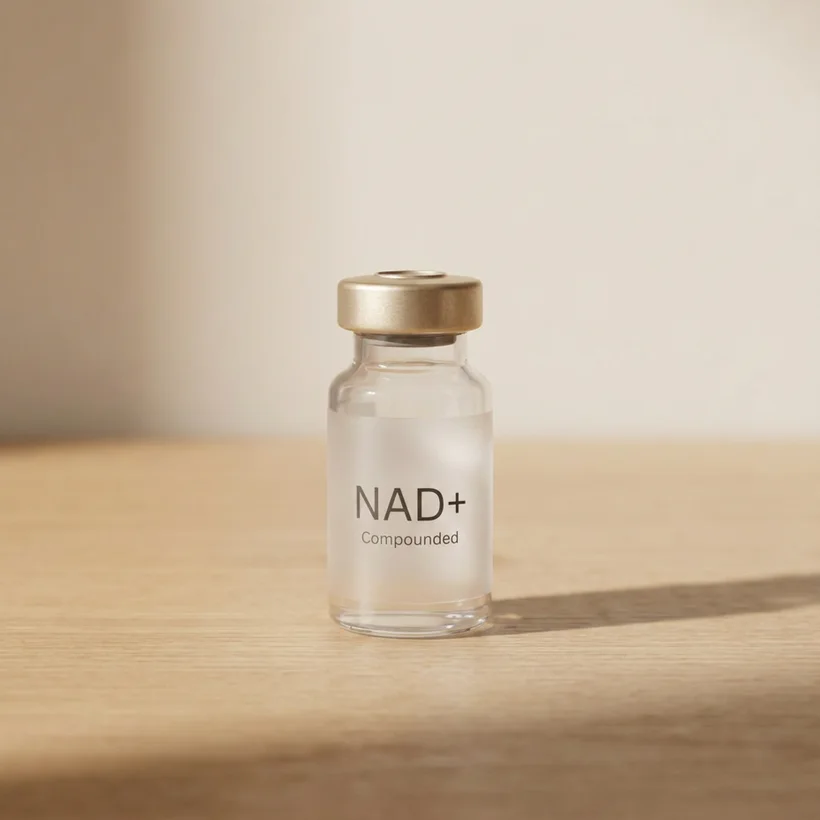
From the FormBlends catalog
NAD+ Peptide Complex
Restore cellular energy and DNA repair capacity · From $179/mo · compounded by a licensed 503A pharmacy, dispensed only after provider review.
View NAD+ Peptide Complex →GLP-1 receptor activation in the hypothalamus reduces appetite by 20-30% within the first month, creating caloric deficits of 500-800 calories daily. This metabolic shift forces the body to mobilize fat stores, triggering adaptive thermogenesis that temporarily reduces energy expenditure by 5-10%. Concurrent changes in leptin, ghrelin, and thyroid hormones during the initial weight loss phase compound fatigue symptoms before metabolic adaptation stabilizes energy levels.
Clinical Evidence
The STEP-1 trial[1] showed fatigue peaked at week 8-12 during semaglutide dose escalation, with 78% of affected patients reporting symptom resolution by week 20. Participants who maintained adequate protein intake (1.2g/kg daily) had 40% lower fatigue rates compared to those with inadequate protein consumption.
What to Do About GLP-1 Fatigue
We consistently see these strategies help our patients maintain their energy:
- Don't skip meals. Even if you aren't hungry, aim for at least three small, balanced meals per day. Skipping meals amplifies fatigue and can lead to a cycle of under-eating followed by energy crashes.
- Make every bite count. Choose foods with high nutritional density: lean proteins, leafy greens, nuts, seeds, and whole grains. Avoid empty-calorie foods that take up limited appetite space without providing real fuel.
- Drink water before you feel thirsty. Thirst signals are often blunted on GLP-1 medications. Carry a water bottle and sip throughout the day. hydration guide for GLP-1 patients
- Schedule rest strategically. If afternoons are when fatigue hits hardest, plan your most demanding tasks for the morning and allow yourself a brief rest period after lunch.
- Get outside. Natural sunlight exposure, especially in the morning, helps regulate circadian rhythm and boosts alertness. A 10-minute outdoor walk combines light, movement, and fresh air.
- Track your symptoms. Keeping a simple log of your energy levels, meals, sleep, and hydration can help you and your provider identify patterns and make targeted adjustments.
When to Seek Medical Help
While fatigue on a GLP-1 medication is usually benign, certain red flags require professional evaluation:
- Fatigue accompanied by unexplained weight gain rather than loss
- Extreme drowsiness or difficulty staying conscious
- New onset of confusion or difficulty concentrating beyond normal brain fog
- Fainting episodes or near-fainting GLP-1 dizziness
- Pale skin, brittle nails, or other signs of anemia
Your provider may want to run blood work to check for thyroid dysfunction, anemia, vitamin deficiencies, or blood sugar irregularities.
Preventing Fatigue on GLP-1 Medications
The best defense against GLP-1 fatigue is preparation. Before starting treatment, establish a consistent eating schedule that emphasizes protein and complex carbohydrates. This gives you a strong nutritional foundation that will sustain you when appetite suppression kicks in.
Build a hydration habit. If you don't already drink enough water, start increasing your intake a week before your first dose. Once you're on the medication, maintaining hydration requires conscious effort because appetite and thirst signals are both reduced.
Discuss your lifestyle with your prescriber. If you have a physically demanding job or an intense exercise routine, your provider may recommend a slower dose escalation or specific nutritional targets to prevent energy crashes.
Finally, set realistic expectations. Some degree of fatigue during the adjustment period is normal. Knowing this in advance helps you plan around it rather than being caught off guard. what to expect starting GLP-1 treatment
Frequently Asked Questions
- Do all GLP-1 medications cause fatigue equally?
-
Fatigue rates are broadly similar across the GLP-1 class, including semaglutide, tirzepatide, and liraglutide. The intensity may vary based on the specific drug's potency and how aggressively the dose is escalated, but no single GLP-1 medication is clearly better or worse for fatigue.
- Can I exercise if I feel fatigued on my GLP-1 medication?
-
Light to moderate exercise isn't only safe but often helpful. Walking, swimming, and gentle cycling can improve energy levels by boosting circulation and endorphin production. We recommend reducing exercise intensity during the first two weeks if fatigue is significant, then gradually returning to your normal routine.
- Is GLP-1 fatigue a sign I am losing weight too fast?
-
Not necessarily, but the two can be related. Rapid weight loss increases the likelihood and severity of fatigue because your body has less time to adapt. If you're losing more than two to three pounds per week consistently, talk with your provider about whether a nutritional adjustment or dose modification is appropriate. healthy rate of weight loss on GLP-1
- Will the fatigue come back if I restart a GLP-1 medication after a break?
-
It can. If you stop a GLP-1 medication and restart it later, your body may need to re-adapt, especially if you restart at a higher dose than the initial starting dose. Most providers recommend restarting at the lowest dose and re-escalating to minimize side effects including fatigue.
Medical References
- Wilding JPH, Batterham RL, Calanna S, et al. Once-Weekly Semaglutide in Adults with Overweight or Obesity. N Engl J Med. 2021;384(11):989-1002. [PubMed | ClinicalTrials.gov | DOI]
We Are Here to Help
Managing side effects is a normal part of GLP-1 therapy, and you don't have to figure it out alone. At FormBlends, we provide clinical guidance tailored to your specific medication, dose, and lifestyle. Contact us to discuss your experience. FormBlends consultation
Ready when you are
NAD+ Peptide Complex
Restore cellular energy and DNA repair capacity · From $179/mo · compounded by a licensed 503A pharmacy, dispensed only after provider review.
View NAD+ Peptide Complex →