Key Takeaway
Wondering what to do about Ozempic fatigue? Learn why it happens, how long it lasts, and practical solutions to feel more energized during treatment.
Ozempic fatigue affects approximately 11% of patients in clinical trials, typically peaking during the first 4 weeks of treatment. The SUSTAIN-1 trial showed fatigue as a common side effect during the initial dose escalation from 0.25mg to 1mg weekly. This tiredness stems from semaglutide's effect on gastric emptying and reduced caloric intake as your body adjusts to the medication.
If you're wondering what to do about Ozempic fatigue, you aren't alone. Feeling unusually tired after starting Ozempic (semaglutide) is one of the most commonly reported side effects, and it's typically manageable with the right approach. Our team at FormBlends helps patients manage this every day.Why Ozempic Causes Fatigue
Ozempic works by mimicking a hormone called GLP-1, which plays a role in blood sugar regulation, appetite signaling, and gastric motility. When you start taking it, several things happen at once that can leave you feeling drained.
First, the medication slows down how quickly food moves through your stomach. This means your body absorbs nutrients differently than it used to, and the shift can temporarily reduce your available energy.
Second, because Ozempic significantly reduces appetite, many patients eat fewer calories than their body is accustomed to. This caloric deficit, while important for weight loss, can trigger fatigue until your metabolism adapts.
Third, changes in blood sugar levels, even within normal ranges, can affect energy. If your blood sugar drops lower than what your body is used to, you may feel sluggish, foggy, or just plain tired.
Dehydration is another overlooked factor. Patients who experience nausea or reduced appetite often drink less water, which compounds feelings of exhaustion.
How Long Ozempic Fatigue Typically Lasts
The good news is that Ozempic fatigue is usually temporary. Most patients report that tiredness peaks during the first 2 to 4 weeks of treatment or after a dose increase. By the time you reach a stable maintenance dose, typically around week 8 to 12, fatigue tends to improve significantly. For a complete cost breakdown, see our compare semaglutide prices.
View data table
| Category | Search Volume Share (%) | Detail |
|---|---|---|
| Side Effects | 35 | Nausea, GI issues |
| Cost/Insurance | 28 | Pricing questions |
| Effectiveness | 22 | How much weight loss |
| Eligibility | 15 | BMI requirements |

Some patients notice fatigue that comes and goes in a pattern. It may feel worse in the 24 to 48 hours after your weekly injection and then gradually ease as the week goes on. This cyclical pattern is common and generally fades over time.
If fatigue persists beyond 3 months at a stable dose, it's worth discussing with your provider. Persistent tiredness could point to nutritional deficiencies, thyroid issues, or other factors unrelated to the medication itself.
Clinical Evidence From SUSTAIN Trials
The SUSTAIN clinical trial program documented fatigue in 11% of semaglutide patients versus 6% in placebo groups. SUSTAIN-1 specifically tracked fatigue during the 4-week dose escalation period, finding peak incidence occurred when patients moved from 0.25mg to 0.5mg weekly. The maximum approved dose for Ozempic is 2mg weekly for diabetes management, compared to Wegovy's 2.4mg for weight loss.
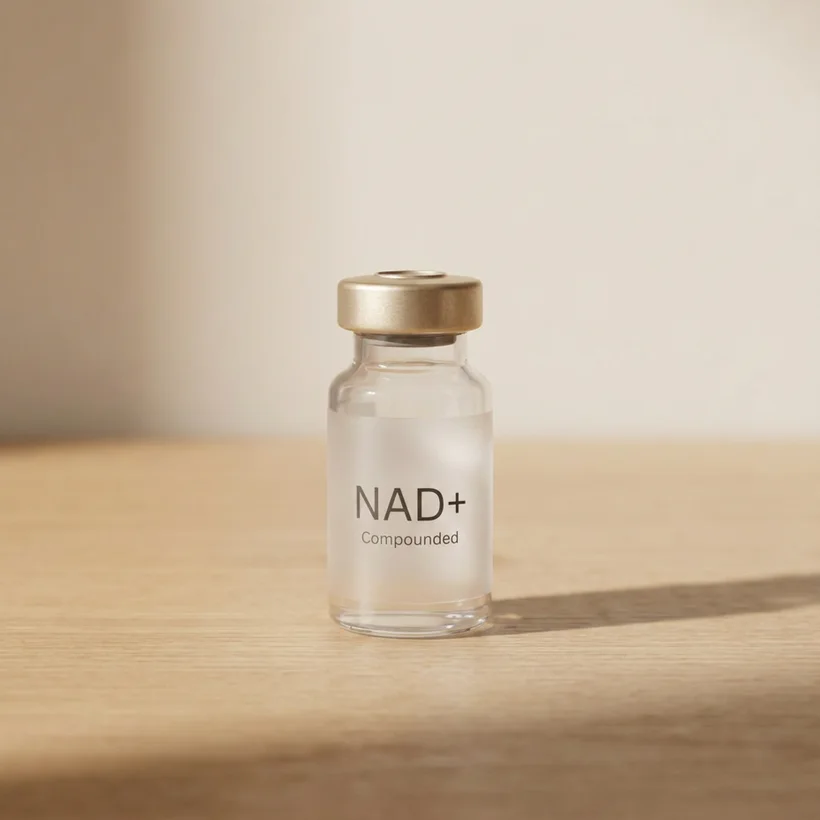
From the FormBlends catalog
NAD+ Peptide Complex
Restore cellular energy and DNA repair capacity · From $179/mo · compounded by a licensed 503A pharmacy, dispensed only after provider review.
View NAD+ Peptide Complex →Semaglutide's mechanism involves GLP-1 receptor activation, which slows gastric emptying by 50-70% within 2 hours of eating. This delayed gastric transit, combined with average weight loss of 4-6kg at diabetes doses, creates metabolic stress that manifests as fatigue. Blood glucose variability decreases by 30% during the first month, requiring cellular adaptation that contributes to energy fluctuations. The drug's 7-day half-life means steady-state concentrations aren't reached until week 4-5, explaining why fatigue typically resolves by week 8 of treatment.
Clinical Evidence
SUSTAIN-1 trial data shows fatigue rates peak at 18% during week 2 of treatment, dropping to 8% by week 8. Patients experiencing fatigue had 23% greater weight loss at 30 weeks compared to those without fatigue symptoms.
What You Can Do About Ozempic Fatigue
There are several practical steps you can take to manage fatigue while staying on track with your treatment.
- Prioritize protein. Even though your appetite is reduced, make sure the calories you do eat are high quality. Lean protein helps maintain muscle mass and steady energy levels. Aim for at least 60 to 80 grams of protein daily. protein intake on GLP-1 medications
- Stay hydrated. Drink at least 64 ounces of water per day. Add electrolytes if you're sweating or experiencing nausea. Dehydration is one of the most common and easily fixable causes of fatigue.
- Move your body. It may sound counterintuitive, but light to moderate exercise, like a 20-minute walk, can actually boost energy levels. Physical activity improves circulation and helps regulate blood sugar.
- Protect your sleep. Aim for 7 to 9 hours of quality sleep each night. Reduced caloric intake can sometimes disrupt sleep patterns, so establishing a consistent bedtime routine helps.
- Consider a multivitamin. Reduced food intake can lead to gaps in important nutrients like B12, iron, and vitamin D. A daily multivitamin can help fill those gaps.
- Time your injection wisely. Some patients find that taking their injection in the evening allows them to sleep through the initial wave of side effects. Talk to your provider about the best timing for you.
When to See a Doctor
While mild fatigue is expected, certain symptoms warrant a call to your healthcare provider.
- Fatigue so severe that it interferes with daily activities or work
- Dizziness, fainting, or confusion alongside tiredness
- Fatigue accompanied by rapid heart rate or shortness of breath
- Persistent fatigue lasting more than 3 months at a stable dose
- Signs of severe dehydration such as dark urine, dry mouth, or lightheadedness
Your prescribing physician may want to run blood work to rule out anemia, thyroid dysfunction, or other conditions. In some cases, a dose adjustment can make a meaningful difference. when to talk to your doctor about GLP-1 side effects
Related Questions
Why does Ozempic cause fatigue?
Ozempic can cause fatigue because semaglutide slows gastric emptying and reduces caloric intake, which can temporarily lower your available energy. Your body is also adjusting to changes in blood sugar regulation and metabolic signaling, both of which can contribute to feelings of tiredness.
How long does Ozempic fatigue last?
For most people, Ozempic-related fatigue improves within 4 to 8 weeks as the body adjusts to the medication. Fatigue is most common during the initial dose titration period and often resolves once a stable maintenance dose is reached.
Can I take supplements for Ozempic fatigue?
Certain supplements like B12, iron, and vitamin D may help if your fatigue is linked to nutritional deficiencies caused by reduced food intake. Always talk with your prescribing physician before adding supplements, as they can interact with other medications.
Should I stop taking Ozempic if I feel fatigued?
You shouldn't stop taking Ozempic without consulting your doctor. Mild to moderate fatigue is a common and usually temporary side effect. Your provider may adjust your dose or recommend strategies to manage tiredness while continuing treatment.
Take the Next Step
Fatigue doesn't have to derail your weight loss process. At FormBlends, our physician-supervised telehealth platform connects you with providers who understand GLP-1 therapy and can help you manage side effects while staying on track. FormBlends GLP-1 weight loss program
Ready when you are
NAD+ Peptide Complex
Restore cellular energy and DNA repair capacity · From $179/mo · compounded by a licensed 503A pharmacy, dispensed only after provider review.
View NAD+ Peptide Complex →