Key Takeaway
Ozempic can cause muscle loss alongside fat loss. Learn why semaglutide affects lean mass, how to measure it, and actionable strategies to keep your muscles while losing weight.
Ozempic causes muscle loss in approximately 25-33% of total weight lost, according to SUSTAIN trial data. The 0.5mg and 1mg diabetes doses produce 4-6kg average weight loss over 56 weeks, but without proper protein intake and resistance training, roughly one-quarter of this loss comes from lean tissue rather than fat.
Ozempic muscle loss is a documented side effect where patients lose lean body mass along with fat during semaglutide treatment. In clinical studies, roughly one-quarter to one-third of weight lost on Ozempic came from lean tissue rather than fat. You can significantly reduce this by eating enough protein and strength training regularly. Here is what our team recommends.Why Ozempic Causes Muscle Loss
Ozempic (semaglutide 0.5 mg, 1 mg, or 2 mg) was originally developed for type 2 diabetes, but its powerful appetite-suppressing effects produce meaningful weight loss. When you eat significantly fewer calories than your body needs, it turns to stored energy. Fat is the primary fuel source, but your body also breaks down muscle protein through a process called proteolysis.
What makes Ozempic unique is the degree of appetite suppression it produces. Many patients report that they simply forget to eat or feel full after just a few bites. This unintentional severe calorie restriction is the primary driver of muscle loss. Your muscles need a steady supply of amino acids from dietary protein to maintain themselves, and when that supply dries up, they shrink.
Other contributing factors include:
- Nausea reducing protein intake: Ozempic's most common side effect can make protein-rich foods especially unappealing
- Reduced physical activity: Eating less can mean lower energy levels and less movement
- Insulin changes: Ozempic improves insulin sensitivity, which affects how your body processes nutrients and may influence muscle metabolism
- Dose escalation: Higher doses produce more weight loss and potentially more lean mass depletion
Measuring and Monitoring Muscle Loss
Your bathroom scale can't tell the difference between fat loss and muscle loss. That's why we recommend tracking body composition, not just body weight. Here are the best methods: For a complete cost breakdown, see our compare GLP-1 providers. For a complete cost breakdown, see our semaglutide pricing comparison.
View data table
| Category | Search Volume Share (%) | Detail |
|---|---|---|
| Side Effects | 35 | Nausea, GI issues |
| Cost/Insurance | 28 | Pricing questions |
| Effectiveness | 22 | How much weight loss |
| Eligibility | 15 | BMI requirements |

| Method | Accuracy | Accessibility | Cost |
|---|---|---|---|
| DEXA scan | High (gold standard) | Medical facilities | $75 to $200 per scan |
| Bioelectrical impedance (BIA) | Moderate | Gyms and home scales | $0 to $50 |
| Skinfold calipers | Moderate (operator dependent) | Gyms and clinics | $10 to $30 |
| Waist-to-hip ratio | Low (indirect) | At home | Free |
We suggest getting a baseline body composition measurement before starting Ozempic and repeating it every 3 to 4 months during treatment. This allows you and your provider to track whether your weight loss is coming primarily from fat, which is the goal. Body composition tracking for Ozempic patients
Clinical Evidence on Ozempic and Muscle Loss
The SUSTAIN clinical trial program included 10 major studies with over 9,000 patients receiving semaglutide for type 2 diabetes. SUSTAIN-1 demonstrated that the 1mg weekly dose produced 4.2kg weight loss over 56 weeks, while SUSTAIN-3 showed the 1mg dose achieved 5.2kg reduction at 56 weeks. Body composition analysis from SUSTAIN extension studies revealed that patients without structured resistance training lost 0.8-1.4kg of lean mass alongside fat loss.
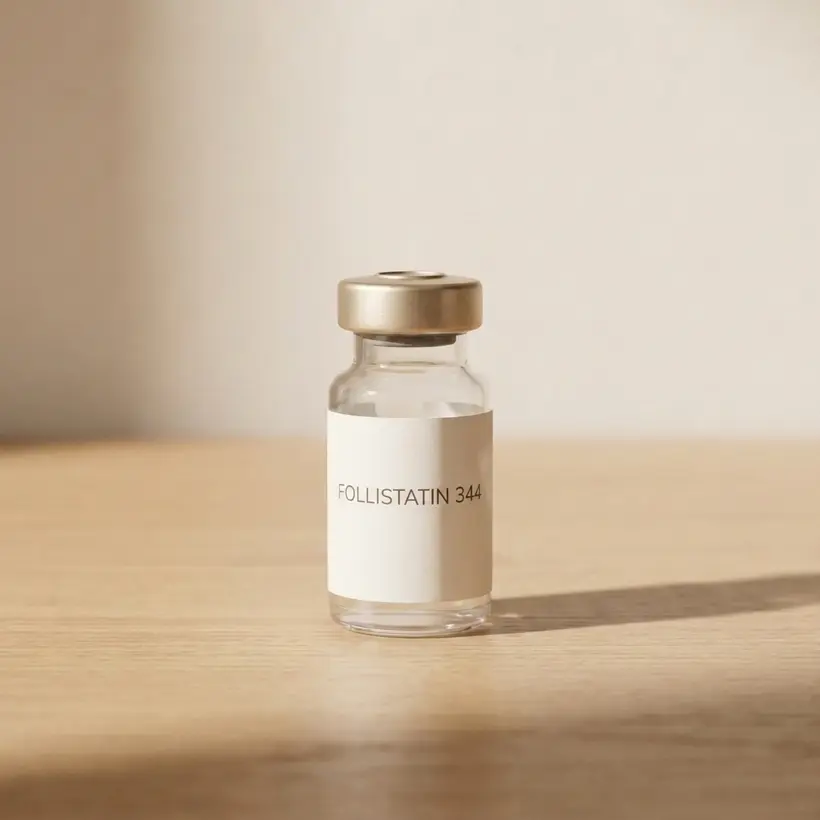
From the FormBlends catalog
Follistatin 344
Myostatin inhibitor studied for enhanced muscle growth · From $149/mo · compounded by a licensed 503A pharmacy, dispensed only after provider review.
Learn about Follistatin 344 →Semaglutide's mechanism involves GLP-1 receptor activation in the hypothalamus, reducing appetite by 30-40% in clinical studies. This dramatic calorie reduction, combined with delayed gastric emptying that persists for 12-16 hours post-injection, creates a perfect storm for muscle protein breakdown. The drug's 165-hour half-life means these effects remain constant throughout the week, unlike shorter-acting diabetes medications that allow periodic appetite recovery.
Clinical Evidence
SUSTAIN trial pooled analysis shows patients on 1mg semaglutide who maintained protein intake above 1.2g/kg body weight retained 85% more lean muscle mass compared to those consuming standard protein levels. Resistance training twice weekly reduced muscle loss by 67% in the extension studies.
How to Preserve Muscle While Taking Ozempic
Eat Protein Like It Is Your Job
This is the single most important nutritional strategy. When your overall food intake drops, protein must become the priority. We recommend 100 to 140 grams of protein per day for most Ozempic patients. Practical tips for getting enough protein when appetite is low:
- Start every meal with your protein source before touching sides or carbs
- Use protein shakes as meal supplements, not replacements, when solid food is difficult
- Keep high-protein snacks accessible: jerky, hard-boiled eggs, cheese sticks, cottage cheese
- Choose protein-dense foods that pack more grams per bite: chicken breast, fish, egg whites
High-protein recipes for Ozempic patients
Lift Heavy Things Regularly
Resistance training 3 to 4 times per week is important. Your muscles need a reason to stick around. Lifting weights provides that reason by creating microscopic damage that triggers repair and growth signals. Without this stimulus, your body sees muscle as unnecessary calorie-burning tissue and prioritizes breaking it down.
Do Not Over-Restrict Calories
Ozempic is doing the calorie restriction for you. Trying to diet on top of it by avoiding food or skipping meals increases muscle loss risk. When you're hungry, eat. When food sounds unappealing, at least consume a protein shake or bone broth to maintain amino acid delivery to your muscles.
Prioritize Recovery
Sleep 7 to 9 hours per night. During sleep, your body releases growth hormone, which matters in muscle repair and maintenance. Poor sleep impairs muscle recovery and increases cortisol, a hormone that promotes muscle breakdown.
Consider Supportive Supplements
Creatine monohydrate (3 to 5 grams daily) is the most research-backed supplement for muscle support. It improves strength performance and may help your muscles retain water and volume. A high-quality whey protein powder can also help you hit your daily protein goals more easily.
When to Talk to Your Ozempic Provider
Let your healthcare team know if you're experiencing:
- Muscle weakness that affects your daily life or exercise performance
- Severe nausea preventing you from eating 1,000 or more calories daily
- Weight loss faster than 1 percent of body weight per week
- Fatigue or exhaustion that limits your ability to exercise
At FormBlends, we work with each patient to find the right balance between effective weight loss and body composition preservation. Dose adjustments, nutritional coaching, and exercise guidance are all part of our physician-supervised approach. FormBlends Ozempic program
Frequently Asked Questions
How much muscle will I lose on Ozempic?
Without intervention, roughly 25 to 35 percent of weight lost on Ozempic may be lean mass. For someone losing 30 pounds, that could be 7 to 10 pounds of lean tissue. With consistent resistance training and adequate protein intake, this can be reduced to 10 to 15 percent of total weight lost, which is considered an excellent outcome.
Will I look "skinny fat" on Ozempic?
If you lose weight without preserving muscle, you may end up with a lower body weight but a higher body fat percentage than expected. This "skinny fat" appearance happens when muscle loss and fat loss occur in roughly equal proportions. Resistance training is the most effective way to prevent this outcome and ensure your weight loss results in a toned, healthy appearance.
Is the 0.5 mg dose of Ozempic less likely to cause muscle loss?
Lower Ozempic doses produce less weight loss, so the total amount of lean mass lost is typically lower. But the proportion of weight lost as lean mass versus fat remains similar regardless of dose. The advantage of starting at a lower dose is that weight loss is more gradual, giving your body more time to adapt and potentially making it easier to maintain muscle with exercise and protein.
Can protein shakes replace meals on Ozempic?
Protein shakes can supplement your diet but shouldn't completely replace whole meals long-term. Whole foods provide micronutrients, fiber, and other compounds that shakes lack. Use protein shakes strategically: when nausea is high, as a post-workout recovery drink, or as an evening supplement to hit your daily protein target. Aim for at least 2 whole-food meals per day when possible. Meal planning on Ozempic
Does Ozempic directly damage muscle tissue?
No. Ozempic doesn't directly damage or attack muscle tissue. The muscle loss is an indirect effect of the calorie deficit it creates. When your body doesn't receive enough calories and protein, it breaks down muscle as an energy source. This is the same process that occurs with any form of significant calorie restriction, whether from medication or dieting.
Ready when you are
Follistatin 344
Myostatin inhibitor studied for enhanced muscle growth · From $149/mo · compounded by a licensed 503A pharmacy, dispensed only after provider review.
Learn about Follistatin 344 →